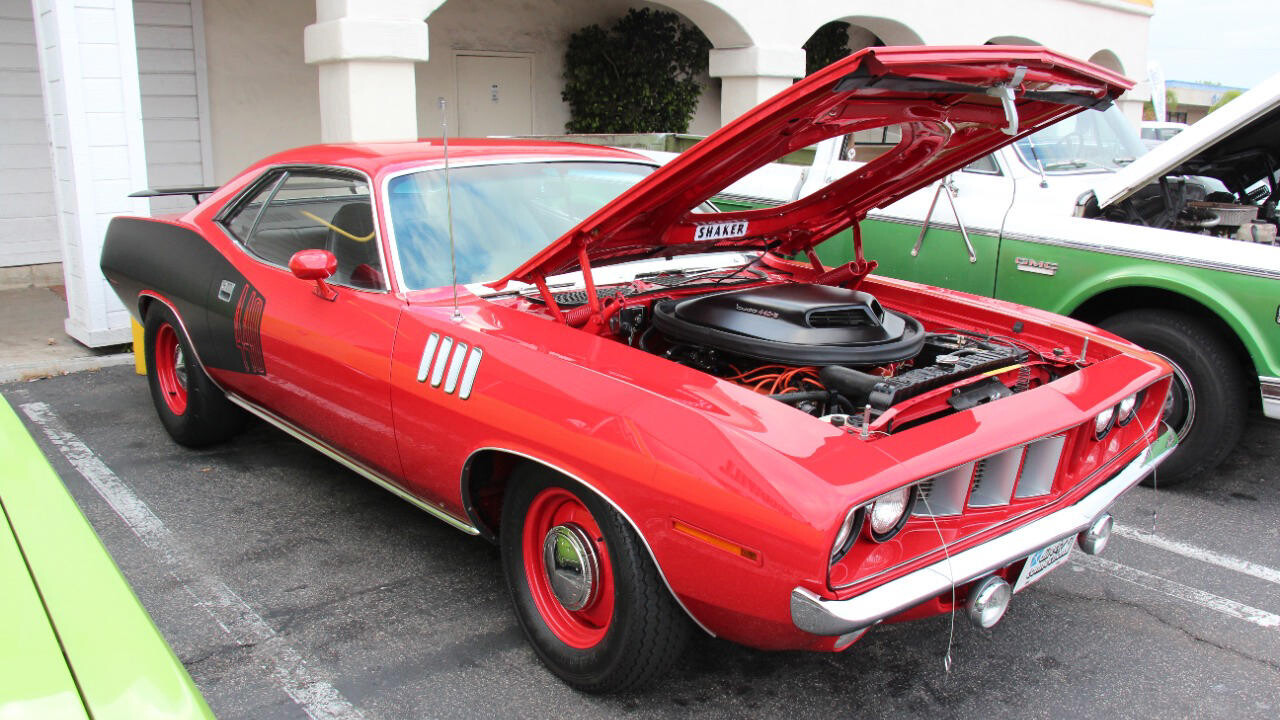
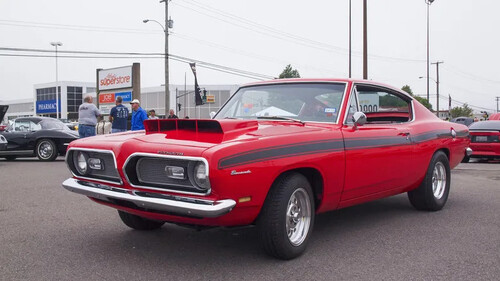
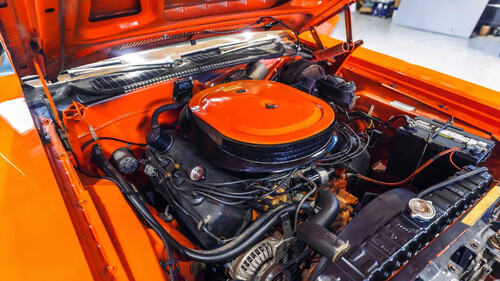
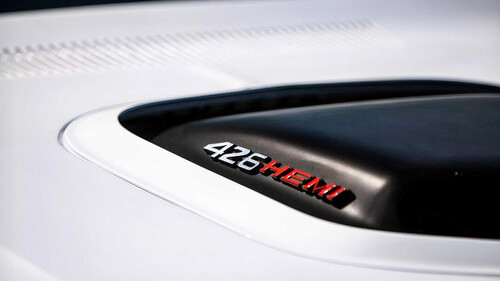
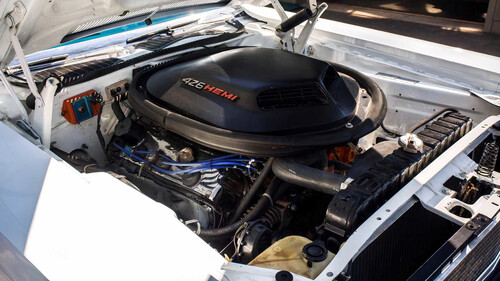
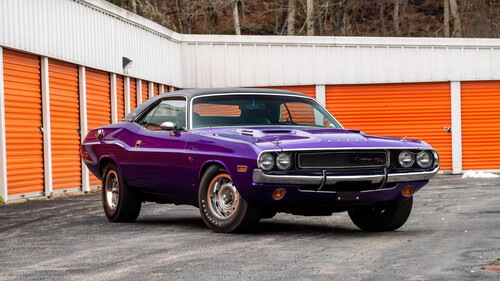
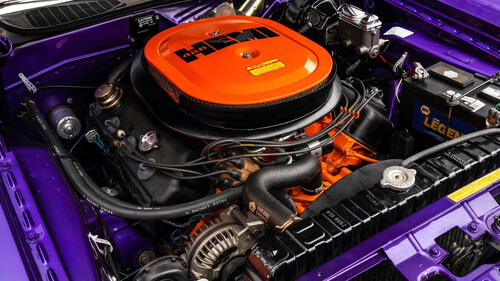
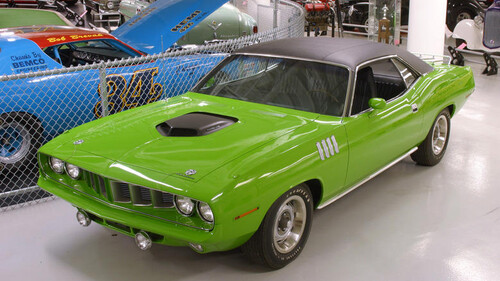
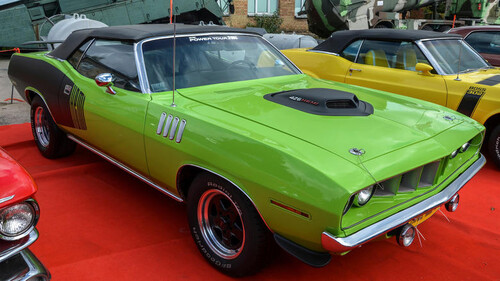
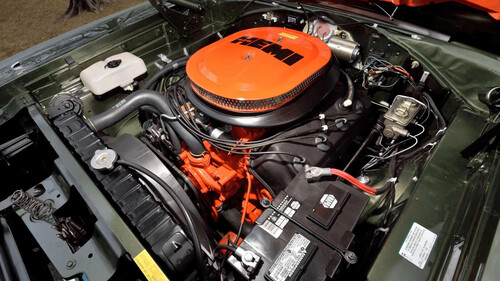
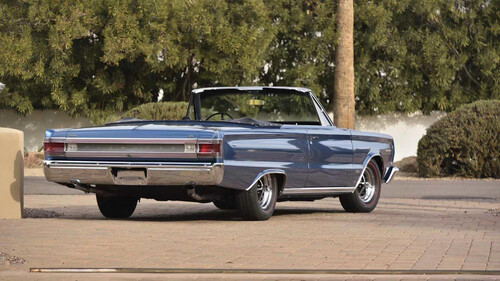
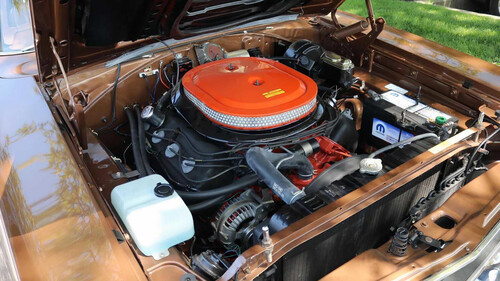
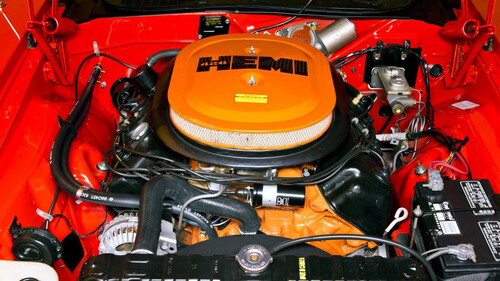
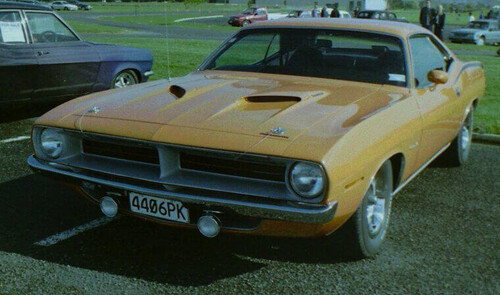
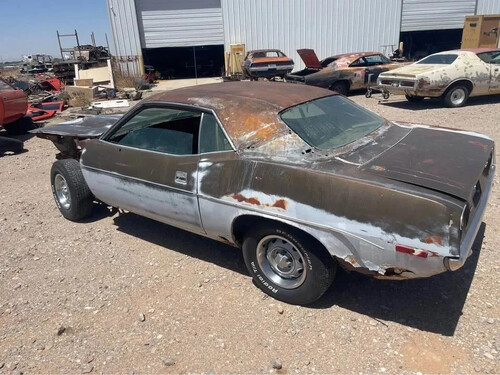
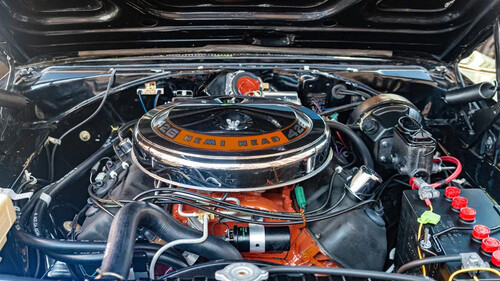
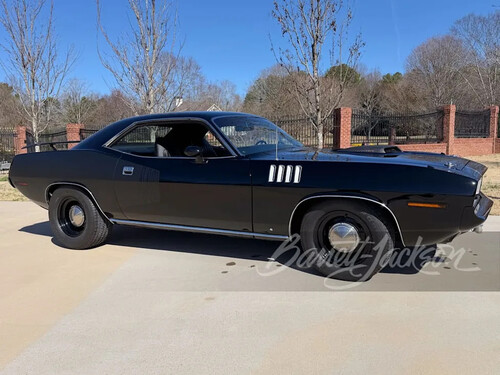
The 1971 Hemi ’Cuda arrived just as the muscle car party was ending. Insurance hikes, new federal emissions rules and changing buyer tastes were already pushing high compression, big block performance cars toward extinction, yet Plymouth still rolled out one of the wildest factory hot rods Detroit ever built. That clash between timing and intent is what makes the 1971 Hemi ’Cuda so compelling. It was a short‑lived, almost defiant statement of power that survived for a single model year, then spent decades evolving from slow seller into blue chip collectible. The last stand of peak muscle By the early 1970s, the forces that would sweep muscle cars off the streets were gathering. A video on the 1971 Plymouth Hemi ’Cuda notes that insurance companies had effectively priced young buyers out of the market and that the Clean Air Act was forcing manufacturers to rethink high performance engines that produced heavy emissions, a combination that made the traditional big block formula look suddenly outdated Clean Air Act. The same source points out that the reasons were everywhere, from rising premiums to public pressure over smog and safety. Another segment on the same car underlines just how strange the moment was, mentioning a Hemi Cuda that was secretly shipped to Paris under mysterious circumstances, a reminder that even as domestic demand cooled, the legend of these cars was already spreading beyond American shores Hemi Cuda. That odd export story captures the split personality of the era: at home, regulators and actuaries were closing in, while abroad, the American V‑8 mystique was starting to look exotic. Regulation was not abstract. The Clean Air Act of 1970 gave the EPA authority to set binding emissions standards, and reporting on those changes describes how the agency leaned heavily on stricter rules that were already in place in Califo, forcing automakers to design engines that emitted fewer pollutants and produced less NOx EPA standards. Enthusiasts recall that in the mid to late 1960s, early emissions controls and lower compression ratios were already starting to dull performance, even before the full force of 1970s rules arrived smog regulations. Cultural pressure followed. A retrospective on how laws and regulations changed car making points to Fuel Economy Restrictions and safety mandates that pushed manufacturers away from raw power toward efficiency and crash protection, a shift that left little room for lightweight, overpowered coupes Fuel Economy Restrictions. Another analysis of how the government canceled classic muscle cars singles out the Clean Air Act of 1970 as the first beatdown of American performance, arguing that while everyone wanted cleaner air, the unintended consequence was a rapid drop in horsepower and the end of the original muscle era American muscle. Inside the 1971 Hemi ’Cuda’s hardware Against that backdrop, Plymouth and Chrysler did something surprising. Reporting on the model notes that if it had followed prevailing trends, Chrysler would have ended the Hemi at the close of the 1970 model year. Yet the company kept the engine alive for 1971, effectively raging against the future of low compression small blocks and catalytic converters Chrysler Hemi. That decision produced one of the most intimidating street cars of its time. At its core sat the legendary 426 cubic inch Hemi V‑8. A detailed look at a restored example notes that in 1971 just 114 Plymouth purchasers ticked the option box for the expensive 426 Hemi engine in their new Cudas, a figure that hints at both the cost and the shrinking appetite for such extreme hardware 114 Plymouth. The same displacement appears in coverage of the broader Hemi program, which counts just over 11,000 426 cubic inch engines built for street use over several years, underscoring how rare these powerplants were even before emissions rules tightened. The 1971 Plymouth HEMI ’Cuda was a high performance version of the Barracuda, built for pure speed and marketed as the top dog of the E‑body lineup Plymouth HEMI. It used either the heavy duty TorqueFlite 727 automatic transmission or a standard four speed manual, and all four wheels came standard with power assisted brakes to help rein in the car’s considerable speed potential 727 automatic. Those details show that Plymouth treated the Hemi package as a complete performance system rather than just an engine swap. Styling also set the 1971 car apart. Coverage of the Hemi Cuda highlights that it was the only year the car had quad circular headlights, simulated shark gill fender vents and a shaker hood scoop that protruded through the sheet metal and vibrated with the engine Hemi Cuda. Those one year only styling cues, combined with bright colors and billboard graphics, later became a major driver of collector interest. Underneath, the car shared its basic structure with other E‑body Barracudas. A Plymouth Barracuda Fact Sheet lays out the 1971 Plymouth Barracuda Facts, Figures, Specifications and even Five Fast Facts You May Not Know, detailing how the ’Cuda variant added performance engines and cosmetic upgrades to the same basic platform Plymouth Barracuda Facts. That shared DNA helps explain why the Hemi version looked familiar to buyers, even as its hardware and price tag set it far apart. From showroom underdog to auction powerhouse For all its performance, the 1971 Hemi ’Cuda did not fly off dealer lots. A feature on the convertible variant notes that Moreover, they were not produced in limited quantities by design. These were mass produced Plymouths that did not sell well because the market for thirsty, high insurance coupes was already collapsing, which is why so few survive today Moreover Plymouths. That lack of demand in period is precisely what created scarcity later. The hardtop numbers tell part of the story. A detailed breakdown of the 426 Hemi ’Cuda notes that Rare and Collectible The 426 Hemi ‘Cuda was rare even when it was new. Only 119 hardtops and 11 convertibles were produced with the Hemi engine, a production run that would be tiny even for an exotic, let alone a mass market brand Only 119. A separate museum entry points out that There were only 7 1971 Hemi ‘Cuda Convertibles with 4 speed manual transmissions ever made, a subset so small that each surviving car is individually documented there were only. Those production figures set the stage for modern valuations. An analysis of recent sales describes how the 1971 Hemi ‘Cuda Convertible is widely regarded as the ultimate holy grail of muscle cars and notes that the first of only twelve examples built with certain options crossed the block for $3.3 million, a $3.3 m figure that illustrates just how far the car has climbed from its humble sales start $3.3 million. A social media post from an auction house calls it a $3.3 million drive by 1971 Plymouth Hemi Cuda Convertible and frames the car as the first of only twelve of its type, reinforcing its near mythical status among collectors Cuda Convertible. Another report on a recent transaction refers to the car as a holy grail 1971 Plymouth Hemi Cuda Convertible and notes that The Cuda was also auctioned off via a major sale where Yup, its market value jumped by a one million bucks over a decade, a trajectory that would be remarkable for any asset class, let alone a once depreciated muscle car. A separate social media feature on the same model calls the 1971 Hemi ‘Cuda Convertible the ultimate muscle car unicorn and specifies that it is Packing 425 HP and a legacy that commands over $3 million at auction, which aligns with the recent $3.3 million sale figure Packing 425. Even hardtops have followed this curve. Coverage of the E‑body 1971 Plymouth HEMI ‘Cuda notes that it is considered to be among the most potent and valuable muscle cars ever built, with survivors often reaching seven figure prices at top auctions, a remarkable fate for what began as a showroom underperformer Cuda Barracuda. Regulation, workarounds and the end of the era While the Hemi ’Cuda was turning into a collectible, the regulatory world that had doomed it was still evolving. A retrospective on emissions technology describes how Milwaukee operations of AC, a division of General Motors, manufactured the catalytic converter and how most governments adopted this device as a key tool for cleaning up exhaust, a shift that effectively ended the era of leaded, high compression big blocks Milwaukee operations. Automakers experimented with tricks and calibrations to bypass or soften the impact of early rules, but the direction was clear. Another video on horsepower trends explains why muscle car output dropped after 1972, pointing to lower compression ratios, retarded ignition timing and new testing standards that produced smaller advertised numbers even when the underlying engines had not changed overnight horsepower dropped. Enthusiast commentary often draws a straight line from those changes to the abrupt falloff in performance that owners felt behind the wheel. Some automakers looked for creative ways around the rules. A segment on how one manufacturer responded describes Ford’s genius trick that bypassed emissions regulations, a reference to calibration and hardware strategies that exploited loopholes in testing cycles while still meeting the letter of the law General Motors. These workarounds bought time but did not reverse the broader decline of traditional muscle cars. In that context, the 1971 Hemi ’Cuda looks less like an outlier and more like a final flourish. A detailed feature on the model argues that if Chrysler had followed the market, it would have retired the Hemi in 1970. Yet the company gave the engine one more year in the face of future regulations, producing a car that raged against the dying of the muscle era even as the industry pivoted toward cleaner, more efficient designs yet in 1971. Why the 1971 Hemi ’Cuda still matters The 1971 Hemi ’Cuda sits at a rare intersection of design, engineering and timing. It was built on the same basic E‑body platform as other Barracudas, but its 426 Hemi power, unique styling and tiny production numbers turned it into something far more significant than a typical trim package. The fact that only 119 hardtops and 11 convertibles received the Hemi engine, and that just 114 Plymouth buyers ordered it at all, means that every surviving car carries a disproportionate amount of history. Its story also illustrates how quickly public policy and market forces can reshape an industry. The Clean Air Act of 1970, the EPA’s reliance on Califo style standards, the rise of Fuel Economy Restrictions and the pressure from insurers all converged in a few short years. The Hemi ’Cuda happened to land right at that inflection point, which is why it feels like both a product of the 1960s horsepower race and a casualty of 1970s regulation. More from Fast Lane Only Unboxing the WWII Jeep in a Crate 15 rare Chevys collectors are quietly buying 10 underrated V8s still worth hunting down Police notice this before you even roll window down The post The 1971 Hemi ’Cuda arrived just as muscle cars were being pushed out of existence appeared first on FAST LANE ONLY.