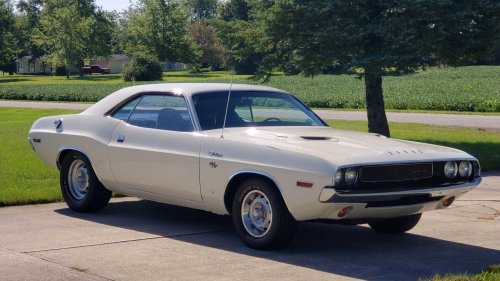
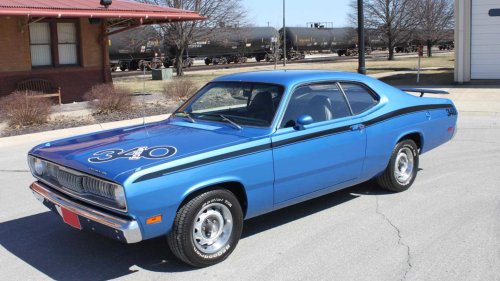
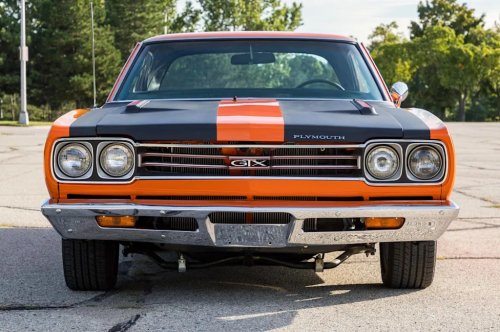
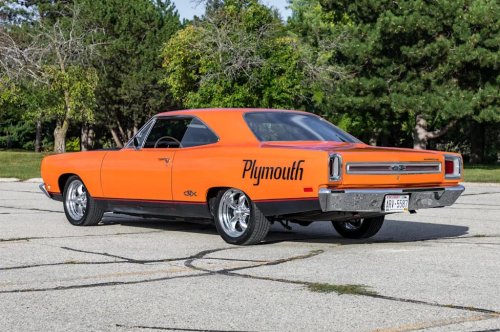
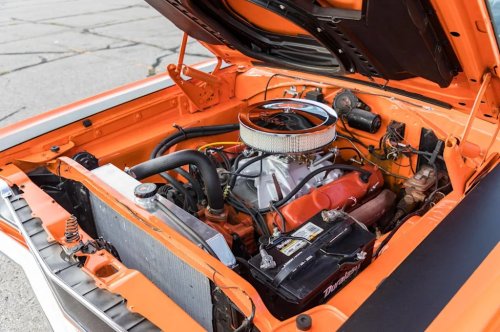
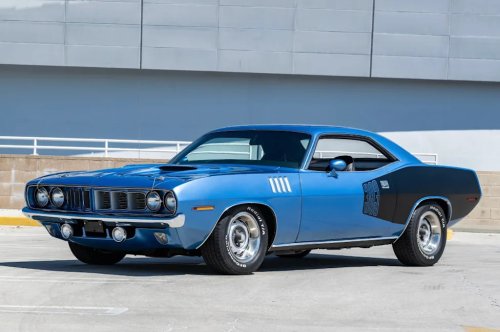
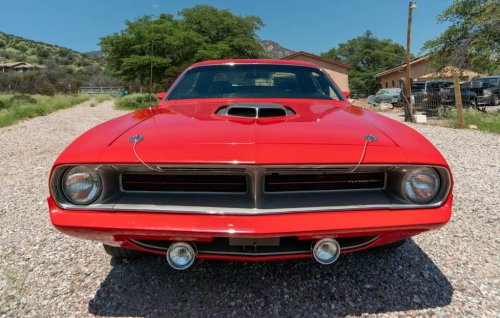
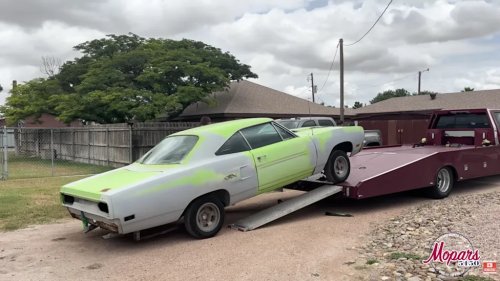
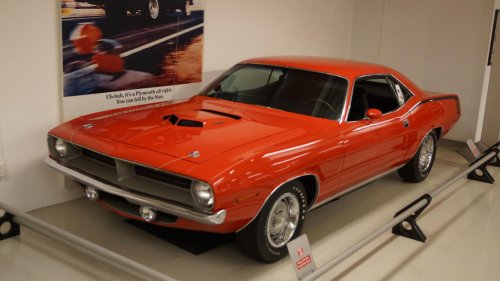
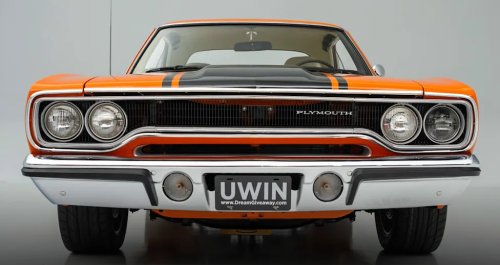
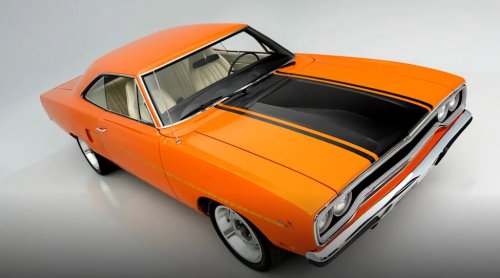
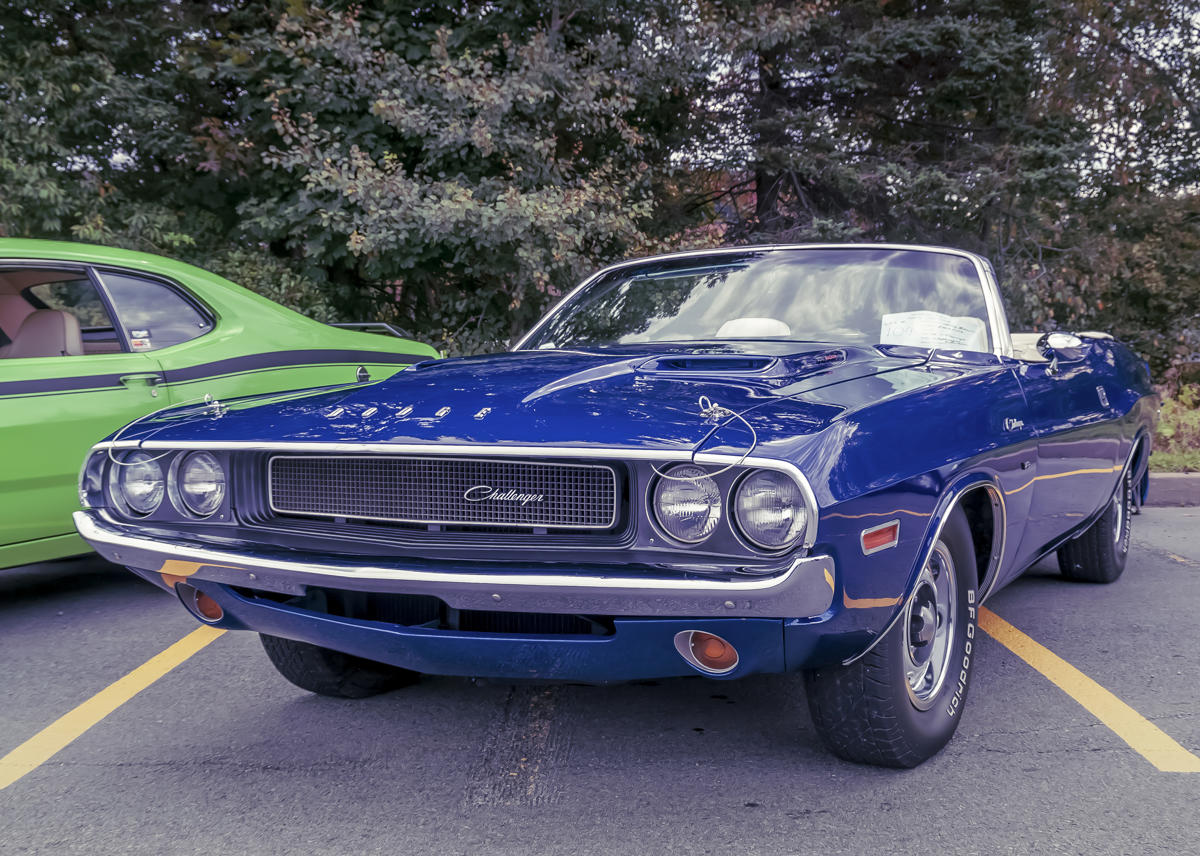
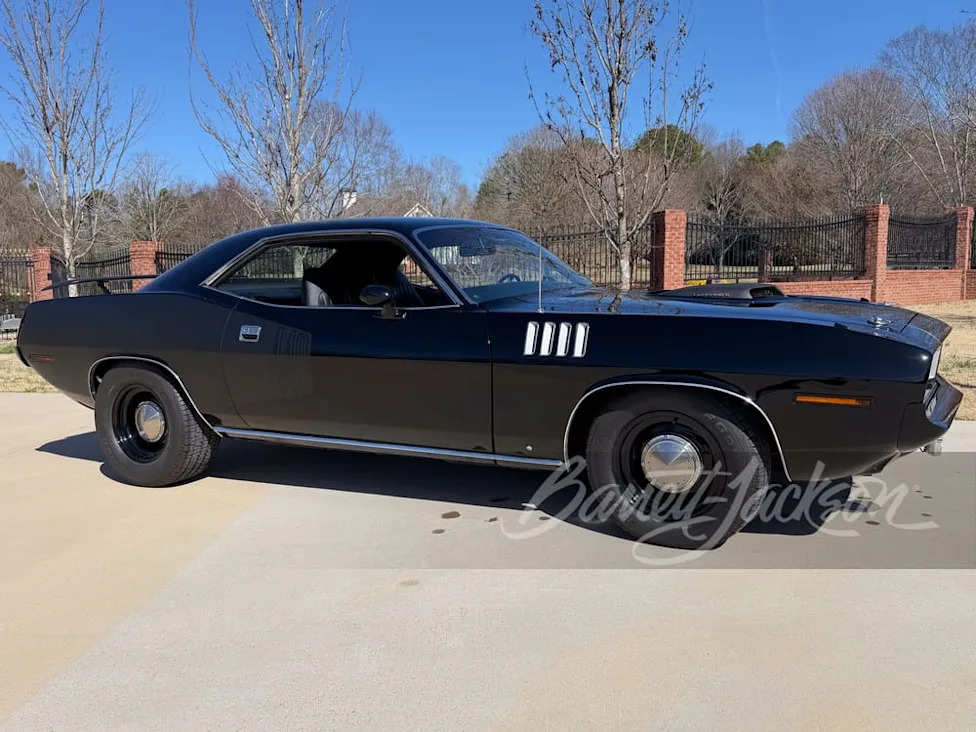
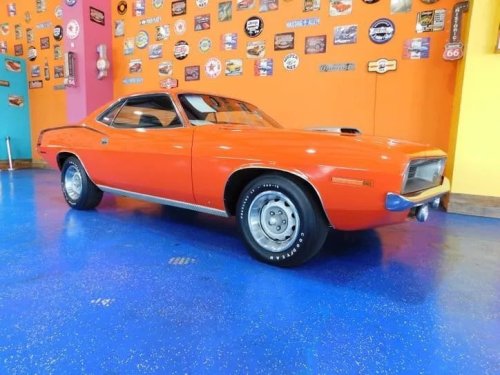
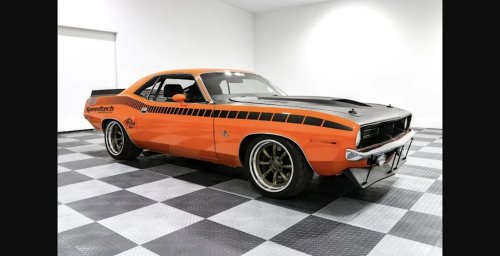
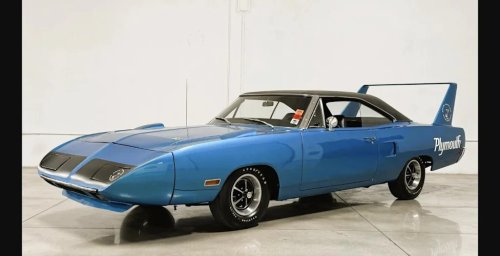
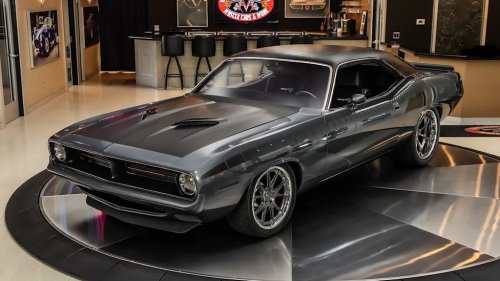
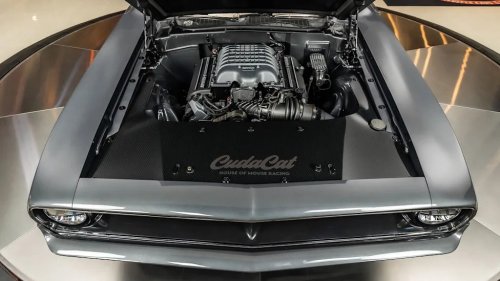
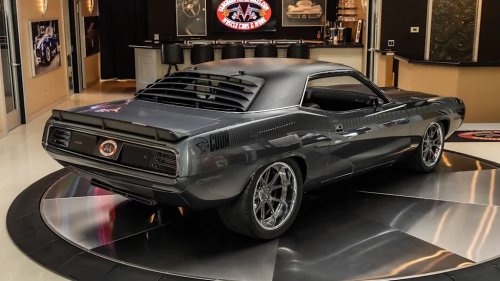
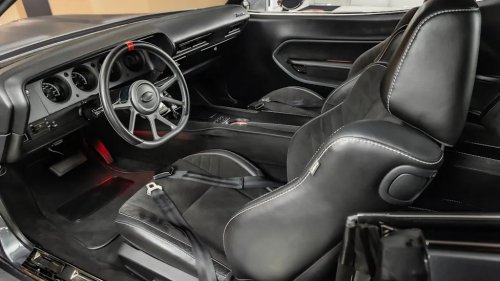
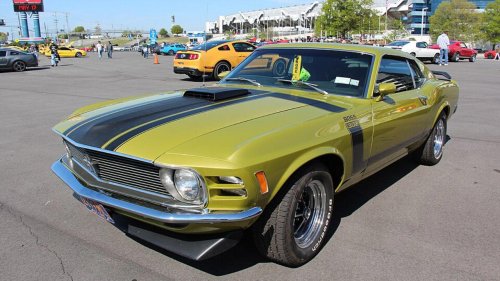
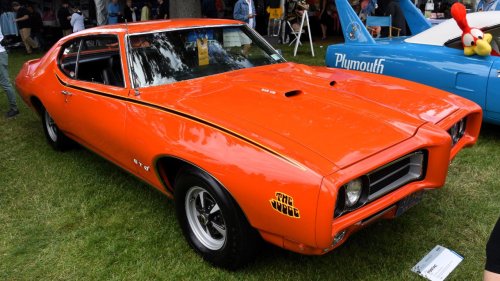
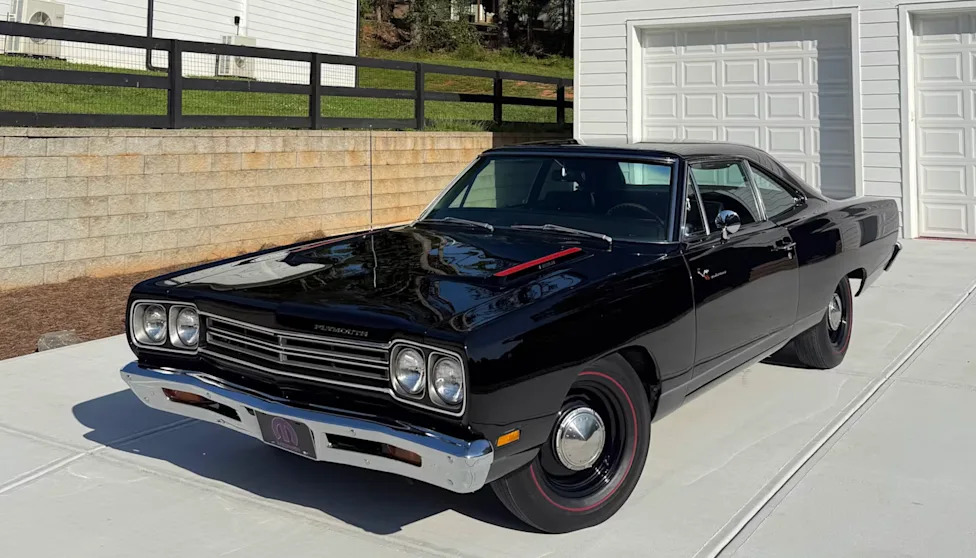
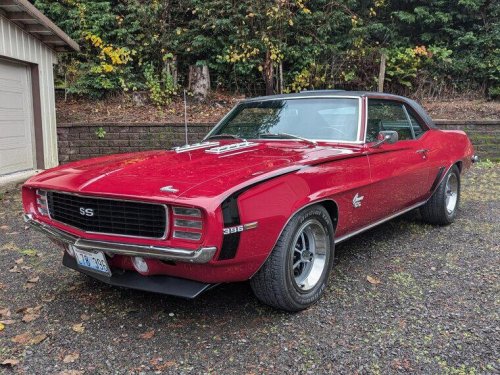
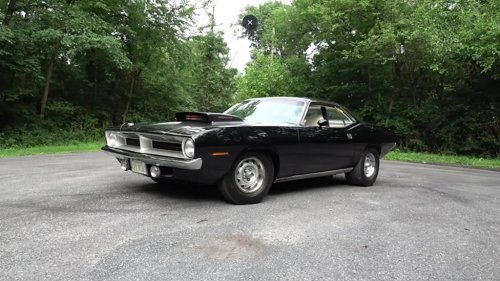
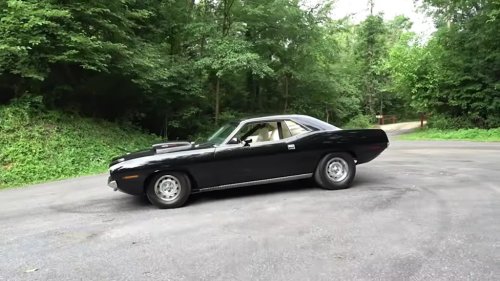
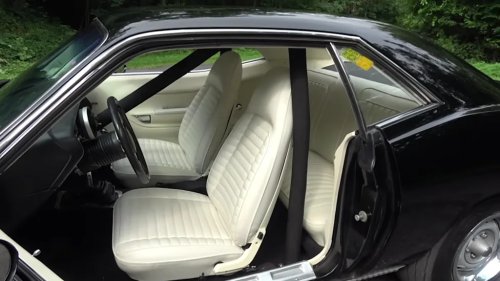
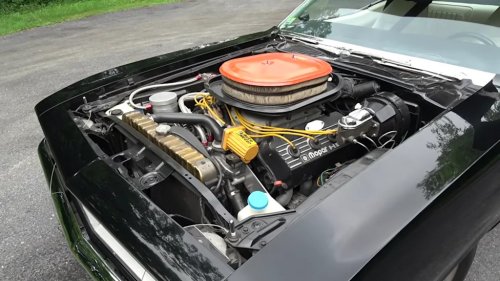
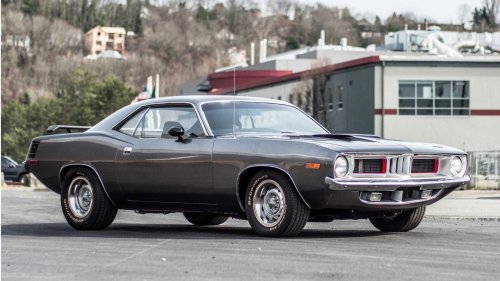
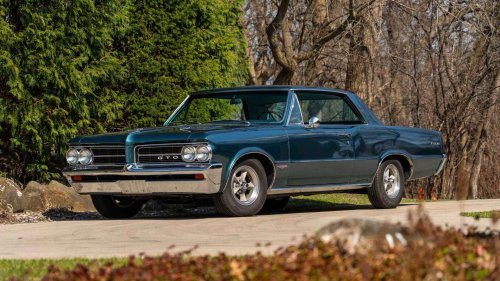
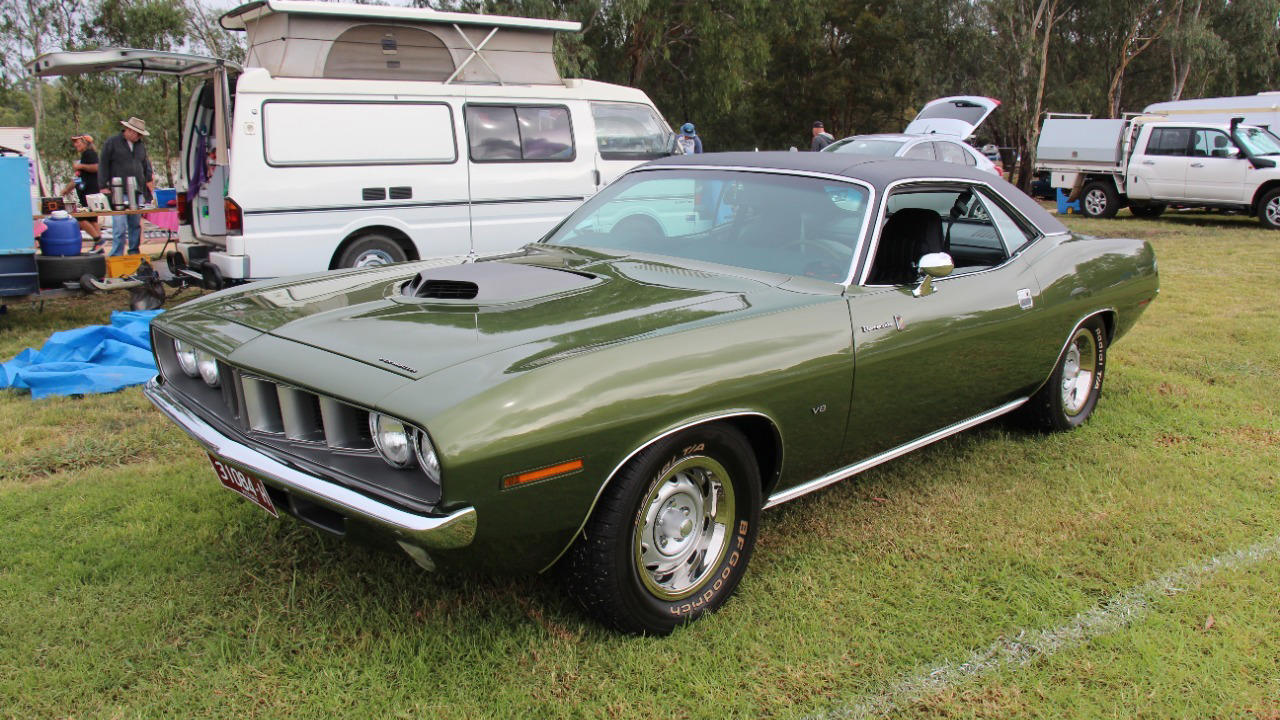
The 1971 Plymouth Barracuda reflected how quickly muscle cars were losing powerThe 1971 Plymouth Barracuda arrived as one of the loudest statements of Detroit performance, yet it stood on the edge of a cliff. Beneath its shaker scoops and billboard stripes, the car captured both the peak of late‑sixties excess and the first hints that the muscle era was already running out of road. Within a few model years, the industry would be chasing emissions rules, insurance tables and fuel economy instead of quarter‑mile glory, and the Barracuda’s brief moment at the top showed how quickly that shift came. The Barracuda at full roar By 1971, Plymouth had spent most of the previous decade turning the Plymouth Barracuda into a pure street fighter. The car shared bones with the Dodge Challenger, but its proportions and options list gave it a distinct personality that enthusiasts still treat as the apex of Mopar. Big block engines, wild colors and cartoonish graphics were not just marketing gimmicks; they were the natural result of manufacturers chasing bragging rights in the showroom and on the drag strip. Contemporary fact sheets describe the 1971 model year as a turning point for the Plymouth Barracuda. The car’s General Year Information highlights how this Barracuda stood apart visually, including the only year that the Barracuda carried four headlights. Styling signaled aggression, from the deeply sculpted grille to the optional hood cutouts that framed the shaker scoop. Buyers could still order serious engines, yet under the surface, the regulatory and economic pressures that would soon choke those options were already in motion. Why 1971 felt like a high point and a warning Enthusiasts often remember the early seventies as a blur of big cubic inches and tire smoke, but the timing of the Barracuda’s peak matters. Discussions among owners and historians about why the American muscle cars suffered downfalls specifically in 1971 and 1974 tend to circle the same cluster of causes. Federal emissions rules were tightening, fuel prices were rising, and safety and insurance pressures were starting to bite. The Barracuda arrived in that headwind just as manufacturers were being forced to rethink how much power they could realistically sell. Earlier in the decade, the industry had been locked in a horsepower contest that pushed big block engines to extremes. One period account of the muscle car wars describes a 7.4 liter V8 engine rated at an “earthshattering 450 horsepower,” a figure framed as a definitive answer to the so‑called Muzak wars in the marketplace, with the specific numbers quoted as 7.4 and 450. That context helps explain why the 1971 Plymouth Barracuda looked so extreme. It was built for a world that still believed ever larger outputs were not only possible, but necessary. Insurance, safety and the quiet clampdown Even before emissions and fuel crises fully reshaped the market, safety and insurance forces were already pushing muscle cars into a corner. Commenters in enthusiast groups point out that as quarter‑mile times dropped, Safety legislators took notice and began tightening crash and equipment standards. At the same time, insurers recalculated risk and started charging sharply higher premiums for high‑horsepower models, especially those marketed directly at young drivers. For a car like the 1971 Plymouth Barracuda, this double squeeze had immediate consequences. Buyers who once might have stretched for a big block now had to reckon with insurance bills that could rival their monthly car payment. Dealers reported growing interest in smaller engines and more sedate trims, even as Plymouth continued to advertise the Barracuda as a no‑compromise performance machine. The car’s visual aggression increasingly masked a quieter reality under the hood. Emissions rules and the coming Malaise era The deeper structural shift that would sap the Barracuda’s power was regulatory. Federal emissions standards grew stricter at the start of the seventies, and automakers scrambled to add early catalytic devices, retune ignition timing and lower compression ratios. According to the analysis of the Malaise era, the technology simply did not exist at scale to meet these requirements while keeping the same horsepower levels. Carburetors, cam profiles and combustion chamber designs that had been optimized for power suddenly had to serve emissions first. That period, labeled by some as the Malaise era, is described across multiple languages and perspectives, including discovered German commentary, Spanish coverage of the Malaise in the automotive industry and Italian discussion of the Wikipedia term. Russian analysis of the discovered American automotive crisis extends the story into the late seventies and early eighties. Across these accounts, the pattern is consistent: performance ratings fell sharply in a short span, and many nameplates that had defined the muscle era either disappeared or returned with far milder personalities. Seen against that backdrop, the 1971 Plymouth Barracuda looks less like a starting point and more like a last stand. The car still carried the swagger of sixties engineering, but it was already being engineered under new rules that would soon make its most extreme versions impossible to sell nationwide. From big blocks to tamer options The shift in engines that followed 1971 explains why enthusiasts often treat this Barracuda as a dividing line. Performance historians tracking the early seventies note that some high compression big blocks vanished entirely, while others returned in detuned form. A discussion of high-performance options for 1971 points out that the 383 cubic inch V8, which had become famous in the Plymouth Road Runner, was still a key offering, with the note that “Likewise, the 383 was the top engine available” in some intermediate models. The reference to Plymouth Road Runner and the precise figure 383 underlines how central these engines had been to the muscle formula. By the mid seventies, many of those legendary displacements had either shrunk or been retuned. Analysts who trace the end of the muscle era often point to 1974 as a symbolic closing chapter. One widely cited example is the way the GTO, once an icon of big block power, finished its original run with a 350 V8. Commentators describe how “1974 was the last year of the GTO and ended the era with a 350 V8 engine,” preserving the number 350 as shorthand for that final compromise. Compared with the wild outputs of the late sixties, this was a clear retreat. The Plymouth Barracuda followed a similar arc. While the 1971 model could still be ordered with serious performance hardware, later versions faced the same compression cuts and emissions equipment that dulled their rivals. Within a short span, the car that had once been sold as The Apex of Mopar Muscle was being asked to serve as a stylish personal coupe rather than a factory hot rod. Design bravado meets shrinking numbers One of the more striking contrasts in this story is visual. The 1971 Plymouth Barracuda looked more aggressive than virtually any earlier version, yet the industry around it was already preparing to step back from performance. The four headlight front fascia, highlighted in the Plymouth Barracuda fact sheet, made the car appear lower and wider. Optional stripes, spoilers and hood treatments reinforced the message that this was a serious machine. Underneath, however, engineers were juggling competing demands. They needed to keep the Barracuda competitive on paper, but they also had to anticipate the impact of new standards that were arriving in stages. That tension helps explain why output figures of the early seventies sometimes look inconsistent across brochures and period tests. Manufacturers were revising ratings as they shifted from gross to net horsepower measurements, while simultaneously making mechanical changes to meet emissions and noise limits. For buyers, the result could be confusing. A 1971 Plymouth Barracuda might look more menacing than a slightly older model, yet the numbers on the spec sheet did not always climb in parallel. In some trims, they were already starting to slip. Enthusiast hindsight and the myth of the last great year Among collectors and restorers, the idea that 1971 represented a final high point has hardened into something close to myth. The phrase The Apex of Mopar Muscle, which appears in modern coverage of the 1971 Plymouth Barracuda, captures that sentiment. The car’s scarcity, combined with its styling and engine options, has turned it into a totem for everything that followed. At the same time, online discussions about why the American muscle cars lost their edge so quickly show that enthusiasts understand the broader forces at work. They point to insurance surcharges, safety legislation, and the oil shocks that would arrive a few years later. The Barracuda did not suddenly lose power because buyers stopped caring about speed. It lost power because the economic and regulatory environment made its original mission harder to justify. That perspective helps temper some of the nostalgia. The 1971 Plymouth Barracuda was not a victim of bad engineering or poor planning. It was a product of a specific moment when Detroit briefly believed that raw output could continue climbing indefinitely, only to be confronted with a new set of rules. The wider fallout across Detroit The forces that reshaped the Barracuda did not stop at Plymouth. The Malaise era label, applied in English and echoed in other languages through the Discovered, Malaise, and Wikipedia entries, describes a broad industry slump in performance, quality perception and consumer enthusiasm. The Russian account of the discovered American automotive crisis extends that narrative into a longer economic story that includes competition from imports and shifts in consumer taste. Performance nameplates across the Big Three either disappeared or retreated into appearance packages. The GTO example, ending its original run with a 350 V8, stands as one clear data point. Other models that had once boasted high compression big blocks now offered small block engines with modest outputs and economy gearing. The pattern was consistent: cars that had been engineered for straight line acceleration were being reconfigured for emissions compliance and fuel conservation. Within that context, the 1971 Plymouth Barracuda’s combination of aggressive styling and still potent engines looks increasingly like an outlier. It was a car built on sixties assumptions, sold into a seventies reality that no longer fully supported them. How quickly the power faded The speed of the transition is one of the most striking aspects of this period. In just a few model years, Detroit went from celebrating engines like the 7.4 liter, 450 horsepower V8 described in the Muzak wars coverage to advertising fuel economy and emissions compliance as core virtues. The 1971 Plymouth Barracuda sat very close to that inflection point. Its engineering still carried the DNA of the horsepower wars, yet its successors would be judged by an entirely different yardstick. Enthusiast discussions of Safety, insurance and regulatory change highlight how compressed the timeline felt on the ground. Owners who bought high performance cars at the start of the decade found that by the time they were ready to trade in, the showroom floor had changed beyond recognition. The Barracuda’s rapid transformation from apex predator to endangered species captured that sense of whiplash. More from Fast Lane Only Unboxing the WWII Jeep in a Crate 15 rare Chevys collectors are quietly buying 10 underrated V8s still worth hunting down Police notice this before you even roll window down


















 +7 others