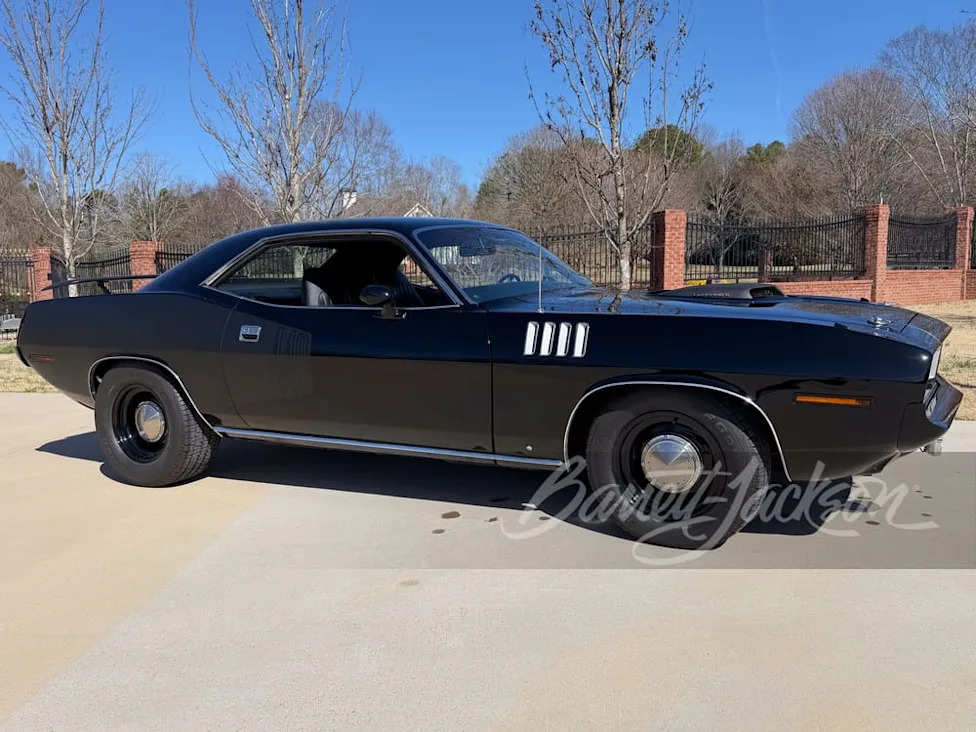
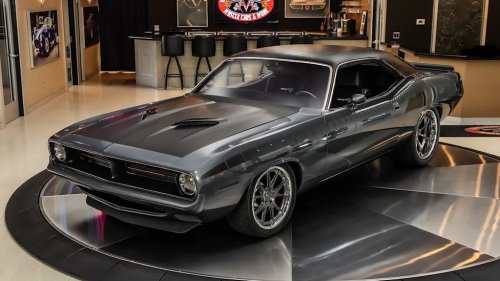
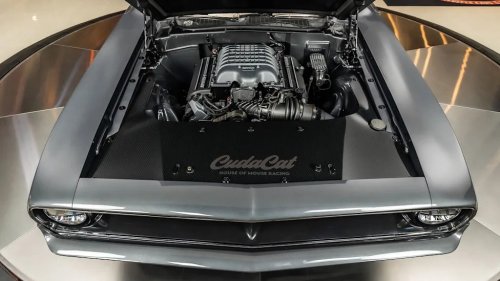
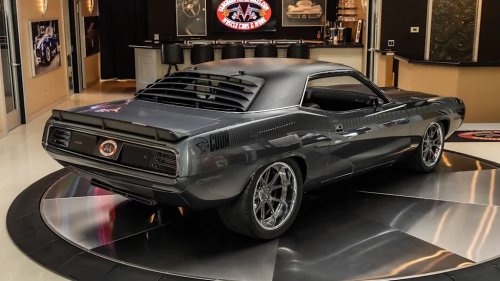
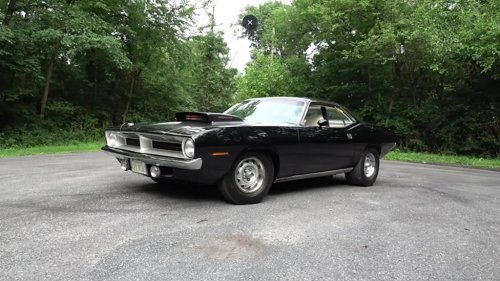
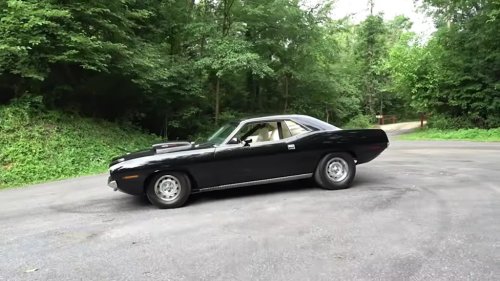
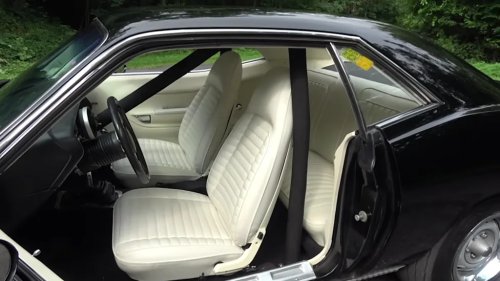
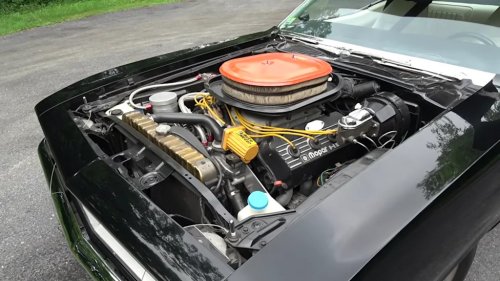
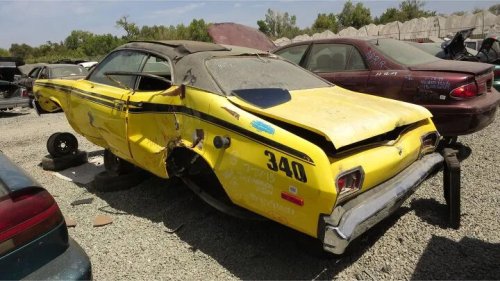
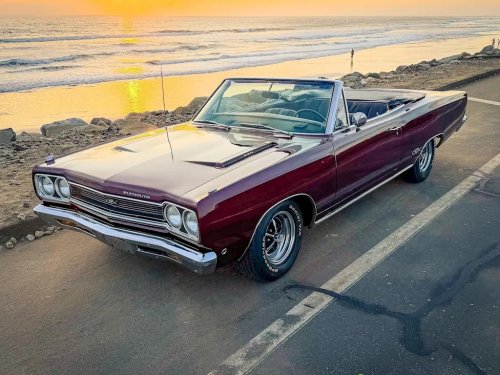
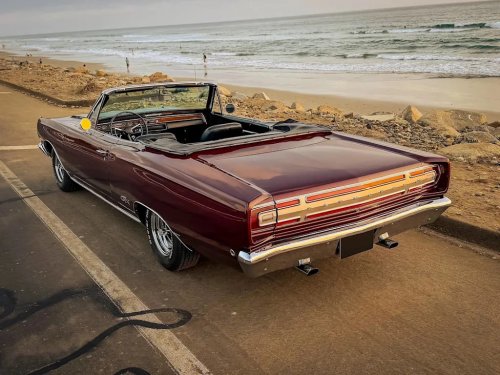
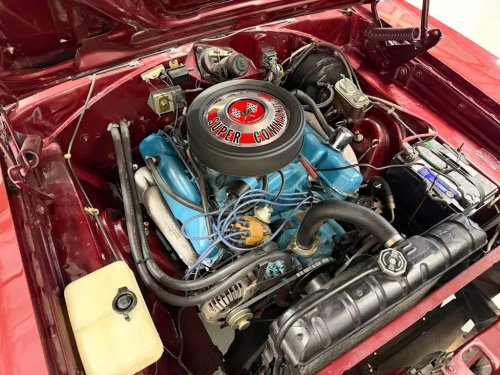
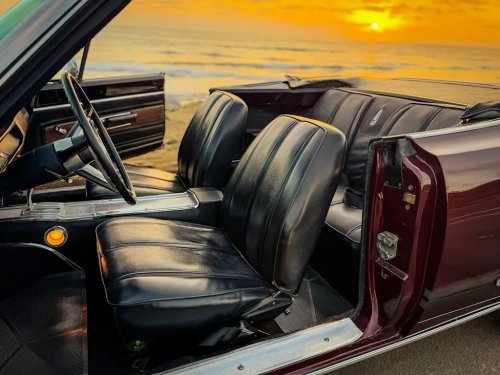
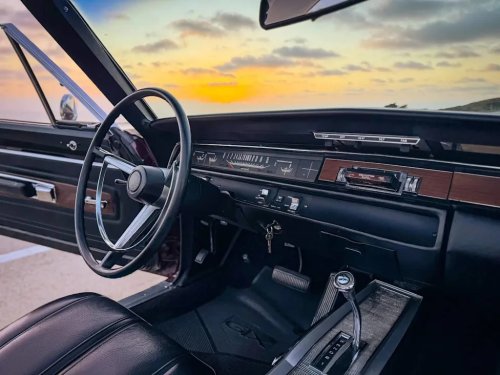
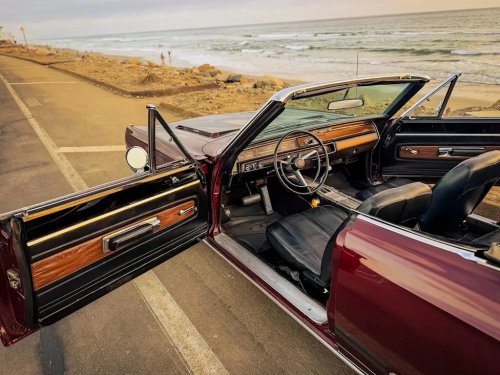
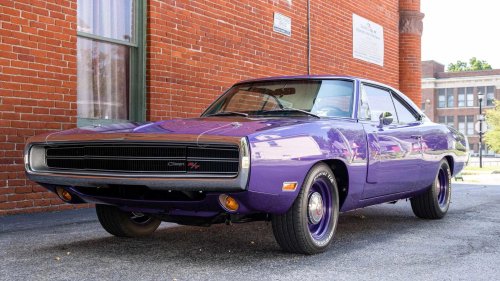
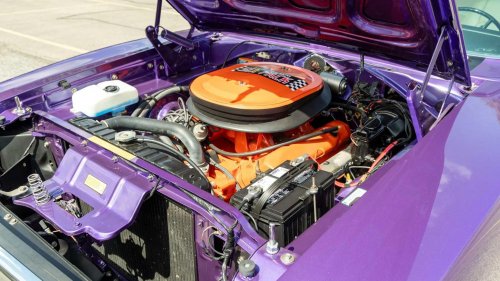
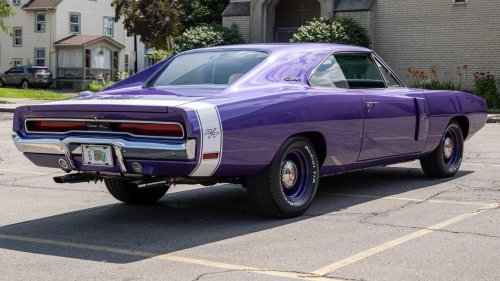
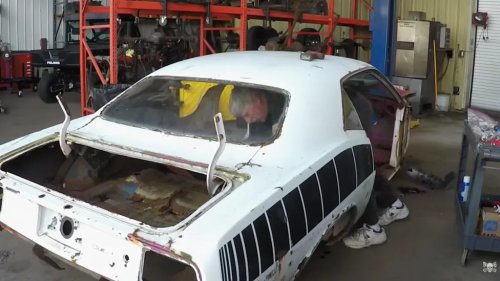
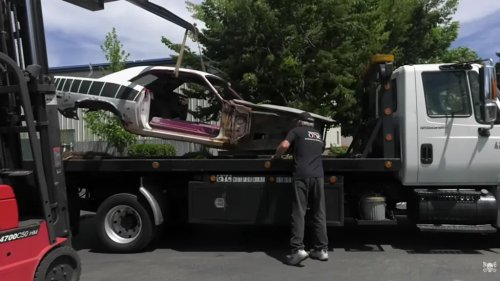
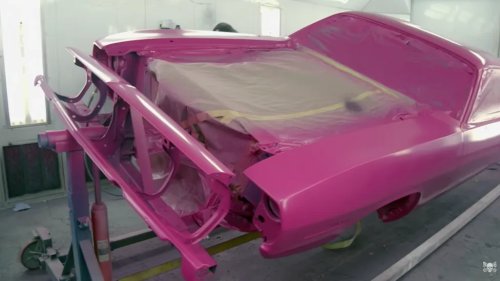
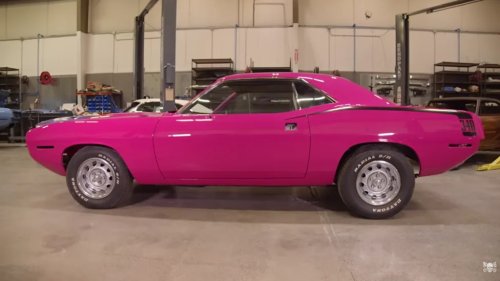
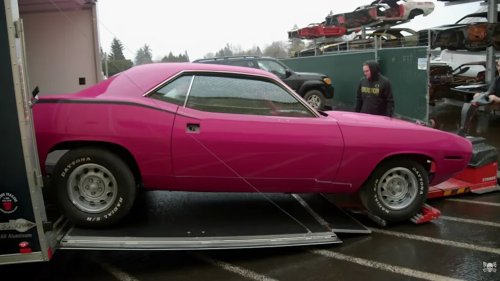
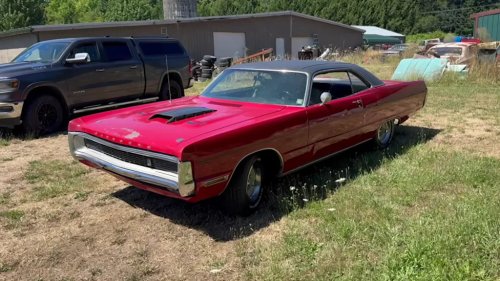
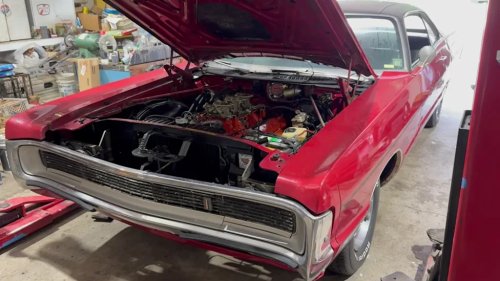
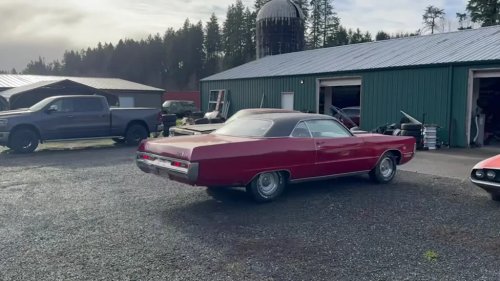
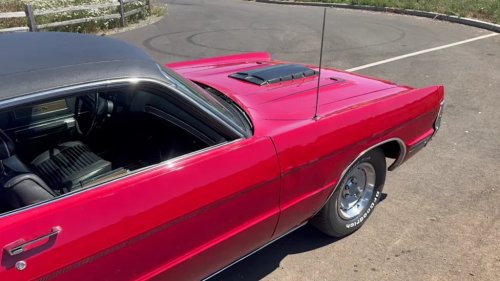
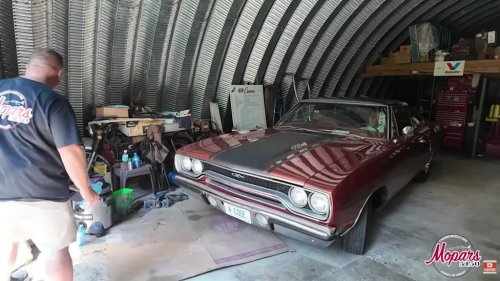
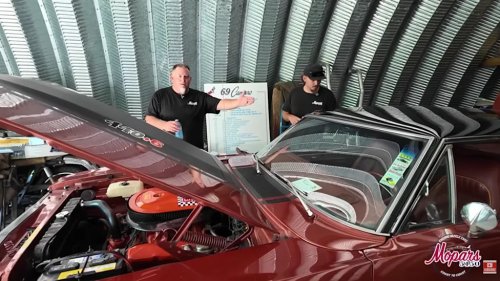
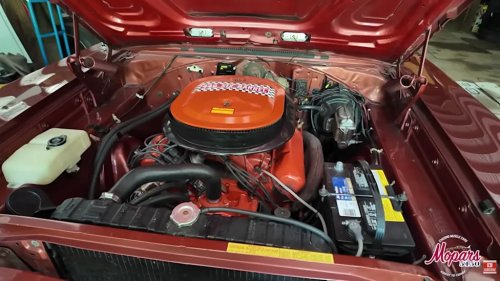
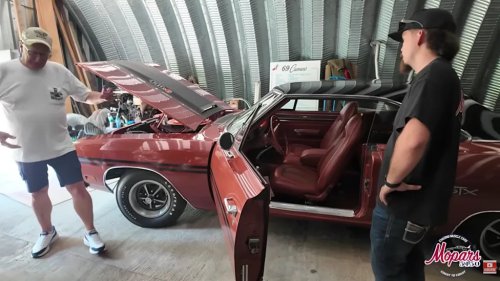
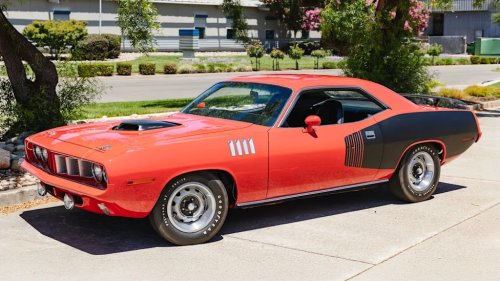
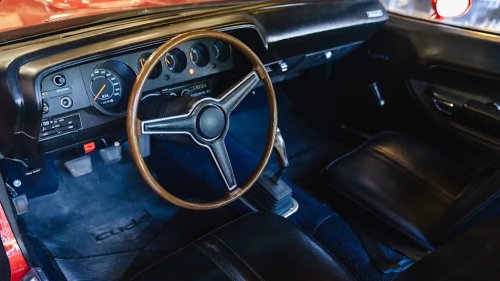
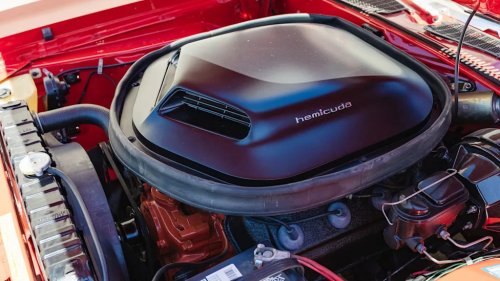
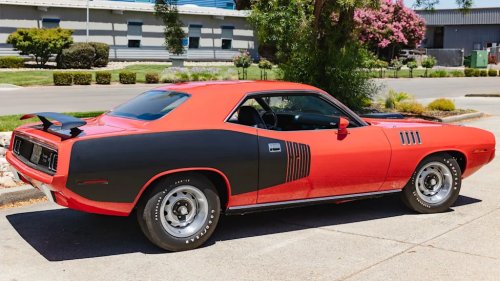
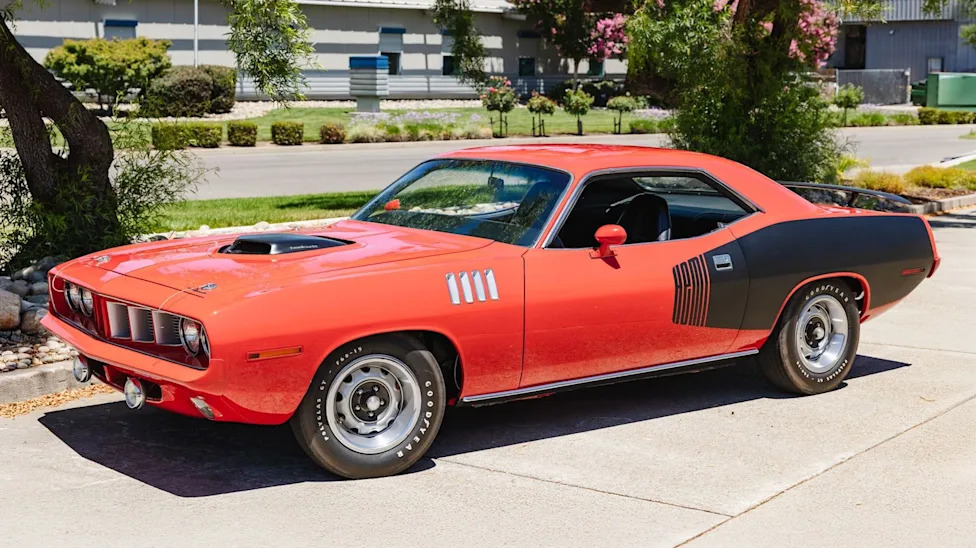
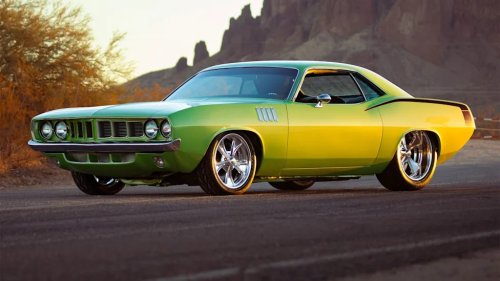
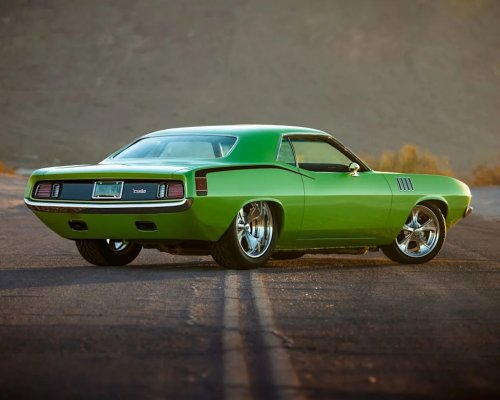
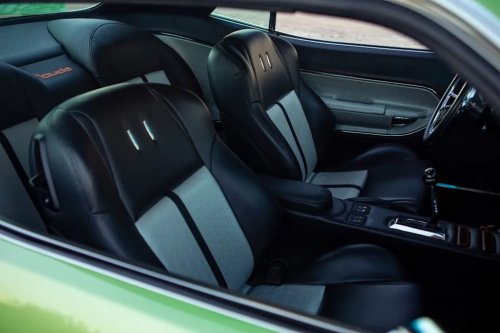
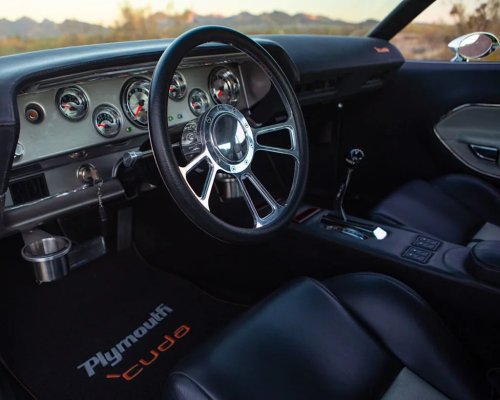
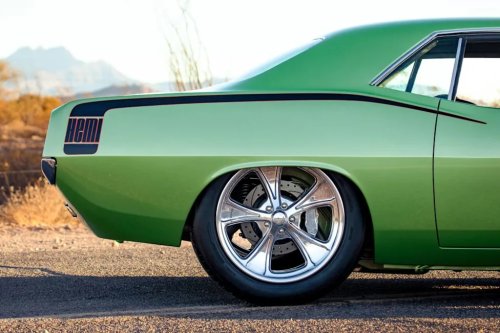
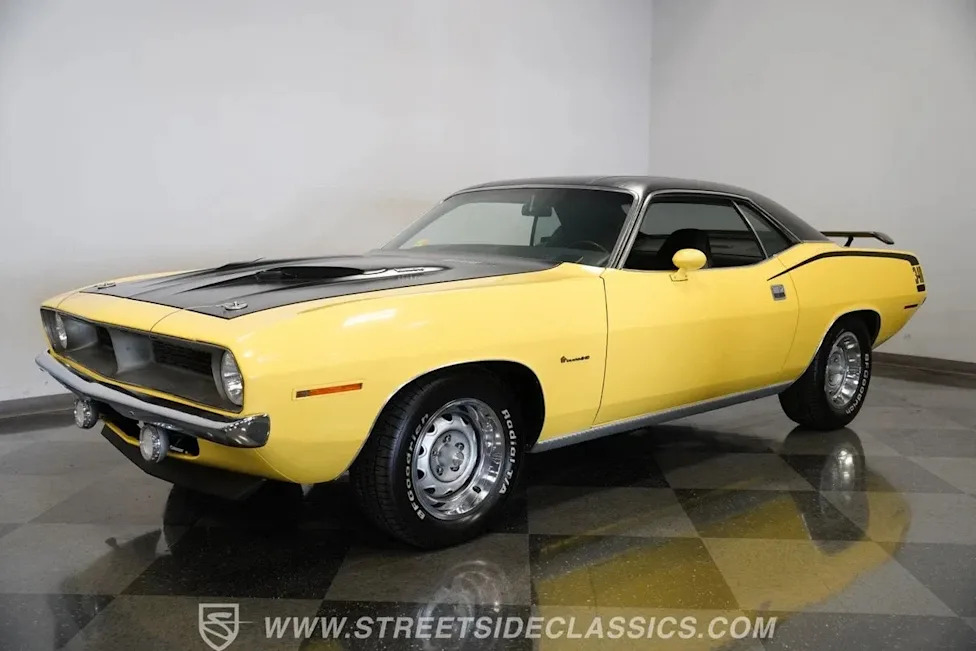
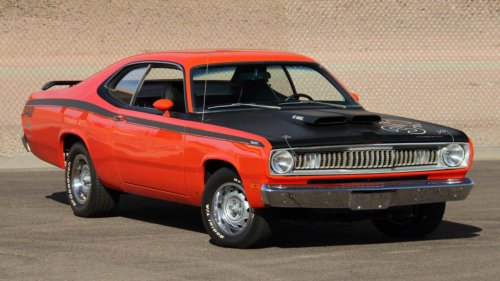
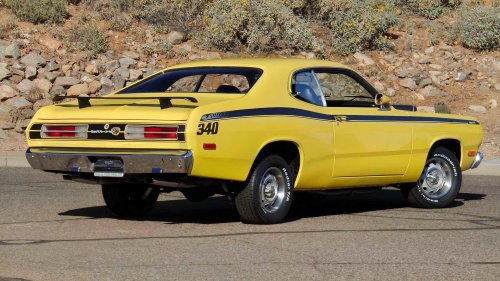
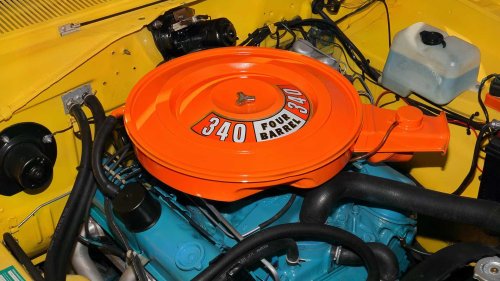
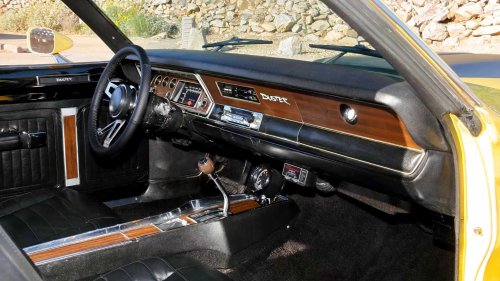
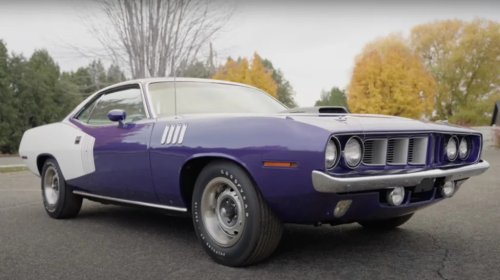
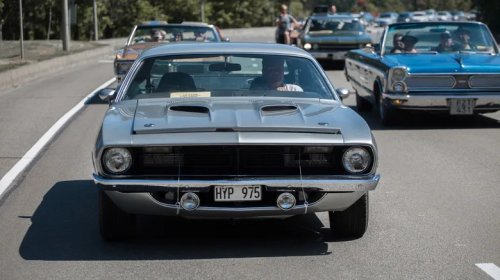
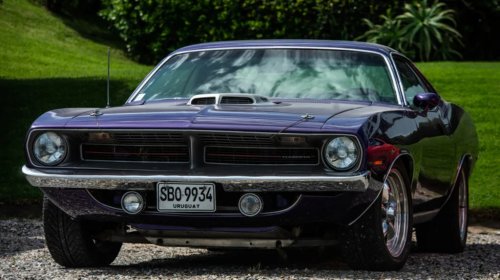
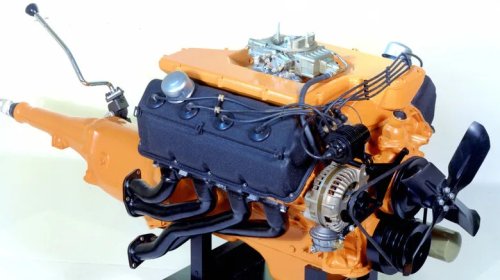
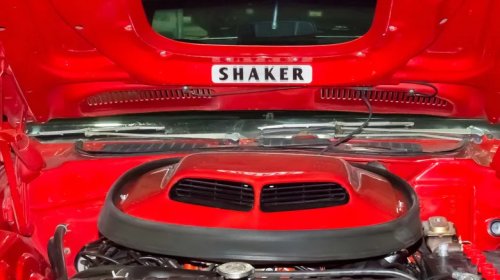
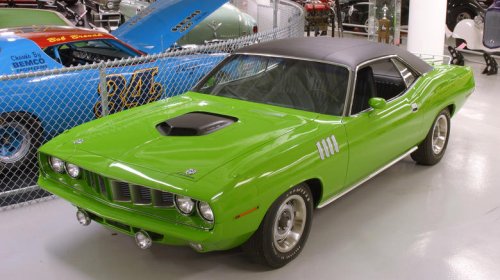
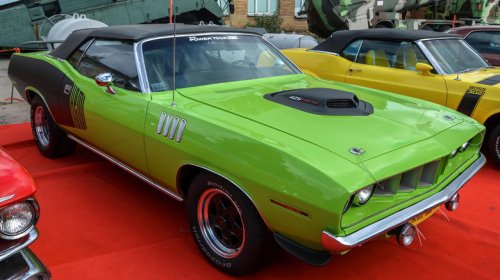
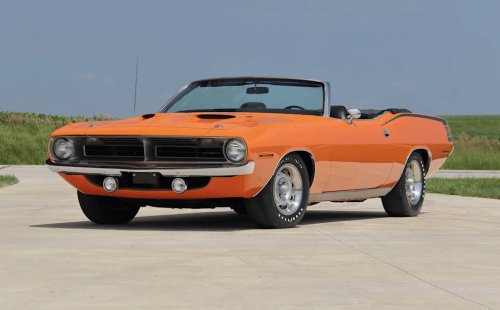
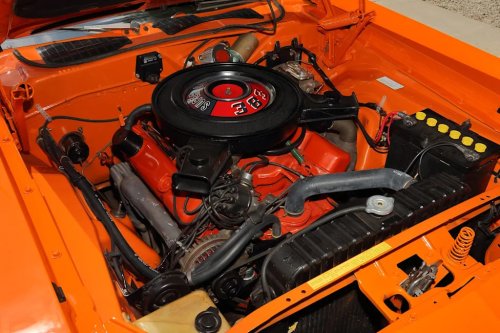
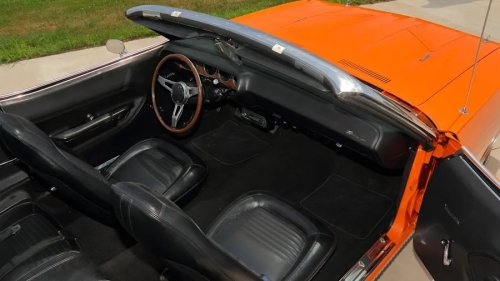
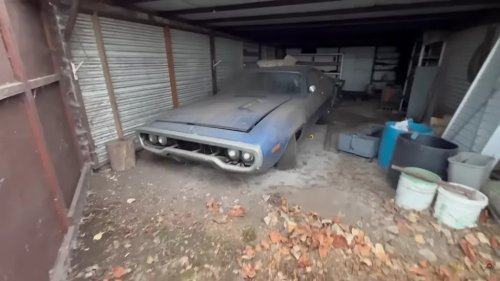
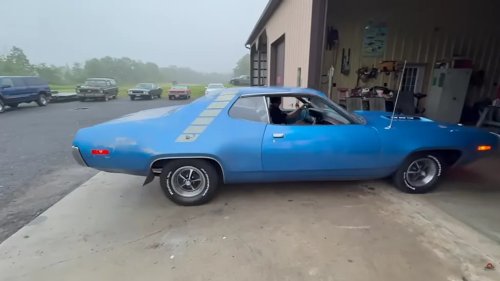
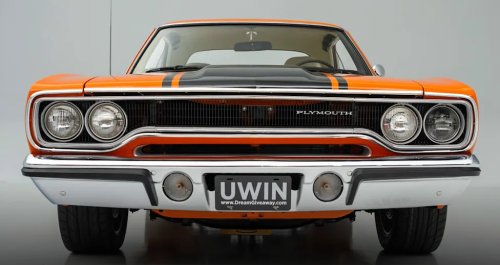
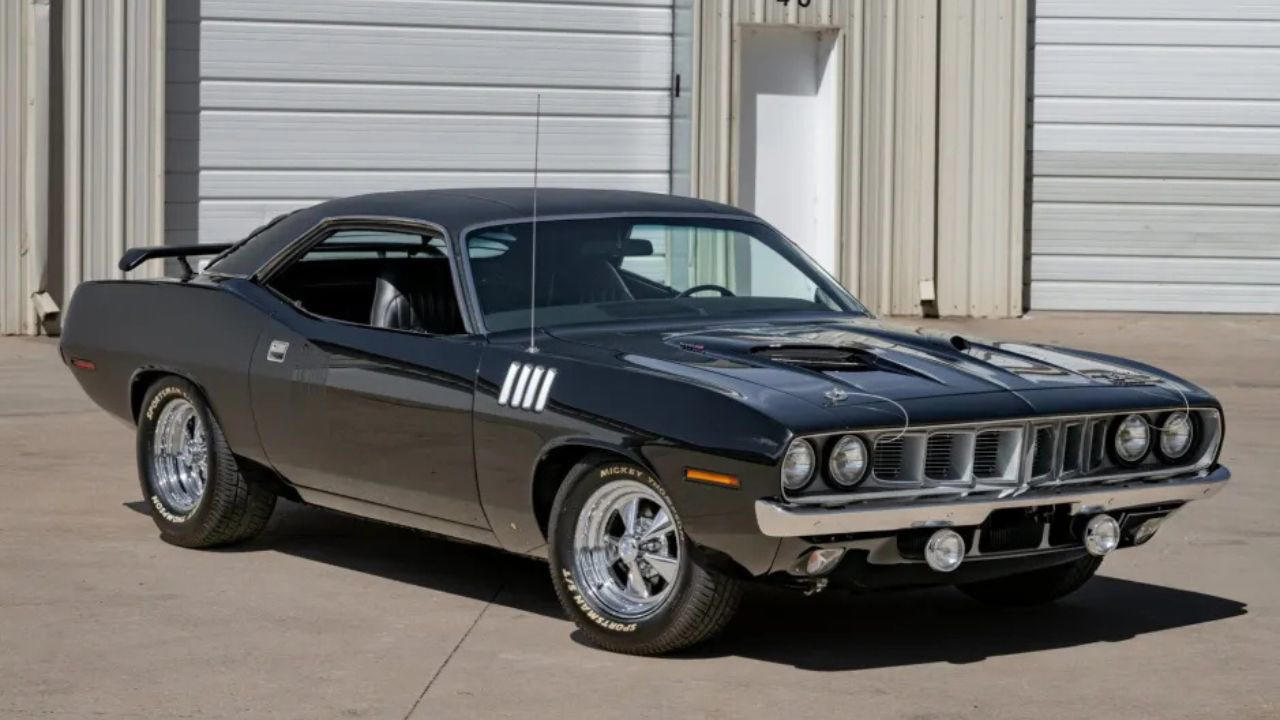
Closing out an era the 1971 Plymouth Barracuda 340 didn’t fade quietlyThe 1971 Plymouth Barracuda 340 arrived just as the muscle car party was being broken up by regulators and insurance actuaries, yet it refused to slink off quietly. With a distinctive face, a rev-happy small block and an options sheet that still read like a street racer’s wish list, it became a final, defiant statement for Plymouth performance. As the Barracuda nameplate neared the end, the 340 version in particular showed how smart engineering and sharp design could keep excitement alive even as the rules tightened. The last wild year for Plymouth Barracuda By 1971, the Plymouth Barracuda was already a familiar sight in American showrooms, but that model year stood apart as a visual and mechanical crescendo. Contemporary accounts describe the 1971 Plymouth Barracuda as the final year of unfiltered muscle before rising insurance premiums and new emissions regulations started to tame big horsepower, a shift that would soon reshape the entire segment. The car carried distinctive quad headlights and a grille shaped to resemble barracuda teeth, details that turned the front end into a rolling threat display. That quad-lamp fascia was more than a styling flourish. It made the 1971 car the only Barracuda generation with four headlights, a one-year-only signature that collectors now treat as a visual shorthand for peak E-body attitude. Chrome simulated fender louvers added more theater on performance-oriented Cuda models, reinforcing that this was still a street machine built to be noticed as much as it was meant to be driven hard. The 1971 season also marked the final appearance of the Barracuda convertible. Just 1,385 convertibles were sold, a modest figure even by period standards and a clear sign that the market was shifting away from open-top muscle. Within that total, 374 cars wore the high-performance Cuda badge, making them some of the rarest Mopar production models of the era. Those numbers help explain why even a well-used 1971 drop-top Cuda can command serious attention and money today. Why the 340 mattered Under the hood, Plymouth offered a menu of engines that ran from a standard small block to fire-breathing big blocks. Buyers could choose everything from the 340-cubic-inch V8 to the legendary 426 HEMI, combinations that kept the Barracuda a serious contender on both street and strip. In that company, the 340 might have looked like the sensible choice, yet it became the enthusiast’s pick for reasons that went beyond raw output. Despite a more modest output of 275 horsepower on paper, the 340 was preferred by many buyers because its lighter weight helped the car feel more agile and less nose heavy. Period coverage points out that this engine gave the Cuda a better balance than the big-block cars, which could feel brutish and front biased when pushed on a winding road. The 340 let drivers enjoy strong acceleration without sacrificing steering response, something that mattered to owners who actually used their cars beyond straight-line blasts. The 340’s character had already been proven a year earlier in the 1970 Plymouth Barracuda 340, which used a high-revving 340 cubic inch V8 to deliver impressive performance with less mass over the front axle. That combination made the 340 Cuda a genuine Mopar gem and set the stage for the 1971 version to carry the same formula into a more aggressive, more distinctive body. The 1971 340 kept that balance of power and poise at a time when the market was starting to punish peak horsepower figures with punitive insurance rates. Design drama and one-year details Styling has always been central to the Barracuda story, and the 1971 cars turned the volume up. Of the four years of the Cuda on this platform, the 1971 model is often described as the most unique. It is the only one to feature a quad-headlight grille and a set of fender gills that some buyers disliked when new but that have become signature cues for Mopar fans. The grille’s resemblance to barracuda teeth, combined with those sculpted gills, gave the car a predatory look that matched its performance intent. That design language extended across the range, but it found its most dramatic expression on the higher-spec Cuda variants. The previously mentioned chrome simulated fender louvers were not functional, yet they visually linked the car to racing hardware and helped it stand out in crowded dealer lots. These flourishes reflected an era when visual aggression sold cars as effectively as horsepower ratings. On the most extreme factory builds, Plymouth paired this body with serious hardware. One standout example is a 1971 Cuda convertible fitted with a 440 Six Barrel engine, one of only 17 such convertibles built. Finished in GY3 Curious Yellow Hi Impact Paint and ordered with front and rear elastomeric bumpers, that car is described as the only V-Code convertible Mopar produced in that color and configuration, effectively a one-of-one. Its 440 cubic inch V8 with Six Barrel carburetion was rated at 385 horsepower and fed by three 2-barrel Holley carburetors, backed by heavy-duty suspension and either a four-speed manual or TorqueFlite automatic. Even within the shrinking pool of early seventies muscle, that specification reads like an unapologetic last stand. Small block versus big block character The existence of such 440 Six Barrel cars highlights the split personality within the Barracuda line. On one side stood the big-block monsters, like the 440 and the 426 HEMI, built for maximum straight-line speed and bragging rights. On the other sat the 340, which gave away displacement but fought back with lighter weight and a willingness to rev. Enthusiasts who valued handling and balance often gravitated to the 340, accepting the lower rated output because the car felt more eager and responsive on real roads. Some period observers have also argued that published horsepower figures for these engines were conservative. One account points out that Chrysler told the insurance companies it only made 275 horsepower, followed by a blunt assessment that this rating was understated and that the engine was stronger than the paperwork suggested. The comment concludes with a simple “Yeah” before describing the factory number as “total nonsense,” capturing the gap between official figures and real-world performance. That tension between stated output and actual capability fed into the 340’s mystique. Owners could enjoy a car that looked reasonable on an insurance form yet delivered performance that felt much closer to the big-block cars than the numbers implied. In a period when insurers were starting to scrutinize every horsepower rating, that discrepancy became a quiet advantage. Regulations close in While the Barracuda 340 was making its case on the street, forces outside Plymouth’s control were reshaping the market. The same pressures that made the 1971 Plymouth Barracuda the last year of unrestrained muscle were already pushing manufacturers to dial back compression ratios and power outputs. Those changes became even more visible in related models. One clear example appears in the 1972 Plymouth Duster 340 small block. A recent feature on that car explains that power dropped from 275HP in 1971 to 245HP in 1972 because of government and insurance regulations, with compression falling from 10.1:1 to 8.5:1. Even with those reductions, the Duster 340 remained a quick and nimble mid-size muscle car, but the direction of travel was obvious. The same forces were bearing down on the Barracuda line and would eventually help end production entirely. The 1971 Barracuda 340 therefore occupies a narrow window. It arrived after the peak late sixties horsepower wars but before the full impact of emissions controls and insurance crackdowns. That timing allowed Plymouth to sell a car that still felt like a true muscle machine, yet it also meant the model was almost immediately caught in a tightening regulatory vise. From street fighter to auction star The afterlife of these cars in the collector world underscores how their reputation has grown. At one major auction earlier this decade, a 1971 Plymouth Barracuda resto-mod nicknamed Striker drew attention as a heavily reimagined take on the original formula. Coverage of that event noted that, under the hood, buyers in period could select engines ranging from the standard 340-cubic-inch V8 to the 426 HEMI, and that this breadth helped make the Barracuda a serious contender on the street and track. The Striker build leaned into that heritage while updating nearly every mechanical system. Elsewhere, unrestored survivors keep surfacing to remind enthusiasts how special the original cars were. A widely shared barn find story described a 1971 Plymouth Cuda packed with legendary Mopar factory equipment, emphasizing again that of the four years of the Cuda on this platform, the 1971 model is the most unique thanks to its quad-headlight grille and controversial styling. That car, coated in dust and time, still carried the presence that made the model such a standout when new. High-spec big-block examples continue to attract intense interest as well. One video feature highlighted a MOPAR PERFECTION 1971 Plum Crazy Purple Plymouth Cuda powered by a 440 Six Pack, identified as 1 of 108 cars built with that 440ci Six Pack combination. The host called out the “cheese grater” four headlight grille and the fender gills as one-year-only pieces, visual proof that this was the most extroverted Cuda of all. Why the 1971 Barracuda 340 still resonates Within this broader family, the 1971 Barracuda 340 occupies a sweet spot that explains its enduring appeal. It pairs the most distinctive styling of the line with the small block that many drivers actually preferred. The quad headlights, the barracuda-teeth grille and the fender gills give it immediate visual drama, while the 340’s 275 rated horsepower and lighter weight make it feel alive without the nose-heaviness of a big block. For drivers who value a car that can carve a back road as well as light up a drag strip, that combination remains compelling. The model also serves as a case study in how regulation and market forces can reshape performance cars without erasing their character overnight. The 1971 Barracuda 340 was already living on borrowed time, yet Plymouth still managed to deliver a machine that looked wild, sounded angry and moved with real authority. The following years would bring lower compression, softer power ratings and eventually the end of the Barracuda name, but this car captured a final moment of relative freedom. Evidence of that legacy appears across enthusiast culture. Auction listings for cars like the 1970 Plymouth Barracuda 340, which was powered by a high-revving 340 cubic inch V8 and often paired with an automatic and Vintage Air, routinely describe the model as a Mopar gem. Social feeds that spotlight barn finds, resto-mods and survivor cars keep returning to the 1971 shape, especially in high-impact colors such as Curious Yellow or Plum Crazy Purple. Even short clips, like a Car Show Episode that revisits the Duster 340’s power drop from 275HP to 245HP, use those numbers to frame how special the earlier, less restricted cars were. More from Fast Lane Only Unboxing the WWII Jeep in a Crate 15 rare Chevys collectors are quietly buying 10 underrated V8s still worth hunting down Police notice this before you even roll window down

















 +2 others