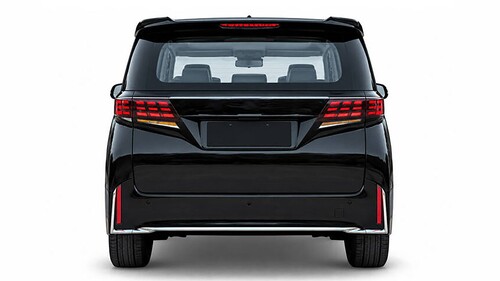
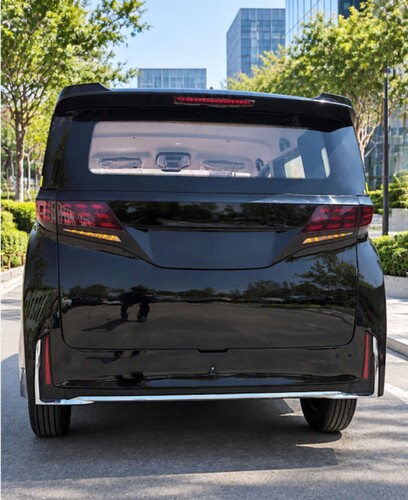
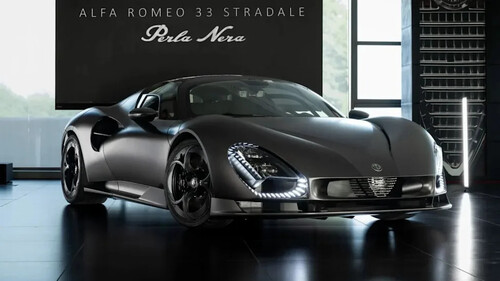
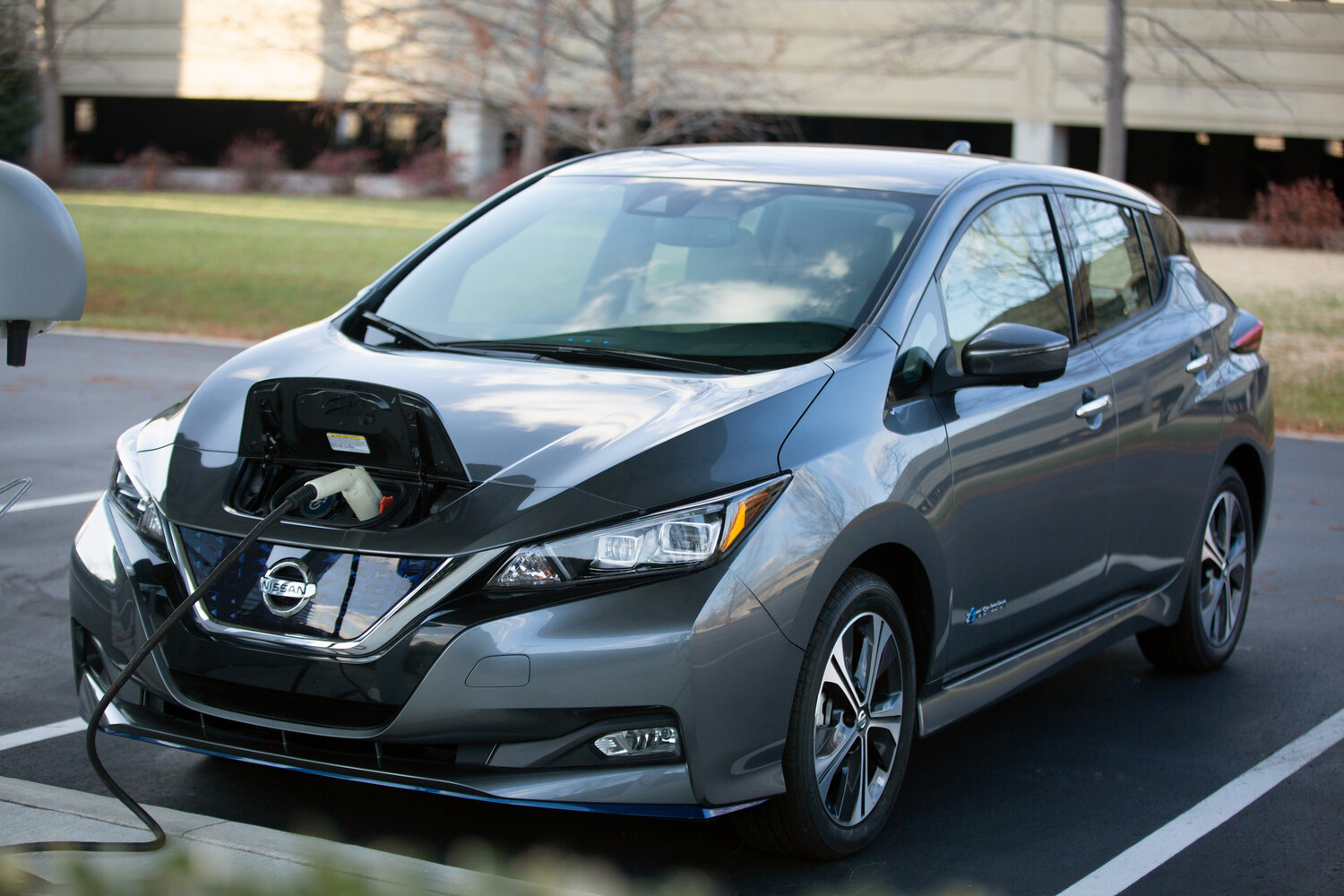
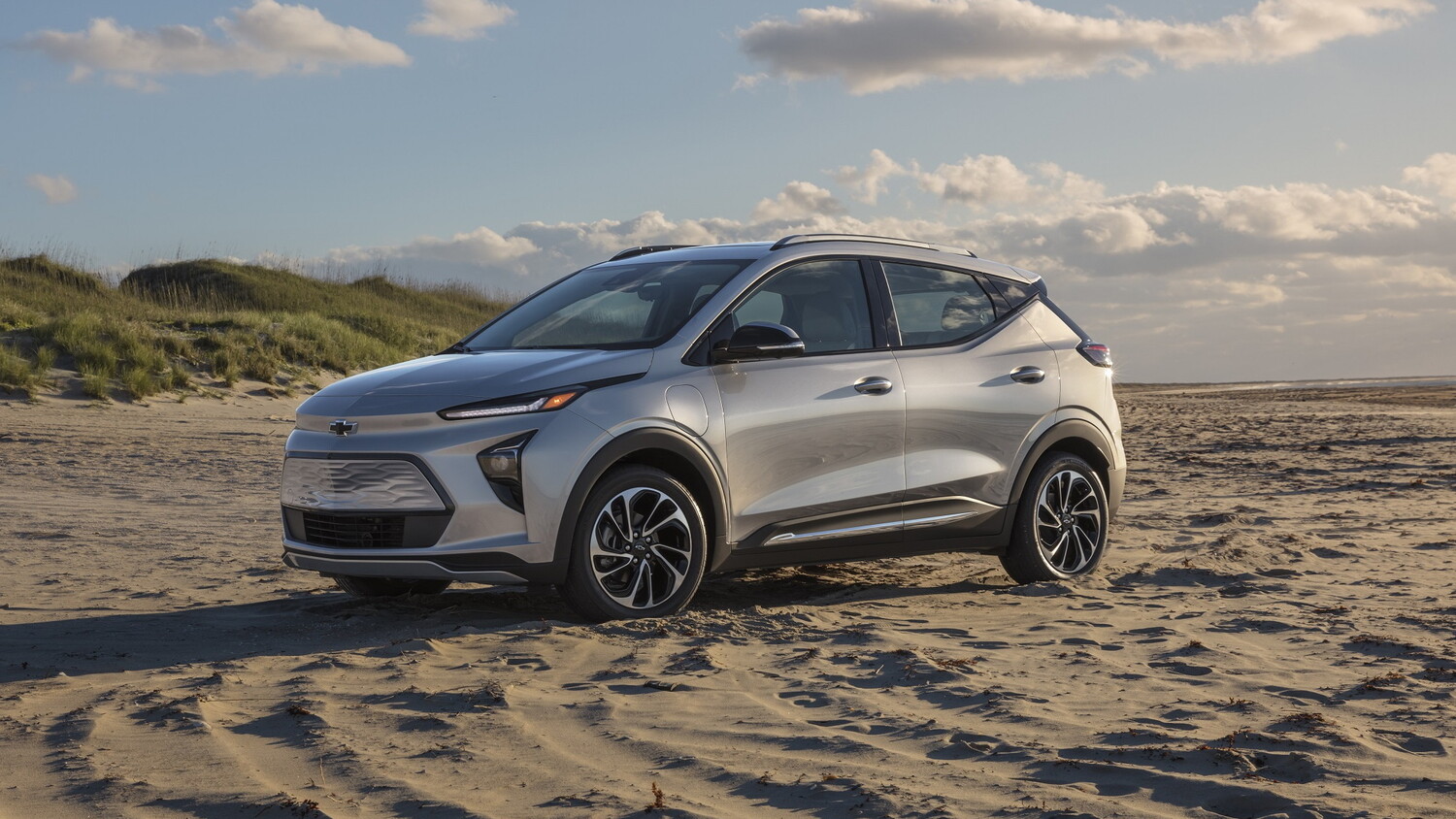
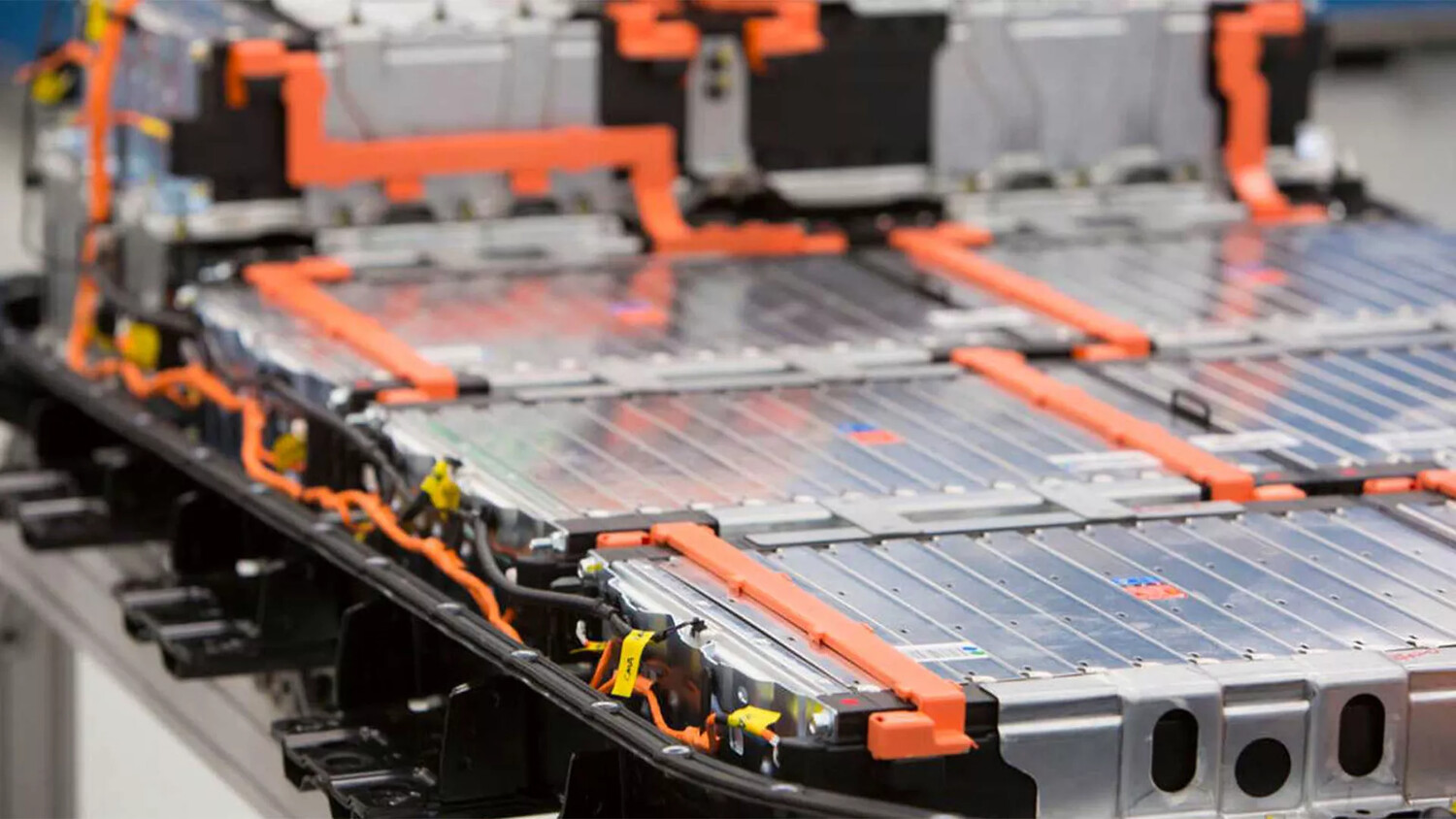
Zoë Walker · 5 months ago@zoewalker18Used EVs Look Like A Steal, Until You Pay Repairs And Insurance Premiums Liked by+2 othersPost commentRelated PostsThis Ferrari F512 M Looks Like a Koenig Specials Build, but It’s a Japanese One-OffOwen Girard · 13 days agoNew Vauxhall Astra really will look like this! Estate shape to beat ‘inefficient’ SUVsCaleb Campbell · 13 days agoDoes your car actually need premium gas, or are you paying for nothing (or worse)? 87 · Samuel Turner · 6 months agoOne-Off Ferrari F512 M Looks Like an F40 After a Wild MakeoverMorgan Walker · 13 days ago'Seriously Though How Does It Know?': Woman Pays For 'Premium' Car Wash. Then Driver Behind Her Selects 'Basic' 70 · Nathan Wilson · 8 months agoI really want Jaguar’s new Type 01 to succeed — but the $130,000 EV looks worryingly like a Miami Pink elephantAmelia Pelletier · 18 days agoJaguar's Controversial Type 01 EV Looks Like A '40s Gangster Car Built For The Modern Electric EraHenry Carter · 18 days agoJaguar's controversial Type 01 EV looks like a comic book villain would drive itLily Fortin · 18 days agoJaguar Type 01 finally gets its full reveal – and it still looks like it's from another planetVictoria Young · 18 days agoThe Jaguar Type 01 Won't Be The Only Model To Look Like ThisBenjamin Anderson · 18 days agoThe Toyota Previa May Return to Our Shores. This is What It Could Look LikeDaniel Anderson · 18 days agoThis Skoda Sedan Looks Like A Baby Octavia But Starts From $10kEthan Mitchell · 19 days agoNext-Gen Kia Sportage Is Looking More Like a Smaller TellurideSophie Carter · 21 days agoWith This Ferrari GTO Re-Creation on BaT, You Don’t Need a Million to Look Like a MillionJacob Côté · 21 days agoIt Looks Like A Toyota Minivan But It’s Actually An EV With 5 HPGrace Wilson · 21 days agoAlfa Romeo Unveiled One-Off 33 Stradale Perla Nera — Looks Like An Italian BatmobileSarah Moreau · 23 days agoReach Stackers Look Like A Hydrogen Use Case. Ports Are Buying Batteries.Jenna Brown · 24 days agoThe Next Lotus Won’t Look Like This, But It Should 12 · Parker Bouchard · 24 days agoIt Looks Like A Normal Mazda MX-5, But It Actually Has A Ford V6 90 · Matthew Walker · 25 days agoI Drove the 2027 Chevrolet Bolt RS. It Doesn't Look or Drive Like America's Cheapest EV 93 · Henry Leblanc · 25 days ago




 +2 others