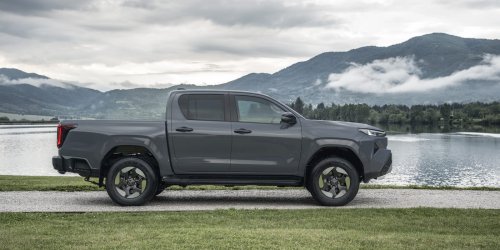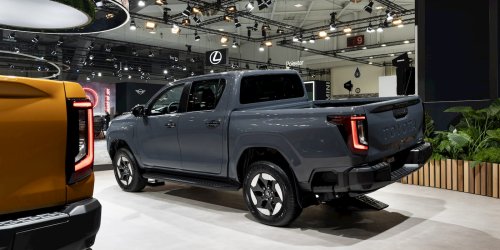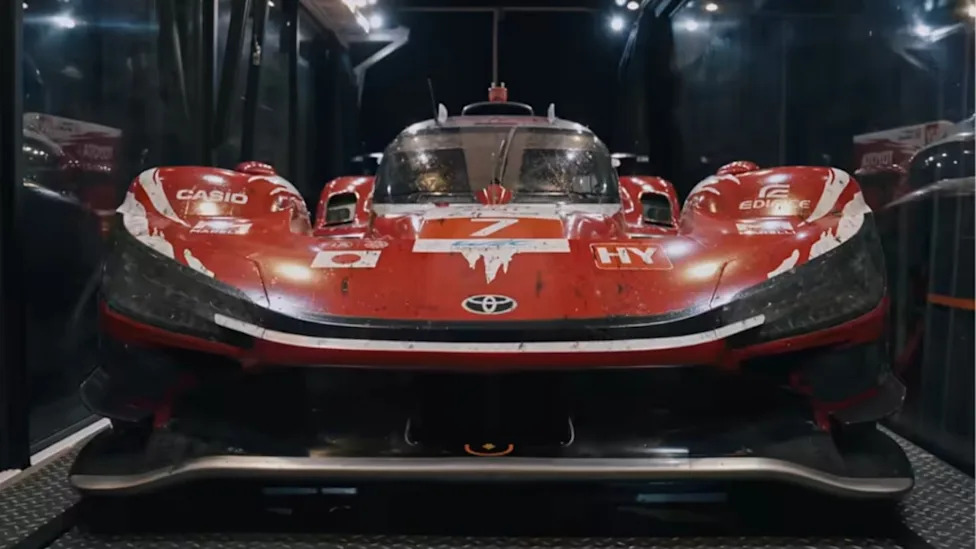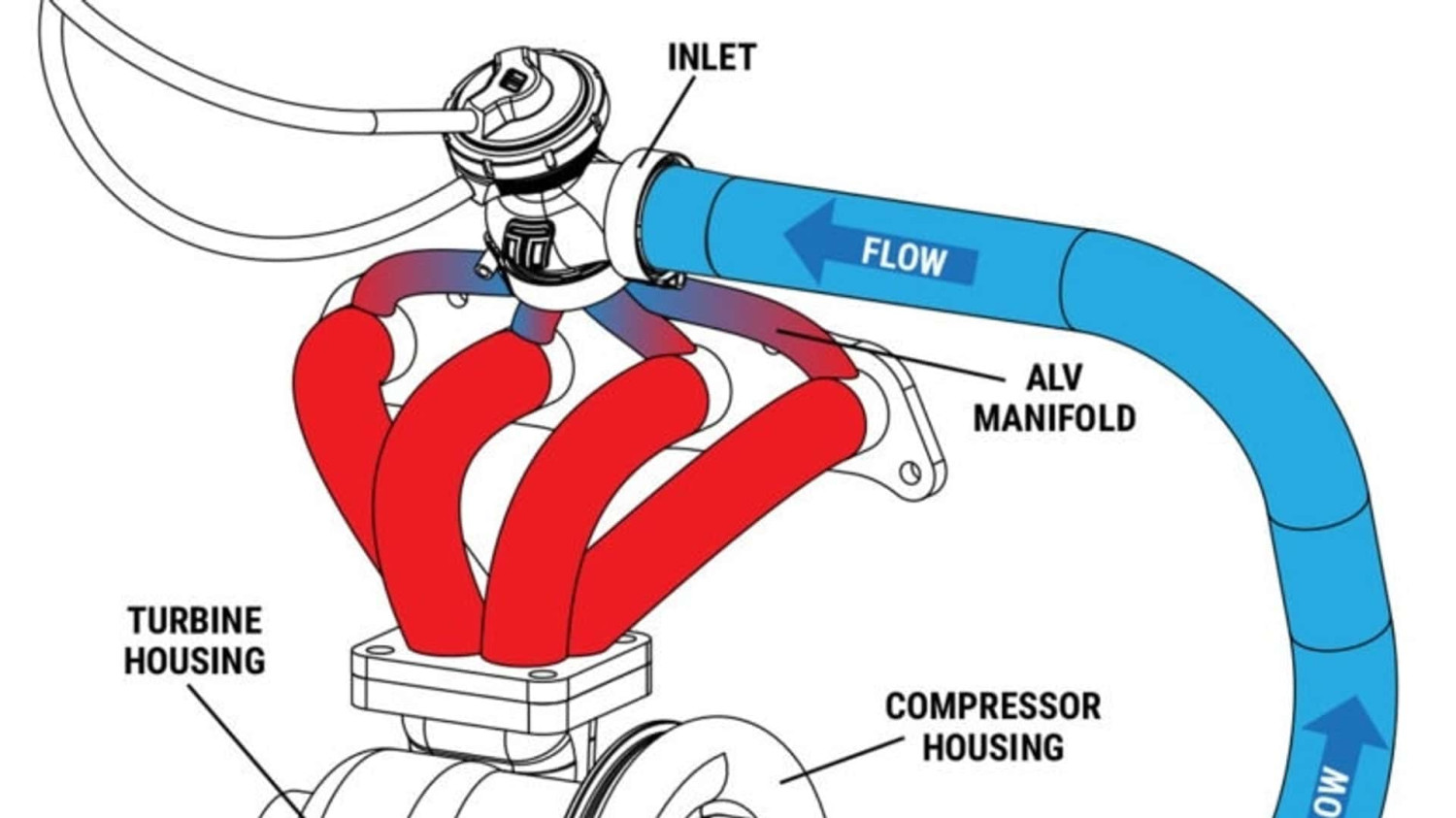
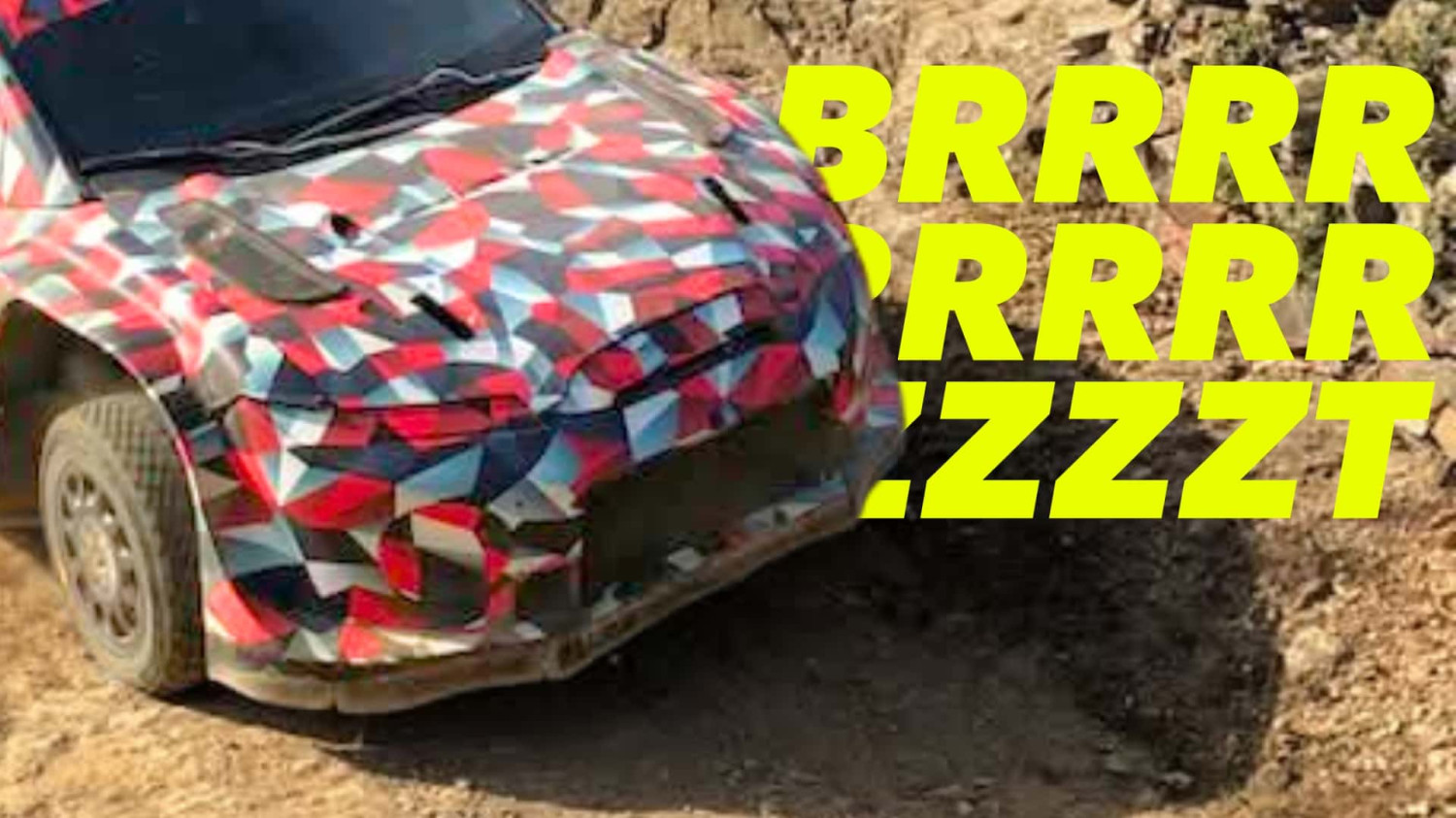


















There’s some new footage out there showing what we think is Toyota’s new WRC rally car. Even though the prototype is still plenty stubby and very funny-looking, it’s definitely not a Yaris or Corolla hatchback (hell, maybe it’s a reborn Echo). To my eye, it sure looks like it could be the long-rumored return of the Celica—but we’ll just have to wait and see. The thing that struck me the most, though, was the sound. Buzzy, brrrrrrzzzzt chainsaw noises are audible in the few videos posted to social media (which you can see below). The question is: What the hell is going on here? Let me explain what might be happening. Anti-Lag One of the most famous features of any rally car, perhaps ever, is the anti-lag system. Basically, it keeps the turbocharger spooled at all times, especially off-throttle. Anyone who’s driven a turbo car will know that famous phrase "turbo lag;" anti-lag eliminates that. Back in the day, anti-lag systems (ALS) were pretty intense pieces of hardware. The intake would route fresh air to a valve on the exhaust manifold, and on command (usually throttle lift-off), the valve would open and feed air into the exhaust manifold, keeping the turbo spinning. The ECU also delayed ignition timing as much as possible while simultaneously injecting fuel. The timing would ensure that very little power reached the actual crankshaft, because the pistons and cylinders were far beyond their ideal combustion conditions, even though combustion would still occur, providing energy to the turbo. More modern systems with electronic throttle bodies, by comparison, mix in more air by opening the throttle body off-throttle and further managing deceleration with timing. An air injection anti-lag diagram. One of the defining features of ALS was the pops and bangs that rally fans used to love, especially on upshifts. Since it used timing instead of throttle to cut torque, the fuel being injected would create gnarly fireballs and explosions. It was sick. What Modern WRC Uses & Why It Sounds That Way That mechanical style of air-injection ALS was banned long ago, and the modern Rally1 ruleset explicitly disallows it, which means the WRC Celica/Echo shouldn’t have it. So why does it sound like it does? Well, that’s because the tech has caught up. Even without air injection, ALS can still function extremely well with non-rally race cars. Even turbocharged GT3 cars like the BMW M4 GT3 have ALS. Instead of air-injection, the ECU simply does everything mentioned above—plus extra throttle body trickery. Basically, what you’re hearing with Toyota’s mystery WRC car is the throttle plate being held open off-throttle, with delayed ignition timing. The percentage of opening and how it opens is determined by the tuner and ECU, but you’re basically hearing airflow happen when it isn’t supposed to happen. The late combustion caused by the late ignition timing is the chainsaw buzz. If you listen closely, you’ll hear zero overrun. It’s either normal engine sound or buzzsaw, so this indicates that the ECU’s torque strategy is heavily based on ignition timing. Another example is the old Red Bull F1 cars that had blown diffusers. Those cars didn’t have turbos, but because they blew hot air onto the rear diffuser to increase downforce, they still needed the throttle to stay open. You got the exact same buzzsaw sound from those cars. What Toyota’s new WRC car is likely doing is using the throttle plate down to a certain percentage of throttle, then switching to the ALS/ignition-based torque map. What’s even neater is that modern ECUs can even model ignition timing per cylinder to really control how much torque the engine delivers, especially on throttle tip-in and transient situations. The precision also makes the system reliable, with cars running for 24-hour races with ALS. That’s why Toyota’s new Echo WRC (which I’m personally hoping for) sounds so nuts. It’s a neat and transparent way to hear just how advanced modern motorsports and engine controls have gotten. We want your opinion! What would you like to see on Motor1.com? Take our 3 minute survey. - The Motor1.com Team