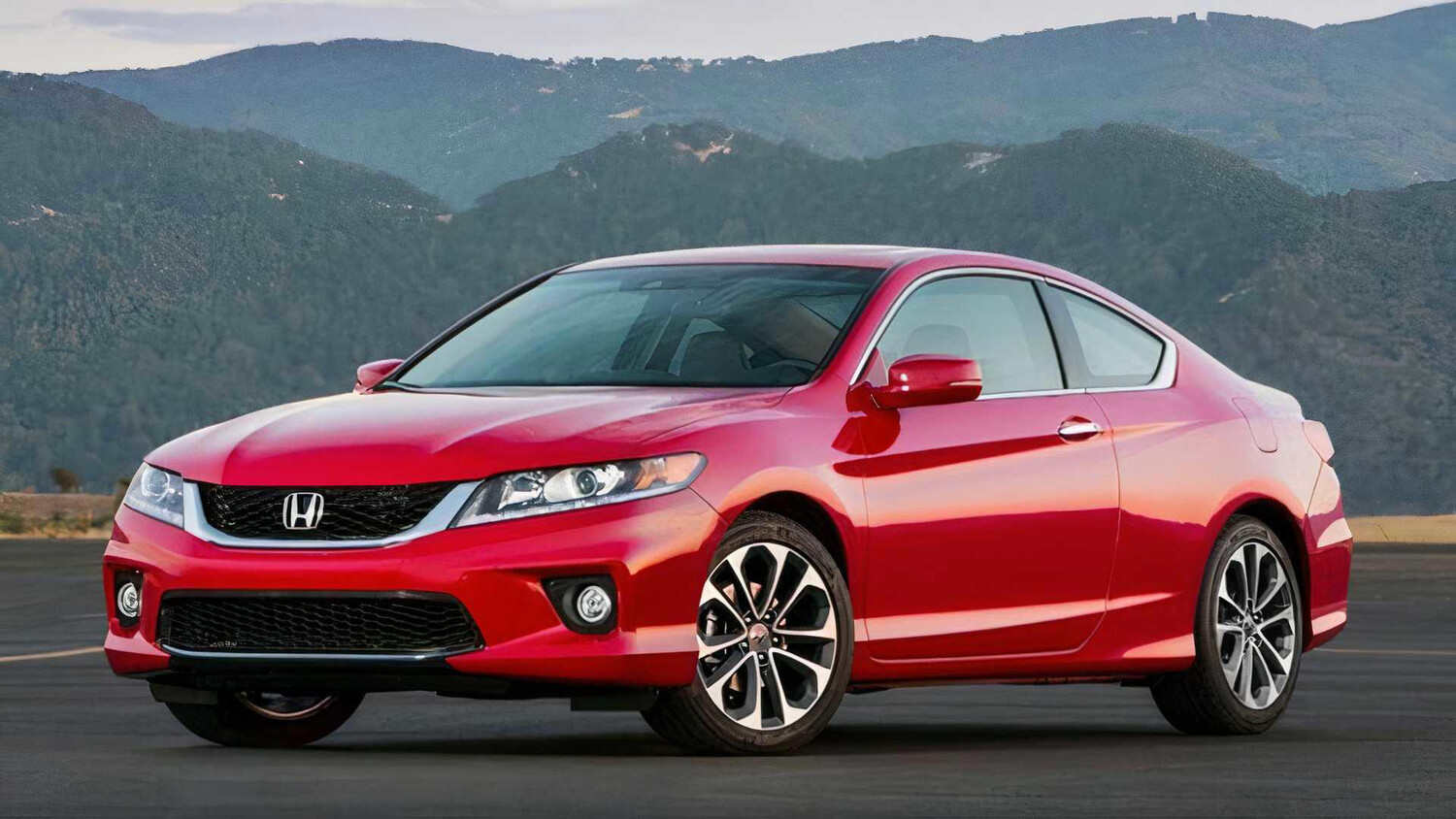
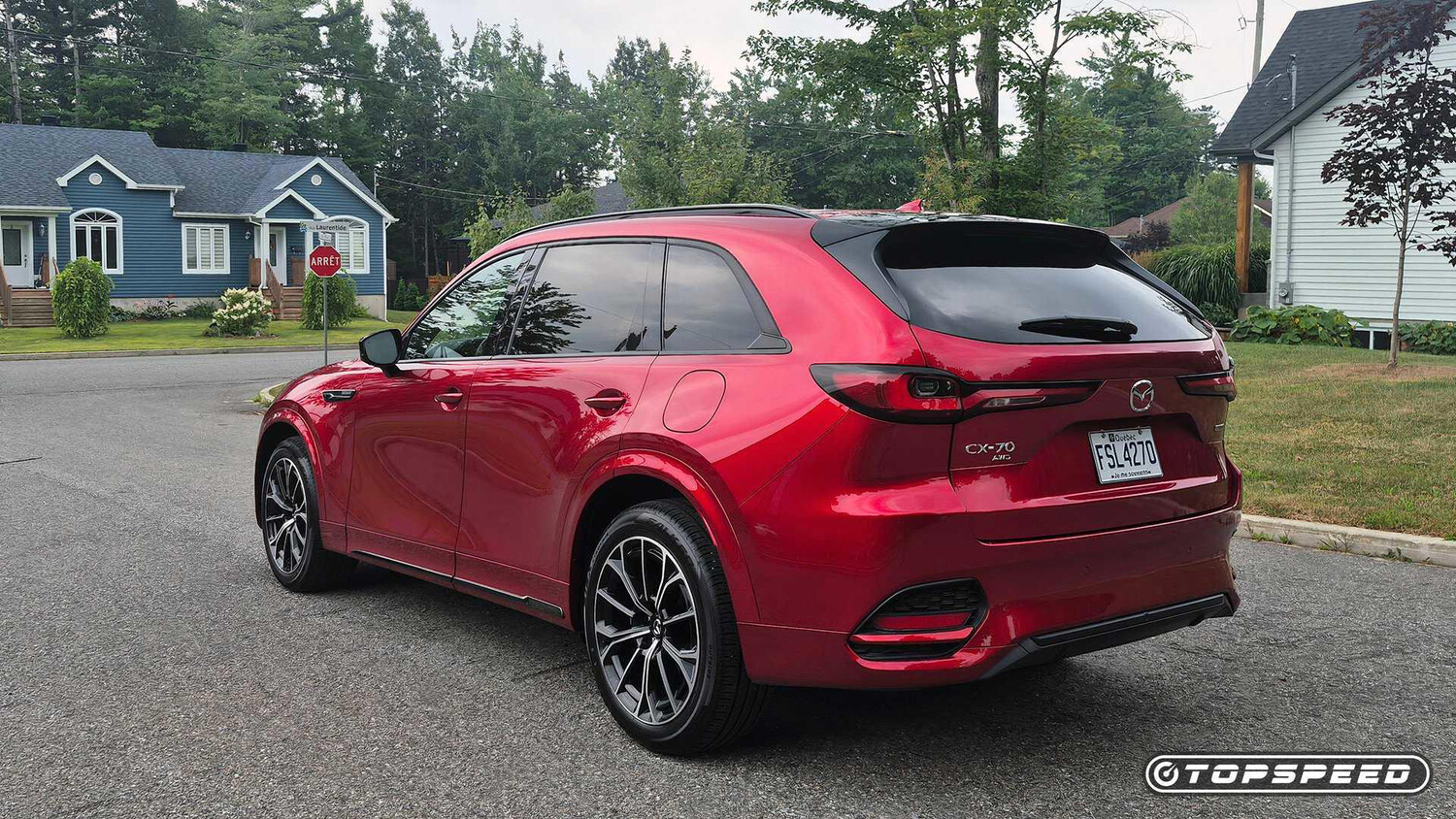
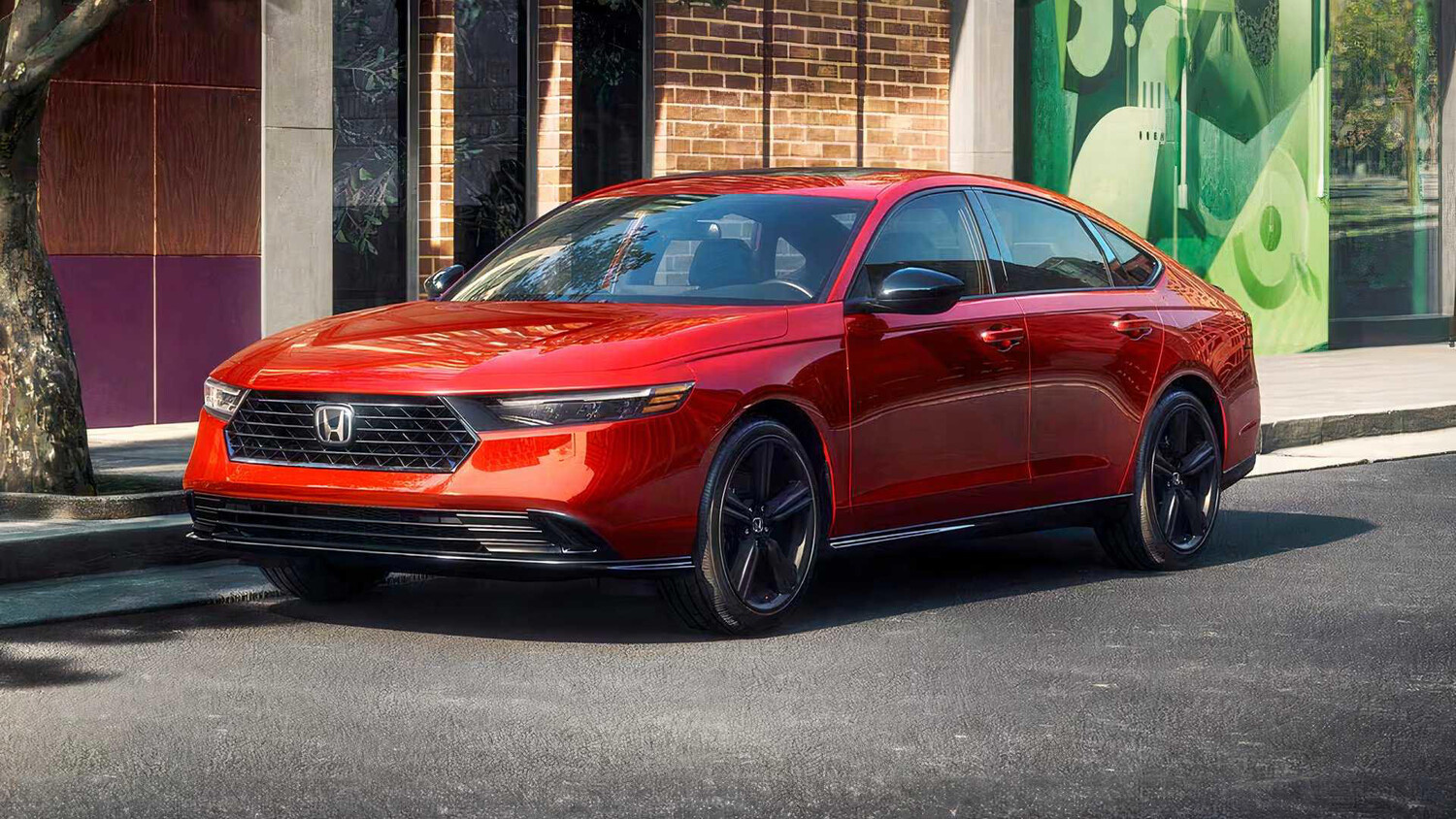
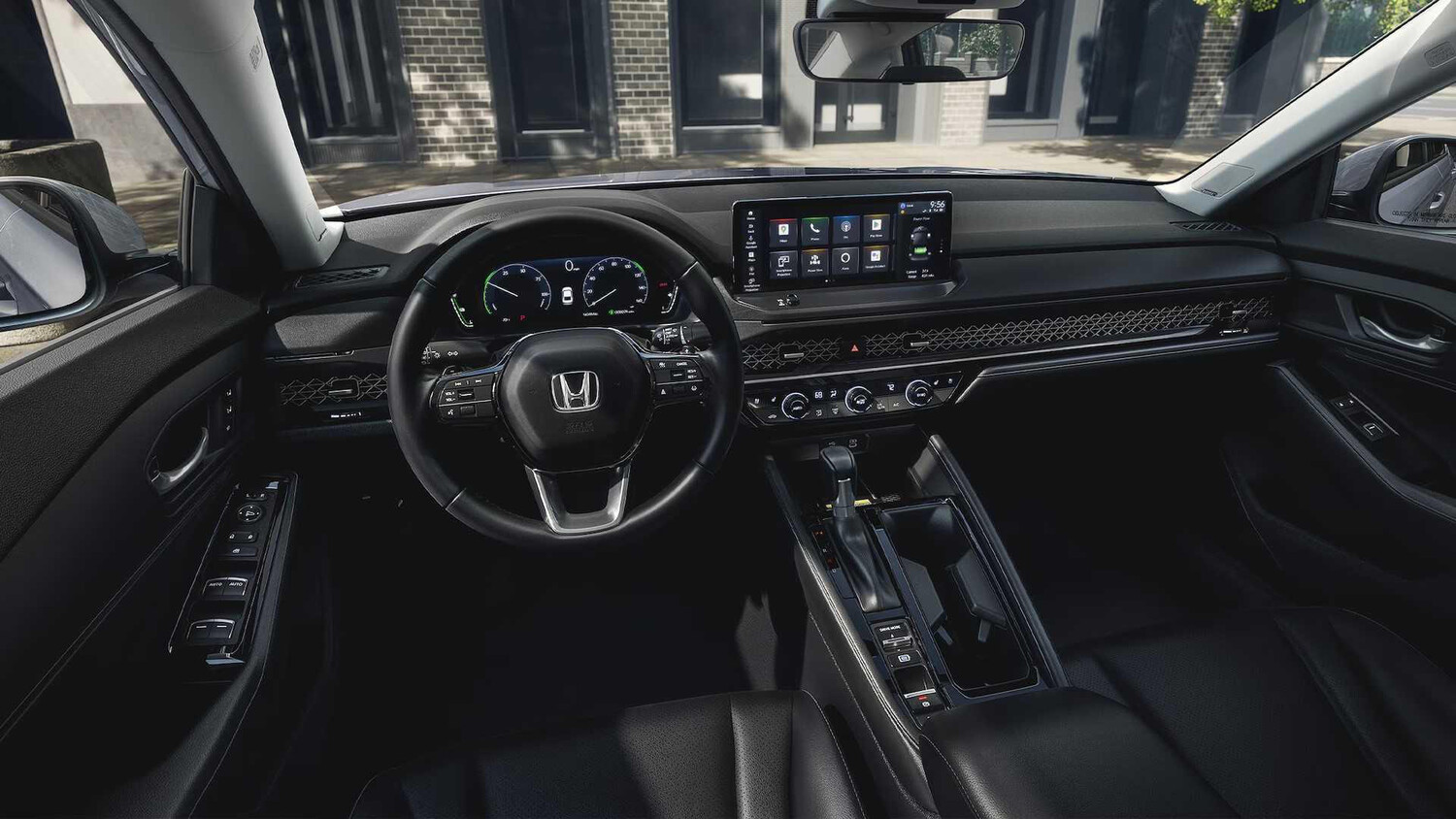
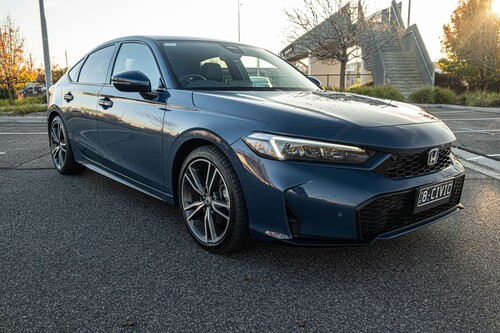
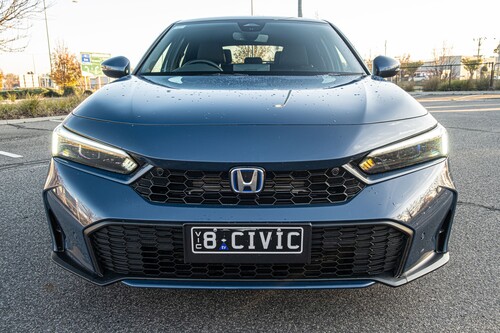
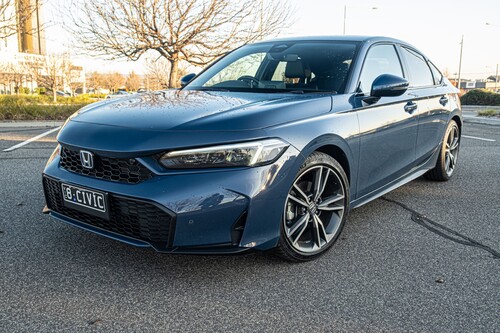
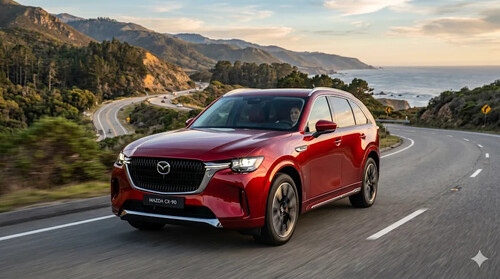
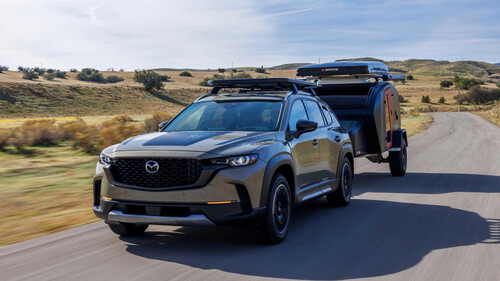
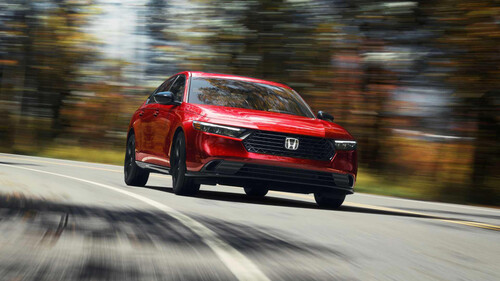
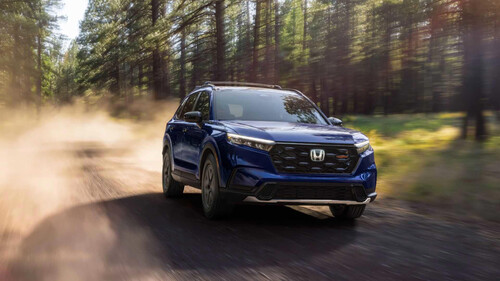
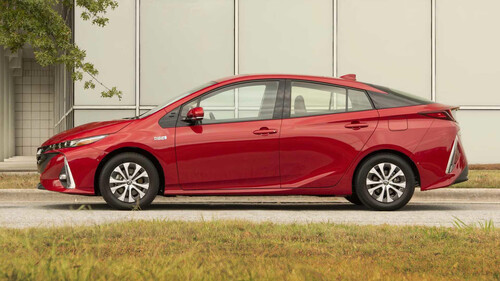
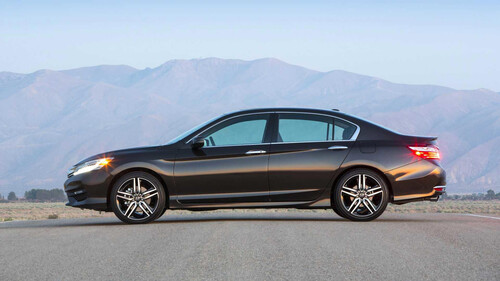
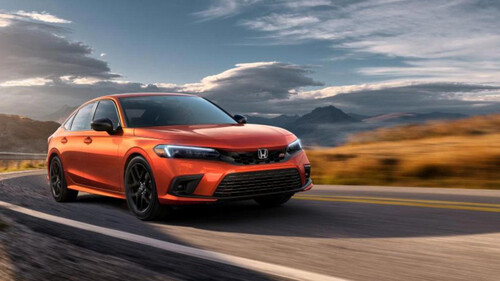
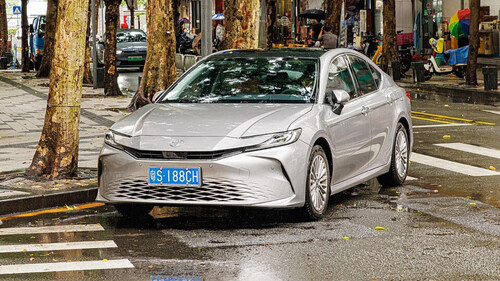
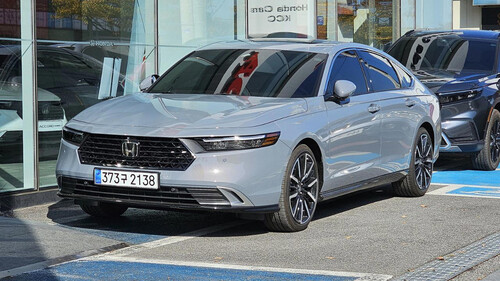
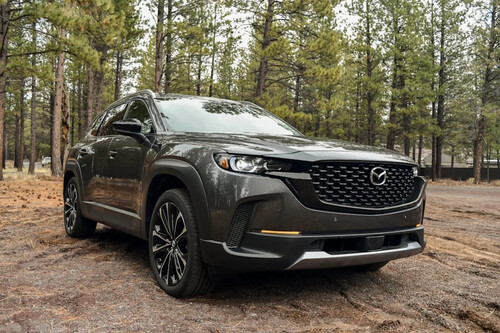
Japanese automakers are known for their reliability, along with their push for hybrid vehicles, but even though most Japanese hybrid cars are efficient and reliable, only one can stand out as being the most reliable while still achieving more than 50 MPG, at least as highway mileage.Most of the time, though there will be variations in average lifespans across numerous Japanese models, it doesn’t always mean that a certain model is unreliable. Most Japanese cars are reliable, but certain models simply refuse to die or break down. Case in point, the hybrid sedan that rarely needs repairs and can achieve more than 50 MPG. Unsurprisingly, the hybrid sedan in today's article comes from a brand already known for making reliable cars. Without further ado, here’s the sedan that, according to iSeeCars data, will last the longest while achieving more than 50 MPG. Let’s Talk About Hybrid Reliability Toyota Hybrid electric vehicles (HEVs) may seem mechanically complicated and thus have a higher chance of mechanical failure, but the reality is they're not. Toyota and Honda, in particular, have made their hybrids mechanically simple, thanks to simplified components like electrical air compressors and highly durable transmissions that are also their power-split devices. Their e-CVTs Are Not Traditional CVTs Honda I know many of you shiver and are queasy when it comes to CVTs, but in the case of Toyota and Honda's hybrids, they are simply called e-CVTs for simplicity's sake. That’s because the reality is a lot more complex to explain to normal folks how it works.Toyota uses planetary gears for its e-CVT. To simplify things, a planetary gear e-CVT has a mechanical outer “planet” gear that’s connected to the engine, while the ring gear is connected to the electric Motor Generator 2 (MG2) motor, which powers the wheels. The middle “sun” gear is connected to the electric Motor Generator 1 (MG1), which is what controls the engine startup and shutdown. In real-world use, you probably have no idea how extremely robust and reliable the planetary gear-type e-CVT has proven to be for Toyota. It’s common for a Toyota hybrid to reach extremely high mileages with barely any e-CVT issues.HondaAnd then we now have Honda, whose current fourth-generation hybrid system builds upon the i-MMD hybrid system it introduced back in the 2014 Accord Hybrid. Honda’s e-CVT is a simple single-speed lockup clutch. Most of the time, the engine only charges the battery without connecting to the wheels, but in the instance that it needs to power the wheels, the lockup clutch enables the engine to directly drive the wheels and not just charge the battery.In the current Honda CR-V Hybrid, the hybrid system gets two lockup clutches—one for high speeds and the other for low-speed use. The operation is surprisingly seamless, and this allowed Honda to add the Linear Shift Control to the fourth-generation system. This feature adds simulated gear shifts with the engine, even if no actual gear shifts are being performed. Linear Shift Control has since evolved to S+ Shift, which debuted in the Prelude, and it adds simulated power interruptions to truly make the simulated gear shifts more authentic. The Yet-To-Be-Determined Hybrids Mazda As I said, though most Japanese hybrid systems are proven to be reliable, there are others whose reliability is yet to be determined. The aforementioned Toyota and Honda hybrid systems we mentioned so far are series-parallel systems. Toyota, however, has two parallel hybrid systems: Hybrid Max and i-Force Max. These are performance-oriented hybrid systems in which the electric motor that's sandwiched between the turbo gas engine and transmission is controlled by a K0 clutch—aka a disconnecting clutch. This K0 clutch is what connects and disconnects the engine from the drive wheels. Since both are new hybrid systems for Toyota, reliability is still unknown. So far, however, the two hybrid systems (including their Lexus applications) seem to be anecdotally reliable.William Clavey | TopSpeedBut if there’s one Japanese hybrid system I’m somewhat queasy about, it would be Mazda’s parallel plug-in hybrid system in the CX-70 and CX-90. It is a completely new hybrid system from Mazda, and one that's very complex as the company aims to make it efficient while still delivering on Mazda's signature sportiness. Mazda decided to use a self-developed eight-speed multi-plate clutch automatic, which has no torque converter. Instead, Mazda thinks it's a good idea to make the electric motor and a multitude of clutches do the crawling work. Sounds good in practice, but it happens to be clunky in execution, as also noticed by our team when driving a CX-70 PHEV. The clunkiness is enough for Mazda to continually provide software updates since its release to smooth out the operation. Go for the 3.3-liter mild-hybrid turbo inline-six for Mazda's large SUVs, please. A Hybrid In Your Own Accord HondaWith all of these technical details about the reliability of various hybrid systems, you probably won't be surprised to find out that the Japanese hybrid sedan that rarely needs repairs and does more than 50 MPG comes from Honda—the Accord, to be exact. Even More Reliable Than Camry And Prius Honda Now, this doesn't mean that all-hybrid Camry and Prius are unreliable, alright? It's just that, according to iSeeCars, the Accord Hybrid is even more reliable than the already reliable Toyota Camry and Prius. The Accord Hybrid has an average lifespan of 180,276 miles or 13.6 years, and a 36.8 percent chance of reaching at least 200,000 miles during its usable lifespan.That's slightly better than the all-hybrid Camry's average lifespan of 13.1 years or 171,924 miles, along with its 31.8 percent chance of reaching at least 200,000 miles during its usable lifespan. As for the Prius, it has an average lifespan of 168,965 miles or 12.2 years, while it has a 28.9 percent chance of reaching 200,000 miles. If anything does go wrong, which, again, is going to be highly unlikely, RepairPal says that its $400 for annual repair costs are excellent. They also confirm that the severity and frequency of repairs are extremely low for the Accord Hybrid. More Than 50 Highway MPG Honda Yet the Honda Accord Hybrid is able to achieve 51 MPG on the highway, and 44 MPG in the city, giving it a combined fuel economy figure of 48 MPG. It must be noted that to get these efficiency figures, you'll have to go for the mid-spec EX-L, whose simpler and smaller 17-inch wheels are a major contributor to its fuel efficiency.The Prius and Camry, however, have variants that have a combined efficiency of more than 50 MPG. The base Camry LE does 52 MPG on the highway and 49 MPG in the city, which gives it a 51 MPG combined efficiency rating. Meanwhile, all but the Prius variants that come with 19-inch wheels and all-wheel drive (AWD) bundled together have a combined efficiency of more than 50 MPG. Then again, the Accord Hybrid with 51 MPG on the highway stands tall among these hybrids when taking into account which has the longest lifespan and is the most reliable vehicle that needs the fewest repairs. What The Accord Offers In 2026 Honda As with every automaker with operations in the United States, Honda continues to incrementally update its vehicles annually. For the 2026 model year, the Accord receives a few enhancements to keep it competitive in its segment. More Interior Features On Non-Hybrid Models Honda If you're going for the non-hybrid Accords, you'll be happy to find out that the LX and SE variants have been upgraded with significantly more features. In this case, these two non-hybrid variants now get a 9-inch color touchscreen as standard, along with wireless charging, plus wireless Apple CarPlay and Android Auto.The good news is that, if you're opting for the most efficient Accord Hybrid EX-L with 51 MPG highway efficiency, you're already in the middle of the Accord range. In this case, you're already getting leather upholstery, power-adjustable front seats with heating, two-person memory for the driver's seat, and a larger 12.3-inch touchscreen. Opt for the range-topping Touring, and you'll get acoustic front glass, ventilated front seats, a Bose sound system, Google Built In, and a head-up display, just to name a few. Enhanced, Sportier Looks Honda Likewise, the exterior of the Accord for 2026 also gets a slew of upgrades. The non-hybrid SE now gets five-spoke 19-inch wheels from the hybrid Sport and Sport-L variants, while these two aforementioned hybrid variants come with additional gloss black elements on the exterior. The hybrid Accord Sport now comes with black window trim, while both the hybrid Sport and Sport-L now feature black badges.Every other Accord variant, however, remains unchanged from the outside, which, in my opinion, should already be tweaked at this point. The Accord wasn't a design revolution when it came out, and to some people, this midsize sedan looks too conventional. If anything, in my view, the Civic is aging better than the Accord. Then again, the Civic already got a mid-cycle facelift, while the Accord has yet to be updated from the outside. If you want a clue about what a facelifted Accord could look like, check out the facelift that Honda did for the Chinese market, which you can already see here.Sources: Honda, iSeeCars