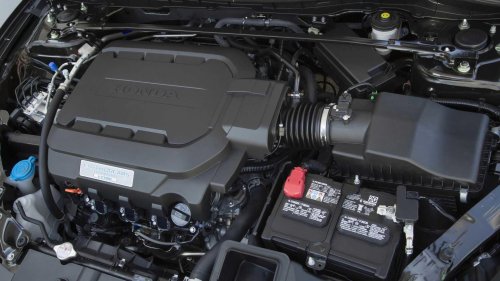
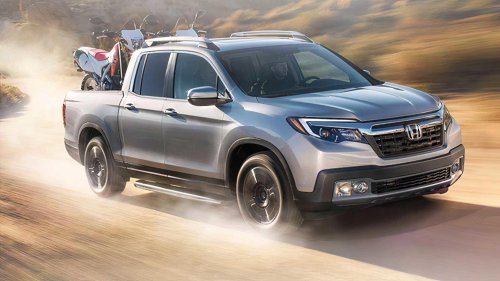
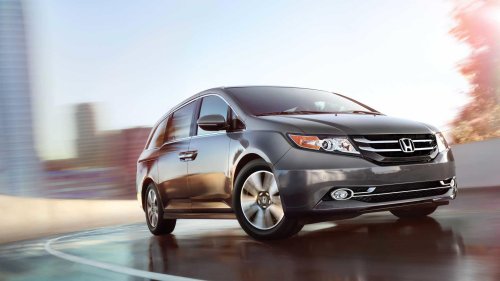
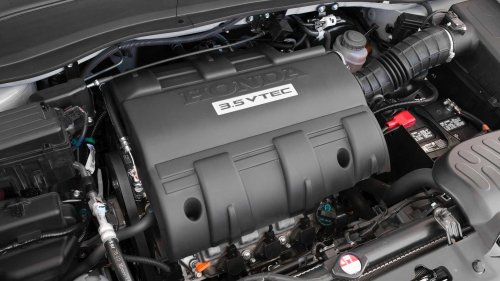
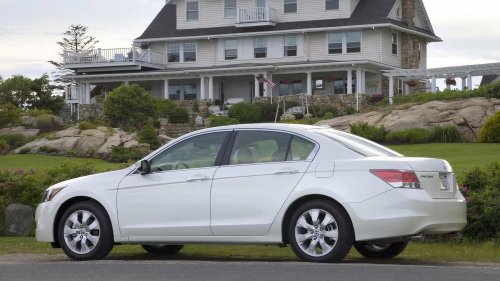
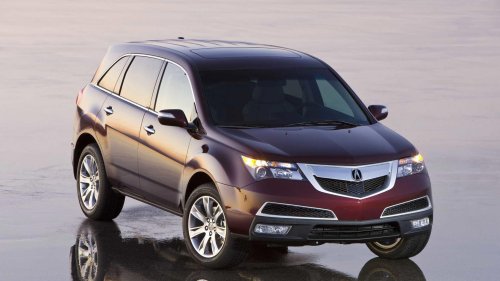
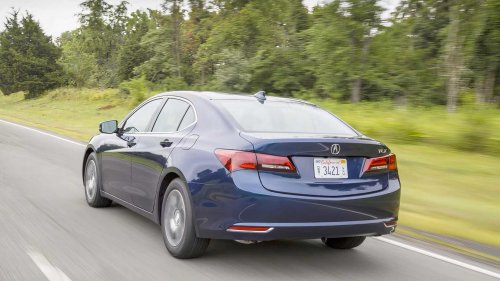
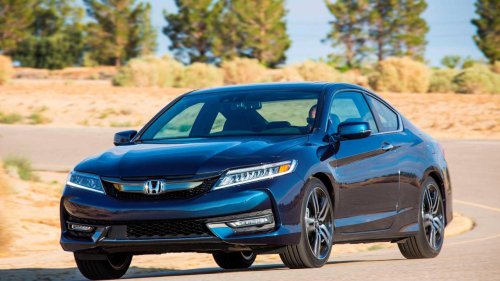
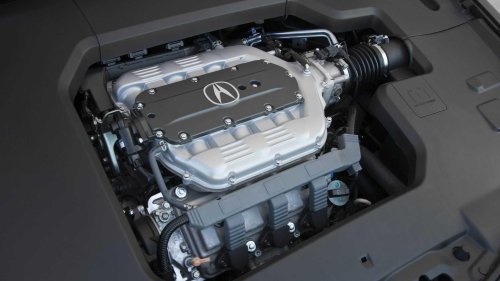
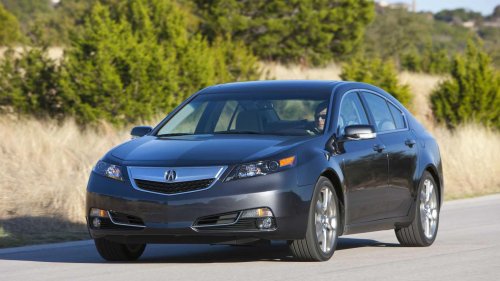
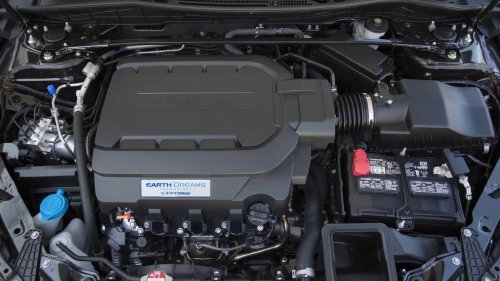

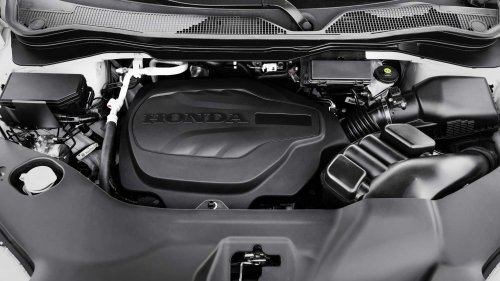
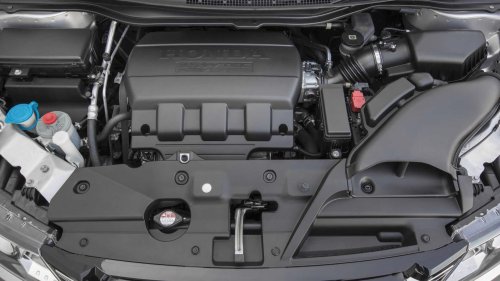



















When people talk about reliable Japanese engines, the conversation almost always drifts toward Toyota. Fair enough. Toyota has earned its halo. But lurking just outside that spotlight is another mechanical overachiever, racking up miles and powering everything from family sedans to surprisingly quick SUVs. This is Honda’s J-Series V6, an engine family that has been doing the hard work since the late 1990s.The J-Series doesn’t have a flashy nickname, and it doesn’t get the internet hype it really deserves. What it does have, however, is a long track record of smooth power, strong reliability, and a habit of still running happily when the rest of the car has started to look tired. In other words, it’s the kind of engine owners should care about, and not the kind influencers usually shout about. A V6 Born For The Real World HondaHonda introduced the J-Series in 1996 as its first mass-produced V6 designed primarily for transverse, front-wheel-drive layouts. These engines boasted a 60-degree bank angle and were built to fit into everyday cars, not exotic layouts or niche performance machines. From the beginning, the J-Series was meant to be compact, efficient, and easy to live with.Honda In the North American market, displacement primarily ranged from 3.0 to 3.7 liters over the years, with most versions sitting comfortably between 240 and 310 horsepower. Those numbers might not sound wild today, but paired with Honda’s famously smooth power delivery, they made these engines feel stronger than the spec sheet suggested. Torque came on early, power built cleanly, and the engine never felt stressed doing normal car things like merging, climbing hills, or hauling a full load of people and luggage. This was a V6 designed to disappear into the background of daily life. What Makes The J-Series So Dependable? Honda Part of the J-Series’ reliability comes down to conservative engineering. Honda didn’t chase extreme compression ratios or make use of fragile materials. Instead, it focused on balance. Aluminum blocks kept weight down, while robust internals ensured the engines could handle years of heat cycles and highway miles.Honda The single overhead cam layout, especially in earlier versions, kept things mechanically simpler than some rival V6s. Fewer moving parts often mean fewer things to go wrong, and Honda leaned into that philosophy. Even when Variable Cylinder Management arrived, allowing the engine to shut down cylinders to save fuel, Honda kept the core design stout enough to survive the added complexity.CarBuzz Timing belts instead of chains might sound like a downside, but they were part of the formula. With regular maintenance, these belts rarely caused drama. Owners who followed service intervals often had engines that ran well past 200,000 miles without major internal work. Miss a timing belt service, and yes, things could go sideways, but that’s still true of many engines that are sold today, too. Smoothness Over Showmanship Acura One thing J-Series owners consistently talk about is how smooth these engines feel. Even after years of use, many still idle quietly and pull cleanly through the rev range. There’s a softness to the power delivery that makes long drives easy and stop-and-go traffic less tiring.Acura This smoothness also helped the J-Series age gracefully. Engines that vibrate less tend to put less stress on mounts, accessories, and surrounding components. Many older Hondas and Acuras with J-Series engines feel mechanically tighter than rivals of the same age, even if the interiors tell a different story. The Models That Made It Famous Honda The J-Series spread across Honda and Acura’s lineup like a reliable house guest who kept getting invited back. One of the earliest and most popular homes for the engine was the Honda Accord V6. For years, this combination offered buyers a perfect middle ground. You got family-sedan practicality with enough power to surprise unsuspecting drivers at stoplights. The Honda Odyssey minivan also leaned heavily on the J-Series. This is where the engine’s durability really showed. Hauling kids, cargo, and groceries day after day is not a gentle life, yet many Odyssey vans crossed massive mileage milestones with their original engines still intact. The Most Popular Models To Make Use Of The J-Series Acura gave the J-Series a slightly sharper edge. The Acura TL turned it into a near-luxury sport sedan with genuine punch, while the Acura MDX proved the engine could handle SUV duty without feeling overworked. Even the Honda Pilot, a three-row family hauler, relied on the J-Series to move its weight confidently without constant downshifts or strain. Across all these vehicles, the engine earned a reputation for consistency. Different tuning, different bodies, same dependable heart. The J-Series Was Never Perfect Acura Calling the J-Series reliable doesn’t mean it’s flawless. Some versions developed issues with motor mounts wearing out early, often due to the engine’s torque and smooth but persistent vibration patterns. Variable Cylinder Management systems also sparked debate, with some owners reporting oil consumption or uneven wear over long periods.But here’s the thing. These weren’t catastrophic failures that stranded drivers without warning. They were known issues, well-documented, and often manageable with proper maintenance or minor modifications. In the grand scheme of engine problems, these are annoyances, not deal-breakers. Compared to turbocharged engines that demand premium fuel, meticulous oil changes, and constant sensor replacements, the naturally aspirated J-Series felt refreshingly low-drama. Living With One Today Acura If you’re shopping for a used Honda or Acura with a J-Series engine today, you’re stepping into a well-understood world where mechanics know these engines and parts are plentiful. Online forums, too, are full of owners who’ve already solved the problems you might encounter.Honda The key is maintenance history. A J-Series that received regular oil changes and timely timing belt services is usually a safe bet. Even higher-mileage examples can feel surprisingly fresh, especially if the transmission has been treated kindly alongside the engine. Fuel economy won’t win awards, but it’s reasonable for a V6, especially on the highway. More importantly, the engine rarely feels like it’s working hard, which is exactly why so many of them are still running strong today. Does The J-Series Still Matter? Honda In an era dominated by small turbocharged engines and increasingly complex hybrid systems, the J-Series represents a different mindset. It’s a reminder that reliability doesn’t always come from cutting-edge tech. Sometimes it comes from doing the basics extremely well and sticking to them for decades.Honda Honda didn’t reinvent the J-Series every few years. It refined it, nudged it forward, and trusted the core design. Today, the engine stands as one of the most dependable Japanese V6s ever made, quietly rivaling Toyota’s best without trying to outshine them. The Quiet Legend Honda The Honda J-Series V6 may never headline car meets or dominate comment sections, but it doesn’t need to. Its legacy lives in high-mileage odometers, long family road trips, and owners who simply don’t worry about their engines. It’s the reliable Japanese V6 that isn’t from Toyota, and for many drivers, that’s exactly what makes it special. They’re neither loud nor flashy. They’re just solid, smooth, and still going when you expect them to be done.