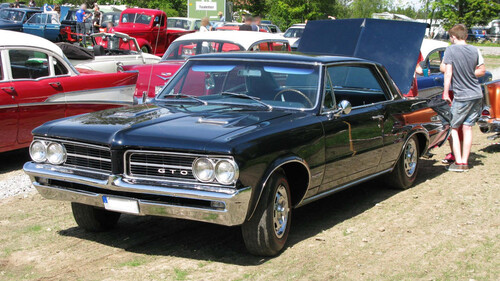
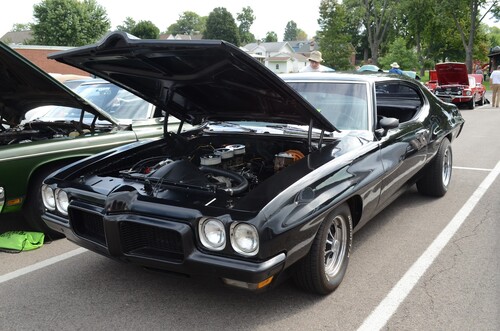
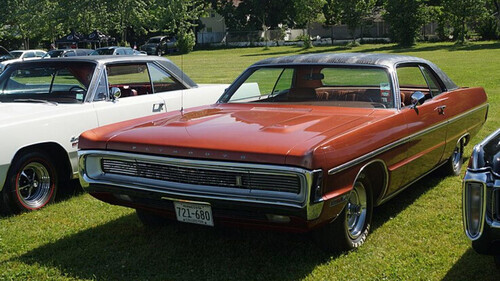
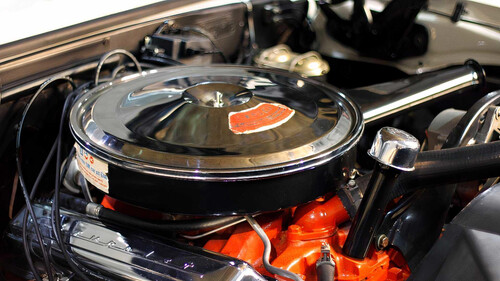
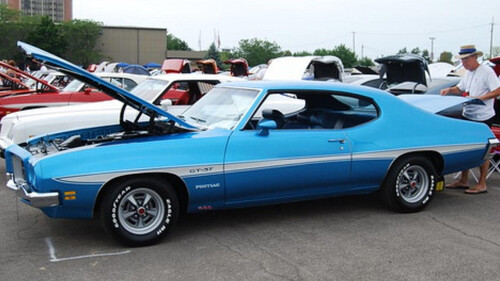
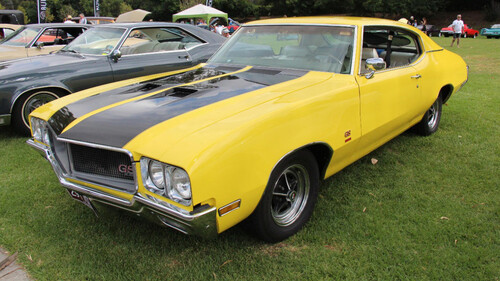
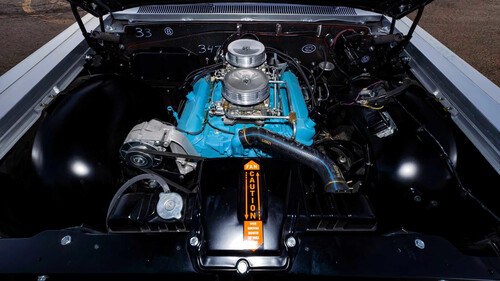
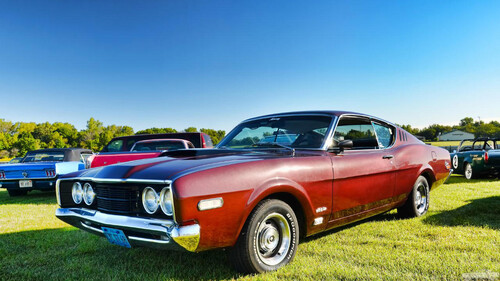
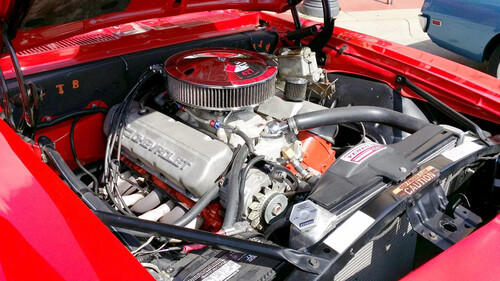
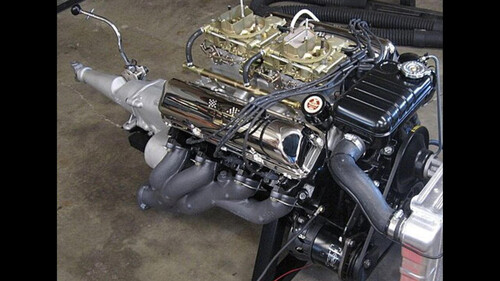
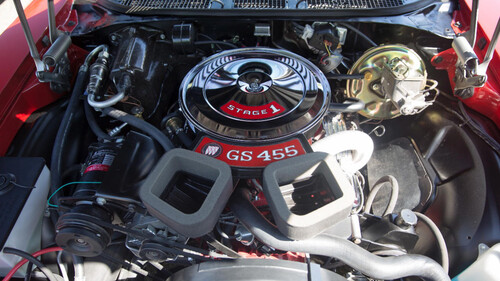
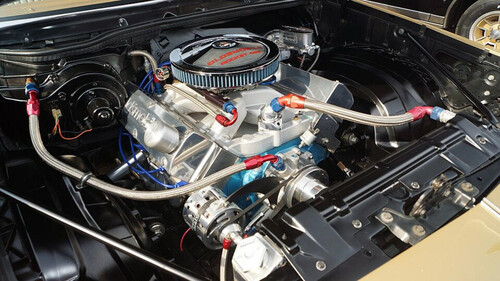
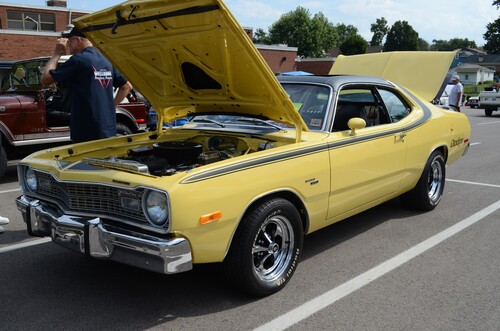
New regulations quietly changed the power of the 1971 GTOThe 1971 Pontiac GTO arrived just as Washington, fuel chemistry, and corporate strategy collided. On paper, its power slipped, and its reputation dimmed, yet much of that change came not from weaker hardware but from new rules that altered how power was built, measured, and advertised. The story of how regulations quietly reshaped the 1971 GTO is not just a tale of compression ratios and camshafts. It is a case study in how a few lines of federal law, a different test procedure, and looming unleaded gasoline turned a muscle car icon into a symbol of a fading era. The GTO hits a regulatory wall By the early seventies, the Pontiac GTO had already earned its place as a Muscle Car Icon, with the 1970 model standing near the peak of Detroit performance. As the 1970 model year rolled along, however, it became clear that the GTO was beginning to lose its sales momentum, a trend that continued into the early part of the decade, as chronicled in period GTO histories. Several forces converged. The federal government of the United States of America had committed to cleaner air and safer roads. The Clean Air Act of 1970, described as the first blowdown of American muscle cars, tightened emissions standards and pushed manufacturers to rethink high-compression engines that demanded high-octane fuel. As one analysis of the era puts it, the Clean Air Act of 1970 began to limit the kind of car fun that had defined the late sixties, particularly for American performance models that relied on aggressive timing and rich mixtures to make power on the street. At the same time, unleaded and low lead gasoline were moving from a future requirement to a practical reality. Notably, General Motors prepared for this shift by recalibrating its entire engine lineup. Reporting on the 1971 Oldsmobile Cutlass notes that in 1971, all General Motors engines came ready to run on unleaded gasoline, a change that meant the end of high compression designs that had dominated the muscle era and set the stage for catalytic converters later in the decade. From high compression to unleaded survival Pontiac engineers had to make the GTO’s big engines live on this new diet. To allow this engine to run on unleaded fuel, Pontiac engineers enlarged the combustion chambers, lowering the compression ratio for the 1971 455 H.O. That change let the car run on regular fuel right off the showroom floor but softened the edge that had defined late sixties performance, Pontiac. The impact was not just theoretical. One valuation analysis of the 1971 Pontiac GTO Judge notes that GTO sales fell off a cliff as compression ratios were lowered to 8.2:1 in preparation for unleaded gasoline. The same source records that the top performance engine was now rated at 255 net bhp, a figure that looked modest compared with the previous year’s advertised total of 8.2. Those lower compression ratios were not unique to Pontiac GTO models. A broader look at performance cars from 1971 shows that compression dropped across multiple brands as automakers sought engines that could run on regular fuel and still meet new emissions rules. A survey of The High Performance Exceptions for 1971 points out that even as a few limited production engines held on to stronger numbers, the mainstream shift was toward lower compression, cleaner combustion, and regular fuel compatibility across Ford, General Motors, Muscle Cars, and other nameplates. The quiet change in horsepower math Regulators were not only shaping how engines were built. They were also changing how their strength was reported. A federal bill that applied to all motor vehicles and took effect beginning with the 1972 models required that advertised horsepower reflect the power an engine produces in an automobile, not on a bare test stand. A report from Dec explained that the first bill, which was passed in 1970, aimed to standardize these ratings so consumers would see a figure closer to real-world output rather than a stripped-down laboratory number. The horsepower rating change is partly the result of the efforts of Frank R. Lantrerman, a California Republican, who pushed for more realistic engine ratings. The same Dec coverage explained how his advocacy helped shift the industry toward net horsepower figures that reflected full accessories, exhaust, and air cleaner, rather than the inflated gross ratings of the sixties. For Pontiac GTO fans, this change created a statistical cliff. One market analysis of the 1968 to 1972 GTO notes that horsepower ratings took another nosedive thanks to tightening emissions regulations and the switch from the industry standard gross ratings to the more realistic net ratings that measured the engine fully dressed and actually equipped in the car. The numbers on the brochure dropped sharply, even when the underlying hardware had not changed as dramatically in horsepower ratings. Another period summary of muscle cars notes that compression dropped for 1971, while power sometimes appeared to go up or down depending on whether one compared gross to net figures. A discussion of The Chevelle explains that as Chevrolet shifted from gross ratings to net horsepower ratings, the apparent output of its performance models changed even when the seat-of-the-pants experience remained similar for drivers. Inside the 1971 455 H.O. GTO Under the 1971 GTO’s hood, the story was more complex than a simple decline. The flagship engine was the 455 HO V8, a big block that combined lower compression with serious hardware. A detailed engine specification sheet for the Pontiac GTO 1971 lists the Engine as a 455 HO V8 with 7.5 L displacement. It notes that buyers could pair it with a 4-speed manual or an optional 3-speed automatic Transmission, and that Horsepower in SAE Net form was approximately 310, a figure that looked tame only when compared with the old gross ratings Engine. Specialist guides stress that the 455 HO was not just a rebadged standard big block. A technical overview of the 1971 to 1972 Pontiac GTO 455 HO explains that the 455 HO is a distinct specification. The HO uses round port cylinder heads, a specific camshaft profile, and other upgrades that separate it from a garden variety 455, even if both share the same displacement figure of 455 cubic inches 455. Firsthand coverage of a 1971 Pontiac GTO 455 H.O. road car notes how the enlarged combustion chambers and reduced compression allowed the engine to run on unleaded fuel while still delivering strong acceleration. The same report describes how Pontiac engineers balanced emissions compliance with performance, creating a car that could be driven hard right off the showroom floor despite the new constraints Sep. How fast was it really? The gap between the GTO’s reputation and its revised ratings becomes clear when the 1971 Judge 455 HO is put side by side with its predecessor. A promotional clip extracted from an original 1971 Pontiac film shows a 1971 Judge 455 HO drag racing a 1970 GTO RAIV. The purpose of this comparison was to highlight that the newer car, despite stricter regulations and lower compression, could still run with the older Ram Air IV model, helped by its 455 cubic inches and revised torque curve. Later retrospectives on the GTO era often recall that the performance tank ran dry in 1971 as compression ratios and horsepower both dropped to accommodate low lead or no lead gas. Yet those same analyses acknowledge that the numbers on paper sometimes overstated the real-world decline. The 1971 GTO still carried strong mid-range torque and could deliver impressive quarter-mile times when properly optioned, especially with the 455 HO and a 4-speed manual. Video explainers on muscle car history have tried to untangle this perception gap. In one breakdown of Why Muscle Car Horsepower Dropped After 1972, the host Michael J walks through how net ratings, emissions hardware, and gearing combined to change the way enthusiasts looked at early seventies cars. His discussion highlights that while some engines lost genuine output, others mainly suffered from new test procedures that made their official numbers look weaker than the driving experience suggested. Regulation, advertising, and the GTO’s image The shift from gross to net horsepower also reshaped how Pontiac marketed the GTO. A later review of ordering changes for the 1972 GTO points out that compression ratios had dropped in 1971, which allowed engines to run suitably on unleaded fuel, but the move also reduced output and forced the company to rethink performance positioning. The same analysis notes that the industry’s move to using net ratings from 1972 forward made the new cars look weaker at exactly the moment buyers were already nervous about fuel and insurance costs. Other brands faced similar challenges. A feature on the 1971 Oldsmobile Cutlass describes how that model signaled a major change to GM engines, with all General Motors powerplants now designed for unleaded fuel. This corporate-wide shift meant that performance divisions like Pontiac could no longer rely on the same aggressive compression ratios that had powered their marketing slogans in the sixties, forcing a pivot toward handling, styling, and limited production specials. Within Pontiac’s own lineup, the GTO was also being squeezed by changing tastes and internal competition. A social media history of the 1971 Pontiac GTO notes that the car marked a transitional period, while it still carried the attitude of a Muscle Car Icon, it increasingly leaned on cosmetic enhancements and performance options to stand out as raw engine output became harder to sell. From street terror to collectible icon Over time, the regulatory squeeze that dulled the GTO’s showroom impact helped turn specific variants into collectibles. A feature on the rarest Pontiac GTO Judge ever produced, citing Source Pontiac Mecum, explains that as the automotive industry moved towards stricter emissions standards and the need for engines to run on unleaded fuel, high compression legends like the Ram Air III and Ram Air IV engines became short-lived. Their disappearance, combined with the limited run of 1971 Judge models. Collectors also look differently today at the 1971 455 HO cars that once seemed like compromised successors. Detailed buyer’s guides point out that the 455 HO’s round port heads, strong bottom end, and real-world torque make it an appealing alternative to the earlier high compression engines, particularly since it can run on modern pump fuel without drama. As emissions rules and fuel chemistry reshaped the market, Pontiac inadvertently created a more usable performance car that would age well in an era of ethanol blends and variable octane. More from Fast Lane Only Unboxing the WWII Jeep in a Crate 15 rare Chevys collectors are quietly buying 10 underrated V8s still worth hunting down Police notice this before you even roll window down