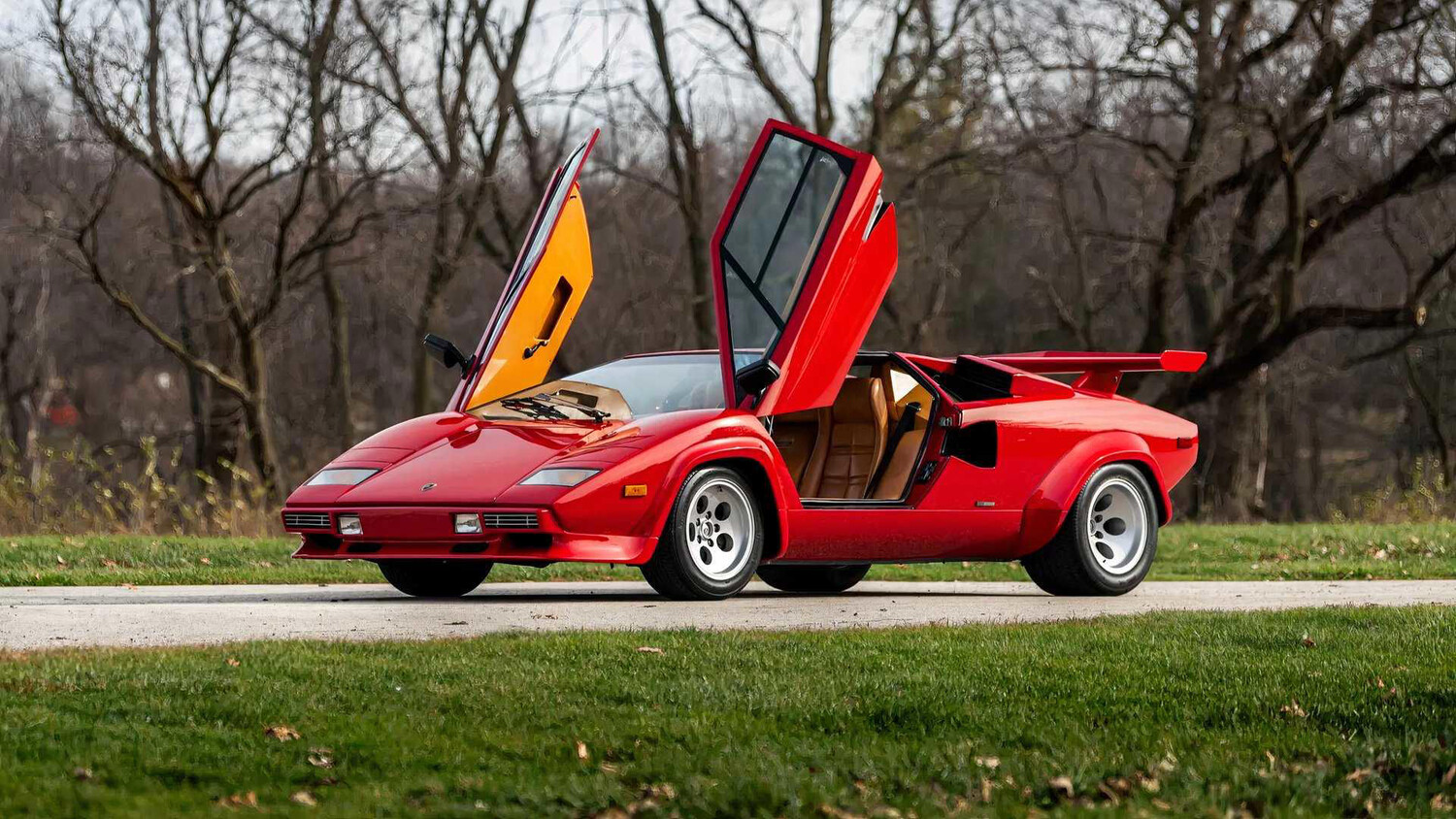
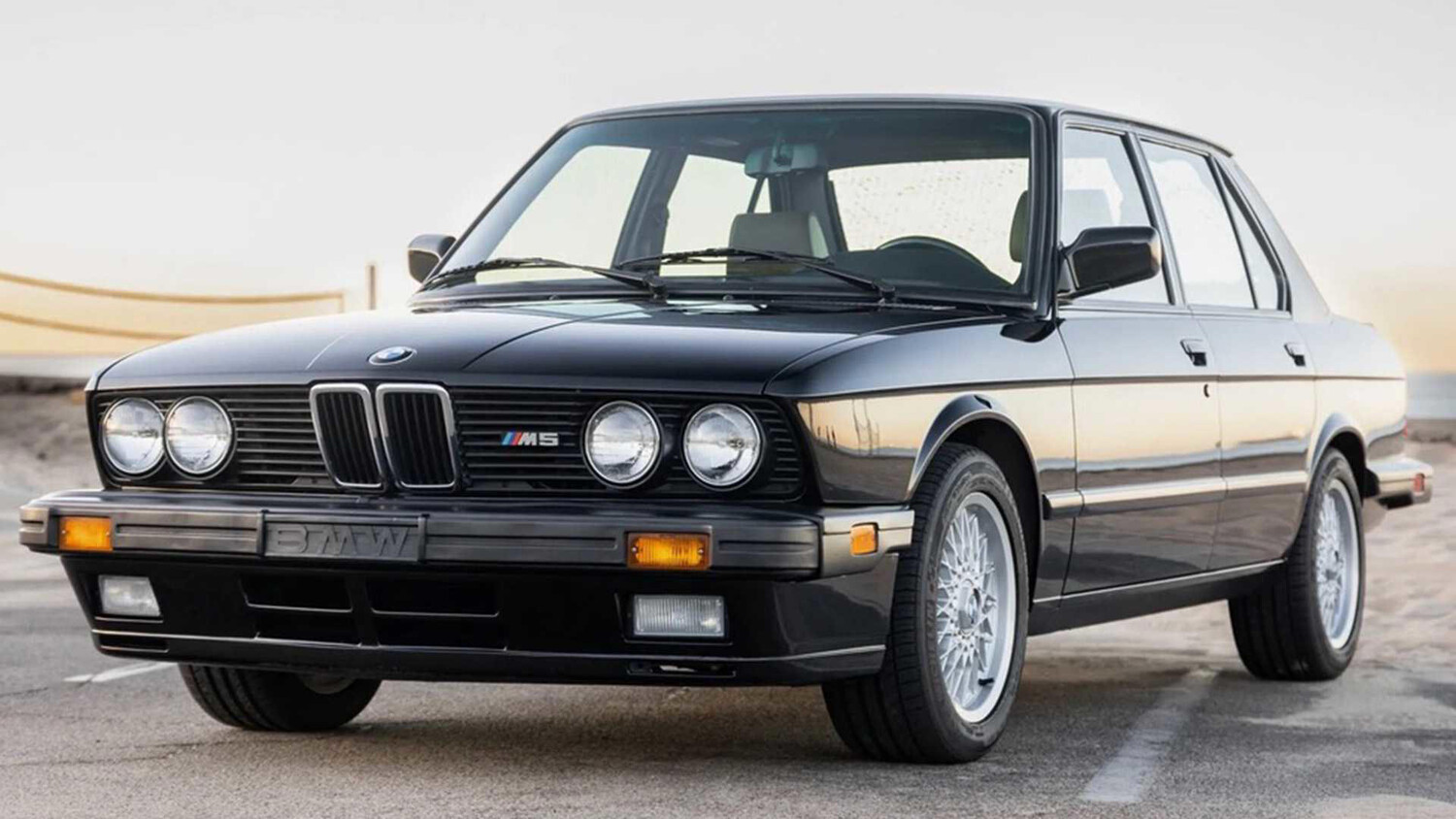
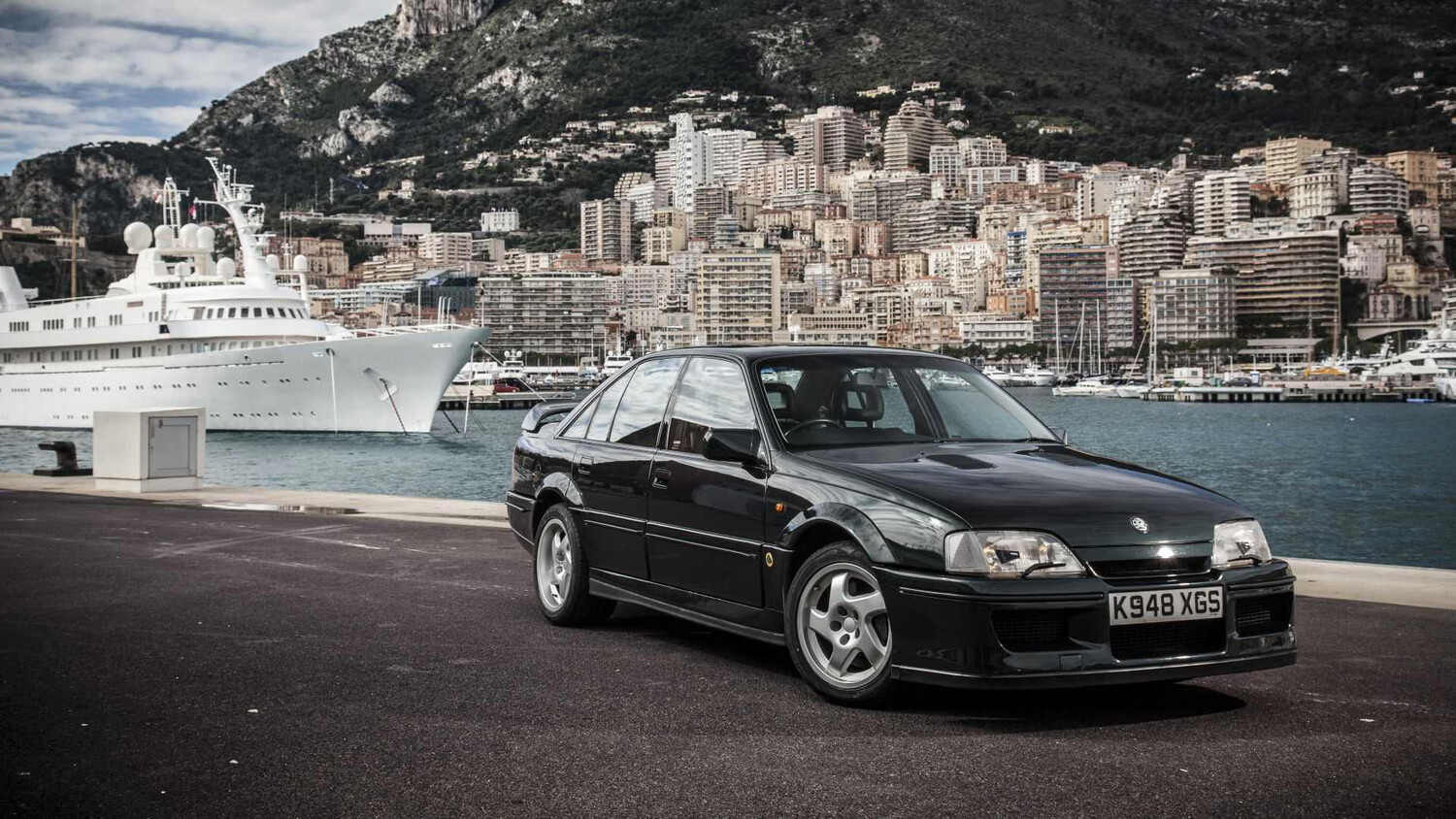
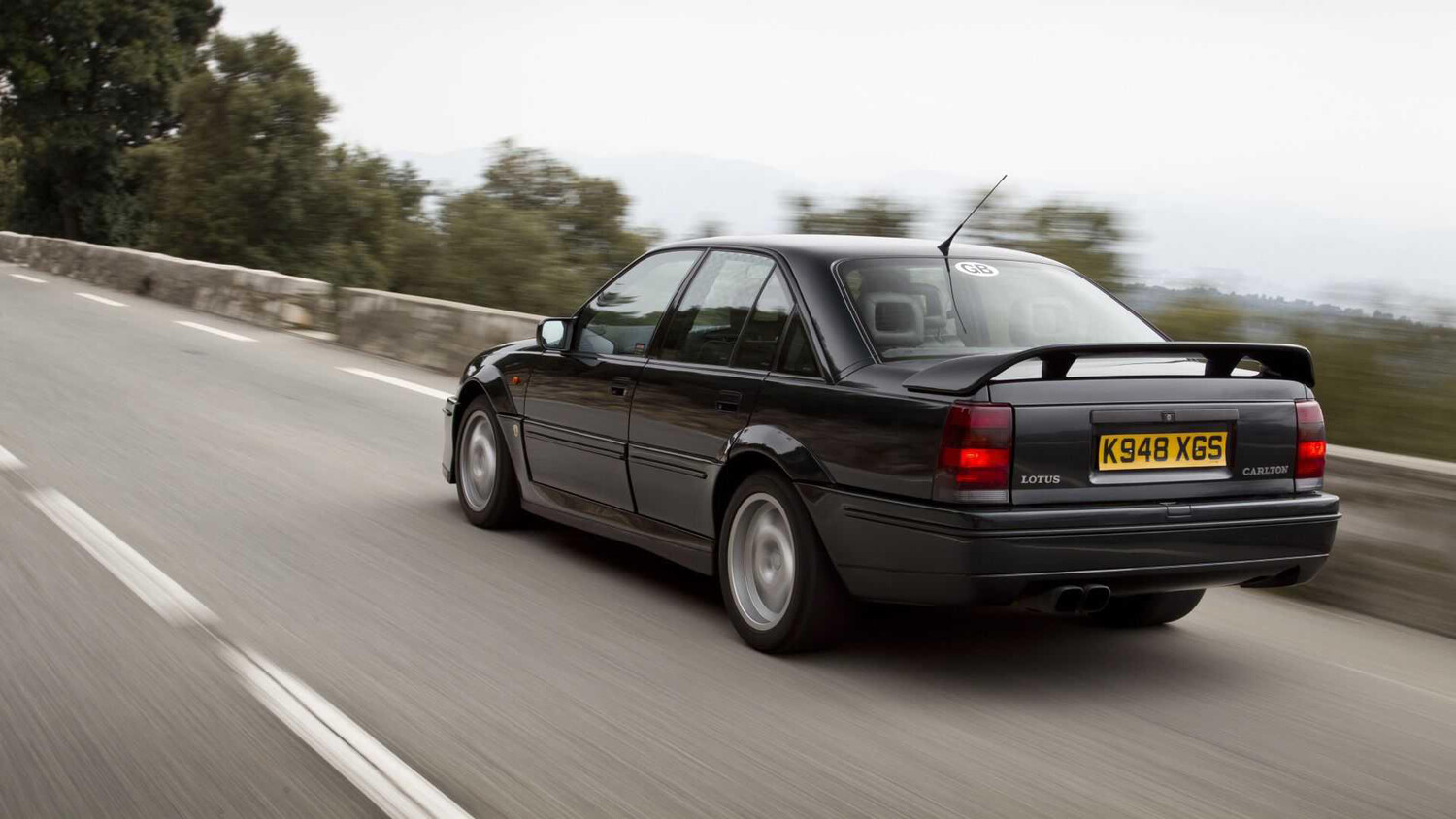
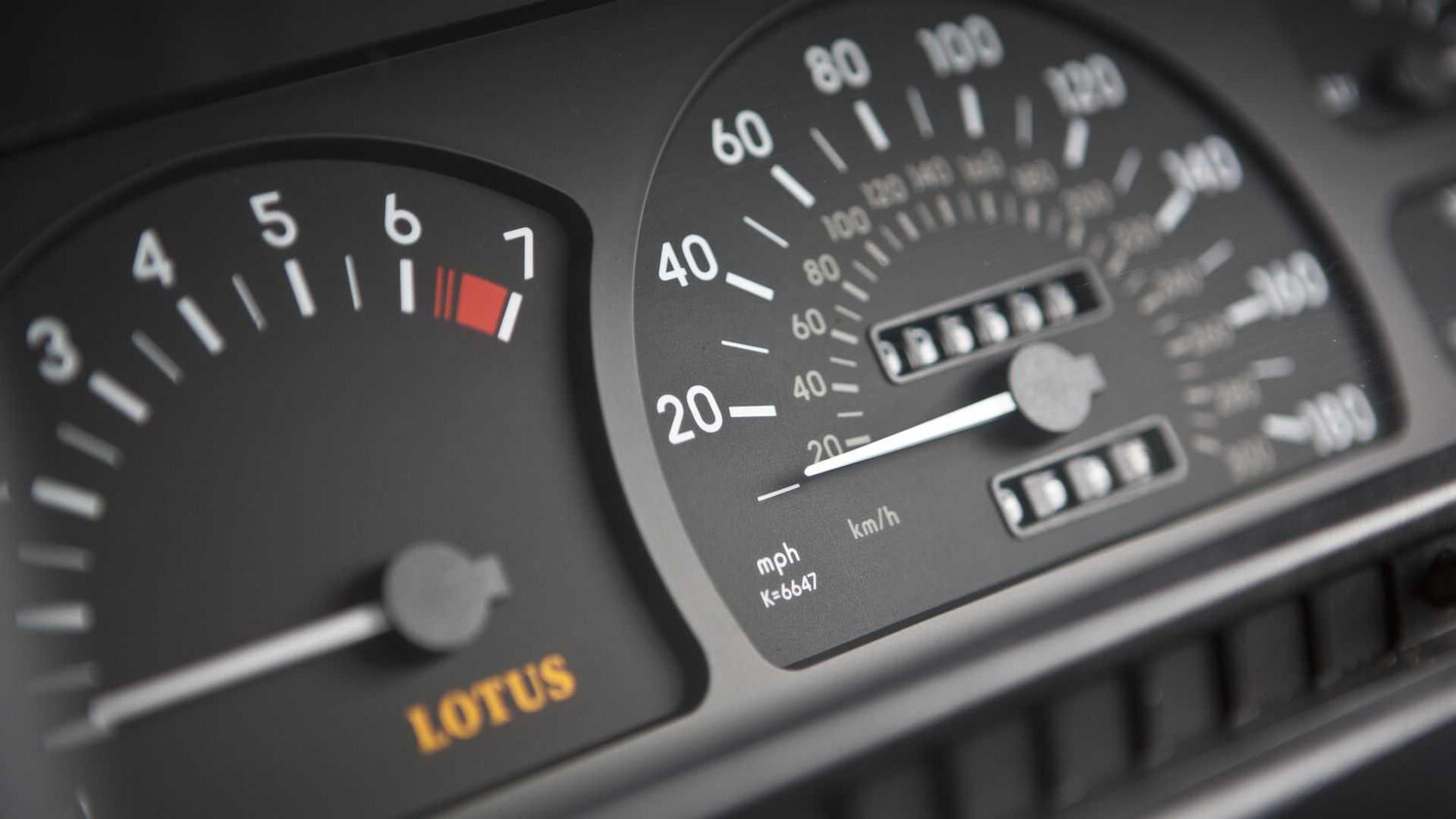
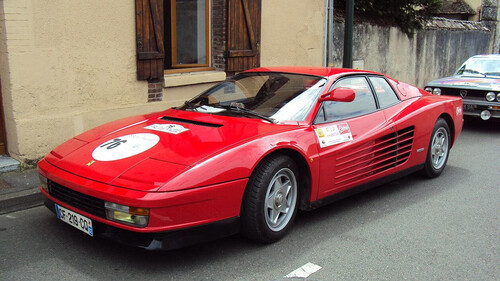
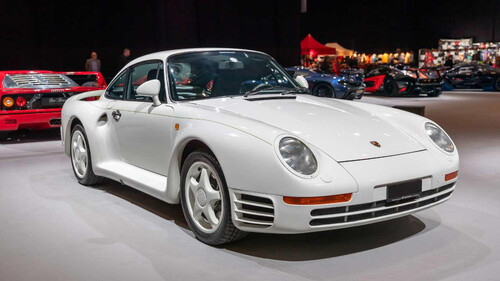
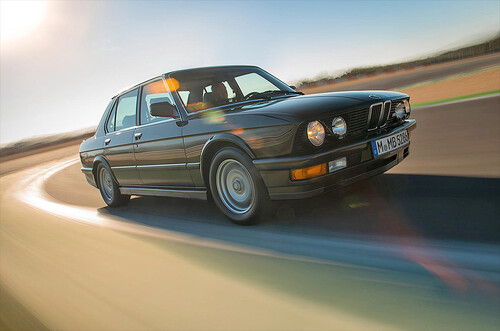
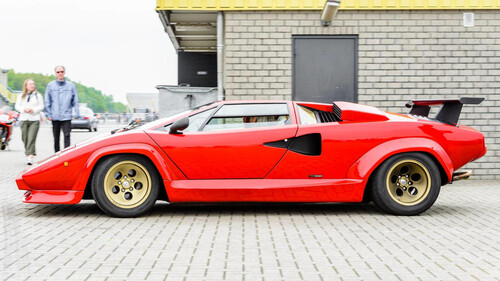
Sleeper cars and fast sedans may seem like a new concept, but they go way back. The 1949 Oldsmobile 88 is considered by many to be not only the world's first muscle car (predating the Pontiac GTO by 15 years) but also the OG sleeper car. That's to say, sticking a 303-cubic-inch Rocket V8 with 135 horsepower in an unassuming coupe body would catch out many sports cars of the day.Then there are sleeper wagons such as the Olds Vista Cruiser, a baby boomer wagon with a 365-horsepower 355. But it wasn't until the '80s and early '90s that sleeper cars really turned the volume up to 11. There was one car in particular that mixed the body of an old taxi cab with supercar levels of power - and the public went ballistic. Few cars have caused such a stir... Supercars Had Speed All Their Own Way In The '70s and '80s Bring a Trailer It's the '80s and going fast is the preserve of rock stars and stockbrokers. Muscle cars had been hit hard by the Malaise Era, with many models struggling to out-muscle a hedgetrimmer, and so it was left to the Italian exotics to take care of speed. The Ferrari Testarossa and Lamborghini Countach were the poster cars for high-performance, with only the rich and famous (and the odd Miami policeman) being in a position to buy one. With these cars came a bunch of compromises too.Firstly, your hair had to be highlighted (light perm optional); secondly, you probably wouldn't want to drive too far or actually park when you got there; thirdly, you couldn't have any extended family outside of film star wife or husband. Supercars of the '80s were mad, bad, often small, and temperamental to own. You certainly wouldn't be using one to pop down to Blockbusters to return that VHS of Field Of Dreams. Super Sedans Were Just Becoming A Thing Via: Bring a Trailer But out of all this wild egotistical hedonism, there was something strange happening. German carmakers and tuners had started to realize that for every bouffanted crooner who wanted to drive around town in the real life version of Outrun, there were also people who wanted to go fast without drawing too much attention. One of the first products of this way of thinking was the E28 BMW M5. This super sedan used a barely-changed M88 six-cylinder out of the BMW M1 supercar (arguably the greatest M car), providing 286 horsepower and a sprint to 60 mph in 6.5 seconds.The W124-based AMG Hammer took things even further, using a 355 horsepower, 5.5-liter V8 for a sprint to 60 mph in 5.1 seconds. But while the AMG Hammer had near supercar power, one thing went against it: it was considerably more expensive than a supercar. In 1987, a Hammer would cost you $125,000, whereas a Ferrari Testarossa of 1985 cost just $94,000. But there was another car that offered more power than the Hammer, for a lot less money. The Lotus Carlton Was A Taxi With Supercar Power Stellantis Mention the name Vauxhall Carlton (or Opel Omega in the rest of Europe) in the '80s, and a lot of people would probably think of a late night taxi. The original Carlton had arrived in 1978 and had all the worthy, mass-produced large sedan credentials (cheap, spacious...) that made it the perfect chariot to repatriate drunk people to their respective homes. The second-gen Carlton arrived in 1986, and while there was a range-topping and slightly underappreciated GSI3000 model, it slotted neatly into the walk-straight-past-it ubiquity of middle-management sedans. But Lotus, which had recently been taken over by GM, had a plan. Lotus boss Mike Kimberley in the late '80s, pitched the idea of the Lotus Carlton as a way of jazzing up the model. The Lotus Carlton Was One Of The Fastest Cars On The Road Stellantis Lotus decided to blow the output of the latest 315-horsepower M5 out of the water. The Lotus Cartlon features a 3.6-liter straight-six with twin Garrett T25 turbochargers and an intercooler. Lotus also fitted Mahle pistons, uprated con-rods and a new crankshaft, connecting the engine to a Corvette ZR-1 ZF S6-40 six-speed gearbox. High-end AP Racing brakes took care of returning the car to sensible speeds. The self-leveling suspension was pinched from the Senator. The Carlton received an aggressive bodykit and rear wing, with 17-inch Ronal alloy wheels. the finishing touch was Imperial Green paint that looks black in most lights.The 419 pound-feet of torque was nearly up there with a Lamborghini Diablo, and the 372 horsepower was just a few ponies off the Ferrari Testarossa's 380 hp. The sprint to 60 mph in 5.1 seconds was faster than the latest Ferrari 348, and the Carlton could hit 100 mph in 11.5 seconds. But that wasn't what got people talking — it was the top speed. Officially, the Carlton would top out at 176mph, but Lotus test drivers reported 180mph with a tailwind, and the car was certified to 182 mph. How The Lotus Carlton Compared To Supercars StellantisFor starters, even Lotus' own supercar, the 1989 Lotus Esprit Turbo SE wouldn't stand a chance when it comes to top speed. That car only reaches 157 mph. A Ferrari 348 runs out of puff at 166 mph, a 1990 Chevrolet Corvette ZR-1 at 171 mph, and a 1990 Acura NSX at 163 mph. “I wanted supercar performance to push the performance envelope," Kimberley told Hagerty. "I knew what our German friends at BMW and Mercedes and Porsche were exploring and planning and they weren’t hanging back. We wanted to set the benchmark, globally, for acceleration, handling, refinement and primary safety before they did.” The Lotus Sedan Terrified The Public Stellantis Building a sedan that could hit 180 mph in the early '90s didn't seem to sit that well with some people. The Ford Sierra Cosworth had already single-handedly given insurance companies sleepless nights, with a reputation for being fast, tempting to steal, and big enough to fit a few TVs from the local electronics shop.The press campaigned to get the Lotus Carlton banned, and the Association of Chief Police Officers reportedly called it "an outrageous invitation to speed". But the problems didn't end there. Quickly, ram-raiders and criminals realized that they could half inch a Lotus Carlton, stuff it with stash, and unless the police had a Porsche 959 or McLaren F1, they wouldn't stand a chance. Suddenly, the concept of an under the radar, apparently blacked-out supercar-power sedan, seemed a bit scary. Which, let's face it, just adds to the Lotus Carlton's legendary status these days. The Lotus Carlton Is A Forgotten Bargain Today StellantisIn the end, just 950 Lotus Carltons were produced from 1990 until 1992, making it an incredibly rare car. But despite its notoriety and rarity, the Lotus Carlton is not completely out of reach. The average price of a Lotus Carlton in 2026 is $57,307, according to Classic.com, which is surprisingly cheap. The top speed of almost 180 mph certainly hasn't dated either — this is still pretty formidable for a four-door sedan even 35 years later. With a Ferrari 348 ts costing on average $81,207, it might be worth considering a Lotus Carlton. You'll save money and go even faster.Sources: Hagerty.com; Classic.com