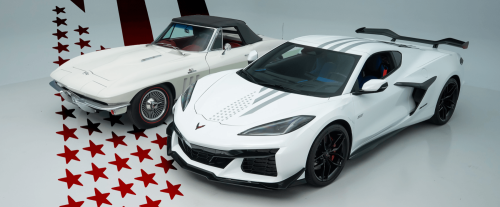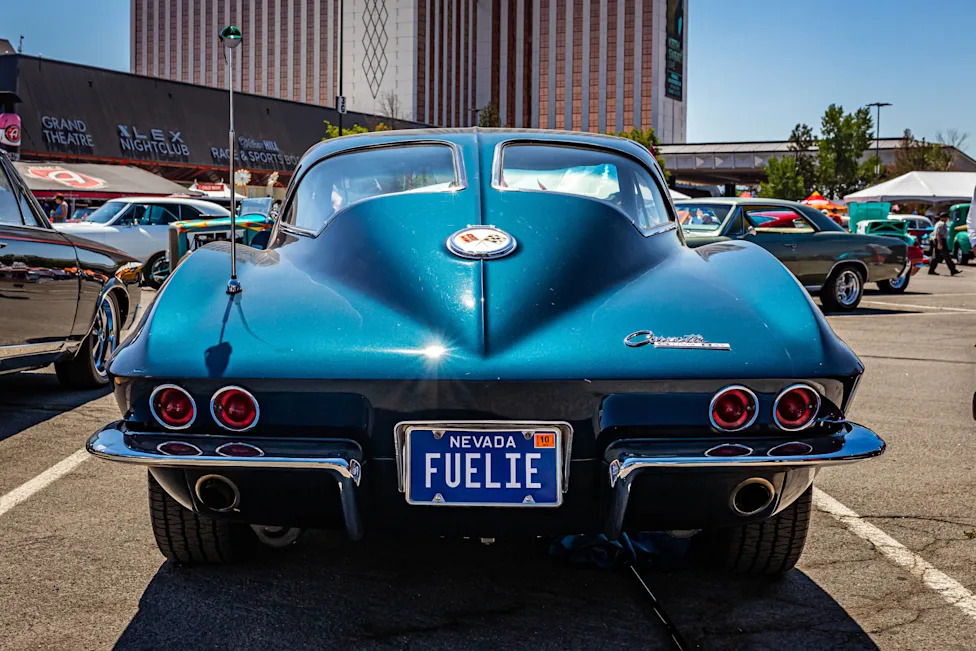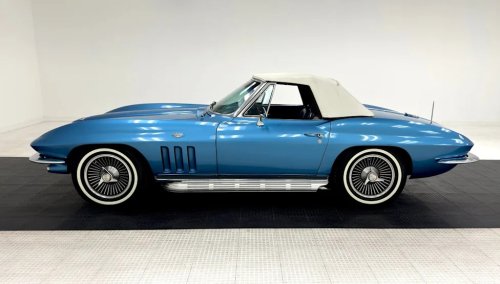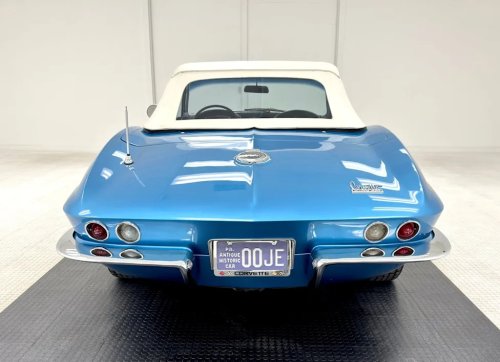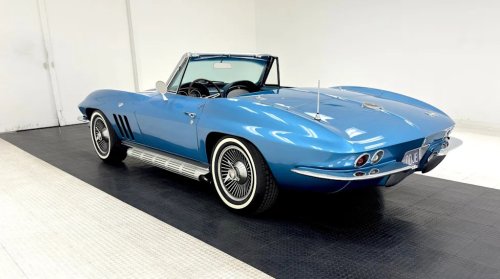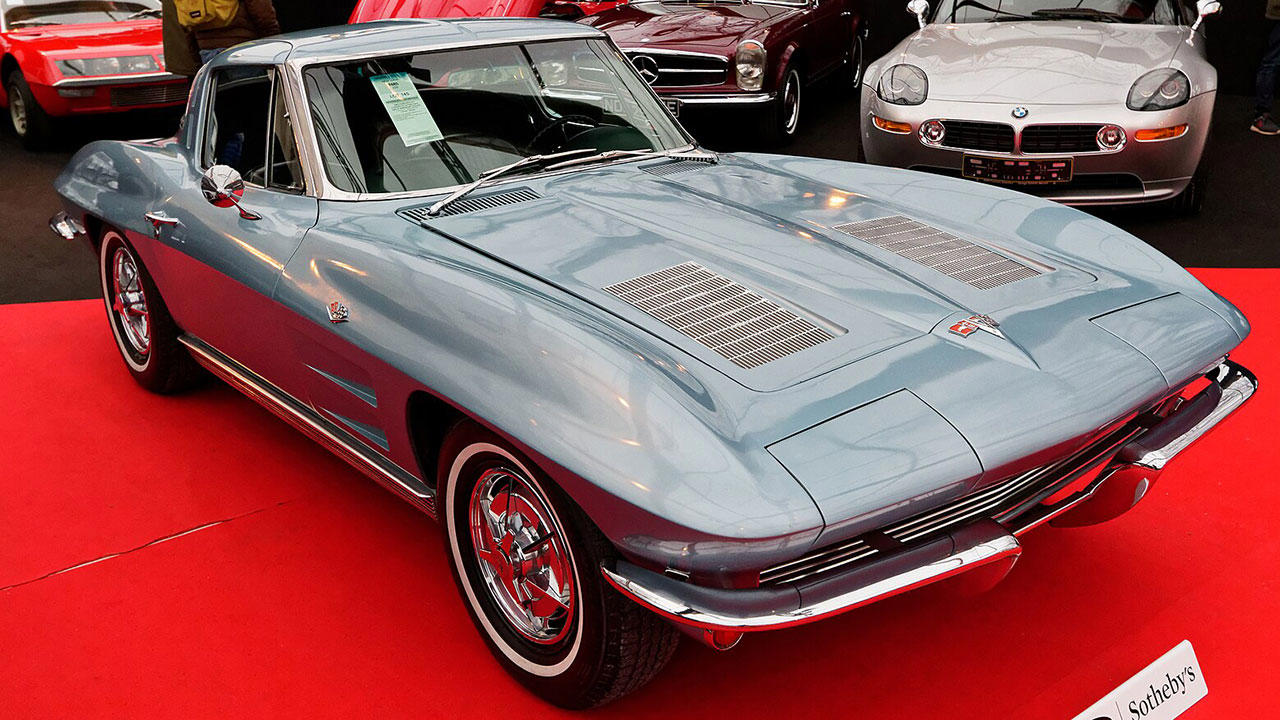



















The Corvette Sting Ray changed how people saw American sports carsThe 1963 Chevrolet Corvette Sting Ray did more than refresh a model line. It reset expectations for what an American sports car could look like, feel like and achieve on the road and track. With its radical shape and serious engineering, it forced enthusiasts in the United States and abroad to see American performance as something more than straight-line thunder. That shift did not happen in a vacuum. The Sting Ray arrived at a moment when domestic performance cars were growing more powerful yet still felt heavy and crude. By combining racing experience, bold styling and new chassis thinking, the Corvette team turned a stylish two-seat cruiser into a focused sports machine that could finally stand beside European rivals on its own terms. From fiberglass experiment to serious contender The Corvette story started a decade before the Sting Ray, when Chevrolet launched a fiberglass-bodied two-seater that looked exotic but relied on existing sedan hardware. Early cars were more image than substance, and for several years the Corvette was in danger of fading away. As later histories of the model’s first seven decades explain, the car only survived because a small group inside Chevrolet believed the brand needed a true performance flagship and kept pushing the project forward inside what would become an 70 years of history. Racing quickly exposed the gap between the Corvette’s image and its abilities. Engineers used competition as a laboratory, experimenting with lighter components, more powerful small-block V8s and better suspensions. Those lessons filtered into limited-production packages and track-only efforts, but the regular production car still carried the compromises of a parts-bin chassis and styling that was already aging by the end of the 1950s. Inside Chevrolet, the answer was a clean-sheet second generation. The project took cues from experimental racers that had already proven the value of a stiffer, more compact frame and a more aerodynamic body. By the early 1960s, the company had the pieces for a genuine sports car: independent rear suspension, a range of potent V8s and a design team willing to abandon the soft curves of the original in favor of something far more aggressive. The Sting Ray arrives like a shock When the Chevrolet Corvette Sting Ray finally reached showrooms for the 1963 model year, it looked like nothing else on American roads. One eyewitness described how, in 1963, the car arrived “like a shock across the American” car scene, with a shape that felt as modern as a jet and as exotic as anything from Europe. That reaction is preserved in a personal account titled Corvette Sting Ray, which captures how the coupe’s split rear window and sharp nose could stop passersby in their tracks. The Sting Ray nameplate itself first appeared on a production Corvette in 1963. Earlier concept cars had hinted at the term, but the new generation made it official. Histories of the model note that 1963 marked the moment when the Stingray identity fused with the Corvette, signaling a more purposeful direction for the car and distancing it from the boulevard-only image that had clung to the first generation. Styling was more than a fashion statement. The low, pointed front, hidden headlamps and crisp character lines gave the car a planted, dynamic stance even at rest. A fastback roof on the coupe, with that now legendary split rear glass, suggested speed and sophistication. Contemporary design analysis highlights how the bulging hood and creased surfaces from nose to tail were shaped not just for drama but to work with the new chassis underneath, a point that later C2 history pieces underline. Part of the Sting Ray’s impact came from how futuristic it looked compared with other American cars. Domestic performance models of the era tended to be full-size coupes with chrome-heavy styling. The Corvette Sting Ray, by contrast, sat lower, with a cabin pushed rearward and a short rear deck that made it look nimble and ready to change direction. It borrowed some cues from European sports cars but filtered them through a distinctly American sense of drama. Engineering that matched the attitude Under that striking body, the second-generation Corvette finally gained the kind of hardware enthusiasts had been demanding. The most important change was the adoption of an independent rear suspension, which transformed the car’s handling. Instead of a solid rear axle that hopped and slid over bumps, the Sting Ray’s rear wheels could follow the road surface more faithfully, improving grip and stability in corners. The front suspension and steering were also reworked to deliver sharper responses. The chassis was shorter and stiffer than before, giving the car a more compact footprint and better weight distribution. These changes meant the Corvette was no longer just a straight-line machine. It could now attack a winding road or a road course with confidence, a shift that later commentators on the History of the Chevrolet Corvette identify as the turning point for the nameplate. Powertrain options backed up the new chassis. Chevrolet offered a range of V8 engines, including high-compression and fuel-injected versions that delivered serious performance for the time. One earlier fuel-injected small-block, a 283 cubic-inch V8, had already shown what was possible when engineers combined a racing-style chassis with lightweight construction and advanced induction. That engine, with 283 cubic inches and a quoted output of 315 horsepower, demonstrated that an American V8 could be both compact and extremely potent, as described in a retrospective that praises how a 283 cubic-inch unit could produce 315 horsepower. By the time the Sting Ray reached customers, that philosophy had matured. The car could be ordered with engines and gearing tailored for high-speed touring, drag racing or road-course work. Brakes and tires were upgraded to cope with the extra performance. For the first time, the Corvette felt engineered as a coherent sports car rather than a stylish shell wrapped around sedan hardware. That coherence was no accident. The development team, including key figures such as Zora Arkus Duntov, had long argued that the Corvette needed to embrace its racing roots. Later analysis of the C2 generation notes that the performance of the Sting Ray was everything that Zora had wanted from the beginning, with the bulging hood and vented surfaces reflecting the need to clear and cool serious hardware that was finally worthy of the car’s looks. Racing heritage and the “America’s sports car” identity The 1960s were a turning point for the Corvette’s public image. As the Sting Ray hit tracks and magazines, it began to earn a reputation that matched its aggressive styling. Racing programs drew directly on the new chassis and powertrains, and the resulting success reinforced the idea that this was not just a pretty two-seater but a genuine performance machine. Analyses of the Corvette’s competition record describe how the 1960s marked a period when the car fully embraced its racing heritage. The Sting Ray’s independent suspension and powerful engines allowed it to compete effectively in sports car events, and that success fed back into marketing and engineering. One detailed history of Racing Heritage and the Sting Ray Legacy describes how this era pushed Corvette performance to unprecedented levels and cemented the car’s identity as a serious track tool. At the same time, American muscle cars were exploding in power. Big-block intermediates and full-size coupes boasted huge horsepower numbers and straight-line speed, but they were often heavy and clumsy in corners. A later examination of how the Corvette earned its national nickname points out that these cars were “monsters” that delivered bragging rights for horsepower and straight-line performance but were nowhere near as balanced in handling as a well-sorted sports car. That contrast helped the Sting Ray stand out as a more complete package, a point echoed in a detailed look at how the Corvette became America’s sports car. The phrase “America’s sports car” did not emerge from a marketing slogan alone. It grew from the way owners and racers used the Sting Ray. They drove it to work during the week and to the track on weekends. They modified suspensions and engines, then brought home trophies. Over time, that pattern created a feedback loop. As more people saw Corvettes at road courses and autocross events, the car’s identity shifted from stylish accessory to performance benchmark. Internationally, the Sting Ray also changed perceptions. European enthusiasts had often dismissed American cars as large, soft and unsophisticated. The Corvette Sting Ray did not erase that stereotype overnight, but its combination of power, handling and distinctive design forced a reassessment. Here was an American-built sports car with independent suspension, a relatively compact footprint and serious track credentials, backed by a major manufacturer. Design legacy and the split-window mystique Among all Sting Rays, the 1963 coupe with the split rear window occupies a special place in automotive culture. The divided glass was a styling flourish that some engineers disliked because it compromised rear visibility, yet it gave the car a signature look that enthusiasts still celebrate. Later video retrospectives on the model’s origins, such as a feature titled Split Window, emphasize how that single-year detail helped the 1963 Stingray stand out even among other sports cars of its era. The split-window coupe represented the Sting Ray at its most dramatic. The spine running down the roof and through the rear glass made the car look like a living creature, tense and ready to spring. Combined with the hidden headlamps and sculpted sides, it created a profile that is still instantly recognizable. Collectors and historians often point to this model as the moment when the Corvette fully stepped into the role of design leader, not follower. That design leadership influenced subsequent generations. Later Corvettes would evolve toward smoother shapes, then sharper edges again, but they repeatedly returned to themes established by the Sting Ray: a long nose, a short rear deck, muscular fenders and a cabin pulled rearward. Modern coverage of the model’s evolution, including features that trace the car “From Classic to Cutting-Edge,” highlight how the Evolution of the Corvette has repeatedly drawn on Sting Ray cues even as technology and performance have advanced. The Sting Ray’s influence also extends beyond the Corvette line. Its blend of flamboyant styling and serious engineering helped normalize the idea that an American performance car could be both visually daring and technically sophisticated. Later domestic sports and pony cars adopted similar proportions and attitudes, even if they did not match the Corvette’s chassis sophistication. The Sting Ray had shown that American buyers would embrace a sports car that demanded some compromises in practicality in exchange for drama and performance. How the Sting Ray reshaped expectations By the end of its run, the second-generation Corvette had done what the original could not. It convinced enthusiasts that an American company could build a sports car that was competitive with European benchmarks in more than just raw power. Independent suspension, advanced small-block engines and purposeful styling combined to create a car that felt modern and capable, not just loud and fast. More from Fast Lane Only Unboxing the WWII Jeep in a Crate 15 rare Chevys collectors are quietly buying 10 underrated V8s still worth hunting down Police notice this before you even roll window down