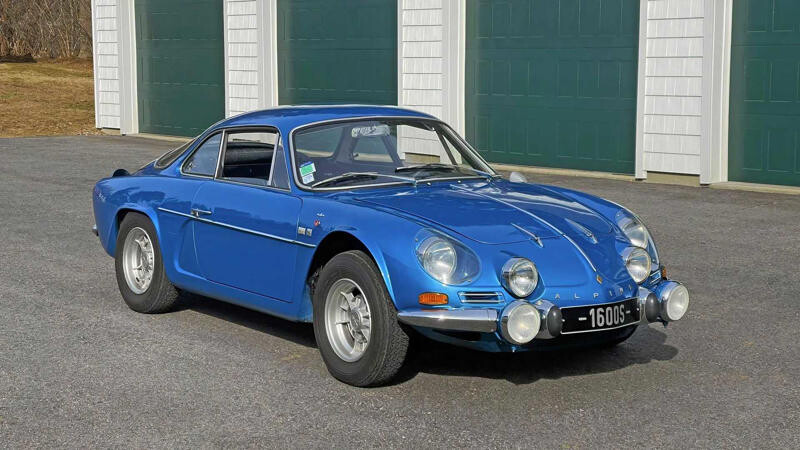
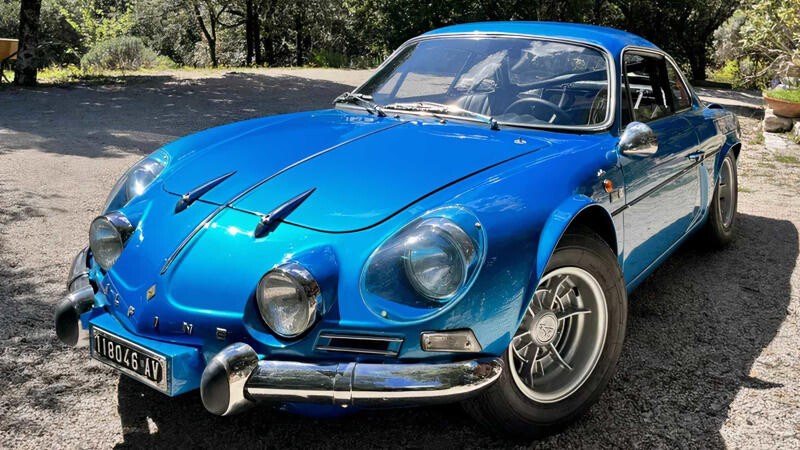
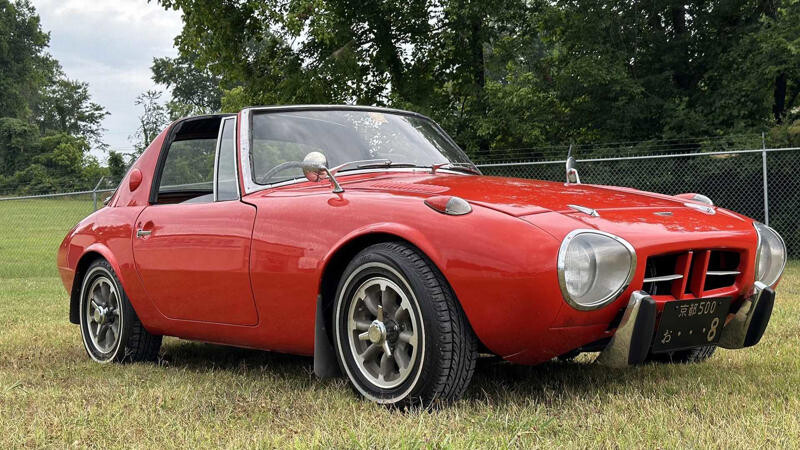
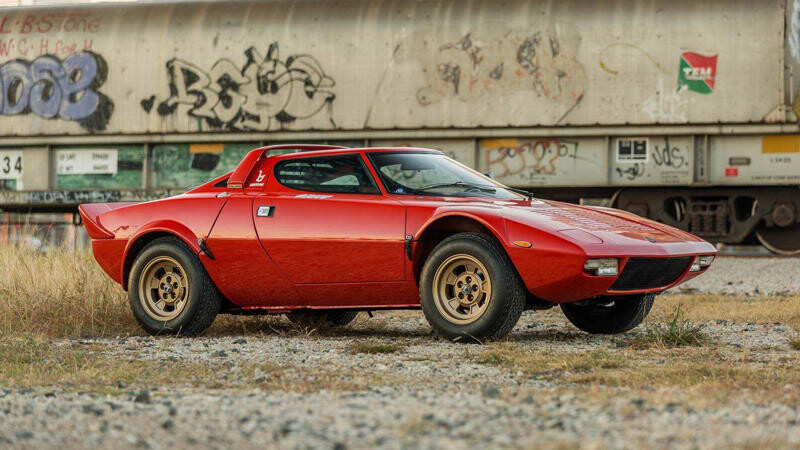
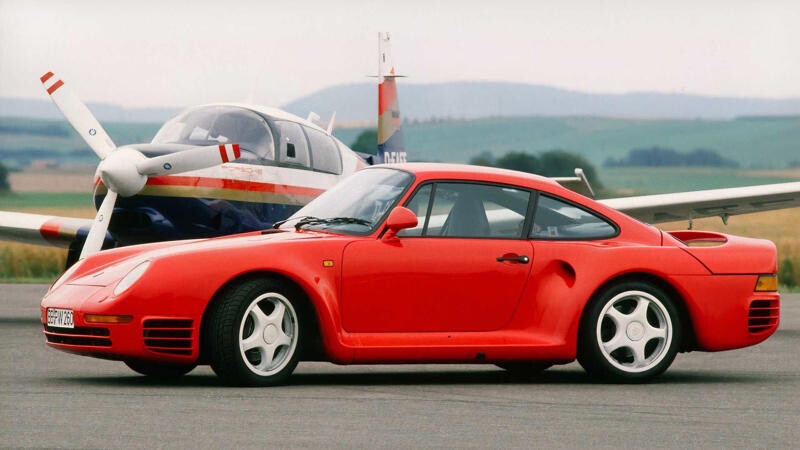
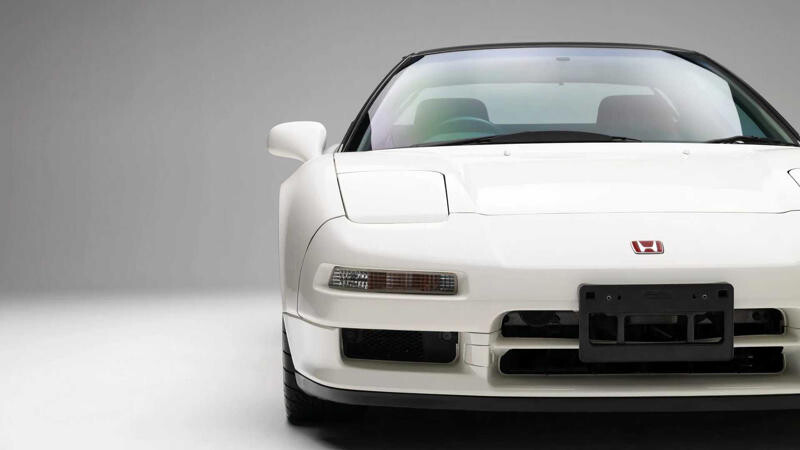
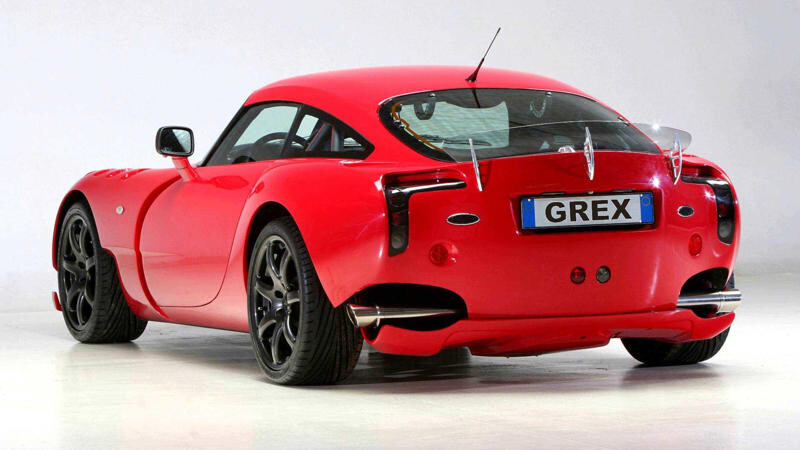
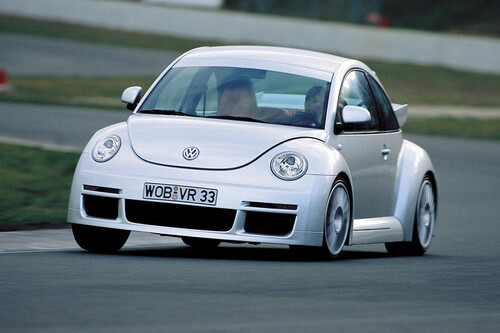
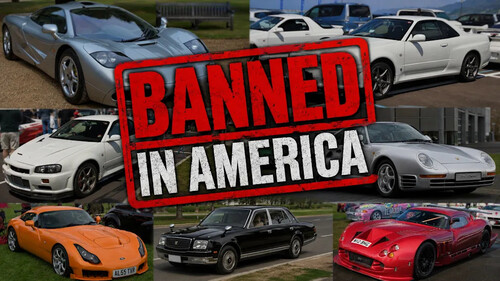
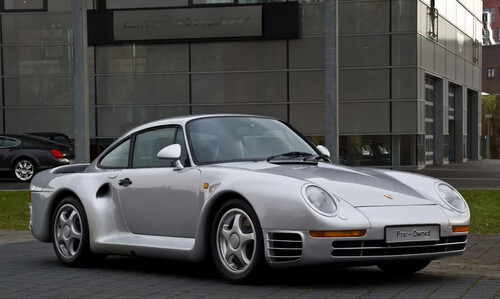
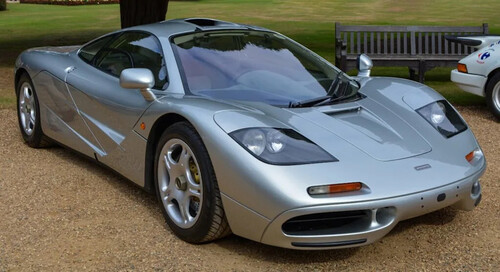
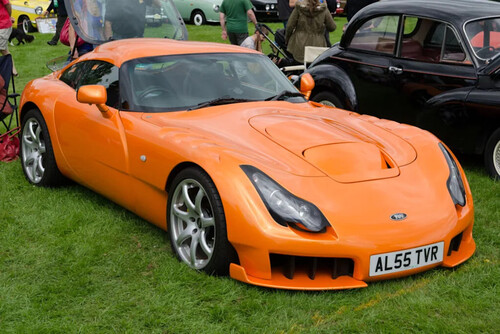
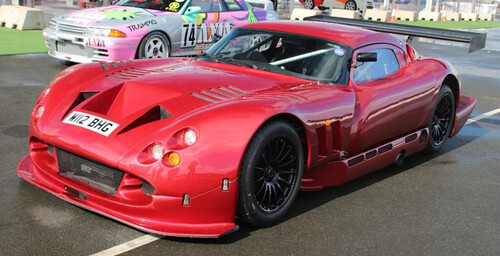
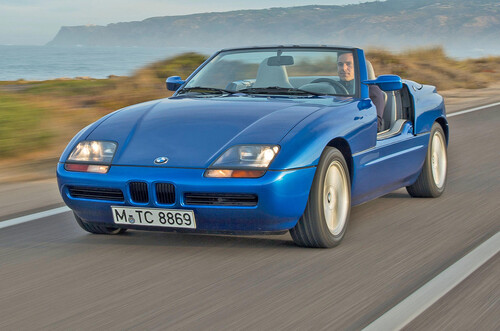
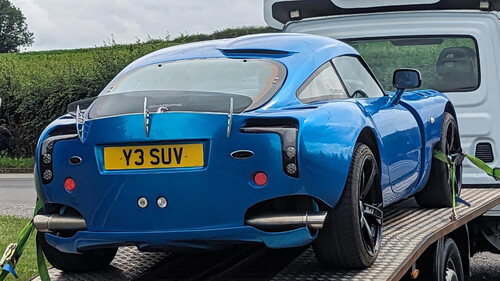
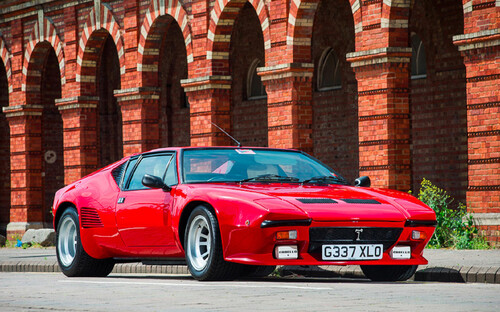
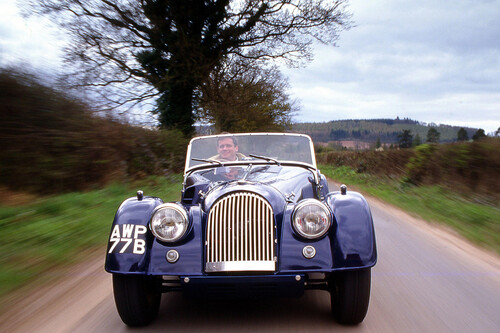
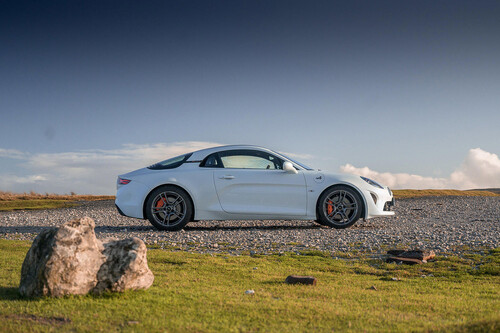
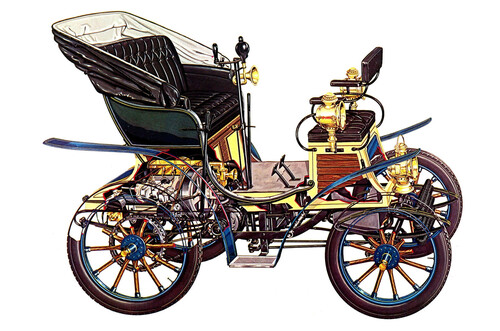
America gets plenty of great sports cars, but it has never gotten all of them. Sometimes a model misses the U.S. because crash rules, emissions laws, or simple business math make federalizing it too expensive. Other times, a car is just too niche to justify the trouble—that is how a great machine becomes forbidden fruit. To be fair, some of them are awesome.That is where the 25-year rule changes everything. Once a car is old enough, Americans can finally import the models they could only admire from a distance when new. That opens the door to some of the coolest sports cars ever kept out of U.S. showrooms—some are tiny and weird, some are rally-bred terrors, some look like they escaped from a motor show stand. All of them offer something American buyers officially never got, and that is exactly what makes them so appealing.The cars in this list are ranked by their launch year, from oldest to newest. Alpine A110 Production: 1962-1977 Bring a TrailerLong before the modern Alpine A110 became the darling of every road test, the original Berlinette had already written the script. Alpine launched the A110 in 1962, and the basic concept had three pillars—lightness, agility, and driving pleasure. A fully operational example weighs around just 1,550 lbs, uses a fiberglass and polyester body, and packs only 102 horsepower. That sounds mild until the scale number sinks in. The car was compact, rear-engined, and eager—the sort of car that could make a narrow road feel twice as wide and twice as fun.Via BaT Its legend, of course, came from rallying. The A110 won the French Rally Championship in 1968 and carried the brand to the World Rally Championship title in 1973. That rally pedigree shows what the road car always was underneath the pretty shape—a weapon built around balance, traction, and nerve. The U.S. market got plenty of muscle and plenty of grand touring coupes at the time, but it never got this particular kind of light-footed French troublemaker. Toyota Sports 800 Production: 1965-1969 BaTThe Toyota Sports 800 looks small enough to fit in the back room of a dealership, yet it matters far more than its size suggests. Released in 1965, it was Toyota’s first production sports car, and it established a formula the brand would keep revisiting for decades – low weight, tidy dimensions, smart engineering, and just enough charm to cover for modest power. Power came from a 790cc air-cooled flat-twin, producing 44 horsepower. Interestingly, the Sports 800 wore a removable roof panel before the targa idea became a sports-car cliché. On paper, its output looks like lawn-equipment territory, but in a body this light and slippery, it was enough to make the whole thing feel alive.What makes the Sports 800 cool today is obviously not power or speed. It is the way the car hinted at entire future chapters of Toyota performance culture. One Sports 800 even finished third at the 1967 Fuji 24-hour race behind two Toyota 2000GTs, which is a very Toyota way to build a reputation. A lesser-known twist adds even more appeal for American collectors – roughly 300 left-hand-drive cars were built for U.S. military personnel in Okinawa. So this tiny coupe was never officially sold here, yet it still had a strange little American subplot. Lancia Stratos HF Stradale Production: 1973-1975 BaTSome road cars borrow from motorsport, but the Stratos feels like motorsport briefly tolerated road use. Lancia introduced the final version in 1971 with that outrageous Gandini wedge, a wrapped windshield, and a Ferrari Dino V6 mounted behind the seats. It became the first car designed specifically for rallying and then mass-produced in limited numbers, which makes it one of the clearest homologation statements ever put on license plates. The shape still looks unhinged, like a concept sketch someone forgot to tone down for production.BaT The details only make it better. Lancia says the car used fiberglass doors and body sections for quicker rally repairs, and even the road car kept quirks like helmet storage bins and the famous primary-color interior. Only 500 examples were built for homologation, yet that was enough to unlock one of rallying’s great dynasties. The Stratos won three straight world titles from 1974 through 1976, and its Monte Carlo record became the stuff of folklore. The Stratos was tight, hot, noisy, and about as relaxed as a clenched fist. Unfortunately, America missed out on an official road-going version of one of the purest competition-minded street cars ever built. Missing a Stratos is like missing a moon landing because the TV antenna fell over. Porsche 959 Production: 1987-1988 PorschePorschePorsche describes the 959 as a technology-packed supercar with sequential twin turbos, all-wheel drive, adjustable ride height, and a 197 mph top speed when it launched in 1986. That made it the world’s fastest production car at the time, but the bigger story lies in how much future tech it bundled into one machine. Porsche also notes that the 959 helped shape the company’s decision to pair future turbocharged sports cars with all-wheel drive. That alone makes the supercar influential for the entire brand.Porsche That brilliance also made it one of the most famous American headaches in sports-car history. NHTSA records show the agency refused a proposed Porsche 959 import in 1991 because the car did not comply with the rules then governing nonconforming vehicles. Today, that whole battle feels almost quaint, because NHTSA also states that any vehicle at least 25 years old can be imported without regard to FMVSS compliance. So the 959 eventually escaped the legal maze simply by aging into it, adding another layer to the car’s mystique. BMW Z1 Production: 1988-1991 Bring a TrailerBMWBMW built the Z1 like an engineering experiment that learned how to charm people at parties. Most people know the car for one trick – the doors drop straight down into the sills and can stay open while the car is moving. That sounds like a gimmick until the rest of the specs show up—the Z1 used a hot-dip-galvanized monocoque, plastic outer body panels, a front-mid-mounted inline-six, and a reworked rear axle designed to improve balance and cornering ability. That sounds a lot like a test bed for materials, packaging, and manufacturing ideas. The Z1 was the start of the Z line, but it also felt like a glimpse of a version of BMW that loved taking weird risks in public.Bring a Trailer Only 8,000 were built, and each one feels half production car and half concept that somehow escaped the stand. The removable outer panels hinted at easier repairs and fresh styling possibilities, while the long hood and compact cabin previewed a whole family of later BMW roadsters. Even the disappearing doors did more than entertain bystanders and reminded everyone that engineering can still be playful. The U.S. eventually got Z cars, and some were very good, but it never got the oddball origin story with the doors that vanished into the body. Honda NSX-R Production: 1992-2005 Bring a TrailerThe Honda NSX-R is one of the best examples of Honda finding speed through discipline instead of noise. The firm introduced the first NSX-R in 1992 as the very first Type R, and the company says engineers cut as much as 250 lbs from the lightest version compared with the standard NSX. Because Japan’s power cap culture limited easy headline grabs, Honda did not go the obvious route of more rated output, and instead, the team focused on weight reduction, engine response, finer balance, and harder-edged chassis tuning. Simply put, Honda turned an already great mid-engine car into something leaner and more serious by trimming comfort.Bring a Trailer It also created the Type R myth. Championship White paint, the red badge, the stripped cabin, and that obsessive attention to feel all started here. Honda later revived the formula with the second-generation NSX-R in 2002, adding more aero and more carbon fiber, but that later version still sits outside the U.S. 25-year import window until 2027. The earlier 1992 to 1995 cars are the ones American collectors can legally pursue now. With just 483 examples produced, finding one is a difficult task. Autozam AZ-1 Production: 1992-1994 Bring A TrailerThe Autozam AZ-1 is proof that common sense does not always produce the coolest car. Mazda took kei-car rules, added gullwing doors, stuck a turbocharged 660cc engine behind the driver, and somehow kept a straight face through the entire project. The AZ-1 grew from a 1989 concept model into a 1992 production micro-coupe with plastic body panels, a midship layout, and steering that felt like a racing kart. The car looked absurdly low and dramatic, like someone shrank a supercar in the wash and decided it still looked great. They were right.Bring A Trailer That is why enthusiasts still obsess over it. The AZ-1 is not fast by American V8 standards, but that misses the point by a mile. The point is scale, response, and nerve—everything happens close to the driver, and every sensation feels bigger because the car itself is so tiny. It’s worth noting that Mazda had an OEM agreement with Suzuki for micro-mini vehicles, which explains why Suzuki later sold its own version of the same basic machine as the Cara. Renault Sport Spider Production: 1996-1999 BaTWith the Spider, Renault kicked the door open into sports cars, then forgot to install a windshield. The model became the first road-going model to wear the Renault Sport name and went so far in its pursuit of performance that occupants were expected to wear helmets. No kidding! The car used an aluminum chassis, a rear-mid-mounted 2.0-liter four-cylinder engine, and in its earliest form, only a wind deflector instead of a proper windshield. That’s all you need to know about the Spider’s priorities.BaT The numbers back up the attitude. Renault says the road-going Spider stayed under 1,800 lbs, made 150 horsepower, skipped power steering, ABS, heating, and power brakes, and later spawned a Trophy version with 180 horsepower for a one-make racing series. Around 1,726 were built at Dieppe from 1996 to 1999, the same plant that had once assembled Alpines, which gives the Spider a very tidy place in French sports-car history. What makes it memorable, though, is not just its layout or its rarity – it’s the mood. The Spider felt uncompromising in a cheerful, slightly mad way with scissor doors, open-air drama, and a driving position that told the driver to get serious. Lotus 340R Production: 2000 autoevolutionLotus has made plenty of light, stripped, and deeply unserious-looking serious cars. Even so, the 340R stands apart. Revealed as a concept in 1998 and built in 2000, the Elise-based 340R used a bare-minimum composite body, no roof, no real doors, and just enough structure to keep the whole experiment road legal where Lotus sold it. Only 340 were produced, each with a 1.8-liter engine, 177 horsepower, and a laughably tiny 1,250 lbs weight. An optional 190-horsepower upgrade pushed power-to-weight to 340 hp per ton, which is where the name came from.via Motor1 The 340R mattered because it took Lotus philosophy and removed the last traces of politeness. The Elise already preached lightness, and the 340R sounded like the same sermon delivered through a megaphone and a helmet. Thanks to NHTSA’s 25-year rule, 2000-built cars now clear the basic age hurdle for U.S. importation, which makes the 340R one of the tastiest legal oddballs American enthusiasts can chase right now. For someone who wants a machine that feels half race toy and half mad science, the 340R is hard to top. TVR Sagaris Production: 2005-2006 TVRThe TVR Sagaris looks like someone sketched a race car during a thunderstorm and never bothered to calm it down afterward. That is a huge part of its appeal – derived from the T350, the Sagaris arrived in the mid-2000s with a naturally aspirated 4.0-liter Speed Six, about 400 horsepower, a manual gearbox, rear-wheel drive, and styling that seemed one vent away from becoming a comic-book prop. The 0-60 mph sprint took around 3.7 seconds, and top speed was well into the 180-mph range – that is still serious performance even now. Back then, wrapped in a TVR body and stripped of modern safety nets, it felt completely feral.For many enthusiasts, it also represents the end of an era for TVR. It still kept the brand’s trademark rawness, though, with little in the way of driver aids and a chassis that demanded attention. America never officially got this beast, and as of March 2026, there is one more catch – the Sagaris is still too new for the 25-year exemption because production ran from 2005 to 2006. So this is the one car on this list that still asks American fans to wait. Because, you know, the maddest machine here would also be the one still playing hard to get.