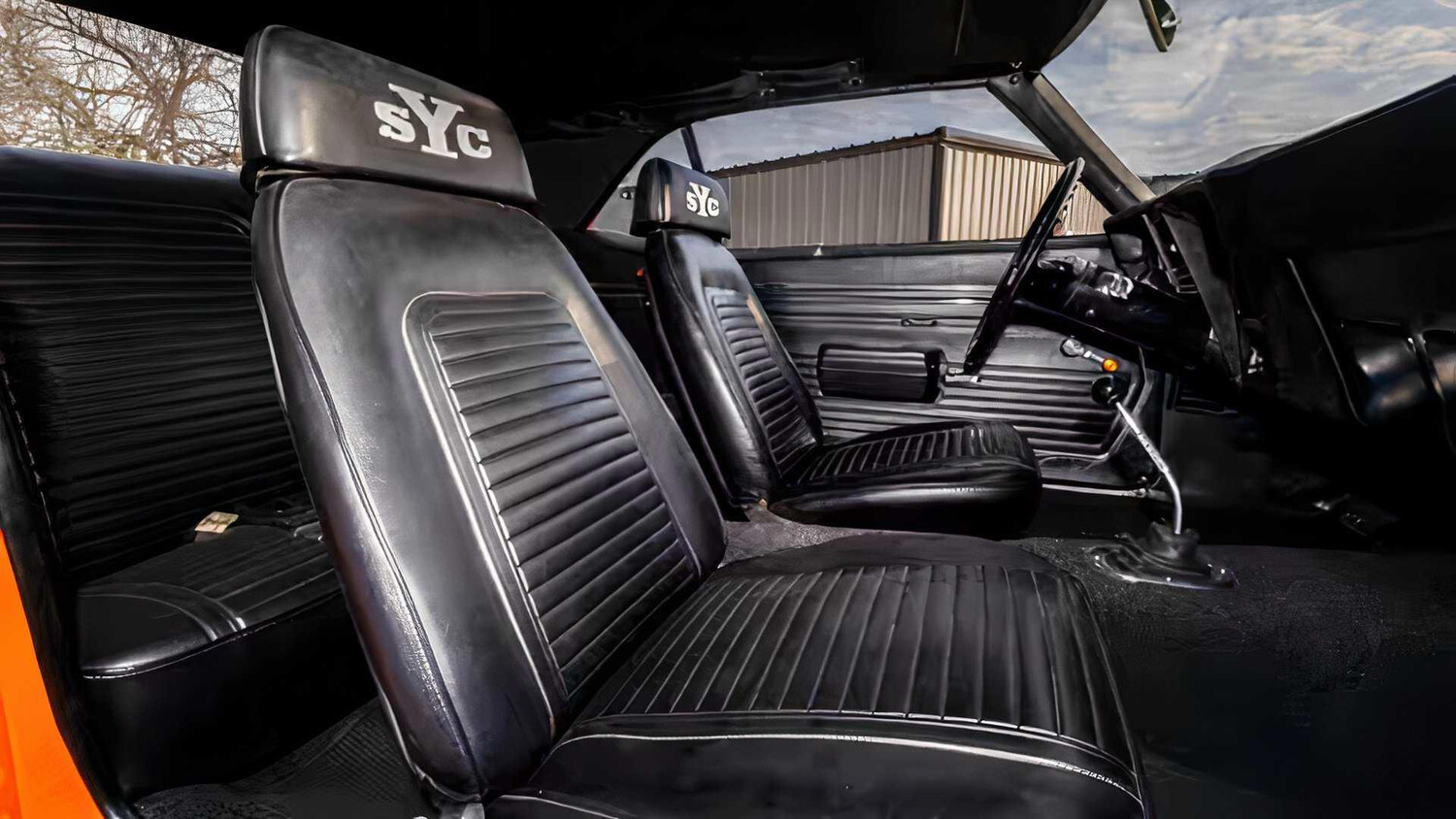
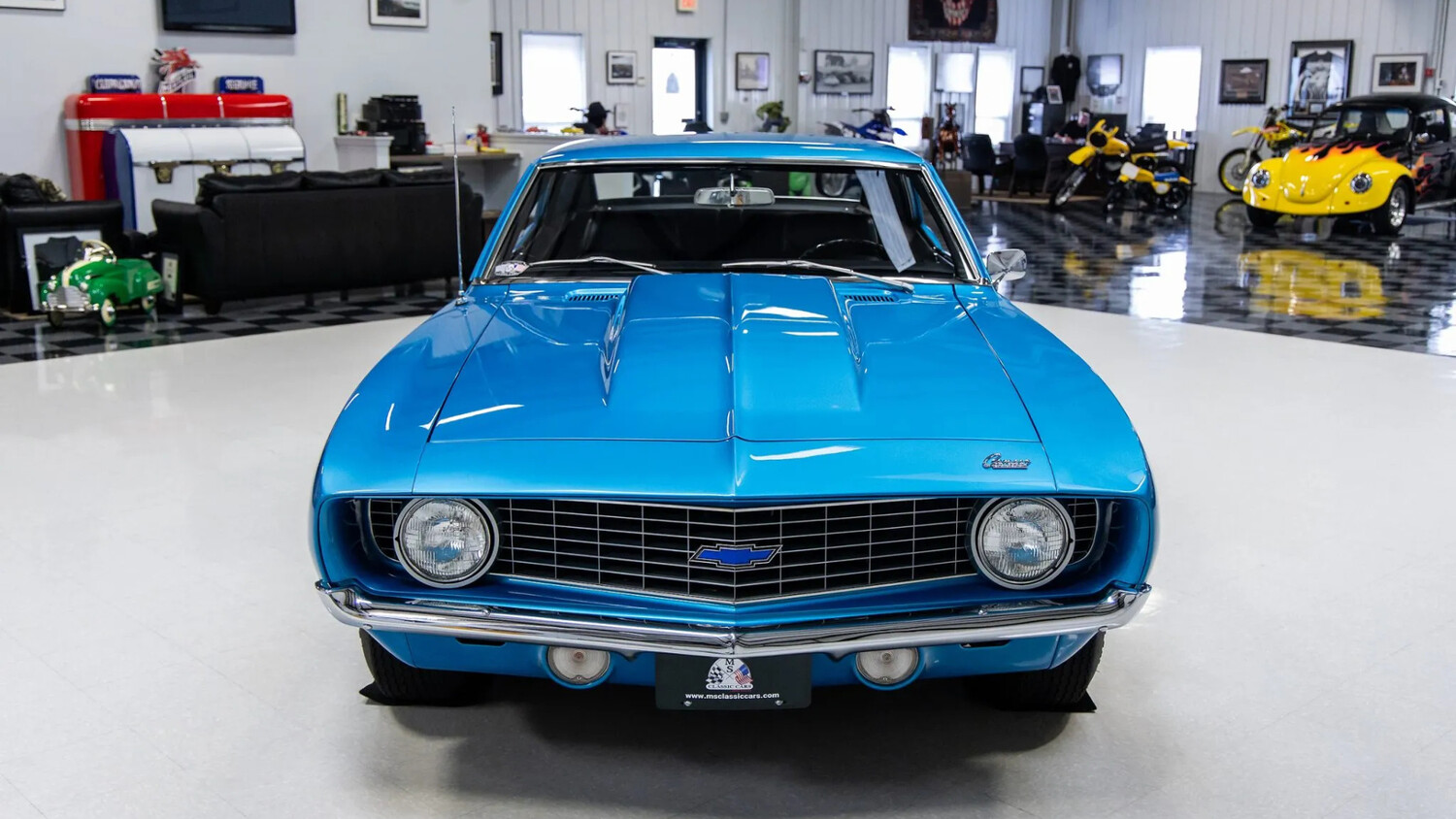
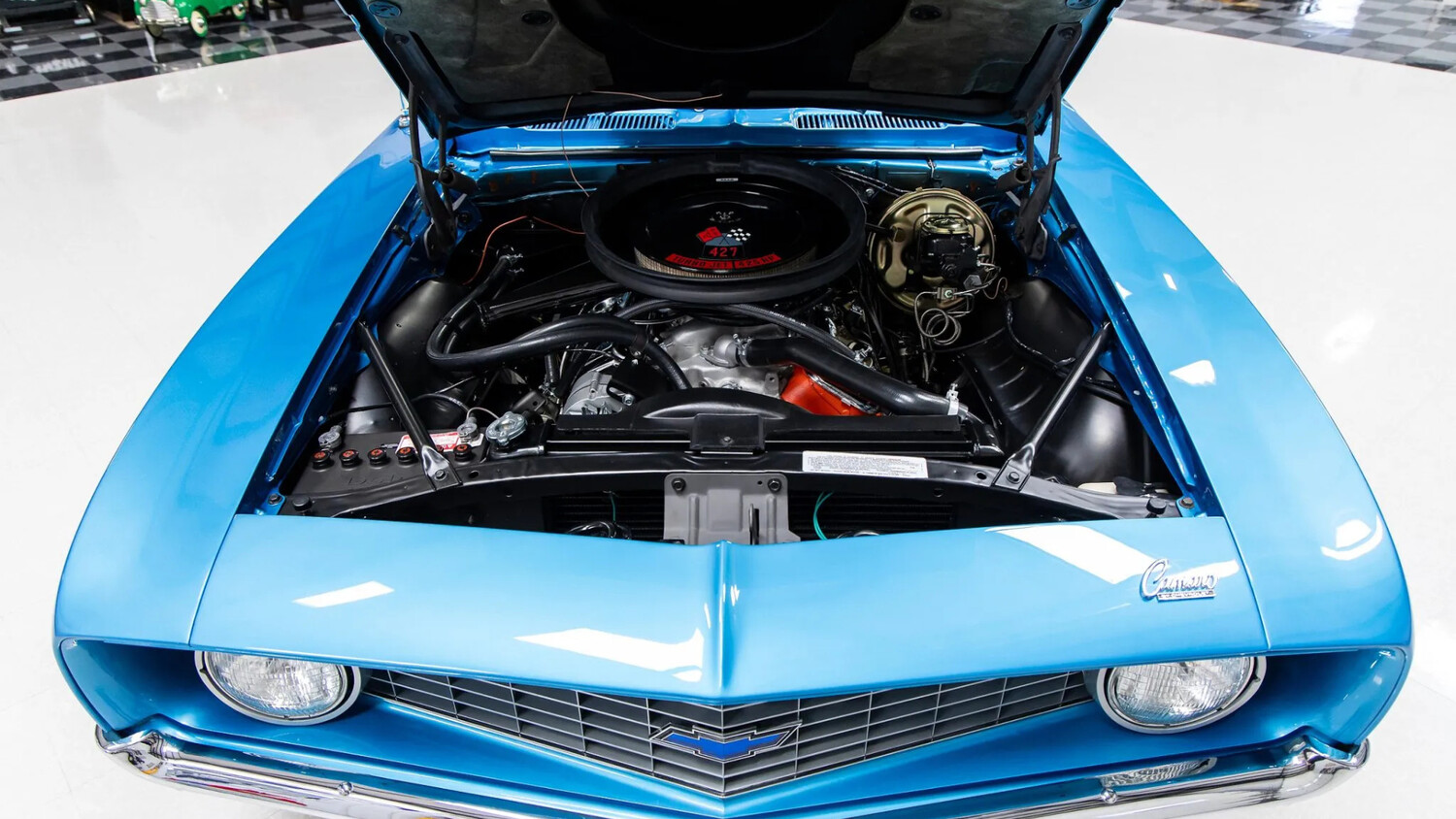
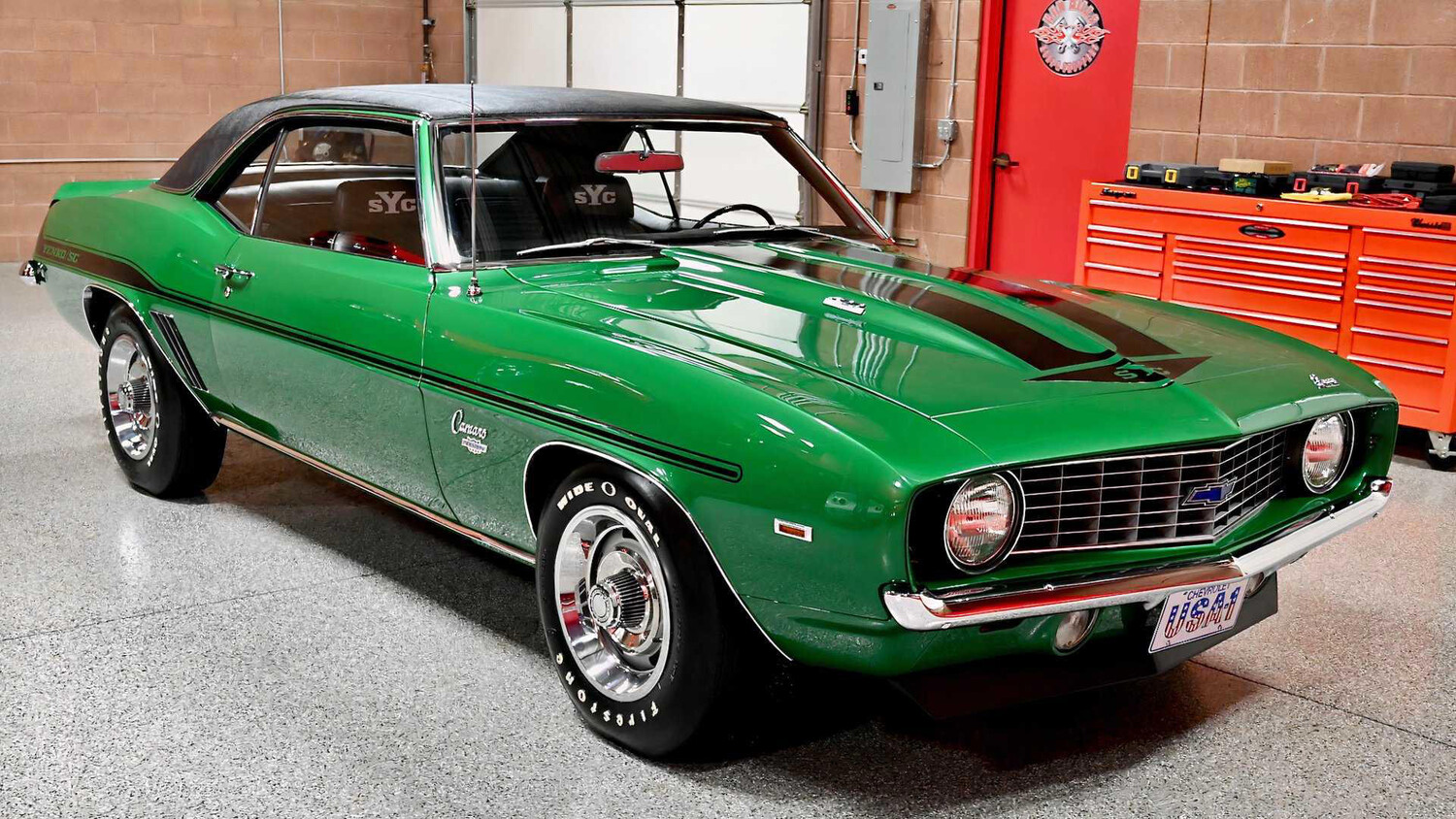
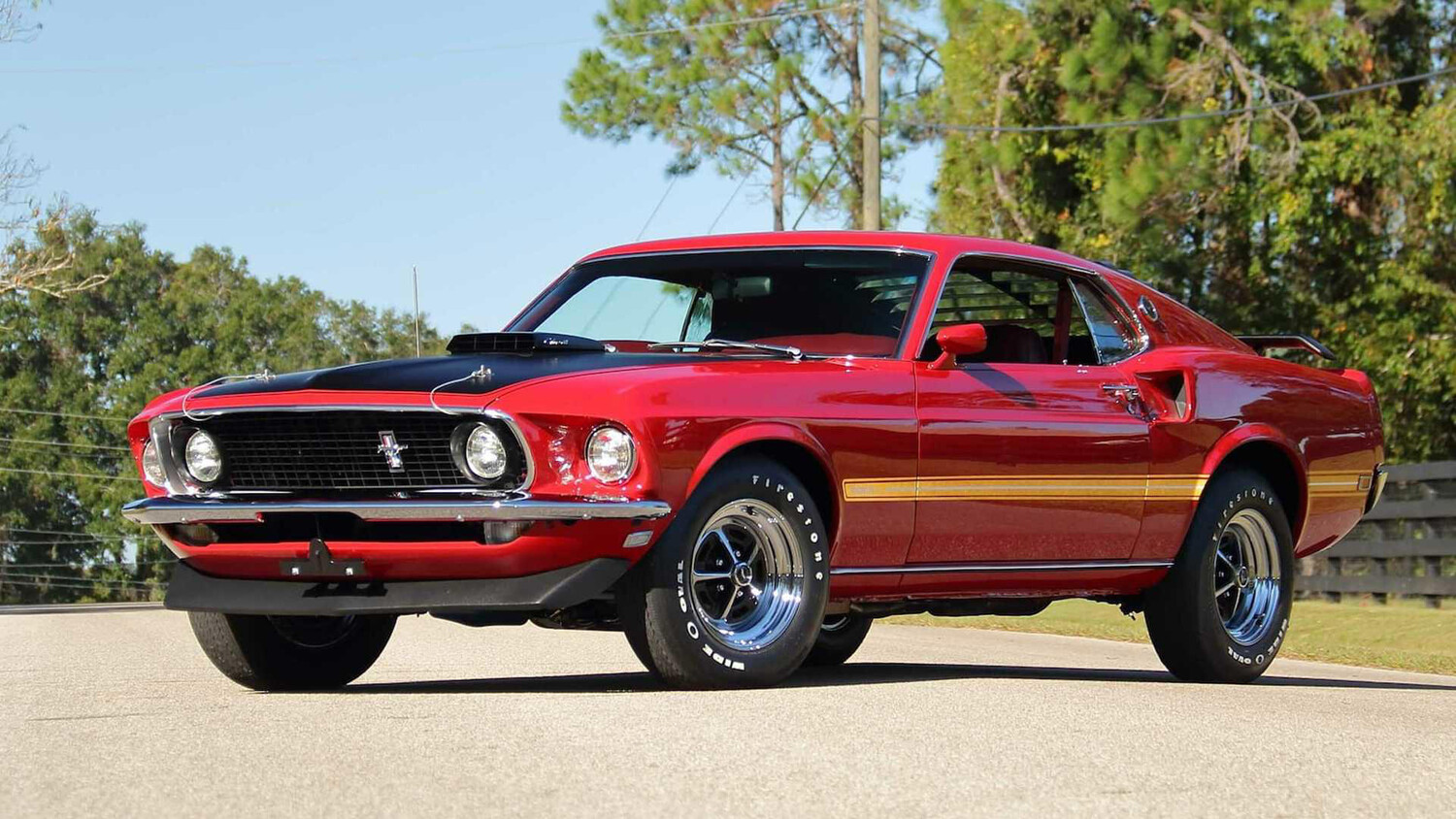
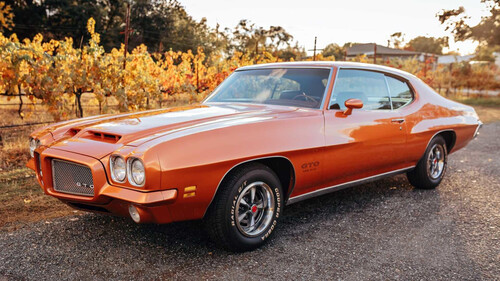
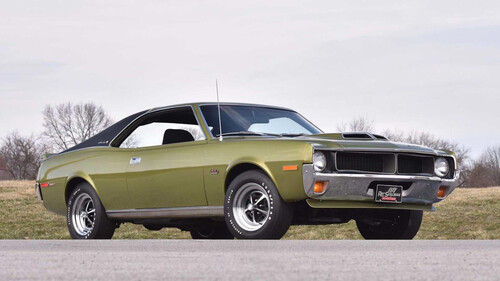
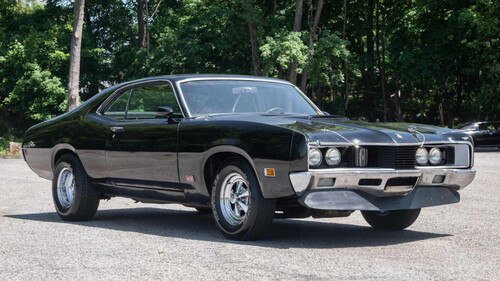
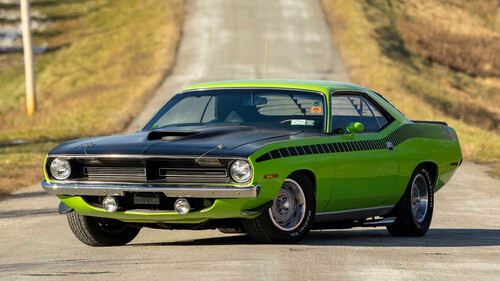
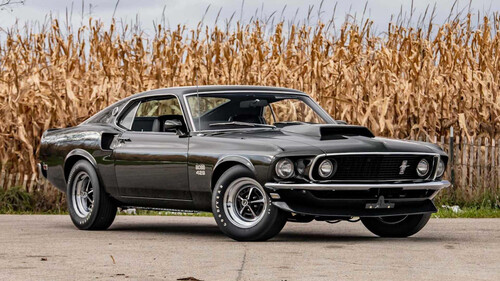
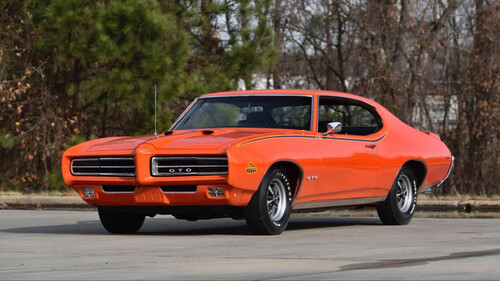
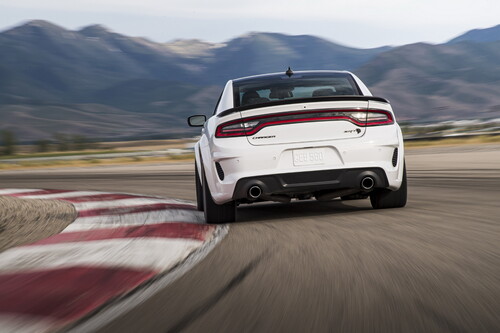
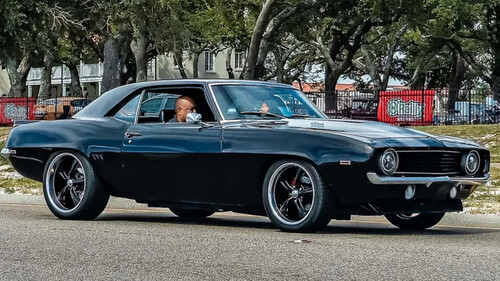
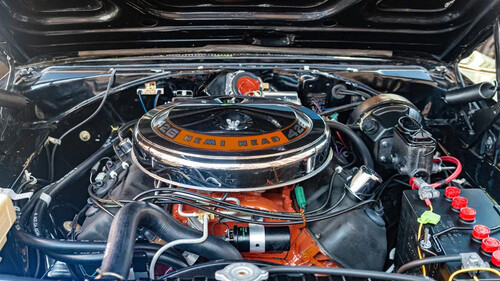
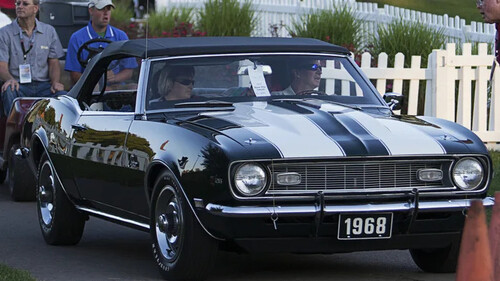
General Motors loved rules in the late 1960s. Some of them lived on paper, and some lived in the heads of managers who pictured a pony car spinning into a ditch and landing on the news. One big rule mattered most to the horsepower crowd, though – keep the really big engines in the bigger cars. A light, short-wheelbase coupe didn’t “need” a 427, at least not in the eyes of the people who had to sign off on warranty claims and explain insurance headlines. So GM drew a line, and it drew that line at 400 cubic inches for the small stuff.But racers and hot-rodders never cared much about lines. They also knew a secret – GM’s order system had a back door meant for fleets and special builds, not for street brawlers. A sharp dealer could use that paperwork to order a muscle car that looked like an everyday coupe, parked like an everyday coupe, and idled like it had a grudge. Then it would roast the tires through first and second, like it forgot what traction meant. The Loophole That Made The Forbidden Camaro Possible MecumChevrolet created the Central Office Production Order program for dull work. Cities and companies used it to order taxis, police cars, and other fleet rigs with odd mixes of heavy-duty parts. The system let Chevrolet bundle options in ways the regular order sheet wouldn’t allow, and it let dealers ask for combinations that sounded “special purpose” enough to get approved. COPO orders often showed up as plain codes and numbers, which made them look harmless in a stack of paperwork. Think of it as ordering off-menu, except the menu sat in a corporate filing cabinet.Then a few performance dealers spotted the opening and leaned in hard. If COPO could bolt the “wrong” parts into the “wrong” vehicles for fleet duty, it could also bolt the “right” parts into the “right” vehicle for one very specific duty – the quarter-mile. Dealer Fred Gibb had already used COPO on Novas to get a big-block and an automatic in the same car, so he could meet racing rules and sell a batch that counted.That success made the idea contagious, and other dealers wanted their own outlaw combo. Don Yenko, a racer and Chevy dealer with a healthy allergy to “no,” pushed the idea into the spotlight.via Mecum As the story goes, a dealer didn’t have to write, “Dear Chevrolet, please build a street fighter.” The dealer just had to order a package that looked like a legit special requirement. In practice, that meant “heavy-duty” everything and an engine that corporate policy didn’t want in a small pony car. It helped that COPO orders didn’t live in the same lane as regular production options, so the usual corporate guardrails didn’t always show up at the gate. In other words, the loophole ran big enough to drive a big-block through. The 1969 COPO Camaro 427 L72 Was An Ultra-Rare Drag Car For The Road via Bring A TrailerThe best part for a troublemaker was what Chevrolet didn’t add. A plain COPO Camaro didn’t need stripes, badges, or a loud hood callout to do its talking. Unless a dealer added its own graphics, the car could sit in a grocery store lot looking like it brought home lawn fertilizer, not fear. It could also roll on simple steel wheels and hubcaps, which felt almost rude considering what sat under the hood. Then the driver could leave two black marks long enough to qualify as new lane markings.via Bring A Trailer Chevrolet aimed COPO 9561 at buyers who cared more about function than flash, and the order sheets often proved it. Many cars skipped creature comforts, not because Chevrolet hated music, but because racers hated weight. MotorTrend even details a Canadian-delivered COPO that left the factory without a radio and with a stack of hard parts that mattered more than an AM dial. The driver also had to live with solid lifters and high compression, which meant more tuning and better fuel than the average commuter wanted to think about. These cars could drive on public roads, but they didn’t act politely on them. Big-Block Power And Heavy Duty Upgrades via MecumThe L72 engine gave the COPO its headline, but the support parts made it a real package instead of a bad idea. That engine came with 11.0:1 compression, forged parts inside, and a solid-lifter cam that demanded real maintenance. Chevy topped the engine with an aluminum intake and a 780 cfm Holley four-barrel, then backed it with a heavy-service radiator to keep temps from turning ugly.The induction setup also carried a purpose, not just a look. COPO 9561 cars used cowl-induction hardware, and the ZL2 hood became one of the few visual hints that something serious lived underneath. The hood sip cooler, higher-pressure air near the windshield base. That trick helped the big-block breathe when the secondaries opened, and it helped the driver feel like a hero, which counts for something on a Saturday night.via Mecum Behind the engine, Chevrolet matched the hardware to the mission. Buyers could choose a three-speed Turbo Hydra-Matic or a four-speed manual, and Chevy paired those transmissions with a tough 12-bolt rear axle. The standard gears sat at 4.10:1, with 4.56:1 available for buyers who wanted the car to leap forward like it stepped on a Lego. The automaker also paired the driveline with an Eaton Positraction setup aimed at hard launches.The chassis and brakes got the same treatment – heavy-duty shocks and springs (the F41 setup), a front stabilizer bar, and Chevrolet made power front disc brakes mandatory. It also knew the car would weigh more than a small-block coupe, and with reports running the math to a curb weight around 3,496 pounds with key options, which still gave the car a nasty power-to-weight ratio for the era.The result, according to a test by Super Stock & Drag Illustrated magazine (August 1969 issue), is a quarter mile in a jaw-dropping 12.59 seconds at 108.2 mph. That makes it faster than almost every other production muscle car at the time, including the '69 Hurst/Olds 442 W-30 (13.98 seconds) and Hemi-powered 1969 Dodge Charger R/Ts (13.48 seconds). Only About 1,000 Were Produced via Bring A Trailer COPO 9561 didn’t roll out by the tens of thousands. Chevrolet built a small run, and the number stays shockingly low for a company that measured success by the mile of cars leaving the plant. MotorTrend reports 1,015 total L72 COPO 9561 Camaros for 1969, split between four-speed and automatic versions. For comparison, the even rarer COPO ZL1 version landed at just 69 units, which shows how quickly this special-order world could turn from “rare” to “myth.”MotorTrend also lists 822 COPO 9561AA cars with a four-speed and 193 COPO 9561BA cars with an automatic. The automatic choice sounds odd until someone remembers drag racing loves consistency – a well-built automatic repeats the same launch, and racers love anything that removes excuses. Plus, it leaves one hand free to keep the steering wheel pointed mostly forward, which seems useful.via Bring A Trailer The dealer network shaped where these cars landed, too. Performance-minded stores grabbed the biggest share, then sprinkled cars out across the map. Chevy shipped 75 COPO 9561 cars to Canada, and GM of Canada paperwork later helped owners prove a car’s identity. That detail turned into a big deal decades later, because a clone can look perfect in photos, right up until someone asks for documents. In the COPO world, the papers often matter as much as the pistons. The Yenko Cars Added Dealer Swagger via Mecum Don Yenko wanted faster and more capable cars straight from the factory. In 1969, he leaned on the same COPO channel and paired COPO 9561 (the L72 427) with COPO 9737, the “Sports Car Conversion” bundle that loaded in more heavy-duty gear. Then Yenko added his own flavor with sYc identity and dealer attitude, which turned a stealthy factory bruiser into something people could spot from across a cruise night.The numbers stayed tiny. Yenko built 201 of his 1969 "Super" Camaros, and he even claimed 450 horsepower in his marketing, because “425” apparently didn’t sound scary enough. That Yenko name now acts like gasoline on COPO value – it doesn’t just make the story better, but also makes the price tag meaner. Prices For '69 COPO Camaros Are Astronomical In 2026 via Bring A Trailer Collectors don’t pay COPO money for a story alone – they pay for proof. A real COPO 9561 needs paperwork, correct stamps, and a parts list that matches what Chevrolet actually built.In 2026, the numbers can make a grown enthusiast swallow hard. Classic.com lists the highest recorded sale of $440,000 for a first-gen COPO Camaro, dated January 24, 2026. Hagerty’s valuation page also shows a “good” (#3) condition value of $124,000 for a 1969 Camaro COPO with the L72 427, which hints at how high the baseline sits even before the bidding gets spicy. That’s the kind of market that turns old build sheets into priceless art, and it turns “found one in a barn” stories into instant group chats.Then the outliers show up and wreck everyone’s sense of reality. The COPO story includes dealer-linked unicorns like the first Yenko prototype, and those cars live in a different universe. Classic Industries reports that the 1969 COPO Yenko Camaro prototype sold for $1,815,000 at Mecum Kissimmee on January 17, 2026. Even “regular” Yenko COPO cars can sit deep into six figures, like one example that Classic.com lists as selling for $709,000 at RM Sotheby’s in August 2025. Detroit's Big-Block Rivals Mecum Auctions Detroit ran a full-contact horsepower war in 1969, and every brand tried to build something that could scare the guy in the next lane. Ford answered with the 428 Cobra Jet, especially in cars like the Mustang Mach 1. A period road test of a 428 Mach 1 recorded quarter-mile runs in the 13.9-second range at about 103 mph, and the writers called it one of the quickest standard passenger cars they had tested.Mopar, meanwhile, brought its own blunt tools. Dodge’s 440 Six Pack (or Six Barrel, depending on the badge) used three Holley carburetors on an aluminum intake and carried a 390-horsepower rating. The setup also included a Dana 60 axle with 4.10 gears, plus a matte-black lift-off hood with pins in some factory-style trims. That setup looked like a racecar because it basically was one, just with a license plate. If someone wanted a sleeper, Mopar would politely point at the hood pins and laugh.Mecum Then the 426 Hemi entered the chat, as it always does. Dodge lists the 426 Hemi in the Super Bee family at 425 horsepower and 490 lb-ft of torque, and those numbers match the COPO Camaro’s official 425-horse rating in a way that still feels like a bench-racing dare. The difference came down to weight, gearing, and how hard each car could hook on its tires. The Hemi’s reputation also brought heat, which made the COPO’s stealth even more valuable in a world full of street challenges and parking-lot dares. The COPO could show up quiet, race hard, then disappear before the stories caught up.Mecum Even inside GM’s own walls, the COPO Camaro had to flex. Pontiac offered the Firebird’s Ram Air IV 400 in 1969, officially rated at 345 horsepower and 430 lb-ft, and that motor already pushed the limits of what a “small” car should handle. Chevrolet’s official Camaro ladder topped out at a 396 listed at 375 horsepower, which kept the corporate peace. The COPO Camaro broke that peace by grabbing 427 cubes and a drag-first driveline, then slipping past the gate on a technicality.GM didn’t want that kind of in-house chaos, which explains why it took a loophole, a stack of paperwork, and a few stubborn dealers to make this almost-factory drag car real. Today, that tension gives the COPO its flavor – it wears the clean lines of a normal ’69 Camaro, but carries hardware that Chevy built for racers who hated excuses.Source: Chevrolet, Hot Rod, MotorTrend, Hot Rod,