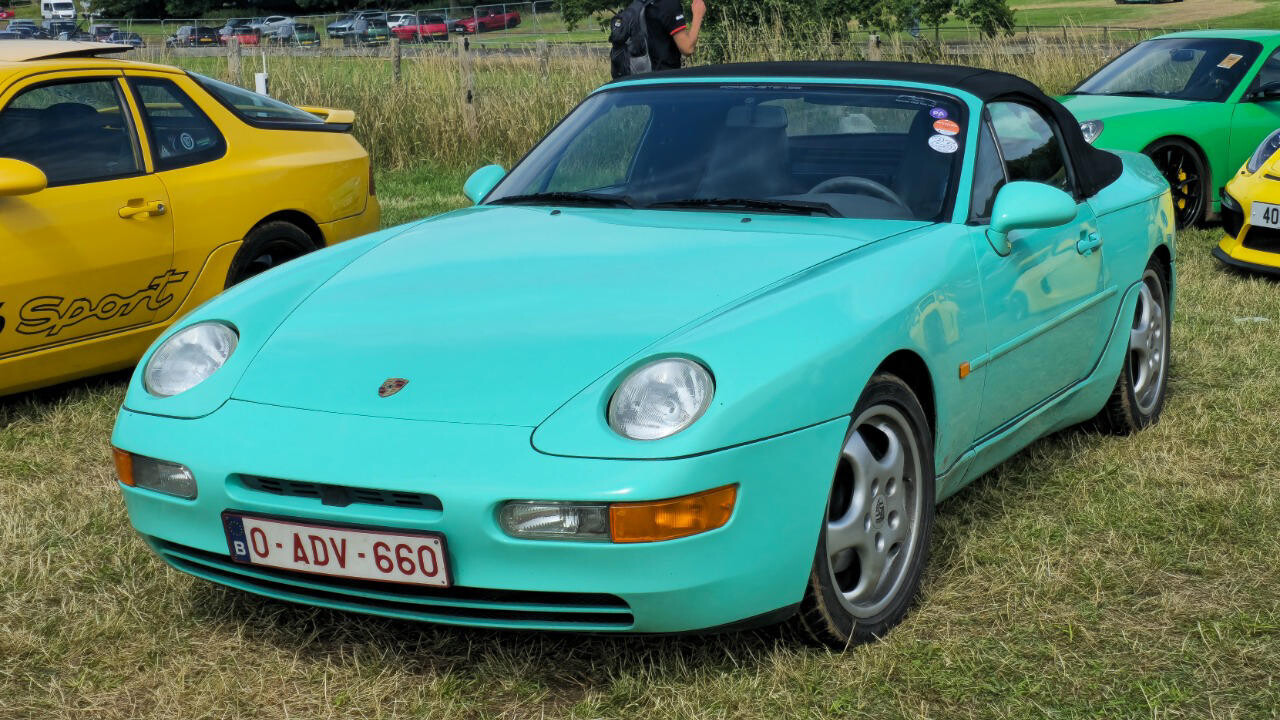
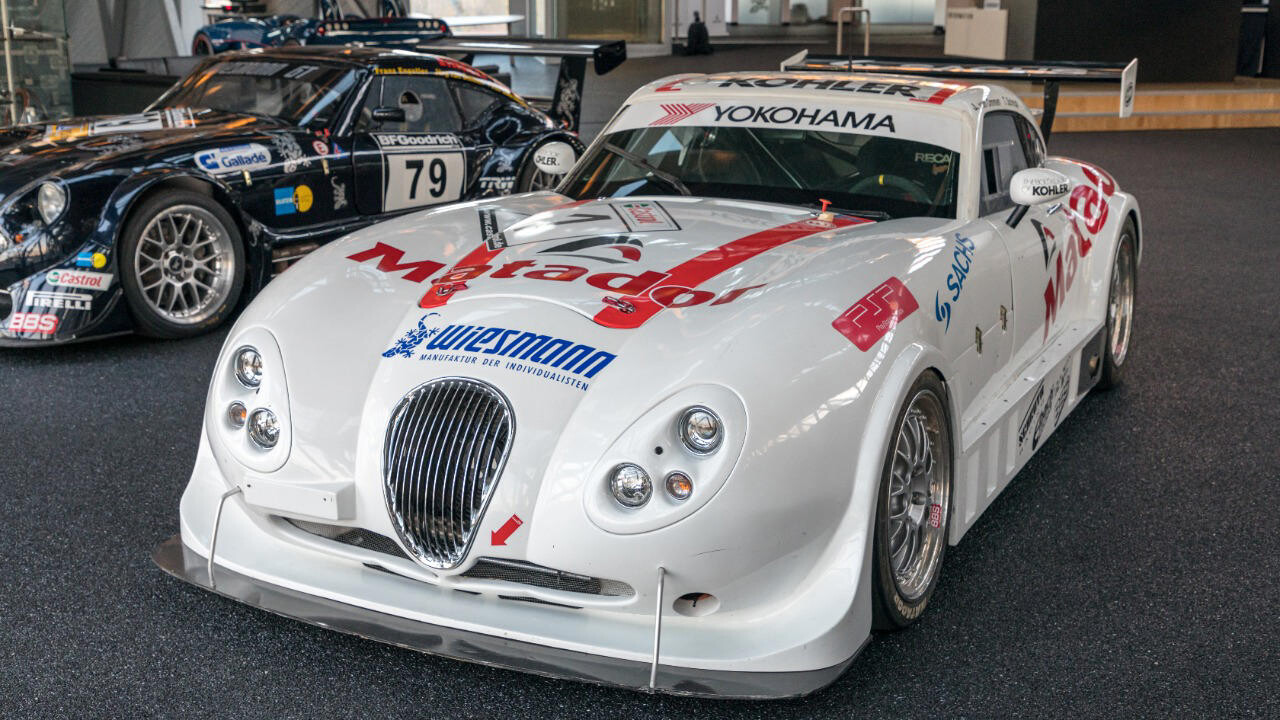
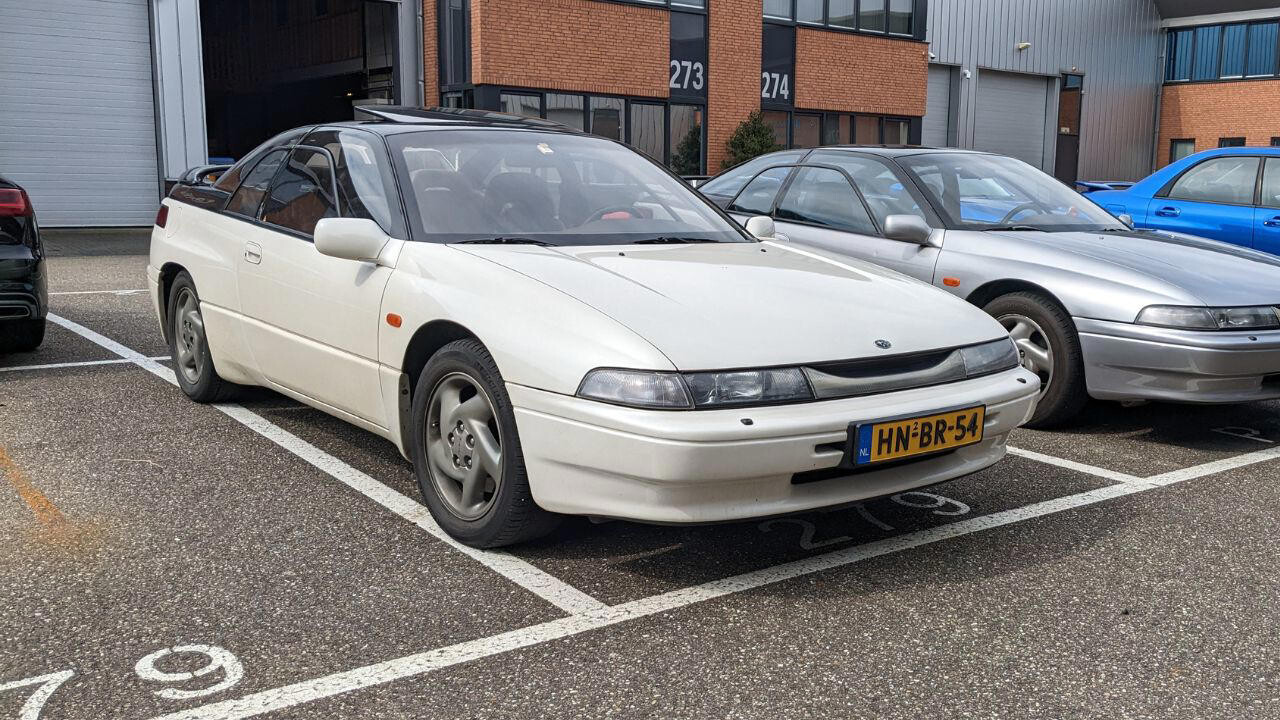
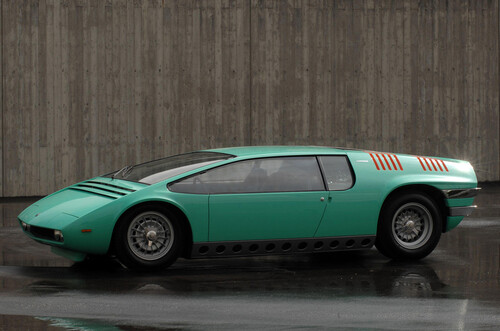
Collectors are quietly circling a group of sports cars that once struggled in showrooms but now trade on rarity and character. From Jun era experiments like the BMW Z1 to obscure American coupes such as the Merkur XR4Ti, these machines show how time can flip market fortunes. Each entry here started as a niche bet by brands like Ford, Porsche, and Maserati, then slipped from public view before enthusiasts rediscovered their performance and design as values for clean examples began to climb.BMW Z1The BMW Z1 has shifted from quirky late eighties experiment to serious talking point among collectors. Jun era reporting on the car highlights how the BMW Z1 used hydro-mechanically operated doors that dropped into the sills, along with fender-mounted mirrors and unusual thermoplastic body panels. One detailed rundown of BMW innovations underlines how unusual that engineering package looked beside a conventional 3 Series. Production numbers stayed low, and the Z1 never became a mainstream hit, which aligns with the idea that “Scarcity is a helluva drug” for future values. That phrase appears in a Jul discussion of how flops can later become sought after, where one commenter argues that “Being a flop is exactly what will make them valuable in the future” and that “Lots of cars were considered flops” before prices rose. The Z1 fits that pattern perfectly, combining limited supply with unmistakable styling that now attracts collectors who want something different from a typical roadster.Porsche 968 ConvertibleThe Porsche 968 Convertible is a textbook example of a model that enthusiasts overlooked for years, then slowly began to appreciate. An Oct survey of rare sports cars notes the 968 Convertible alongside other undervalued machines, describing it as a small, classic Italian-influenced sports car in spirit, with great handling and a balance that rewards committed drivers. Another Jun feature on forgotten models explains that the Porsche 968 arrived as the last front-engine four-cylinder sports car from the brand, which already made it unusual. Because the 968 sat between the 944 and later Boxster in the timeline, it never developed the same fan base as air-cooled 911s or big V8 cars. Yet limited production, practical usability, and a connection to Porsche heritage now appeal to buyers who want a more attainable entry point. As collectors chase rarer specifications, clean Convertible examples are starting to look like smart long-term holds rather than cheap used Porsches.Bizzarrini 5300 GTThe Bizzarrini 5300 GT is one of those names that appear in specialist histories, then surprises newer enthusiasts when they finally see one. A Nov list of old sports cars that many people forgot existed places the Bizzarrini 5300 GT alongside icons such as the Ferrari Daytona, officially known as the 365 G, and the Maserati Khamsin. That context shows how seriously historians rate the Bizzarrini, even if casual fans rarely recognize it. Giotto Bizzarrini created the 5300 GT with a front-mounted V8 and dramatic bodywork that still looks modern. The same Nov coverage that mentions Jaguar Sport XJR and GTB models points out how low production stayed, which has a direct impact on collectability. With so few cars built, any surviving 5300 GT automatically becomes a centerpiece in a collection. As values for more famous Italian exotics climb, attention naturally spills over to rarer alternatives like this one.Jaguar Sport XJR 15The Jaguar Sport XJR 15 is another car that spent years in the shadows despite its extreme specification. Nov reporting on forgotten nineties performance cars describes how Jaguar Sport XJR projects grew out of endurance racing success, including winning Le Mans in 1988. The Jaguar Sport XJR road car carried that pedigree into a carbon-rich chassis that looked more like a prototype racer than a showroom model. Production numbers stayed tiny, and the price was high, which limited visibility and kept the car out of mainstream magazines. That same scarcity, combined with Le Mans links, now makes the XJR 15 attractive to collectors who already own more common supercars. As interest in nineties motorsport grows, this model stands as a physical reminder of how aggressively Jaguar pursued racing technology for the road, and why niche projects can later become highly sought after.Wiesmann GT MF5The Wiesmann GT MF5 blends German engineering with retro-inspired styling, which initially confused buyers but now intrigues collectors. A Jun feature on forgotten sports cars explains that the Wiesmann GT MF5 used a powerful BMW-sourced engine and a lightweight chassis to create an exciting driving experience that rivaled established supercars. That same coverage of Wiesmann performance notes how the brand focused on hand-built production, which naturally restricted volume. Because Wiesmann operated outside the big manufacturer network, resale values lagged even as specifications looked impressive on paper. Collectors now see the appeal of a car that combines BMW reliability with distinctive design and rarity. The MF5 in particular benefits from that formula, since it offers serious pace without the maintenance unknowns that come with some boutique exotics. As buyers look for alternatives to mainstream German sports cars, the GT MF5 is moving from curiosity to a respected collectible.Maserati ShamalThe Maserati Shamal spent much of its life overshadowed by newer models, yet it fits the pattern of a forgotten coupe turning into a collector favorite. Jan’s coverage of obscure sports cars lists “Model years: 1970” and then jumps to “Model years: 1990, 1996” when describing the 1992 Maserati Shamal, highlighting how short the production window was. The same piece details how the 1992 Maserati Shamal engine delivered strong performance in a compact, muscular body. That combination of limited years and distinctive styling now appeals to enthusiasts who want something more unusual than a contemporary German rival. As more people search for eighties and nineties Italian performance cars beyond the best-known Ferrari and Lamborghini models, the Shamal offers a relatively accessible route into that world. Its inclusion in a list of cars the world forgot about suggests that awareness is still catching up, which often precedes a sharper rise in values.The Merkur XR4TiThe Merkur XR4Ti illustrates how a commercial misstep can later become a talking point among collectors. A Nov feature on forgotten American sports coupes describes the Merkur XR4Ti as the result of one of Ford’s most notorious failed experiments, and places its Average Used Value at $12,188. That figure shows how affordable the car remains compared with more famous eighties icons. Because Merkur was a short-lived brand and the XR4Ti carried European roots, many buyers ignored it once new. Enthusiasts now appreciate its turbocharged performance, Rear Wheel Drive layout, and motorsport connections. As the supply of clean examples shrinks, that modest Average Used Value looks increasingly like an entry point into a car that tells an important story about Ford’s transatlantic strategy and the risks of importing niche products.Chrysler Crossfire SRT 6The Chrysler Crossfire SRT 6 has gradually moved from punchline to respected performance bargain, and collectors are starting to take notice. An Oct guide to underrated sports cars singles out the Chrysler Crossfire SRT 6 and notes that Classic British sports cars are often praised for value, yet this American-German collaboration offers similar thrills. The same piece mentions how The Solstice launched in 2006 and sold strongly, which underlines how the Crossfire struggled in a crowded market. Under the angular body sits a Mercedes-derived platform and supercharged V6, giving the SRT 6 serious pace. Because styling divided opinion, prices stayed low for years. Now that enthusiasts are revisiting early 2000s performance cars with fresh eyes, the Crossfire SRT 6 stands out as a relatively rare, high-output version that could follow the pattern of other once-unloved models that later gained collector respect.Subaru SVXThe Subaru SVX, officially described as Subaru SVX, An Interesting, Short-Lived Sports Car The Subaru SVX, has long been a cult favorite rather than a mainstream classic. A detailed profile of the Subaru SVX explains that it was not the usual type of sports car for the brand, which was better known for rally-inspired sedans and wagons. Instead, the SVX arrived as a sleek grand tourer with distinctive window-to-window glass and a flat-six engine. That unusual positioning confused buyers at launch, and the model ended production after a relatively brief run. Collectors now value the SVX for exactly those reasons: it represents a bold design experiment and a rare attempt by Subaru to build a premium coupe. As interest grows in nineties oddities that offer comfort as well as pace, the SVX is moving from curiosity to a car that dedicated fans actively seek out.