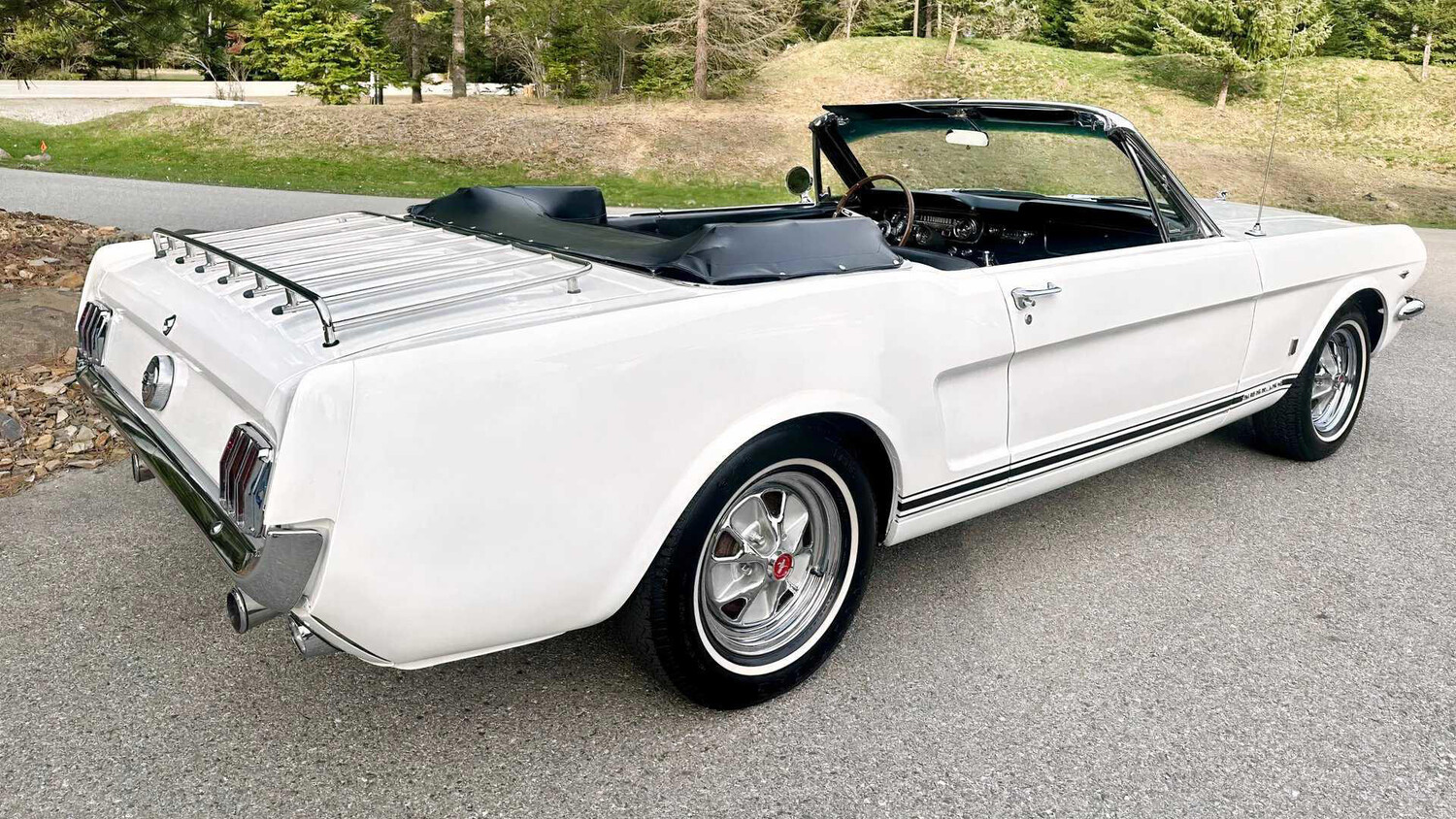
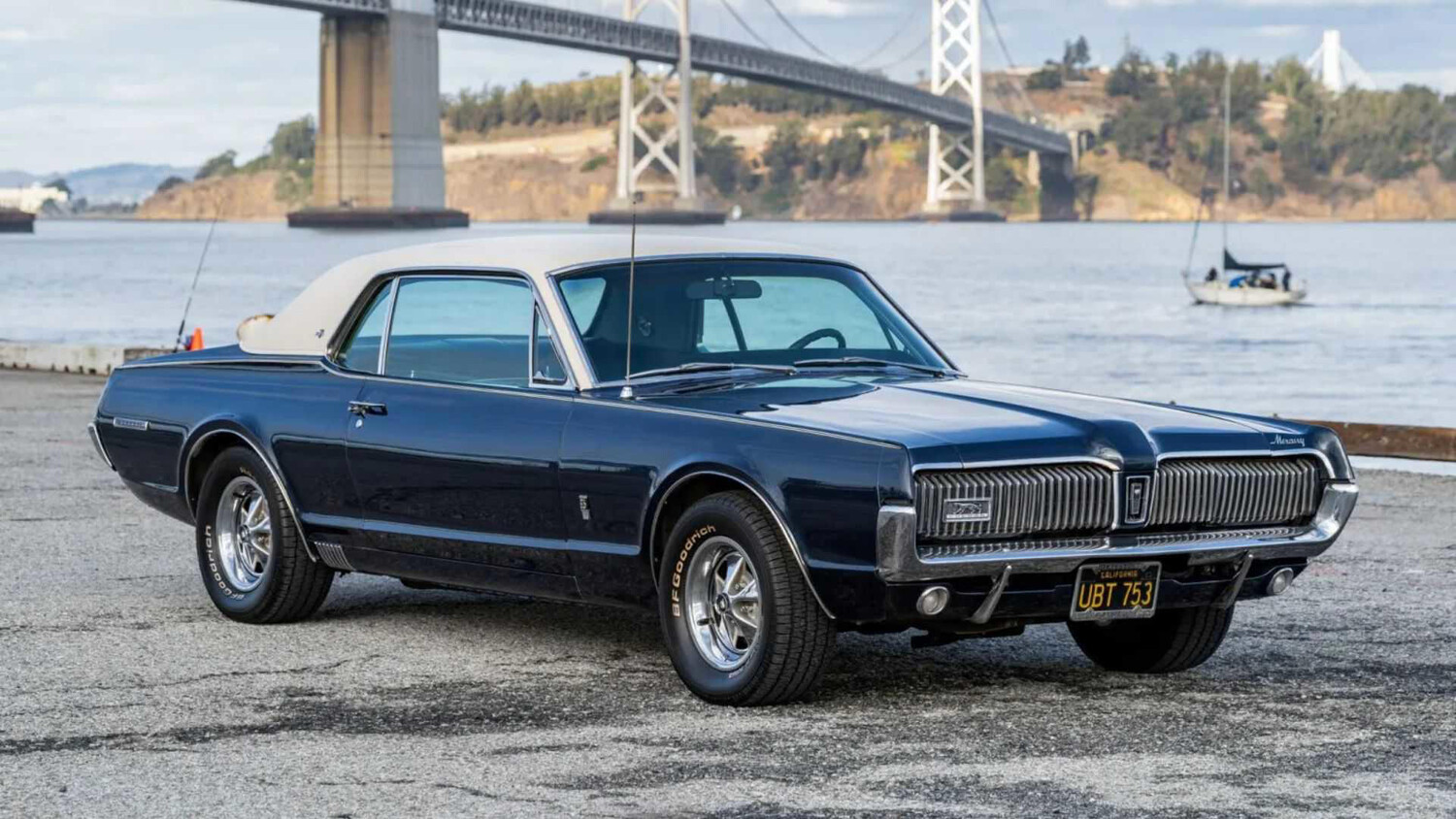
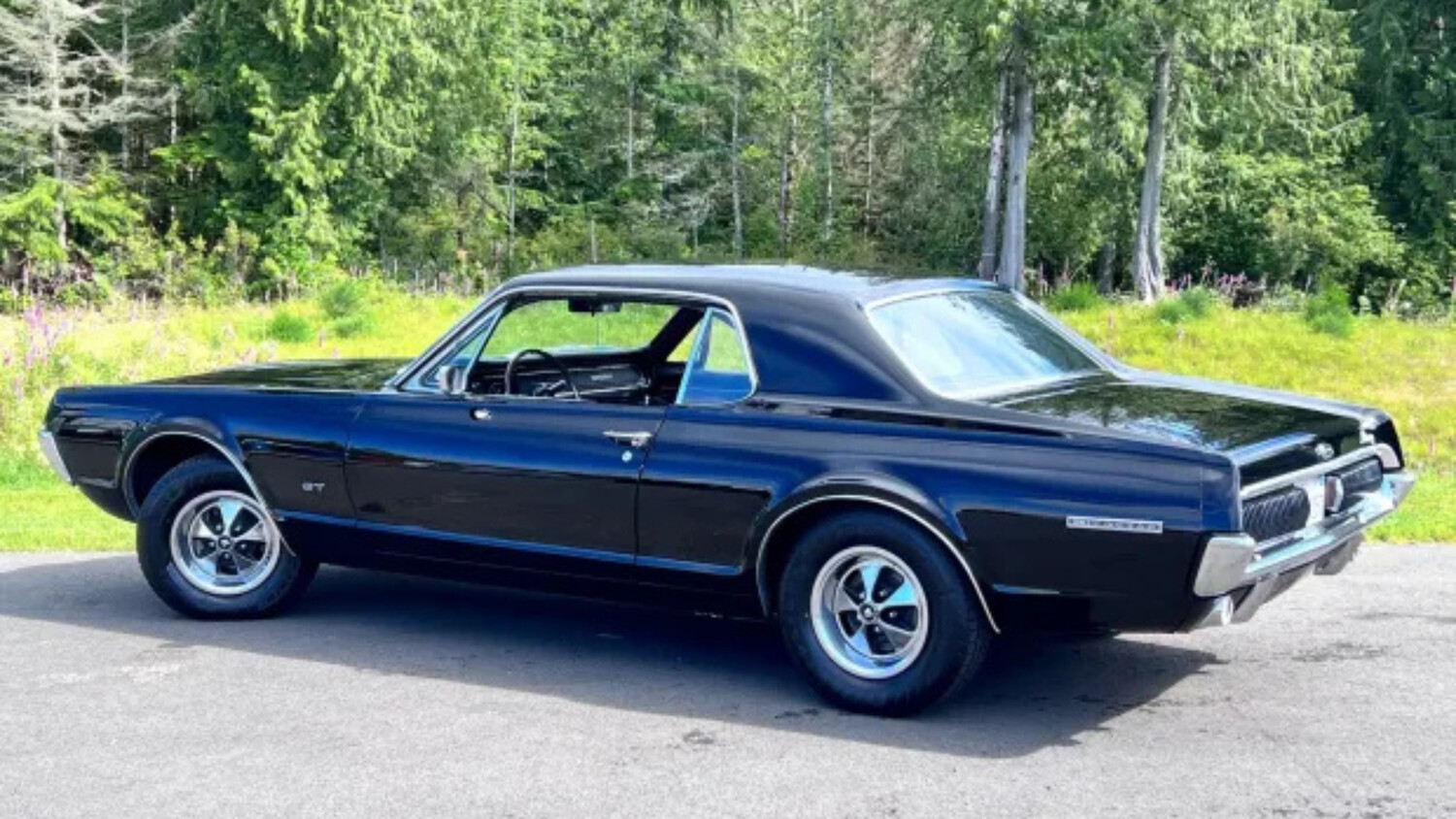
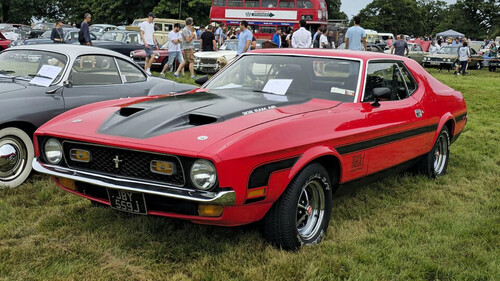
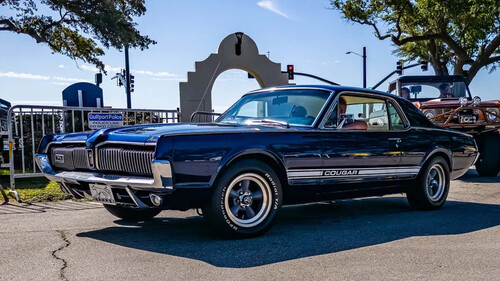
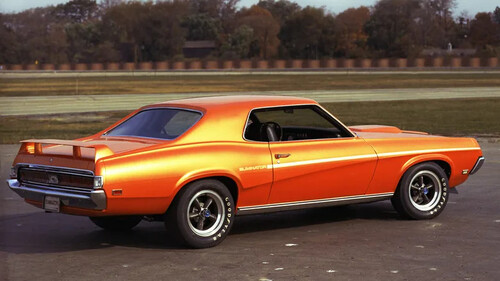
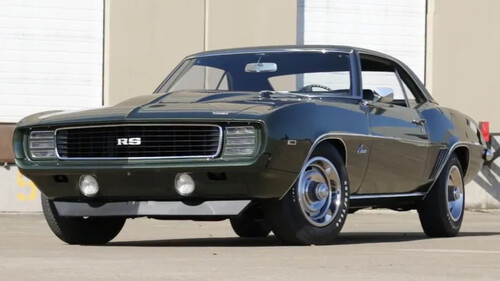
The Ford Mustang always gets the posters, the movie scenes, the auction chatter, and the kind of nostalgia that makes grown adults say “my uncle had one” with misty eyes. It sits in garages, calendars, die-cast collections, and daydreams like the class president of American sporty cars. Ford caught lightning in 1964, then sold that lightning with bucket seats, a long hood, and enough options to turn a sensible coupe into a Saturday-night threat.But another car grew from the same family tree. It shared much of the same spirit, borrowed plenty of the same hardware, and wrapped the formula in a smoother suit. It was the one who showed up with polished shoes, a V8, and better manners. History picked a favorite, and it was obviously the Mustang. The Mustang Created A Problem No Other Car Could Escape Bring a Trailer When it put the Mustang in front of the public on April 17, 1964, Ford lit a fuse under every American automaker with a two-door body shell and a sales manager who liked breathing. The car debuted at the New York World’s Fair and at Ford dealers around the country, and buyers grabbed almost 22,000 on day one, then pushed first-year sales past 400,000. The company expected success, but it got a stampede.The formula had a very simple shap. Long hood, short rear deck, low price, big option sheet. The Mustang let a buyer start with a plain, affordable coupe and build toward something sharper, prettier, faster, or all three. A straight-six commuter could sit near a V8 tire-roaster in the same showroom family, and both cars made sense. Ford simply built the right car for young people at the right price, then let the options list do the heavy lifting.via Bring A Trailer That car also gave Detroit a new kind of target. The Mustang helped define the pony car, a compact, stylish, sporty American coupe with room for dreams, groceries, and questionable weekend decisions. By 1967, the industry had answers on the ground or coming fast, from the Camaro and Firebird to the Javelin and later the Challenger. Every brand wanted the same magic, younger buyers, showroom traffic, and a car that made a dealer lot feel less like an appliance store.Copying the Mustang outright would not solve the problem. A clone would look desperate,and nobody wants the automotive version of showing up to prom in the same suit as the quarterback. The real challenge called for something close enough to share the spark but different enough to earn its own parking space. It needed the stance, the options, the V8 pull, and the easy charm. Then it needed its own personality. The Answer Was Sharper, Smoother, And More Grown Up via Bring A Trailer The clever answer came from inside the same corporate house. That was an important decision because the planners could study the bones, keep the strengths, and move the idea a few steps upscale. The formula still needed power and style, but it also needed polish. Ford had already sold youthful energy, and the next move could sell confidence.This car was aimed at a slightly older and a little richer audience. It could speak to the young professional who still wanted a V8 but also wanted the cabin to look like someone had spent more than six minutes choosing the trim. That buyer wanted fun with better carpeting, a quieter ride, and enough class to park near the boss’s car without looking like a warning sign.That may be why it feels so interesting now. Enthusiasts often chase the loudest car in the old photo, but the more grown-up sibling asks a better question: what if the best everyday version of the pony car idea was the one that history shoved to the side? It would not be the first time the quiet one in the family turned out to have the best stories. It also would not be the first time the best car for actual driving was not the one on the bedroom poster. The Mercury Cougar Was The Mustang's Forgotten Cousin MercuryThe forgotten cousin was the Cougar launched in 1967 as Mercury’s upscale answer to the Mustang. It arrived with a clear job. Take the pony car idea and move it closer to personal luxury without smothering the fun. Mercury did not hide the family tie, but it did not treat the car like a badge swap either. The Cougar had Mustang roots, Lincoln-Mercury polish, and a name that already sounded like trouble in a silk tie. In fact, an early Mustang clay proposal had carried the Cougar name before the pony won the badge.Underneath, the Cougar shared its basic platform family with the 1967 Mustang, but Mercury stretched the wheelbase to 111 inches, about three inches longer than the Ford. That extra length gave the car a calmer stance and helped create a more settled ride. Mercury also skipped six-cylinder engines entirely for 1967. Every Cougar came with V8 power, starting with a 289-cubic-inch V8 rated at 200 horsepower. Buyers could step up to a hotter 289 or the 390 GT V8, which brought 320 hp and a thick slab of torque. The standard transmission was a three-speed manual, but buyers could choose a four-speed or the Select-Shift Merc-O-Matic automatic.Via Mecum Auctions The design separated it right away. Hidden headlights sat behind a vertical-bar grille, so the nose looked clean and slightly predatory when the car parked. Out back, triple-section taillights flashed in sequence, a high-style trick tied to Thunderbird thinking and perfect for a brand that wanted extra class. The package also consisted of sequential rear signals, deep carpeting, bucket seats, and a cabin with a wide spread of available trim choices. The car also came only as a two-door hardtop at first, which kept the profile clean and helped the car feel more formal than the Mustang.The XR-7 trim made the point even harder. It added a richer dashboard, simulated wood trim, full instrumentation, toggle switches, and an overhead warning-light panel. Mercury gave the Cougar a grand-touring mood without turning it into a land yacht, and buyers noticed quickly. In total, 150,893 Cougars were built for 1967, including 27,221 XR-7s, and Motor Trend named the Cougar its 1967 Car of the Year. Design, Personality, And Interior That The Mustang Couldn't Match Mecum The first-generation Cougar matters today because it has presence without begging for attention. The Mustang looked youthful, athletic, and ready for a letterman jacket, while the Cougar looked like it knew a good tailor. Its longer body, formal roofline, and strong lower character line gave it a richer stance.The hidden headlights did a lot of work. With the lamps closed, the front end became a wide, clean face with a catlike squint. With them open, the car looked awake and faintly annoyed, which somehow improved it. The full-width rear treatment gave the Cougar a broader, more expensive look than its Ford relative.Bring a Trailer Inside, the Cougar made its best argument. The standard car already leaned more plush than a Mustang, but the XR-7 moved into junior grand-touring territory. Wood-look trim, round gauges, toggle switches, and warning lights gave the dash a cockpit feel. A Mustang cabin could feel cheerful and simple, which suited its mission, but a Cougar cabin felt like the driver should own a sport coat, even if it lived in the trunk under a timing light and a half-used bottle of wax.The extra refinement also mattered from behind the wheel. The Cougar used the longer wheelbase, longer rear springs, and extra sound deadening to calm the same basic breed of machine. The XR-7 carried 123 pounds of additional acoustic insulation, which helps explain why the car feels less frantic at speed. None of that made it soft in the sad way. It made the Cougar the pony car that could handle a date-night highway run without forcing everyone to shout over the exhaust. The Better-Kept Secret From The Mustang Family Bring a Trailer It’s probably fair to say the Mercury Cougar did not lose the plot. It lost the popularity contest. Ford built 472,121 Mustangs for 1967, while Mercury built 150,893 Cougars. Obviously, the Mustang owned the bigger number, the bigger spotlight, and the bigger cultural footprint, yet the Cougar’s debut would count as a dream launch for many brands. It sold well, brought buyers into Mercury stores, and proved that the pony car idea had room for more than one kind of personality.The best part is that the Mercury kept the Mustang’s performance credibility. The model came within two points of beating the Mustang for the 1967 SCCA Trans-Am season title. Bud Moore-prepared Cougars with drivers such as Dan Gurney and Parnelli Jones helped show that Mercury’s smooth coupe had real claws. How Much Does It Cost Today? Bring a Trailer The market still treats the Cougar like a better-kept secret. Hagerty’s valuation tool listed a 1967 Cougar hardtop with the 289 two-barrel at $11,500 in “good” condition, while a comparable 1967 Mustang coupe with the same basic engine showed $26,400. Values move, condition rules everything, and nobody should buy a classic with only a calculator and a dream. Still, the gap says plenty. The Cougar can give an enthusiast much of the Mustang world, plus extra style, for less heat from the crowd. This sounds like a great deal to us.That is why the Cougar deserves a better seat at the table. It was the Mustang’s sharper, quieter, more polished cousin. A close relative with its personality.