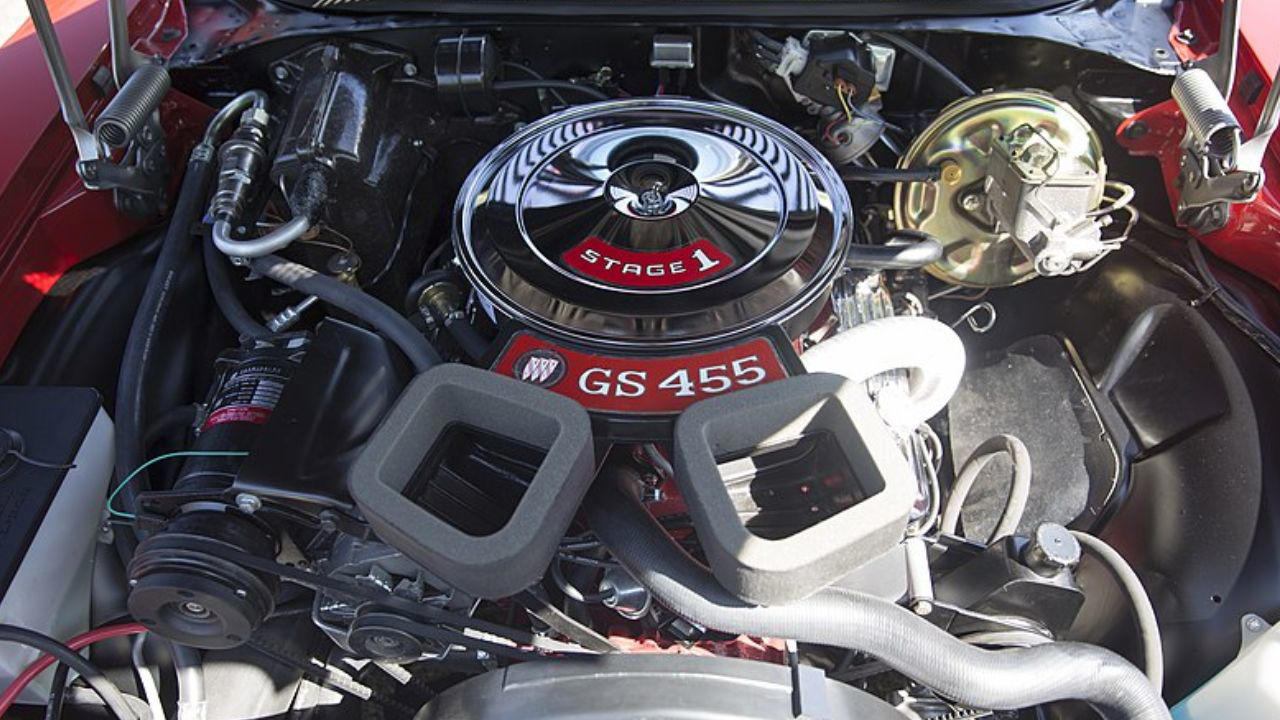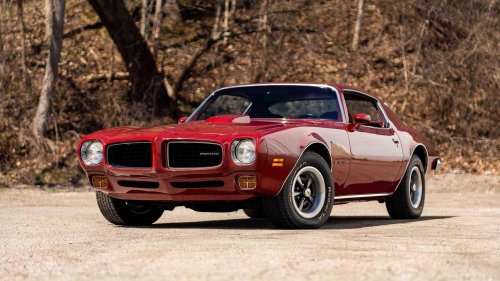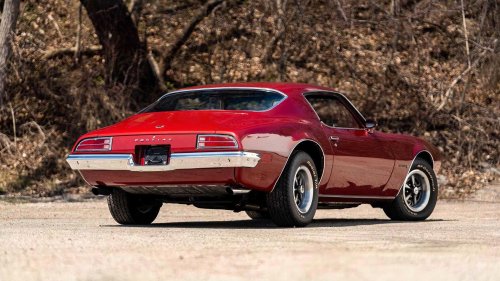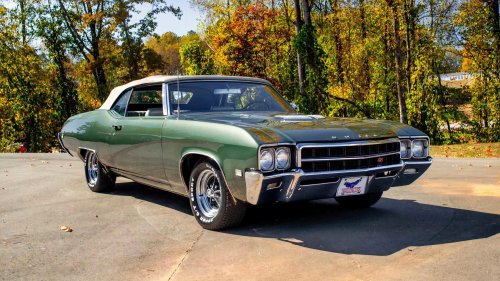
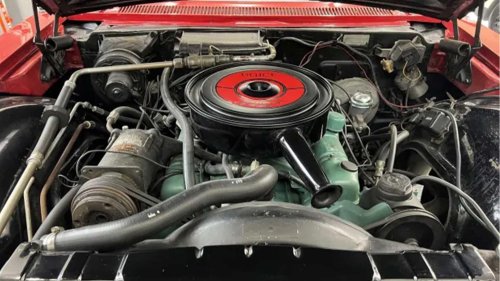
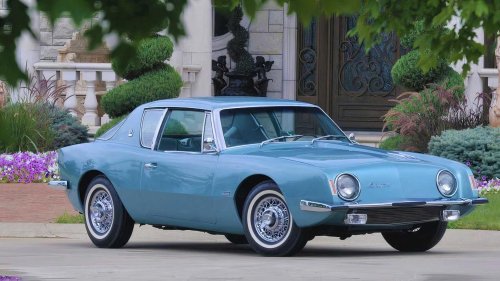
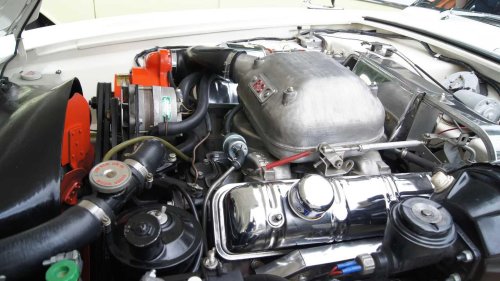
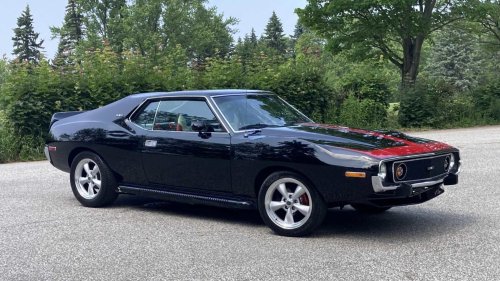
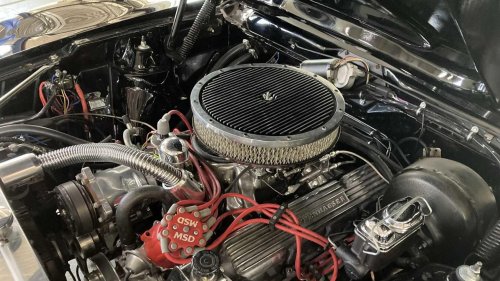
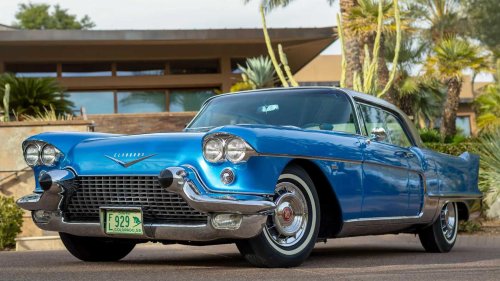
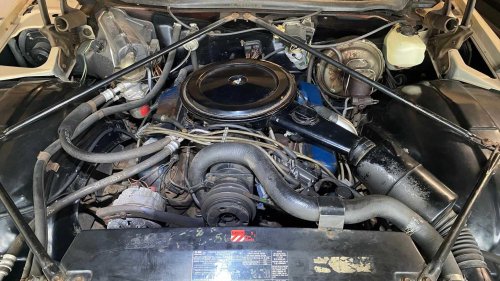
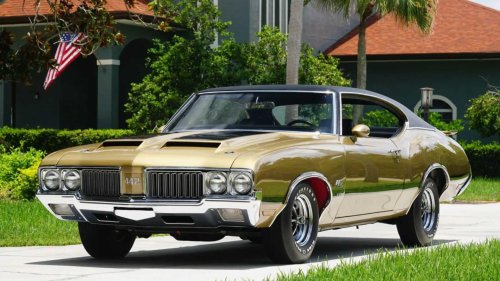
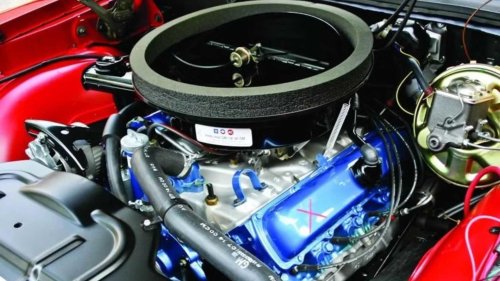
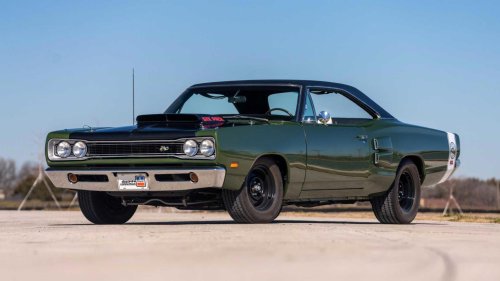
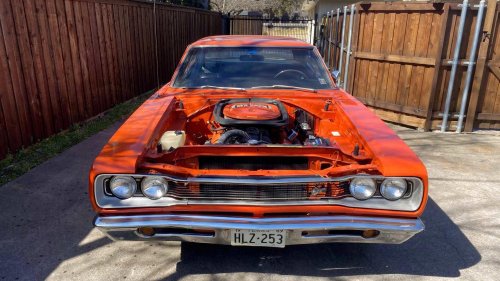
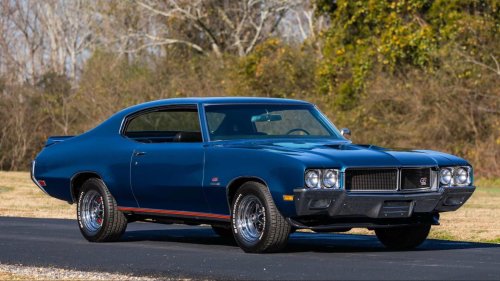
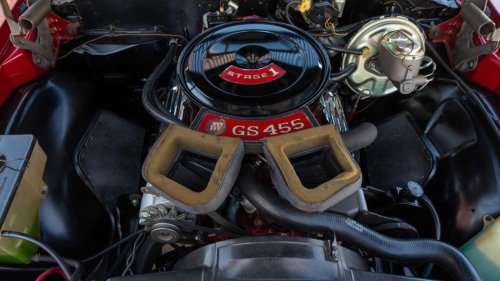
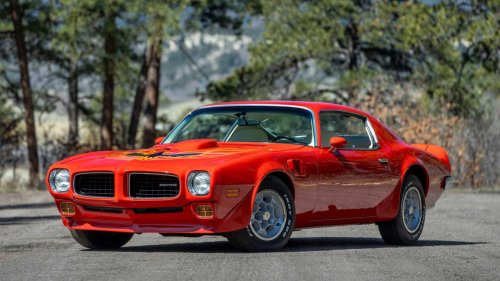
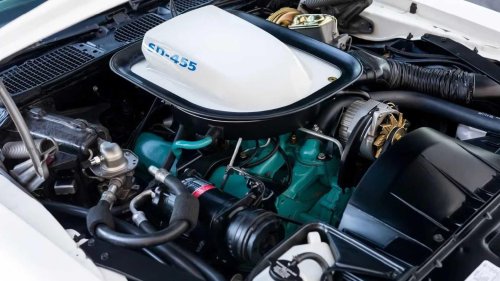
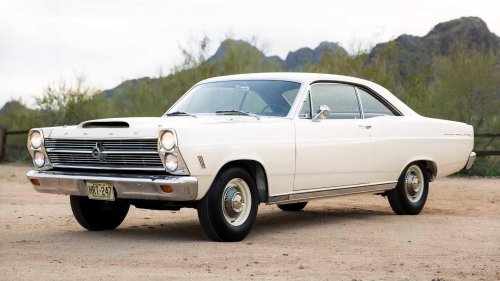
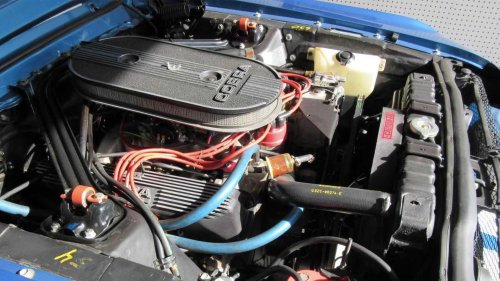
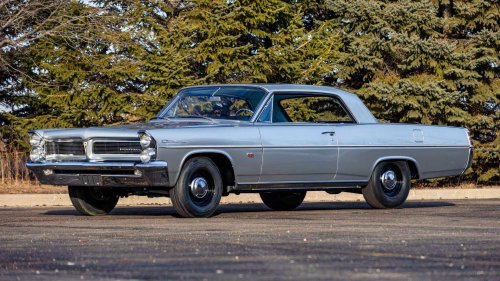
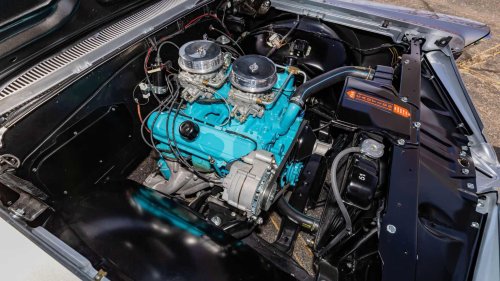



















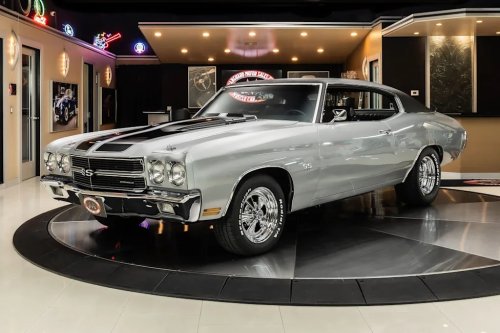
Aside from blue-chip muscle icons and the seven-figure sales making the rounds on TV, enthusiasts with keen eyes are quietly spending a fortune on machines born from obscure engine programs with low production counts, insider credibility, and racing pedigree that casual buyers typically miss. Hardcore collectors see certain induction packages, option codes, and engineering nicknames and their minds instantly register something special. These dealer-built monsters, homologation specials, forgotten factory drag packages, and luxury-performance hybrid engines were never the dominant forces of pop culture, but the kind of power they produced earned deep respect among those who actually knew what they were about.Limited appreciation for a car doesn’t stop it from being increasingly expensive. Enthusiasts are quickly seeing these cars as second-tier alternatives to more famous models, and prices on auction sites and enthusiast forums reflect their increasing demand. Although many of these engines didn't hit it big either because they arrived at the wrong moment historically or came from smaller performance divisions, today they're among the hottest insider buys among classic V8 collectors. Buick 401 Nailhead 1969 Buick GS 400: $86,888 Bring a TrailerThe Buick Riviera sold the Buick Nailhead V8 as one of the early muscle era’s most distinctive engines. Its "Nailhead" nickname came from its unusually small vertical valves. The 401-cubic-inch engine did a very Buick thing: it prioritized torque over high-rpm horsepower. Between 1959 and 1966, Buick's 401 engine unleashed 325 hp and 445 lb-ft of torque in its performance trims (the Electra, Wildcat, early Gran Sport models, and the Riviera) until the 425 pushed it out of the Riviera in 1966.Bring a Trailer It had a unique architecture that blew up its cult status among the average hot rodder. Its compatibility with the developing TH400 automatic transmission and its torque delivery also helped its status in drag racing. Chevrolet big-blocks have overshadowed the 401, but that hasn't stopped the value of Nailhead drivetrains from climbing among custom builders, with a 1969 Buick GS 400 recently selling for $86,888. Studebaker R3 289 1964 Studebaker Avanti R3: $104,500 Mecum AuctionsDuring Studebaker’s desperate final years as an independent automaker, the automaker launched a Hail Mary: the Studebaker R3 289. This engine powered the Studebaker Avanti R3, with a combination of genuine Bonneville speed-record credibility, advanced engineering, and Paxton supercharging rolled into one wildly overlooked package. Legendary performance figure Andy Granatelli influenced the production of the 335-hp supercharged 289-cubic-inch V8 between 1963 and 1964.Bring a Trailer The Avanti R3 was on a very short list of cars this engine was fitted with long before the muscle-car explosion truly began. But today's collector interest is driven by rarity. With only nine original factory-built R3 Avantis ever made, it's almost impossible to find an authentic R3. At RM Sotheby’s, a surviving Studebaker Avanti R3 sold for $104,500, showing just how serious these collectors are at finding these rare American performance engines. AMC 401 V8 1973 AMC Javelin AMX Pierre Cardin Edition: $104,500 Bring a TrailerWhen enthusiasts talk about overlooked American performance, one vehicle they typically rave about is the AMC Javelin AMX. During the muscle-car wars, AMC was the underdog with serious engineering that kept nibbling at the big boys' heels. AMC’s ultimate street engine was the 401-cubic-inch V8, and one reason builders now hunt them aggressively is that its rods and forged crankshafts came straight from the factory.Bring a Trailer The 401 was produced between 1971 and 1978, delivering 330 hp and 430 lb-ft of torque in 1971 before the official figure dropped to 255 hp in 1972 when measurements were changed to net ratings. The engine remained brutally strong—a low-end torque beast that had a durable bottom end. AMC used it in the performance Javelin AMX, the AMX, the Matador Machine, and in its later Jeeps. In 2022, a 1973 AMC Javelin AMX Pierre Cardin Edition with a 401 V8 sold for $104,500. Cadillac 500 V8 1958 Cadillac Eldorado Biarritz $212,800 RM Sotheby'sThe Cadillac badge on the Eldorado might have made muscle-car enthusiasts ignore it for decades, but today's collectors can see the outrageous 500 V8 for what it really is. Between 1970 and 1976, Cadillac's 500-cubic-inch monster, the largest-displacement production passenger car engine of the time, gave buyers 400 hp and an absurd 550 lb-ft of torque in several luxury sedans, coupes, and convertibles, including the Eldorado, DeVille, and Fleetwood.Bring a Trailer When hot rodders eventually rediscovered the engine's relatively light weight compared to some iron big-blocks, surprisingly compact dimensions, and incredible low-end torque, demand went through the roof, aftermarket support expanded, and Cadillac 500 swap culture was born. Luxury-performance nostalgia has also started rising, so collectors are mopping up available early high-compression Cadillac big-block engines, driving survivor prices even higher. The $212,800 sale of an Eldorado Biarritz further reflects this growing prestige. Oldsmobile 455 W-30 1970 Oldsmobile 442 W-30 Convertible: $247,500 Bring a TrailerOldsmobile was known for unusually sophisticated engineering, with the Oldsmobile 442 W-30 proving that identity. But what was it built on? The Oldsmobile 455 W-30 engine under the 442's hood wasn't just another big-block muscle engine—it was a carefully engineered performance package. With a hotter camshaft, forced-air induction, functional hood scoops, and heavy-duty internals, the 1970 455-cubic-inch W-30 had 370 hp and 500 lb-ft of torque.Bring a Trailer Today, collectors also love the distinctive red plastic inner fenders used as authentication markers and aluminum intake manifolds in W-30 cars. Chevrolet’s cultural shadow covered Oldsmobile performance, keeping W-30 cars undervalued for years, but that doesn’t matter to today’s collectors hunting for the rarity of authentic W-machine drivetrains, with a recent sale on RM Sotheby’s of a 1970 Oldsmobile 442 W-30 Convertible hitting $247,500. Mopar 440 Six Pack 1969 Dodge Super Bee A12: $264,000 MecumThe Mopar 440 Six Pack might have been in the Hemi’s shadow, but this big-block street monster is one of the most respected, underrated Mopar engines ever built. The Dodge Super Bee A12 was fitted with this 440-cubic-inch V8, with its triple two-barrel carburetors helping to generate 390 hp and 490 lb-ft of torque.Bring a Trailer This Six Pack engine was featured in the Road Runner, Super Bee A12, GTX, and Charger, and was brutally capable in drag strips as well as on the street. Today, many enthusiasts are picking Six Pack cars over Hemis because they're much easier to own and yet extremely fast. A restored 1969 Dodge Super Bee A12 sold for $264,000 in 2024, showing this demand. The original A12 package included lift-off fiberglass hoods and Dana 60 rear axles. Today, Mopar values have exploded, and authentic Six Pack carburetor setups are becoming increasingly expensive to buy. Buick 455 Stage 1 1970 Buick GS Stage 1 Convertible: $285,000 MecumThe Buick GS Stage 1’s near-luxury styling has successfully hidden one of the most violent torque monsters of the muscle era. Between 1970 and 1972, the Buick 455 Stage 1 engine generated 360 hp and a staggering 510 lb-ft of torque. However, many enthusiasts are convinced Buick underreported its true output. The Stage 1 package’s explosive midrange acceleration had the GS and GSX coupes and convertibles performing as brutally effective street machines.Mecum Its massive torque curve and lightweight valvetrain components hit unrealistic acceleration figures that left more powerful rivals floundering. LS6 Chevelles and Hemi Mopars remained the go-to performance cars for years, keeping Stage 1 cars relatively accessible, but with examples like the 1970 Buick GS Stage 1 Convertible selling for $285,000, collectors are beginning to recognize this engine for its rare performance capabilities. Pontiac SD-455 Super Duty 1973 Pontiac Trans Am Super Duty: $286,000 MecumAt the exact moment when emissions regulations, insurance costs, and tightening federal standards had already strangled the muscle car movement, Pontiac gave us the Firebird Trans Am SD-455. This was when Pontiac built the 290-net-hp Super Duty 455 with four-bolt mains, reinforced internals, specialized cylinder heads inspired partly by NASCAR engineering, and high-strength rods. Enthusiasts considered its 395 lb-ft of torque a conservative figure.Bring a TrailerThe Formula SD-455 featured in the Trans Am between 1973 and 1974, distinguishing itself immediately from ordinary smog-era V8s. Today, SD cars are treated as genuine engineering specials rather than the late-era compromises they originally were. Second-generation Trans Ams, like a 1973 Pontiac Trans Am Super Duty, which recently sold for $286,000, have seen a surge in desirability due to low production numbers, pushing Super Duty cars into elite territory. Ford 427 Side-Oiler 1966 Ford Fairlane 500 R-Code: $296,000 Bring a TrailerWhen Ford built the 427 Side-Oiler and installed it in the Fairlane 500 R-Code, it sent engineering competition to its peak. The Side-Oiler was the revolutionary technology that gave Ford the legendary 1966 1-2-3 finish at Le Mans with the GT40 Mk II. Its specialized oiling system, which prioritized lubrication to the crankshaft under sustained high-rpm racing conditions, made it famous.Bring a TrailerOn the street, Ford installed this engine in Fairlanes, Galaxies, and Cobras, sending up to 425 hp to the wheels and producing the kind of power that intoxicated drivers. It featured cross-bolted mains and serious racing durability. When NASCAR banned the mythical 427 SOHC Cammer (the "unicorn" of Ford's engine lineup), the pushrod Side-Oiler stepped up and delivered Ford's biggest racing victories in NASCAR and endurance competition. This legacy endures decades later, pushing Fords bearing the engine to astronomical values, like the 1966 Ford Fairlane 500 R-Code that sold for $296,000 in 2022. Pontiac 421 Super Duty 1963 Pontiac Catalina Super Duty “Swiss Cheese”: $742,500 MecumWhen Pontiac created the Catalina Super Duty’s 421 Super Duty engine, it created a machine so serious that today's collectors treat it like a rare work of art. The reinforced internals, dual-quad induction, race-focused tuning, and aluminum manifolds Pontiac used in the engine have it generating up to 405 hp. This engine primarily powered the Catalina Super Duty drag packages and the legendary "Swiss Cheese" lightweight cars and eventually went on to give Pontiac its early-1960s NASCAR and drag-racing dominance.Mecum On the "Swiss Cheese" (a nickname born from the trim's aggressively lightened body panels drilled to reduce weight), the 421 Super Duty could achieve a quarter-mile time of 11.7 seconds. Part of the Super Duty’s superpower came from its highly valuable aluminum components and iconic 8-lug wheels. These authentic SD parts are so valuable today that some collectors buy entire donor engines simply to acquire them. This engine has all the prestige built from years of factory racing controversy, microscopic production totals, and legendary strip performance and is one of the rarest muscle-era collectibles ever built. At the Mecum auction, one of the only 14 Swiss Cheese Catalinas ever built sold for an astonishing $742,500.Sources: Bring a Trailer, Hagerty, Classic.com, RM Sotheby’s, Broad Arrow Auctions, Mecum Auctions