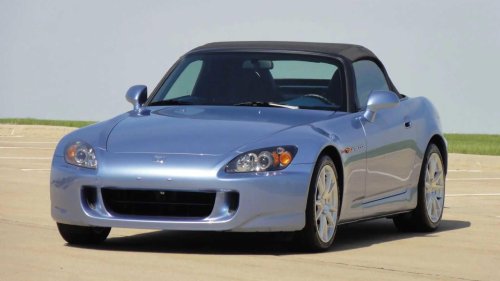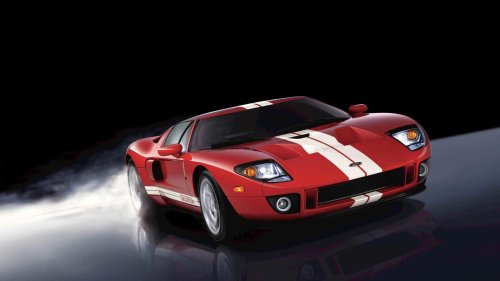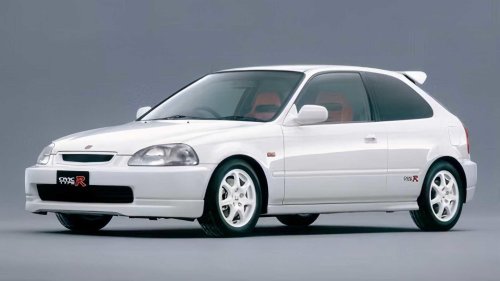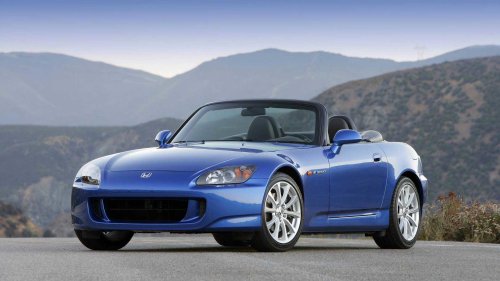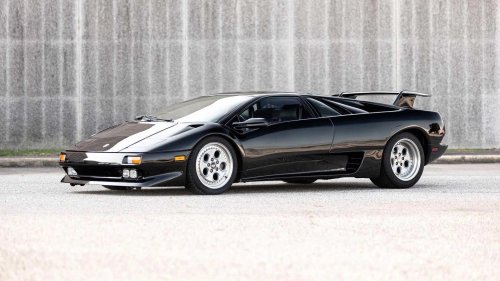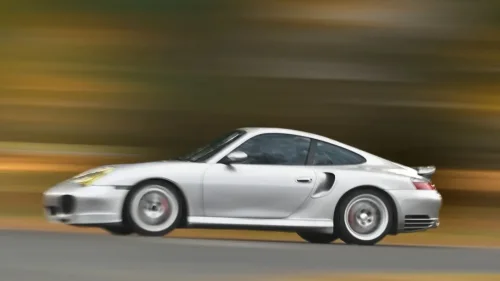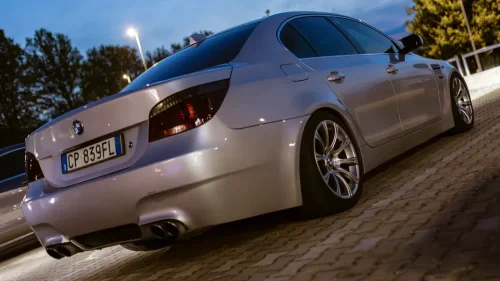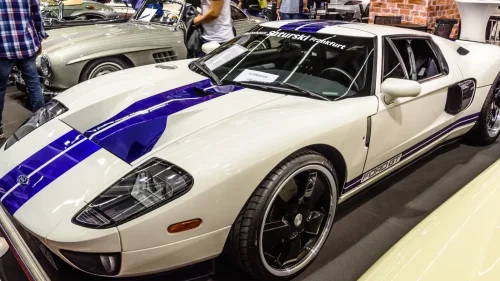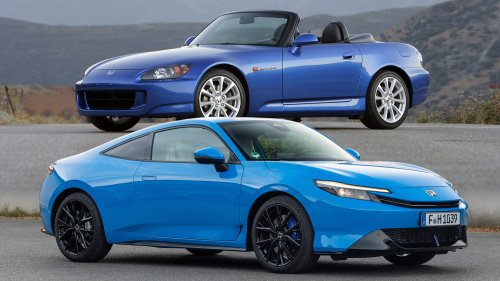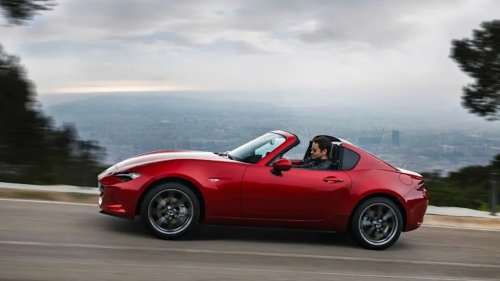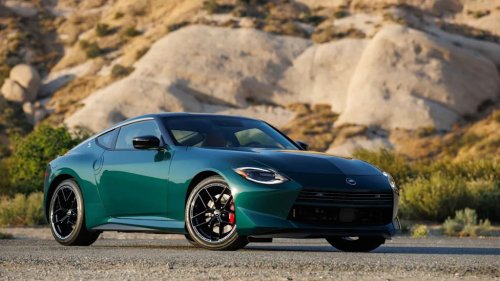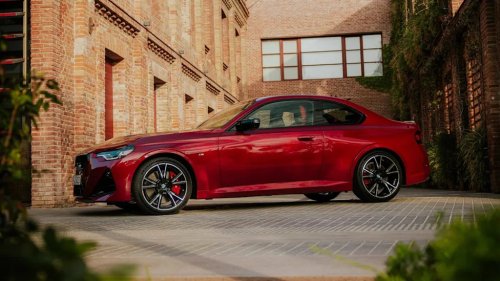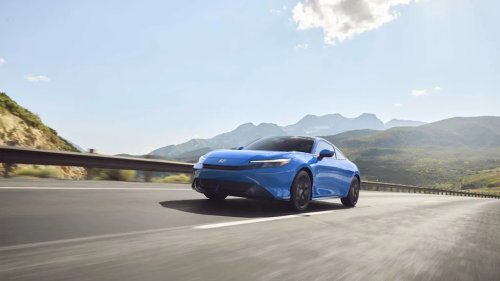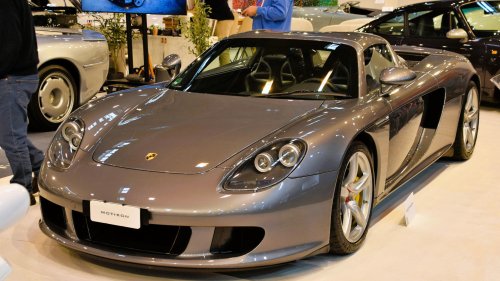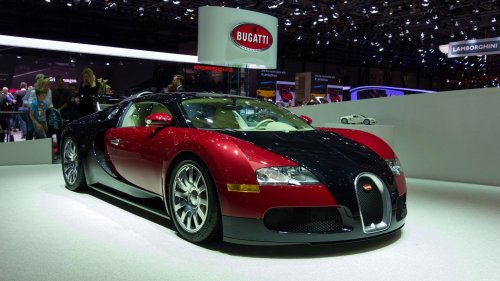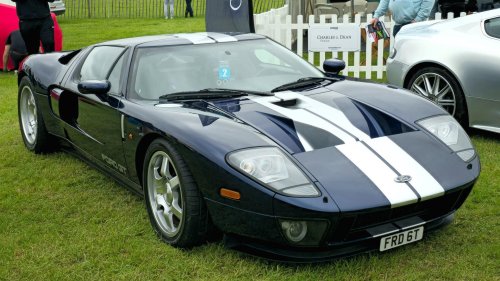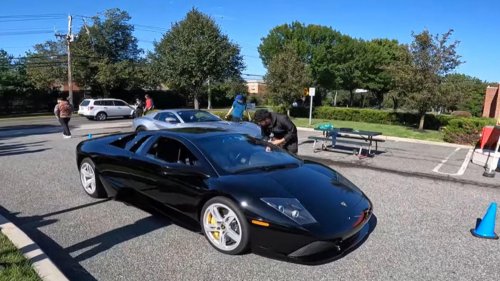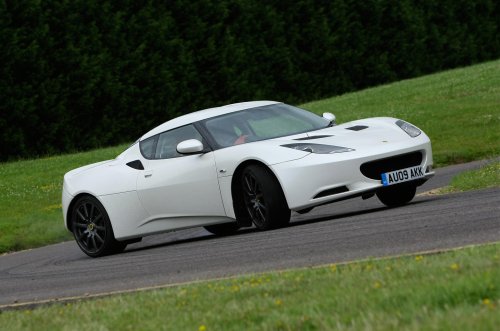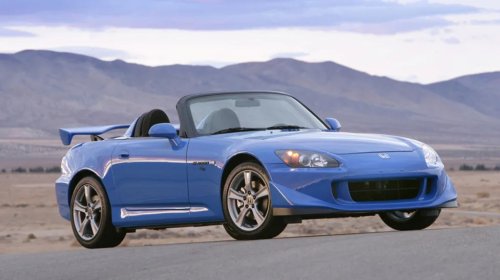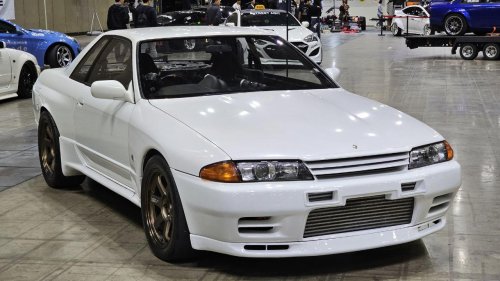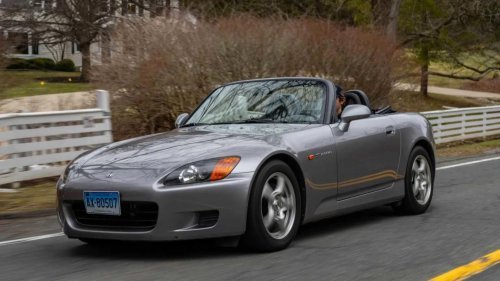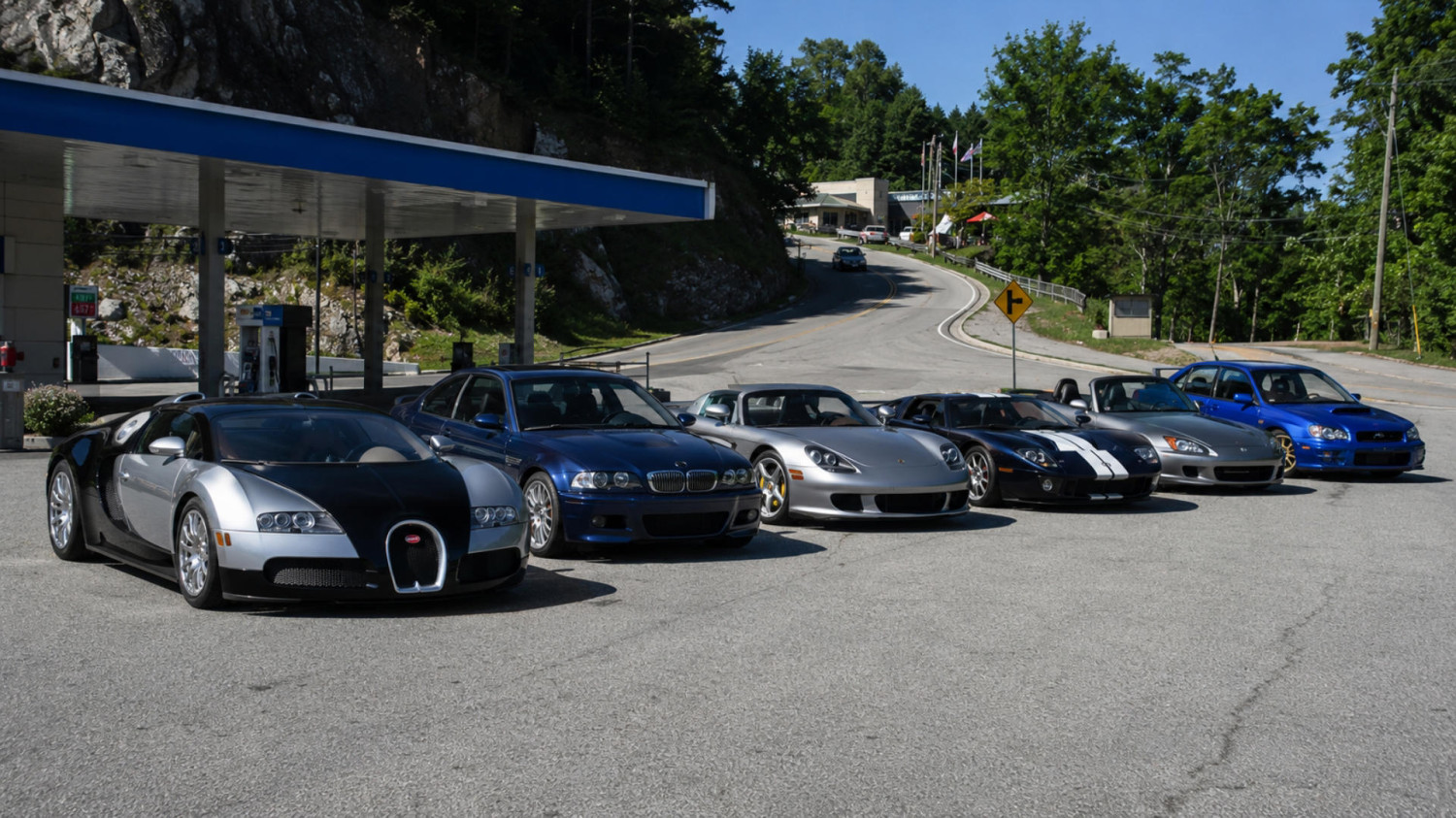



















The 50 Cars That Explain Why the 2000s Were a Golden Age for EnthusiastsThe 2000s Hit a Sweet Spot That May Never ReturnAutomotive nostalgia often exaggerates the past, but the case for the 2000s is unusually strong.It was a decade that sat between two major industry transformations. Cars had become sophisticated, fast, safe, and reliable, yet they had not fully entered the world of electrification, extreme emissions regulation, touchscreen-dominated cabins, and software-defined driving experiences.The result was a period where manufacturers could still build wildly different cars for wildly different audiences.A buyer could choose between a naturally aspirated Porsche Carrera GT, a turbocharged Subaru Impreza WRX STI, a V10-powered BMW M5, a Lotus Elise, a Ford GT, or a Honda S2000. Each offered a distinct personality rather than chasing the same formula.Supercars Reached New HeightsThe decade produced some of the most influential supercars ever built.The Porsche Carrera GT became one of the last truly analog hypercars, pairing a race-derived V10 engine with a manual transmission and minimal electronic intervention. It remains one of the most respected driver's cars ever created.Then came the Bugatti Veyron.When it arrived in 2005, the Veyron fundamentally changed expectations for what a production car could achieve. Its quad-turbocharged W16 engine and 250-plus mph capability turned it into an engineering landmark that competitors spent years trying to match.Meanwhile, Ferrari delivered icons such as the F430 and 599 GTB Fiorano, while Lamborghini evolved from the Murciélago into an increasingly serious performance rival.Performance Cars Were Still Built for DriversOne reason enthusiasts continue to celebrate the 2000s is that many performance cars remained remarkably mechanical in feel.The BMW E46 M3 is often cited as one of the greatest M cars because it combined a high-revving naturally aspirated straight-six with manageable size and exceptional steering feel.Honda's S2000 became famous for its 9,000-rpm redline and razor-sharp responses.The Lotus Elise offered minimal weight and maximum driver involvement at a time when most manufacturers were moving toward larger and heavier vehicles.These cars demanded participation. They rewarded skill rather than simply overwhelming the driver with technology.The Hot Hatch Was at Its PeakThe decade also delivered some of the best affordable enthusiast cars ever made.The Renault Clio V6 transformed a humble hatchback into a mid-engine performance machine.Volkswagen refined the Golf GTI formula.Ford's Focus ST and Focus RS gave buyers serious performance without supercar budgets.Even mainstream hot hatches felt special because manufacturers were willing to take risks and create unique identities rather than simply chasing power figures.For many enthusiasts, this was the era when practical performance cars achieved their ideal balance.Japanese Icons Defined a GenerationThe 2000s also cemented the reputations of several Japanese legends.The Nissan GT-R arrived at the end of the decade and immediately rewrote performance benchmarks.Subaru's Impreza WRX STI and Mitsubishi's Lancer Evolution continued one of the greatest rivalries in automotive history.Mazda's RX-8 offered a unique rotary-powered alternative that remains unlike anything available today.Together, these cars helped establish Japan as one of the most important sources of enthusiast vehicles during the period.SUVs Had Not Yet Taken Over EverythingThe 2000s were also among the last decades where SUVs existed alongside a wide variety of other vehicle types rather than dominating the market.Manufacturers still invested heavily in coupes, convertibles, sports sedans, wagons, and dedicated sports cars.Consumers had genuine choice.Today's market remains full of excellent vehicles, but many segments have consolidated around crossovers and SUVs. The variety that defined the 2000s has become harder to find.Technology Was Present but Not DominantAnother reason the era feels special is that technology had reached a useful level without becoming the main attraction.Navigation systems existed.Performance electronics were improving.Safety systems were becoming more advanced.Yet most vehicles still relied on physical buttons, mechanical feedback, and relatively simple interfaces.Drivers interacted with the car rather than a screen.That balance is increasingly rare in modern vehicles.Why the Decade Still Matters TodayThe 2000s were not perfect. Fuel economy standards were less demanding, emissions targets were lower, and many safety technologies that are now common had yet to mature.But from an enthusiast perspective, the decade represented a unique convergence of factors.Manufacturers had the resources to build ambitious vehicles. Regulations had not yet closed many development pathways. Electrification had not yet reshaped priorities. Buyers still demanded a broad range of vehicle types.The result was an extraordinary collection of cars that ranged from affordable hot hatches to record-breaking hypercars.That is why so many of the vehicles celebrated today trace their roots to this era. The 2000s may not have been the fastest decade, the safest decade, or the most technologically advanced decade.But it may have been the last decade when almost every type of enthusiast could find a car built specifically for them.