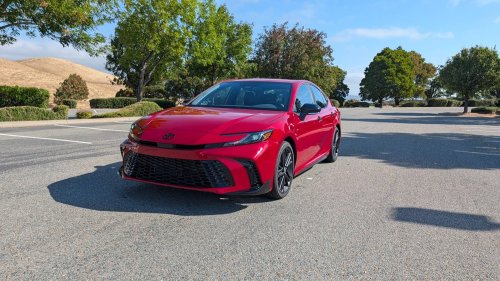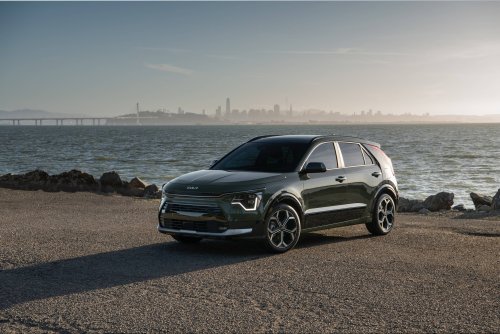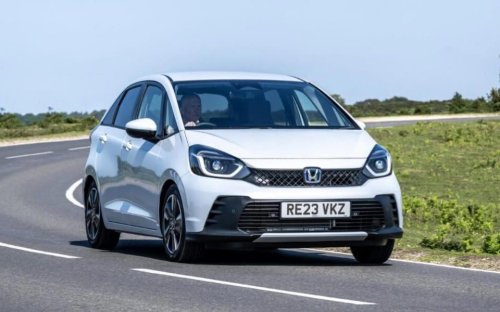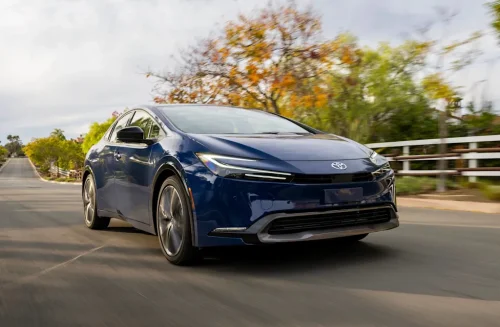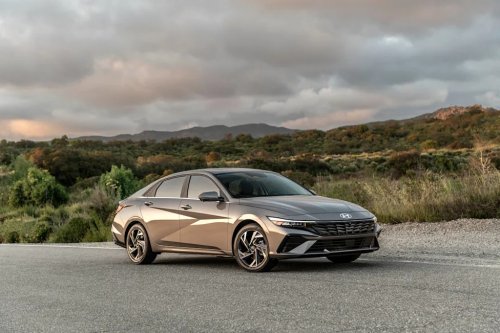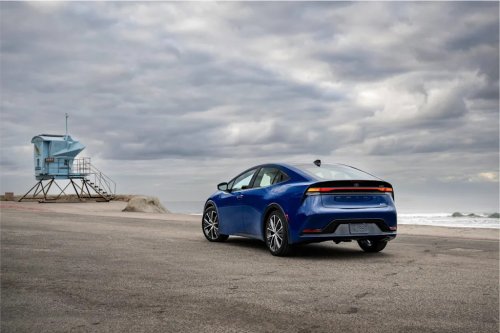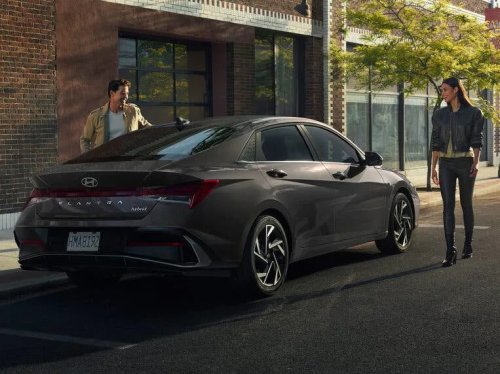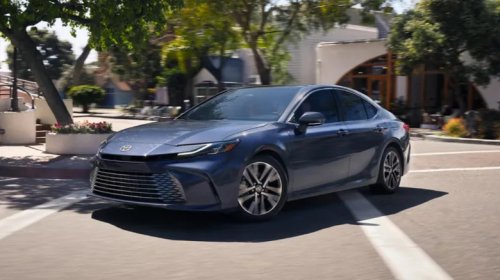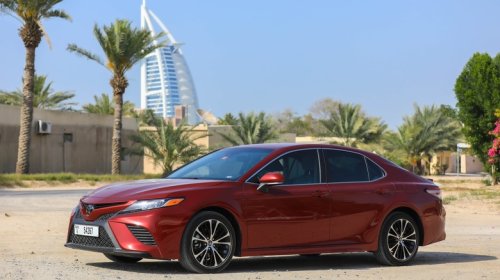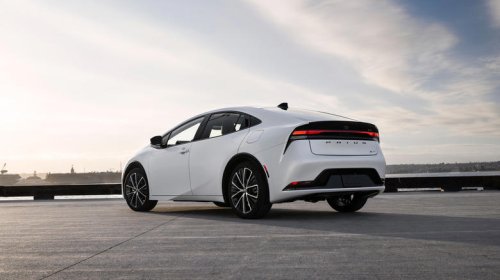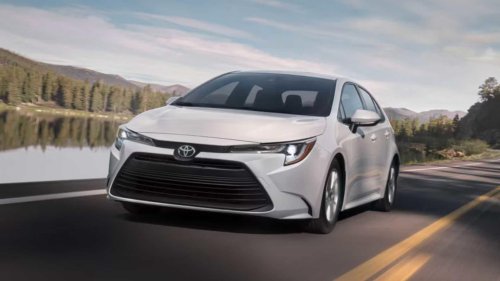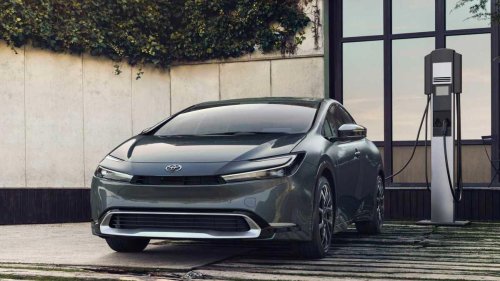
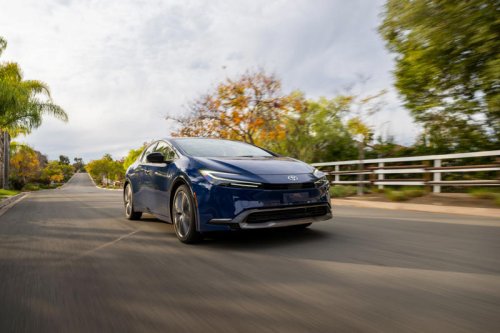
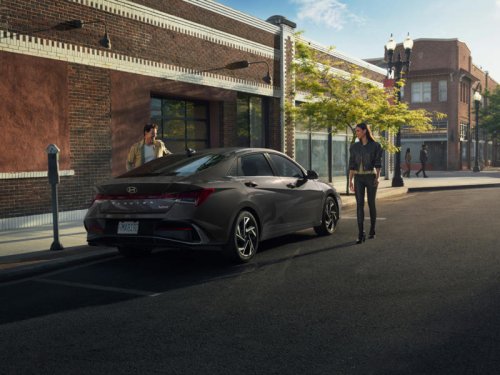
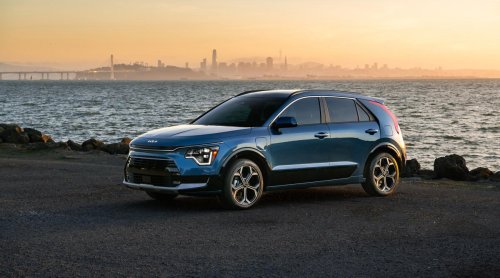
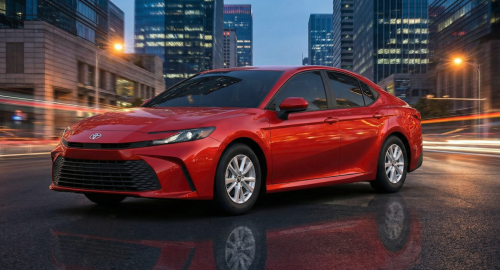



















Hybrids promise great efficiency without the high cost or range anxiety of EVs. Not all of them live up to this promise, but some really do offer superb fuel efficiency. The trick is knowing which ones to pick and understanding the differences between the various types of hybrid vehicles currently on sale.Basically, there are three main types of hybrids currently available. Mild Hybrids (MHEV) have smaller 48-volt electrical systems that aid the gas-engine but cannot power the car on its own and uses regenerative braking to recharge. Hybrid Electric Vehicles (HEV) or full hybrids have larger battery packs and offer more electric assistance, some are able to power the car solely on electricity for short distances. They also use regenerative braking to charge and cannot be plugged in. Plug-in Hybrids (PHEV) have much larger batteries which require external charging and can power the car for much longer distances. Right, now that we have got the definitions out of the way, here are the five most efficient hybrid vehicles of any type for 2026 based on EPA data from Fueleconomy.gov.1. Toyota Prius Prime (PHEV)2023-toyota-prius-prime-plug-in-hybrid-2311040557 Fuel Economy: 127 MPGe (Combined EV) / 52 MPG (Gasoline only)Battery Pack Size: 13.6 kWhOverall Range: 600 milesEV Range: 44 milesThe Prius has been around since the 1990s and decades of development has kept it ahead of the game. This Prius Prime is the Plug-in Hybrid version, which means you get a decent amount of all-electric range if you keep your battery charged. The XSE and XSE Premium trims upgrade the standard 17-inch wheels to 19-inch items, which look great but reduce the EV range to roughly 39 miles and gas-only efficiency to 48 MPG. As with any PHEV, you must ensure that you keep your battery charged for maximum efficiency.2. Toyota Prius (HEV) Fuel Economy: 57 MPG Combined (57 City / 56 Highway)Battery Pack Size: 0.9 kWhOverall Range: 644 milesEV Range: N/A (Self-charging)The regular HEV Prius is more like the original variant, as it has a small electric battery that is charged through regenerative braking. It steps in whenever the complex onboard electronics deem it will be more efficient than to use the gas engine. This is usually during low-speed maneuvers, coasting, and when pulling away from the lights. It can’t match the Prius Prime PHEV overall, but it actually offers better economy when comparing just the gas engines due to its lighter weight. But avoid the Electronic On-Demand AWD system, which adds a rear motor and weight, dropping the combined rating to 54 MPG. Higher trims also add larger wheels and more onboard tech, which can all lower your fuel economy figures.3. Hyundai Elantra Hybrid Blue Trim (HEV) Fuel Economy: 54 MPG Combined (51 City / 58 Highway)Battery Pack Size: 1.32 kWhOverall Range: 594 milesEV Range: N/A (Self-charging)The Elantra Hybrid Blue trim is a great option if you are after low running costs and great fuel efficiency. Aside from the stellar 54 MPG you can expect in combined driving, you also get Hyundai’s class-leading 10-year/100,000 mile powertrain warranty. If your prime concern is efficiency, then the more luxurious Limited trim is a no-go, as it lowers the overall fuel economy figure to 50 MPG. This is still an impressive figure, but if you do a lot of mileage it is worth sticking to the Blue trim instead.4. Kia Niro Plug-in Hybrid (PHEV) Fuel Economy: 108 MPGe (Combined EV) / 48 MPG (Gasoline only)Battery Pack Size: 11.1 kWhOverall Range: 510 milesEV Range: 33 milesThe Kia Niro is a PHEV, which means it can deliver amazing fuel economy if you can make the most of the electric range, but if you aren’t charging the battery, then you’ll be averaging 48 MPG. This makes the added expense of the PHEV model a bit pointless, and you may as well stick to a regular HEV vehicle. Something else to keep in mind with the Kia Niro is that the SX Touring trim adds 18-inch wheels (up from 16-inch) and extra aerodynamic drag from different bumper styling. This can drop your gasoline-only combined rating by around 4–5 MPG compared to the base EX trim.You may be wondering why Fueleconomy.gov places the PHEV Niro below the HEV Prius. This is because it measures the efficiency of vehicles across a broad range of use scenarios, and the Prius will be more efficient over a long road trip as the electric-only benefit of the Niro will be depleted in just 33 miles. For the rest of the journey the Prius will deliver better fuel economy, clawing back the deficit and ending up more efficient overall. Another factor to consider here is that despite its great fuel economy, the Kia Niro PHEV has suffered from very poor sales figures, prompting Kia to announce that it will be discontinued for 2026. However, there are still some units left, and they are selling at discounted prices, too.5. Toyota Camry LE (HEV) Fuel Economy: 51 MPG Combined (53 City / 50 Highway)Battery Pack Size: 1.0 kWhOverall Range: 663 milesEV Range: N/A (Self-charging)Toyota’s are often criticized for offering a somewhat anodyne driving experience, but the Camry is actually sportier than you may think, and you can get really excited about its superb fuel economy figures. Despite its large size, it still delivers 51 MPG in mixed driving, but you’ll need to skip the fancier SE, XLE, and XSE trims to achieve it as only the base front-wheel drive LE with 16-inch wheels hits the 51 MPG mark. The rest of the range are fitted with 18-inch or 19-inch wheels, as well as more kit, and the range topping XSE with all-wheel drive manages just 44 MPG combined.