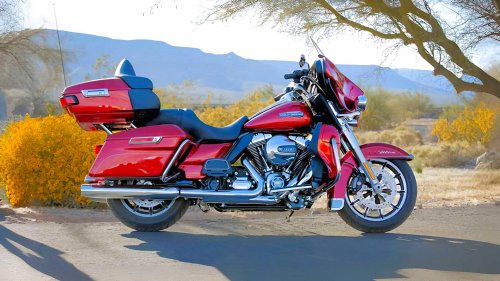
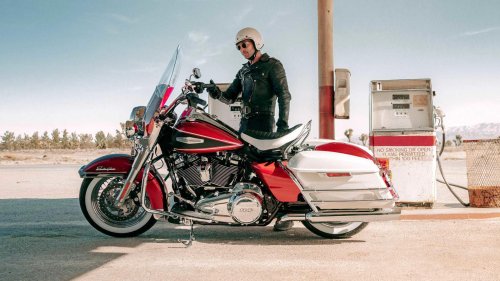
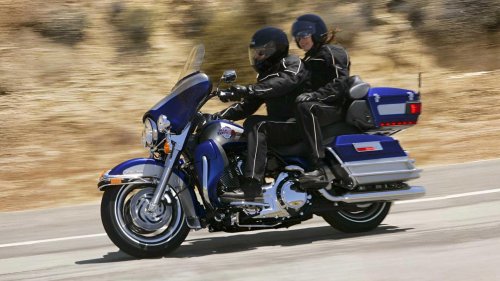
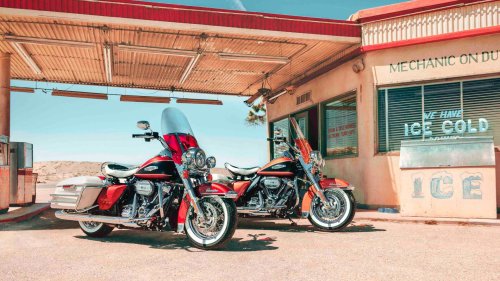
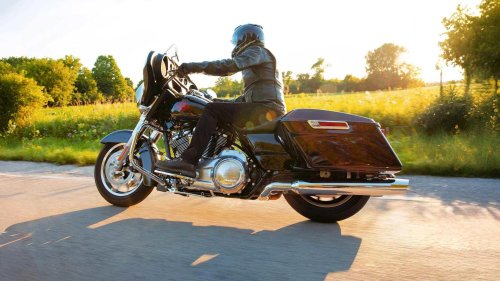
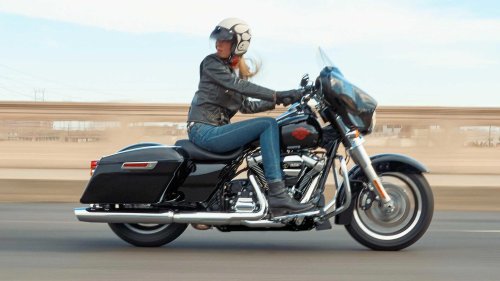
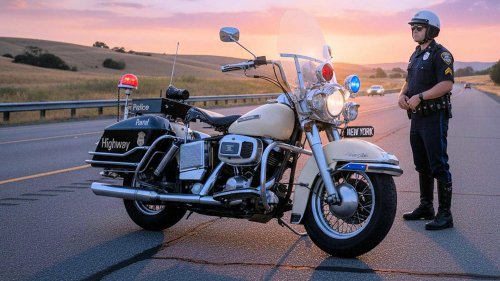
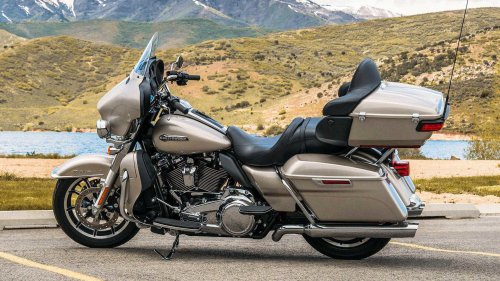
Bike models came and went, but every once in a while, one stuck around long enough to influence the culture and change the very fabric of what was considered the norm. The Harley-Davidson Electra Glide family fell neatly into that category. First introduced in 1965 as a Panhead with electric start, the FLH 1200 Electra Glide was an instant hit with touring riders and commuters alike. It represented a model family that, for decades, dictated what passed for theAmerican-style touringmachine, and its DNA continued to echo through the newer Street Glide and Road Glide platforms that replaced it in the lineup.To give you the most up-to-date and accurate information possible, the data used to compile this article was sourced from Harley-Davidson. The information provided is current as of the time of this writing. From Hydra Glide to Electra Glide: How Harley’s Touring Legend Evolved Before the Street Glide and Road Glide, the Electra Glide defined what American touring meant for decades The Electra Glide wasn’t a standalone model. It was preceded by the 1949 Hydra Glide, which replaced the Springer front end with the then-new telescopic, hydraulically dampened forks. In 1958, The MoCo finally abandoned the rigid rear end in favor of a more modern swingarm and shocks for the Duo Glide. That remained in production right up until the advent of the Electra Glide.In a world of kickstart-only bikes, the Electra Glide stood out for the “push-button kicker.” This feature gave it its electrified name in 1965, a name that stuck for the rest of its long life. It may have seemed a curious move to fit an electric starter to a soon-to-be-retired engine. But that’s exactly what Harley-Davidson did when it introduced the first Electra Glide to the world.Harley-Davidson Rapid engine development followed, bringing the Shovel-Pan and then the full Shovelhead engines within the same decade, which was a brisk pace by Harley standards. These changes solidified the Electra Glide as the backbone of Harley’s touring line, laying the groundwork for models like the Ultra Limited, various trikes, and specialty police and fire bikes. It ultimately saw its sunset in 2022 as the Electra Glide Standard, though the Police version continued to roll off the line, right up to the present 2025 model. From Panhead to Milwaukee-Eight: The Engine Evolution Behind the Electra Glide Decades of Harley innovation powered the Electra Glide through six generations of legendary V-Twins The first year of Electra Glide production was also the last for the fullPanhead engine. In 1966, Harley-Davidson began experimenting with Shovelhead top-end components on a Panhead bottom-end. This hybrid setup became known as the Shovel-Pan engine, as it retained the Panhead’s flywheel cases, distinct slab-side gear cover, and old generator.This configuration lasted until 1970. That year, the full Shovelhead engine arrived with its modern nosecone gear cover and alternator charging system. The Evolution engine then carried the torch from 1984 to 1999. It delivered new levels of reliability and long-range endurance unlike anything before it. However, tightening emissions standards brought its run to an end and paved the way for theTwin Camin 1999. While the Evo Big Twin started and ended as an 80-cubic-inch motor, the Twin Cam expanded through 88-, 96-, and 103-inch variants over its lifespan. This showed Harley’s growing focus on power and performance. The final chapter came with the Milwaukee-Eight, debuting with the 107-cubic-inch version in 2017. It ran through to the end of the Electra Glide’s public life in 2022. Electra Glide Engine And Performance Specifications Built for the Long Haul: How the Electra Glide Perfected Harley’s Touring Formula Harley-Davidson Like any long-lived bike, the Electra Glide saw its share of improvements. That was fitting for a model that was itself an improvement over its predecessors. It wasn’t the first big-frame Harley-Davidson. The Hydra Glide and Duo Glide also rode on hefty frames. The addition of an electric starter did little to change that equation. In this case, the frame needed to be heavy to deliver the stability and comfort demanded by touring riders.Harley-Davidson The frame, and even the swingarm, was built from heavy stock. This added rigidity that early swingarm designs lacked. Thanks to the Duo Glide’s dual suspension, the Electra Glide offered impressive comfort. Its sprung seat absorbed all manner of road shocks. As suspension technology advanced, the sprung seat became unnecessary for comfort and eventually undesirable for aesthetics.Harley Davidson Drum brakes gave way to hydraulics, later augmented by Harley’sABSand Linked-Brake systems. Around its final years, the Electra Glide featured lean-sensitive, corner-optimized versions of those systems within a robust ride-control electronics suite. Despite its substantial weight, the Electra Glide remained maneuverable and confident, even if it fell just short of the Honda Gold Wing’s sharp cornering. A long trail figure gave it rock-solid stability at highway speeds. Electra Glide Chassis And Suspension Specifications The Design That Defined Generations of Harley Tourers From the first Batwing fairing to the modern bagger, the Electra Glide’s style shaped Harley’s touring legacy Harley-Davidson It was remarkable how much had changed in the details over the years, while the general design that made the Electra Glide popular in the first place remained intact. The early models were fairly clean, with no stock bodywork, but in 1969, the factory offered an accessory fairing shell that proved so popular it became standard equipment as the first Batwing fairing. It was large, but it protected the rider in ways no windshield alone could.Harley-DavidsonSaddlebags and cases were available as early add-ons, but by 1980, the classic matching bags and Tour-Pak combo became standard. By the end of its run, the civilian Electra Glide returned to a stripped-down bagger look with no top case. Police models, naturally, came equipped with specialized luggage for non-civilian gear, while Shriner and Firefighter editions wore distinctive paint schemes that set them apart and made certain versions especially collectible.Harley-Davidson The Electra Glide’s design directly influenced the development of the Street Glidefamily that replaced it, as well as theRoad Glidemodels that shared nearly everything except the fairing. It was telling that police procurement eventually shifted from the classic Batwing to the frame-mounted Sharknose design, a change likely driven by performance more than aesthetics. Electra Glide Dimensions And Capacities Legacy of the Electra Glide: Shaping Harley Touring for Generations Harley-Davidson The Electra Glide established itself as the benchmark for comfort, stability, and style. It evolved through six generations of engines, countless refinements to the frame and suspension, and ever-improving electronics. Its Batwing fairing, matching saddlebags, and Tour-Pak became enduring symbols of Harley touring, while specialty models like the Shriner and Firefighter editions added flair and collectibility.Beyond its own innovations, the Electra Glide shaped the development of Harley’s modern touring lineup, including the Street Glide and Road Glide, whose DNA carries forward the same principles of long-distance comfort and road presence. Its influence is woven into the fabric of Harley-Davidson, ensuring the Electra Glide’s legacy continues to define what American touring motorcycles represent.