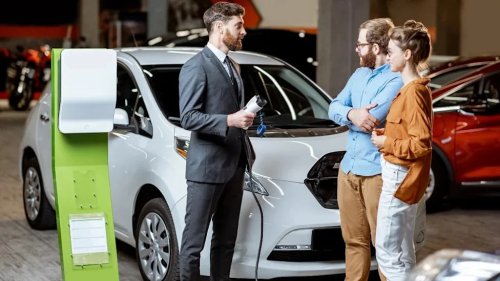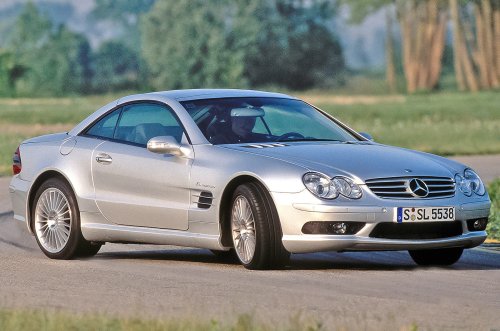



















ViDI Studio / Shutterstock.comYou walk into a dealership in 2026 and the salesperson hands you two quotes for the same vehicle: a lease at $489 a month with $3,000 down, or a five-year loan at $689 a month with $5,000 down. Both numbers feel high. Both feel locked in. And the math the salesperson runs almost always favors whichever path generates more dealer profit for the dealership.This decision is harder in 2026 than it was a decade ago because three things changed at once: auto loan rates climbed alongside the 10-year Treasury at 4.5%, vehicle prices reset higher with core PCE inflation climbing from 126.121 to 129.63 over the past 12 months, and electric and software-defined vehicles depreciate on a curve no one has fully mapped yet.Quick ReadA $45,000 vehicle holding 55% of its value after three years costs roughly $24,000 total whether leased or bought, but leasing isolates depreciation risk for EVs and software-heavy vehicles that lost 40-50% of value as battery tech and tax credits shifted.Buying a mainstream gas or hybrid vehicle and keeping it 8-12 years costs $3,500-$5,000 per year all-in, crushing every other financing path, while leasing is only sensible for high-obsolescence vehicles under 12,000 miles yearly or buying used off-lease vehicles with cash to skip steep new-car depreciation.A recent study identified one single habit that doubled Americans’ retirement savings and moved retirement from dream, to reality. Read more here.The Situation in Plain EnglishMost readers facing this choice fit a recognizable profile. Here is the compact version:AdvertisementAdvertisementRead: Data Shows One Habit Doubles American’s Savings And Boosts RetirementMost Americans drastically underestimate how much they need to retire and overestimate how prepared they are. But data shows that people with one habit have more than double the savings of those who don’t.Age and stage: 45 to 70, often within 10 years of retirement or already thereIncome: Household disposable income near the national average of $68,359 per capitaCash cushion: Thin, with the national savings rate at 3.7%, down from 5.2% a year agoVehicle budget: $35,000 to $55,000, financedThe core question: Lock in a known monthly payment for 36 months, or take on a five to seven year loan and own the assetConsumer mood is part of the backdrop. The University of Michigan Consumer Sentiment Index hit 49.8 in April 2026, the lowest reading of the past 12 months and well below the 60 recessionary threshold. People are nervous about big-ticket purchases, and rightly so. Long-time consumer advocate Clark Howard has been blunt on this point for years, arguing on his podcast that "you should always buy a car instead of lease, except for two exceptions," warning that lease obligations can punish you if the car is totaled.The One Number That Decides It: Cost Per Mile of DepreciationStrip away the jargon and a car is a depreciating asset you rent from time. Whether you lease from a bank or "buy" with a loan, you are paying for the miles of useful life you consume. The question is who carries the residual value risk.AdvertisementAdvertisementA $45,000 vehicle that holds 55% of its value after three years has consumed roughly $20,000 of value. Add financing at a typical 2026 auto loan rate in the high single digits, anchored above the 10-year Treasury yield of 4.5%, and you are looking at roughly $24,000 in total cost over three years on either path. The lease packages that cost into 36 fixed payments. The purchase spreads it over a longer loan but leaves you with an asset to sell.The wrinkle in 2026 is electric vehicles and software-laden gas vehicles. EVs from 2022 to 2024 model years lost 40% to 50% of their value in three years as battery tech and tax credits shifted. That residual risk is exactly what the leasing company swallows, which is why motor vehicle spending rose from $708.5 billion in January 2026 to $784.9 billion in March 2026, with EV leases doing much of the lifting.The Three Paths That Actually Make SenseLease a vehicle with high obsolescence risk. EVs, luxury sedans loaded with first-generation driver assist software, and any vehicle where you suspect the 2029 version will make the 2026 version feel ancient. You hand the depreciation problem to the bank. Works best for drivers under 12,000 miles a year who want predictability and never want to deal with selling a used car.Buy a mainstream gas or hybrid vehicle and keep it eight to twelve years. This is the math that crushes every other option. A Toyota or Honda kept for a decade costs roughly $3,500 to $5,000 a year all-in. No lease comes close.Buy a two to three year old off-lease vehicle with cash or a short loan. Someone else absorbed the steepest depreciation. You inherit the warranty tail and skip the new-car premium.What to Do This WeekRun one calculation before you sign anything. Take the total cost of the lease (down payment plus 36 monthly payments plus disposition fee) and compare it to the expected depreciation plus financing cost of buying the same car and selling it in three years. If the gap is under $2,000, lease for the convenience. If buying wins by $5,000 or more, the lease is a bad deal dressed up as a low payment.AdvertisementAdvertisementThe common mistake is shopping by monthly payment. A $389 lease feels cheaper than a $589 loan, but the loan builds equity and the lease builds nothing. With the national savings rate at 3.7%, that missing equity is the difference between a paid-off car at 55 and another lease payment at 65.Data Shows One Habit Doubles American’s Savings And Boosts RetirementMost Americans drastically underestimate how much they need to retire and overestimate how prepared they are. But data shows that people with one habit have more than double the savings of those who don’t.And no, it’s got nothing to do with increasing your income, savings, clipping coupons, or even cutting back on your lifestyle. It’s much more straightforward (and powerful) than any of that. Frankly, it’s shocking more people don’t adopt the habit given how easy it is.