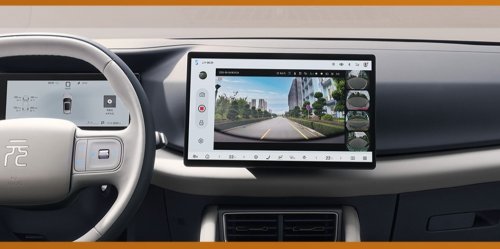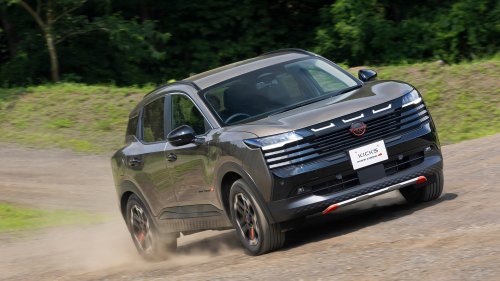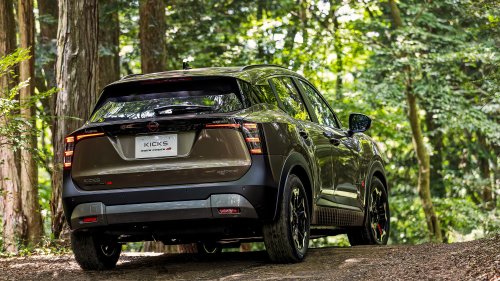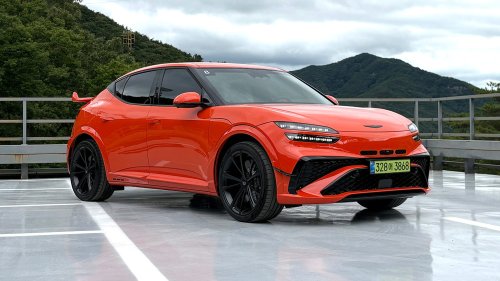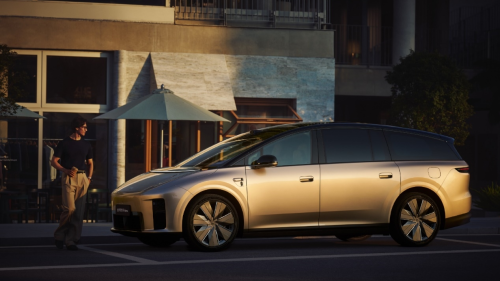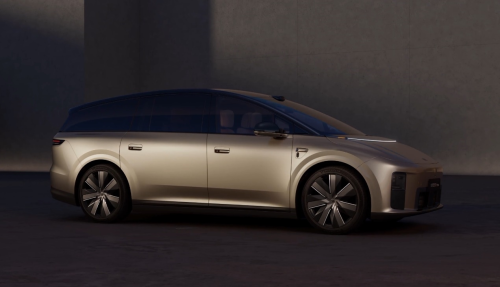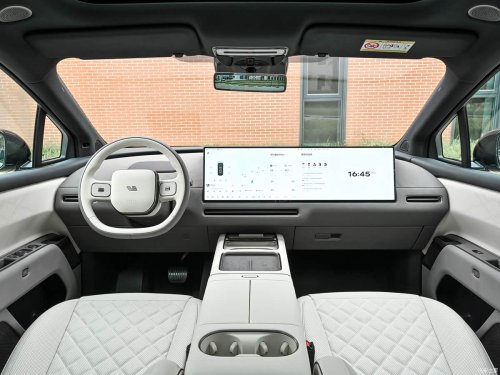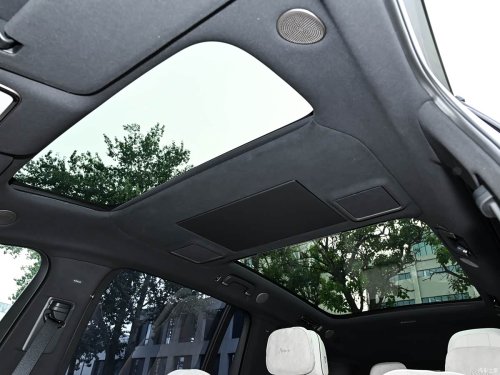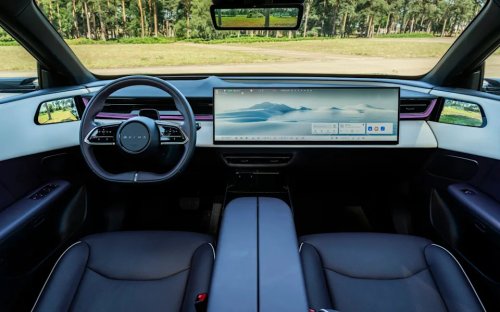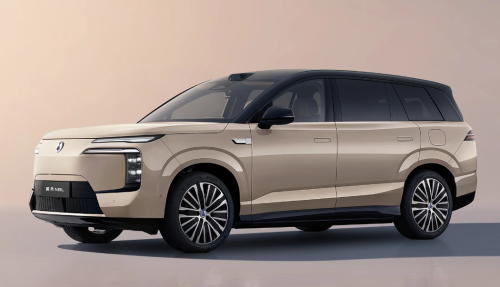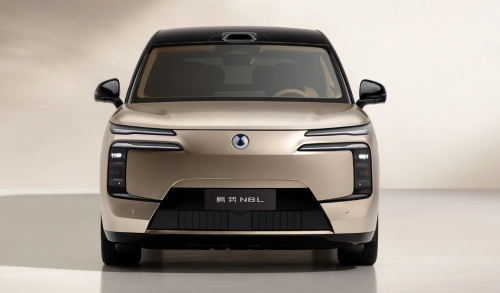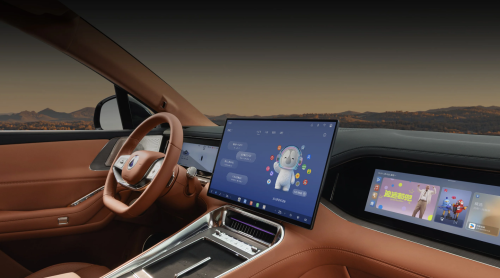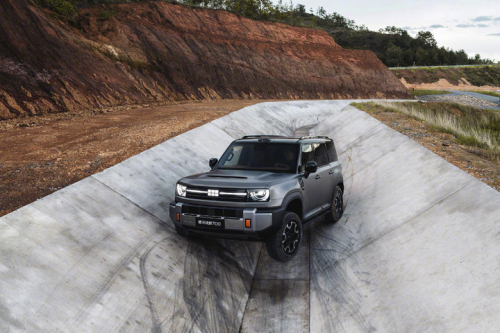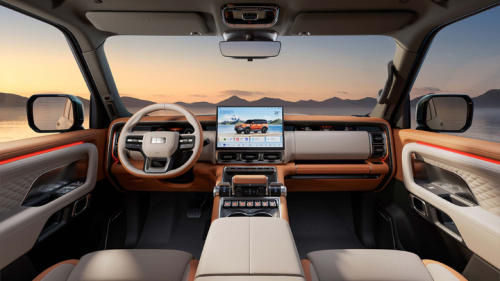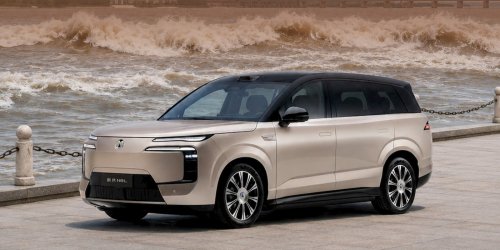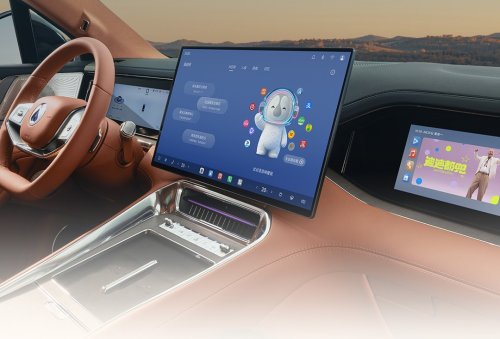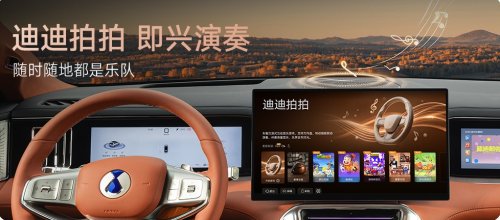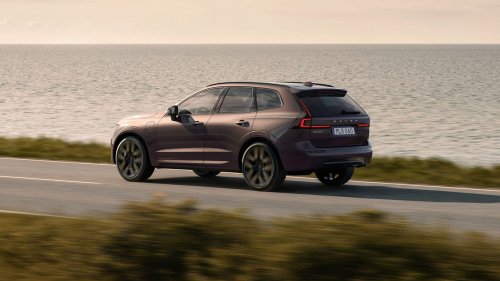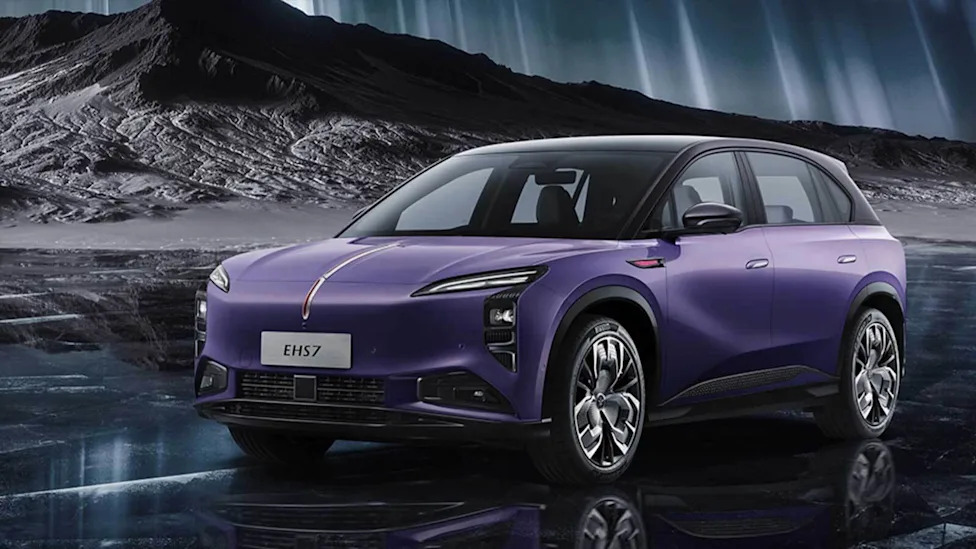
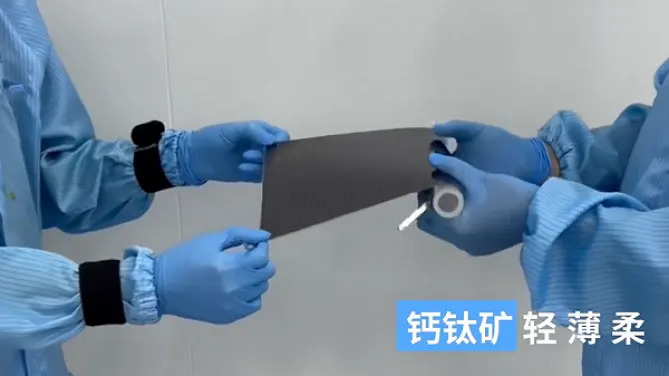
















(Credit: Hongqi)Chinese car brand Hongqi has shown off a prototype of its EHS7 SUV fitted with perovskite solar cells in the roof, doors, and hood, lending it the ability to gain up to 50 miles of charge each day. Although it's still very much a prototype, that's enough to cover most drivers' commutes and could help extend the range of EVs in the future.Range anxiety is a very real issue for EV owners. Not finding a fast enough charger in time, or ensuring you can reach the end of a long journey when range estimates can't always account for weather conditions, passenger weight, or whether you have a roof rack, can take away from the pleasure of owning an EV. Adding meaningful solar charging would boost range, reduce daily charging costs and reliance on the grid, and give drivers a backup option for recharging if they get stuck.Traditional silicon solar panels are too rigid to wrap the aerodynamic body of a vehicle, but with perovskite cells, Hongqi was able to make them fit neatly without ruining the vehicle's sleek lines. Developed by Mailuo Energy, the panels came in 300-by-300-millimeter flexible units, which Hongqi adapted to its EHS7.Gloved technicians holding a flexible Mailuo solar panelCredit: HongqiAdvertisementAdvertisementWith panels on the doors, roof, and hood, the panels generated an impressive 10kWh over the course of the day. The panoramic roof alone generated 300W, more than enough to supply onboard fridges, charge phones, and run the AC while the car is stationary. The panels can come in different colors, too, so they don't interrupt the vehicle's overall aesthetic design.Even better, perovskite panels aren't that expensive, so they're unlikely to raise the vehicle's cost much. Any added cost would likely be offset by lower charging costs over the vehicle's lifetime.I know if they released an aftermarket kit for other EVs, I'd be tempted to set them up with mine. It'd look better than the trailer fitted with traditional solar panels I've seen some EV owners rocking.