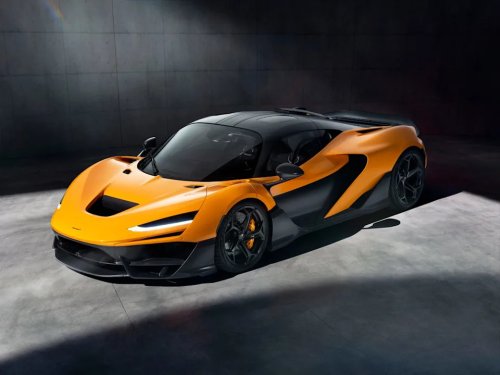
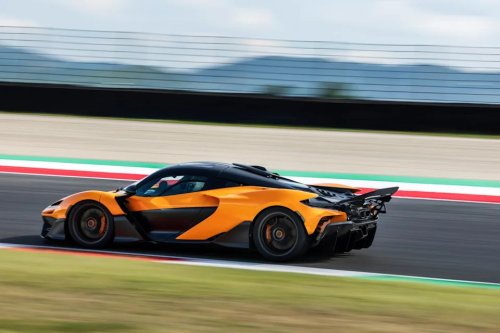
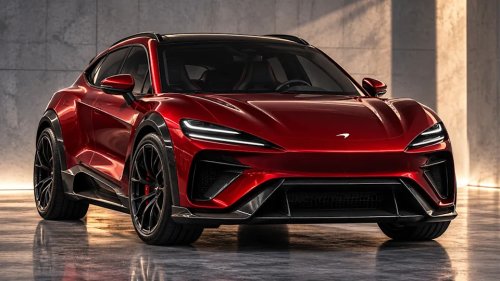
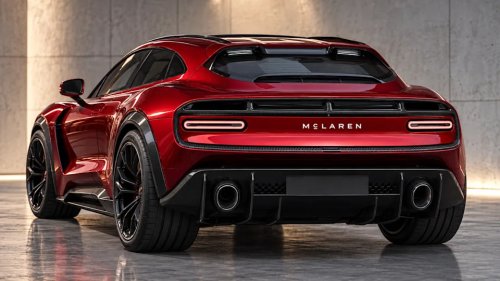
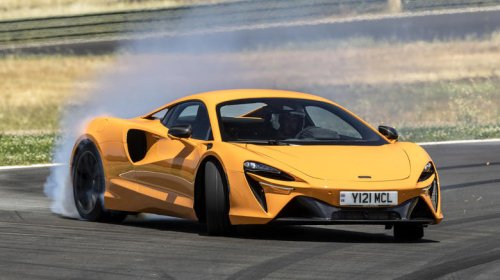
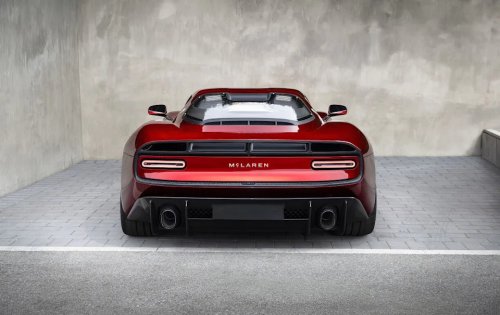
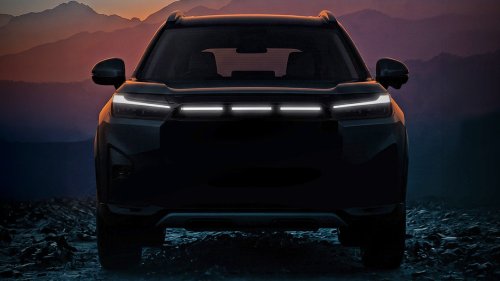
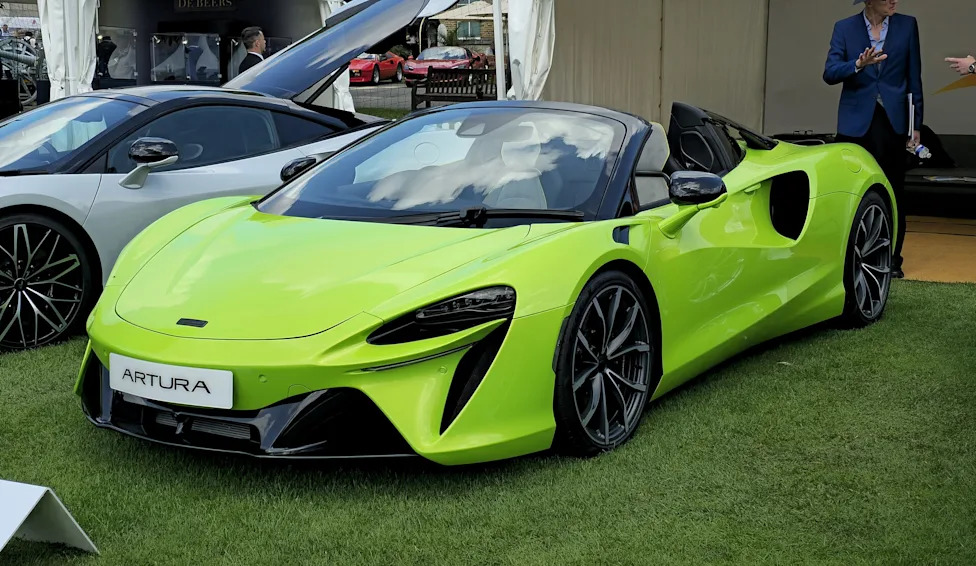
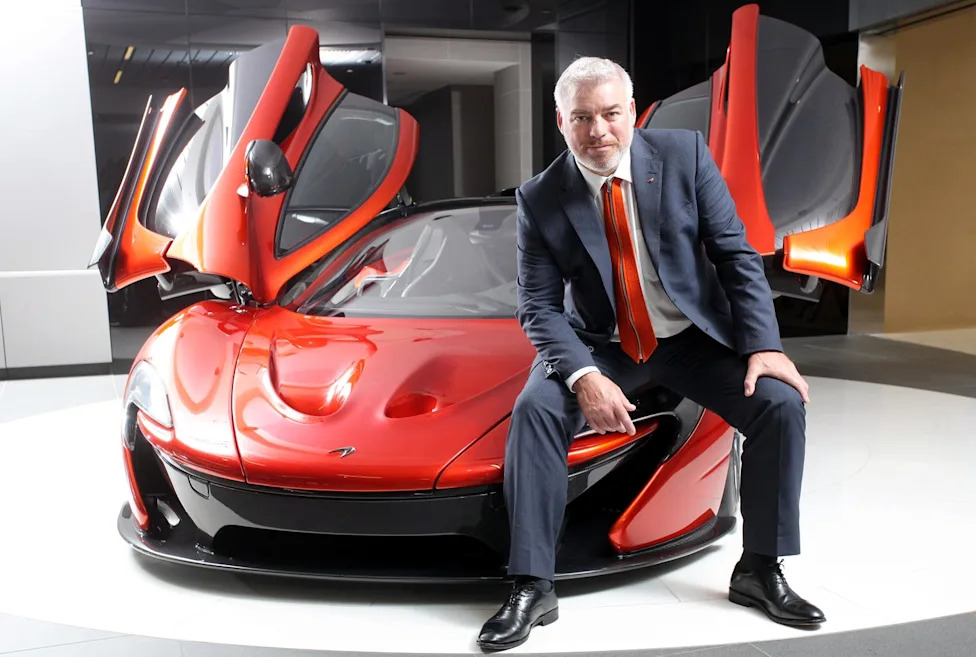
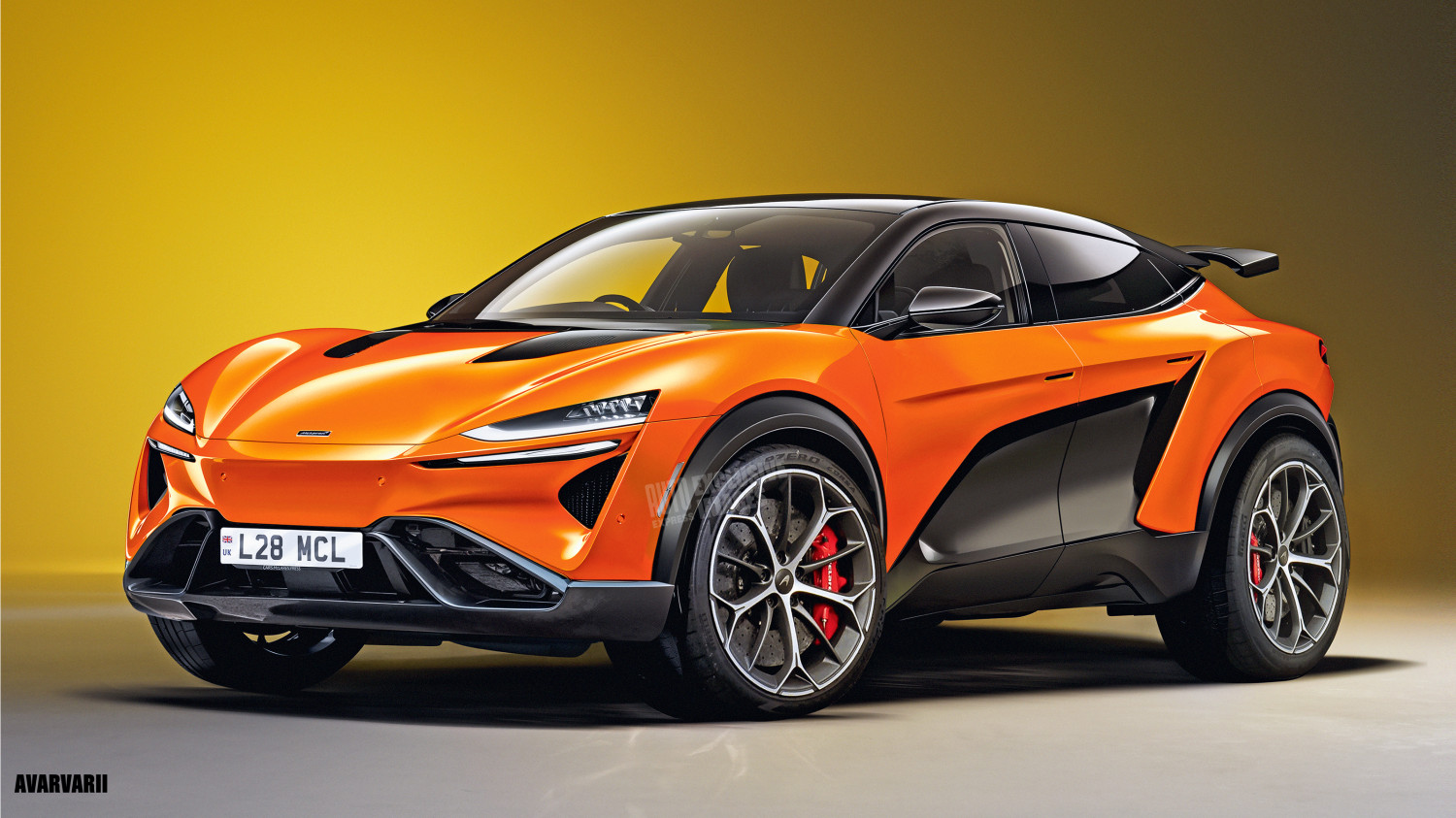
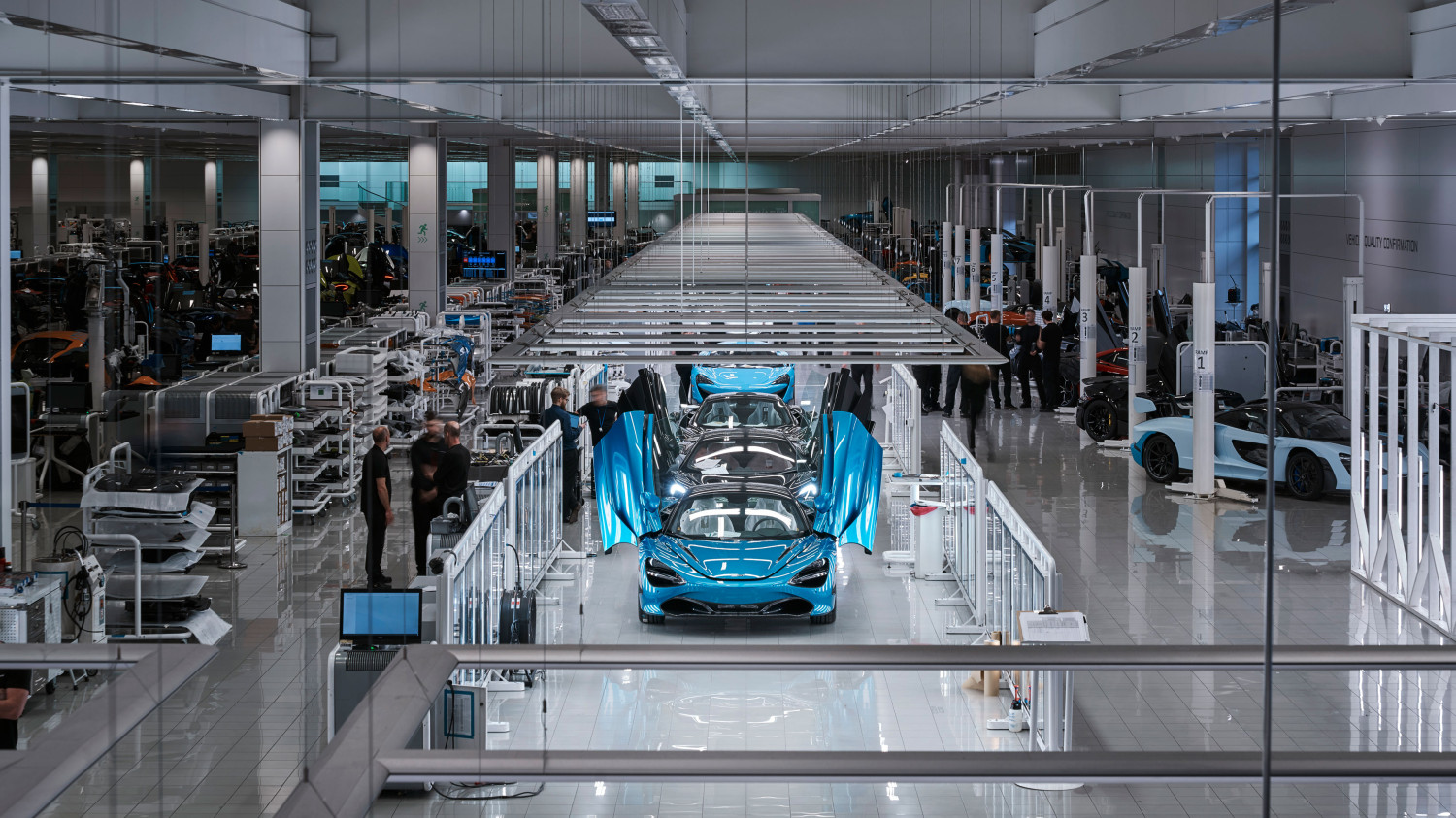
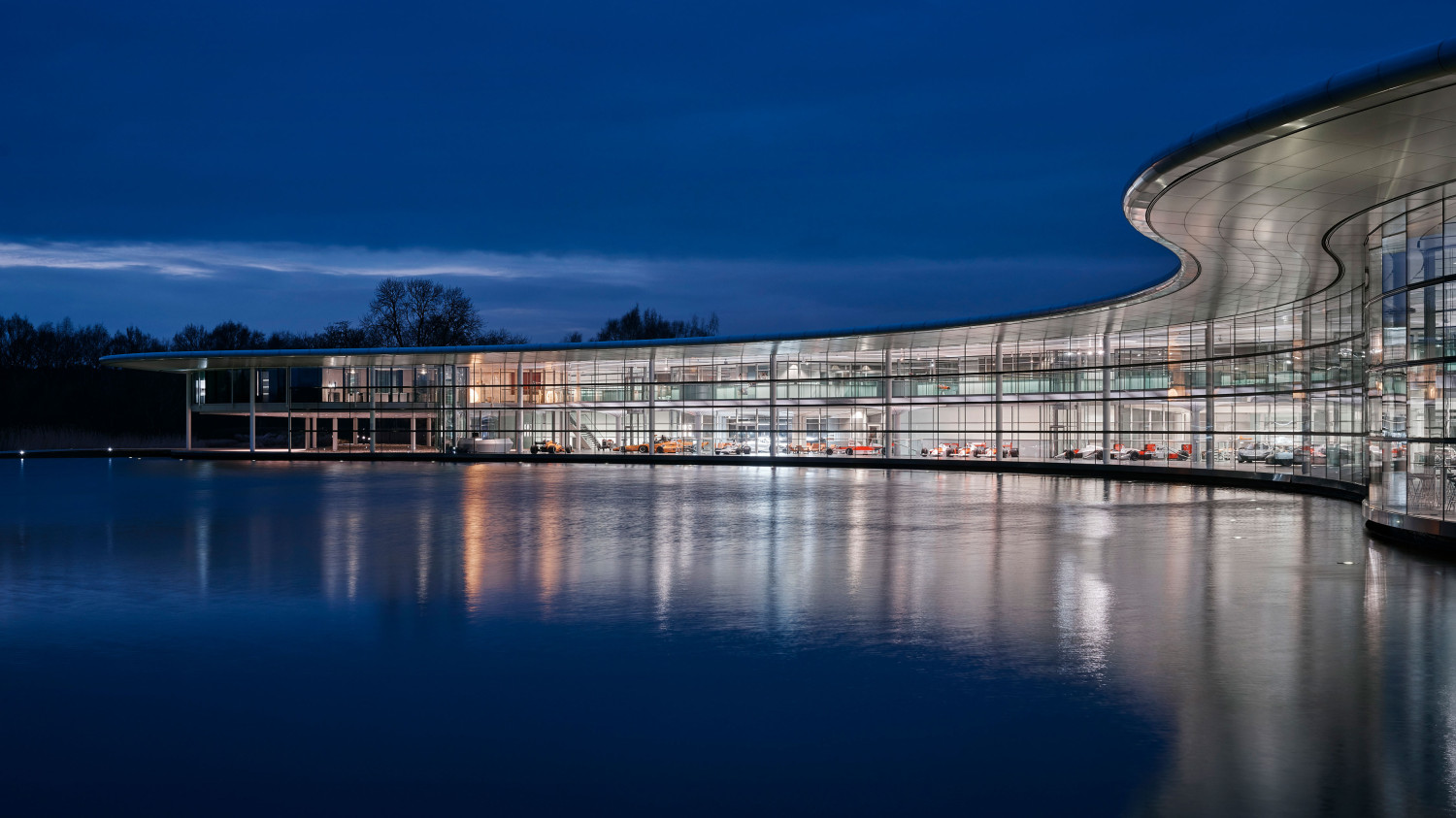
McLaren will unleash its SUV by 2030, a high performance hybrid that will remain true to the brand’s lightweight philosophy and be built in Britain. The Abu Dhabi-owned group has announced a £500m expansion to prepare for the SUV and all-new supercars, bringing engine manufacturing in-house, readying a second assembly line, expanding the brand’s carbon-fibre centre and adding UK personnel to deliver the new era. It’s an ambitious company reinvention and infrastructure project, which is why the SUV – a “clean-sheet design” led by new chief design officer Kemal Curic – is some years from launch. It’ll be the first McLaren with two proper rows of seats – beyond the F1 and Speedtail’s staggered three-seat arrangement – accessed by four doors, to compete with its luxury rivals. They are “the Urus and DBX, definitely,” said Michael Straughan, McLaren’s chief operating officer. The Lamborghini and Aston Martin are more conventional five-door SUVs than the Purosangue, the utility vehicle Ferrari proclaims is a ‘four-door, four-seater’ sports car. McLaren isn’t set to follow its F1 rival down such a puristic – and limiting – path, with a cargo area that trades practicality for poshness. “Whatever we do with an SUV, it clearly needs to be a McLaren and it will be,” said Straughan. “There'll be a rear environment which needs to be thought out very carefully, and how it applies to a very high performance vehicle.” The fundamentals will be McLaren through and through. Carbon-fibre is core to McLaren since it pioneered the lightweight material in Formula 1 in 1981. The new funding will help expand McLaren’s South Yorkshire composites centre, potentially to feed the SUV. “Our DNA is carbon,” said Straughan. “At the moment we’re not committed to that because we know there are challenges with a big car.” The operations chief confirmed this was one of the “big decisions” to be made on the SUV, with McLaren having to work through the manufacturing, repair and cost implications of using the material on a 5m-long crossover. “It would be aluminum if we couldn’t make [carbon] work,” he added. Would McLaren consider partnering with another manufacturer for the SUV’s architecture, Auto Express asked Straughan at the funding announcement at the McLaren Technology Centre in Woking? Under a previous leadership team, the British supercar maker had talks with BMW but Straughan ruled out collaboration. “It has to be ours,” he vowed. “We have no partner we would share this with. We don’t want to be the same as our competitors. We want this to be a unique McLaren [on] a McLaren platform.” The architecture doesn’t need pure electric capability “in its first stage”; McLaren Group Holdings CEO Nick Collins has previously ruled out a zero-emission McLaren until customers are ready for it. But the engineers are sure to protect the vehicle’s package for pure electric to be an option in time. “It will be a hybrid,” confirmed Straughan. The cash injection will help deliver two new engines and transmissions, which will supersede today’s twin-turbo V8 and hybrid V6. Some future McLarens will be offered with pure combustion drivetrains, but leaders are publicly keeping their options open on cylinder counts: “We don’t have to be constrained by a V6 and a V8 in the future,” Straughan told us. One thing’s certain: the drivetrain will have plenty of power and all-wheel drive, to keep up with the 789bhp Urus and 727bhp DBX S, which monster the 0-62mph benchmark in 3.6-seconds or less. “Power-to-weight ratio has always been incredibly important for McLaren. I don’t think we’ll ever let that go – although an SUV brings in different attributes,” added Straughan. McLaren’s Woking production centre isn’t big enough to house SUV production when it’s in full swing, though it might be able to accommodate start-up volumes. So the company is on the hunt for a second manufacturing facility – in Britain. The new strategy draws a line under McLaren’s earlier exploration of the SUV market under previous boss Michael Leiters, who left McLaren after it was acquired by Abu Dhabi investment fund CYVN Holdings (now folded into L’IMAD Holdings) in April 2025 and is the new CEO at Porsche. Leiters’ vision was for a swooping, sporty SUV that would be priced above £200,000 and take on low-volume, high-price rivals, the Aston Martin DBX and Ferrari Purosangue. The SUV was set to be powered by a detuned version of the W1 hypercar’s 1,234bhp drivetrain, which blends a 4.0-litre twin-turbo V8 with a high-output electric motor, and McLaren was in talks with global automotive players to buy in or co-develop a suitable vehicle architecture. It categorically was not a pure electric SUV: sources have told Auto Express that McLaren’s dealer base canvassed customers and found little to no demand for one. That’s a view shared by the current McLaren Group Holdings CEO Nick Collins. “I believe every brand must have a multi-propulsion future,” Nick Collins told Auto Express at the July 2025 Goodwood Festival of Speed. “The pace of regulatory change and consumer adoption is different in different parts of the world. Are we going to make McLaren an all-electric brand? Absolutely not.” Initial work on the mighty McLaren was done under chief creative officer Alister Whelan, who spent more than 20 years at Jaguar working alongside Ian Callum on brilliant designs including the I-Pace, F-Type and 2009 XJ. Until the acquisition of McLaren Automotive (plus a minority stake in the brand’s Formula 1 team), former Jaguar Land Rover R&D boss Collins was establishing British autos engineering start-up Forseven for CYVN. It had already acquired the technology division of Gordon Murray Automotive and a 20 per cent stake in Chinese electric car maker Nio. “We have access to certain Nio technologies with our licence. And that's an amazing opportunity, because, frankly, some of the best automotive technology in the world is in China,” Nick Collins told us. Sources say Forseven was working on two electric SUVs to take on the Range Rover and Range Rover Sport, tapping into Nio electric technology. But any notion to fold those proposals into the McLaren SUV concept have been ruled out. That’s a logical move given the lack of demand for luxury electric vehicles: the zero-emissions Range Rover is two years late to market, Bentley has also delayed its Torcal luxury Urban SUV and Lamborghini is repurposing its electric Lanzador coupe-SUV as a hybrid. Nick Collins was at the heart of the deal for CYVN to acquire McLaren Automotive. “This transaction with McLaren was my initial suggestion,” he explained. He joined Forseven in January 2024 and “very shortly after, I was starting to suggest we look [at the acquisition]. So everything Forseven was doing from the middle of 2024 onwards, was with a target picture of where we got to [in] April.”At a stroke, McLaren Automotive – which veered from one funding crisis to the next in the later years of its Bahraini ownership, ultimately losing around £900 million in 2023 – is on a stronger financial footing. Nonetheless costs must be cut to hasten breakeven, with 500 jobs going across the group in the early days. “We’ve cleared all the debt,” the new CEO confirmed. “We’ve recapitalised the business and we’ve got an incredible board of directors.” Legendary ex-Ferrari CEO Luca di Montezemolo has joined as an advisor, supplementing former Rolls-Royce Cars boss Torsten Müller-Otvös and McLaren’s hugely experienced executive chairman Paul Walsh. Along with Collins, this experienced team will need to decide the new McLaren portfolio. Automotive News reports that a new high-performance version of the 750S is due in 2027, while there will be developments in the Artura supercar segment. McLaren Automotive’s huge 2023 loss stemmed from a long delay to the V6 hybrid Artura’s launch. While media have lauded the driving experience – the Artura was Auto Express’s 2025 performance car of the year – a rogue part caused some early vehicle fires, and software issues scuppered its roll-out. A complete reskin would make sense: that’s a long-established Ferrari tradition, which has most recently transformed the V8 Roma coupe into the Amalfi. Coming first is the McLaren W1 hybrid hypercar: it’s still on course for launch in 2026. McLaren is also considering a more emotive marketing strategy, mirroring the Drive To Survive approach of humanising people such as founder Bruce McLaren, and surfing McLaren’s on-track renaissance. “The brand is amazing,” says Collins. “You see what's happening in racing. I was lucky enough to be at Silverstone [for the British Grand Prix]. The love for [the] papaya orange [racing livery] is phenomenal.” The new CEO concludes: “This isn't about surviving the next five years or to the next equity injection. This is about building a sustainably profitable company that continually reinvests in itself. A company that’s on the world stage, which the country should be proud of.”



















 +67 others