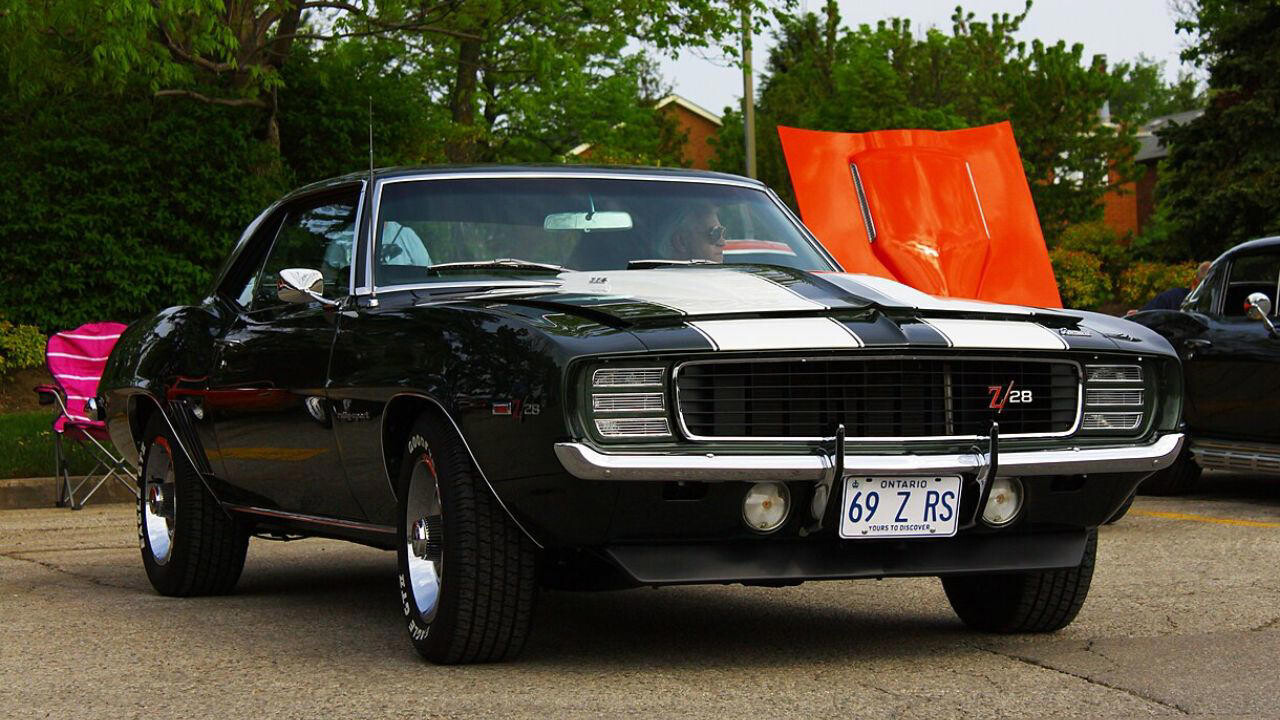
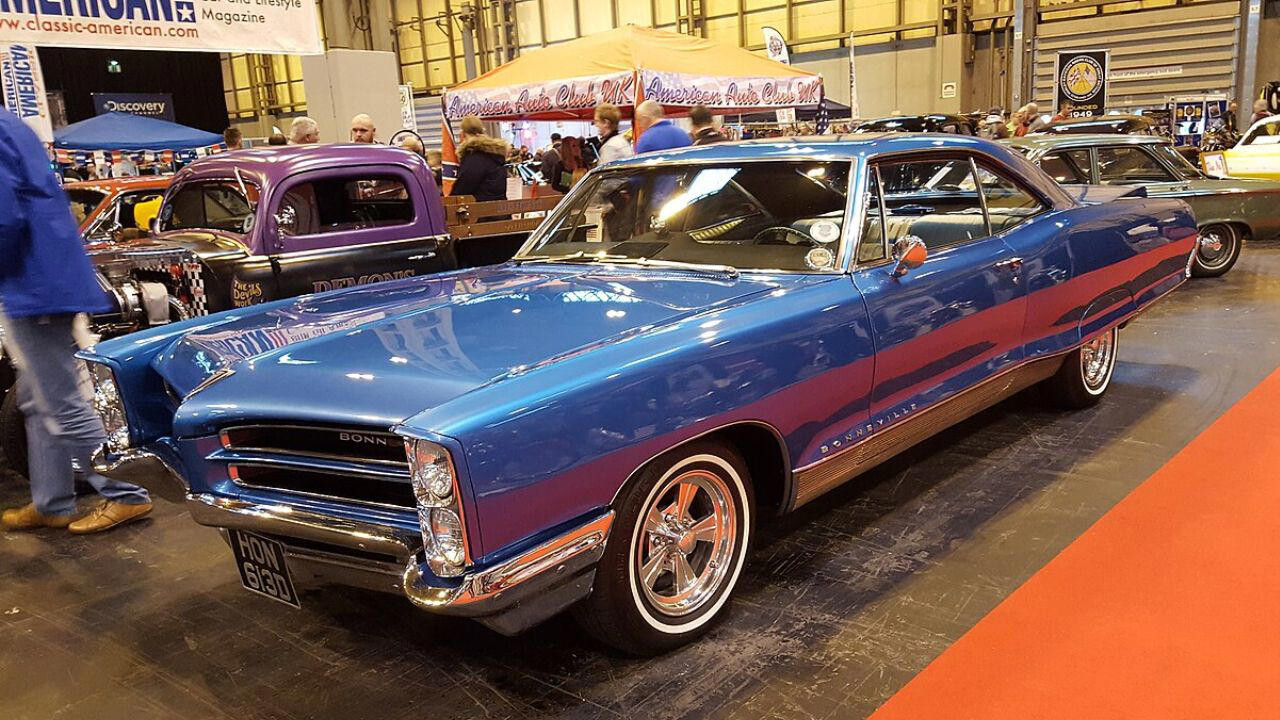
Evan Johnson · 3 months ago@evanjohnson78EVs Only Lose 7% Range In 3 Years... And Sometimes Close To 60% Of Their Value Liked by+62 othersPost commentRelated PostsUsed Car Values Just Dipped for the First Time This Year. Used EVs Went the Other Way. 70 · Parker Roy · 22 days agoChevy’s 1967 Impala SS with big-block power hit 60 mph in under 7 seconds 50 · Ryan Lavoie · 5 months agoHow Much Range Does A BYD Seal Battery Lose After 31,000 Miles? 14 · Grace Lee · 5 months agoToyota Tacoma Vs. Honda Ridgeline Depreciation: Which Loses More Value After 5 Years? 12 · Victoria Green · 1 months agoFord’s 1967 Fairlane GT with a 390 V8 reached 60 mph in around 7 seconds 52 · Aiden White · 5 months agoWhich Toyota Model Has The Best Resale Value In Recent Years? 36 · Emily Labelle · 1 months agoChevy’s 1969 Camaro Z/28 hit 60 mph in about 7 seconds with a high-revving V8 85 · Amélie Labelle · 5 months agoDo wind and solar farms tank home values? A 20-year study has an answer 42 · Lucas Turner · 1 months agoPontiac’s 1966 Bonneville delivered full-size muscle with 0–60 mph near 7 seconds 46 · Liam Campbell · 5 months ago7 Lexus Models That Hold Their Value Best After Five Years 75 · Emma Harris · 1 months agoPontiac’s 1967 Grand Prix with a 428 V8 reached 60 mph in under 7 seconds 75 · Amélie Brown · 5 months agoToyota Camry Vs. Honda Accord Depreciation: Which Loses More Value After 5 Years? 74 · Connor Carter · 2 months agoPontiac’s 1965 Catalina 2+2 with 421 power hit 60 mph in under 7 seconds 94 · Henry Wilson · 5 months ago8 first-year muscle cars purists value above the full runs 78 · Gabriel Anderson · 2 months agoOldsmobile’s 1968 Cutlass 442 reached 60 mph in about 7 seconds 48 · Annabelle Hall · 5 months ago10 Collector Cars We Predict Will Skyrocket in Value Over the Next 5 Years 11 · Ava Rogers · 2 months agoFord built a Mustang GT with a 289 that hit 60 mph in around 7 seconds in 1965 46 · Emma Campbell · 5 months agoChevrolet Tahoe Vs. GMC Yukon Depreciation: Which Loses More Value After 5 Years? 70 · Zoë Lee · 2 months agoBuick built a Riviera GS that could reach 60 mph in about 7 seconds in 1965 14 · Parker Lavoie · 5 months agoToyota Highlander Vs. 4Runner Depreciation: Which Loses More Value After 5 Years? 54 · William Hall · 2 months ago




 +62 others