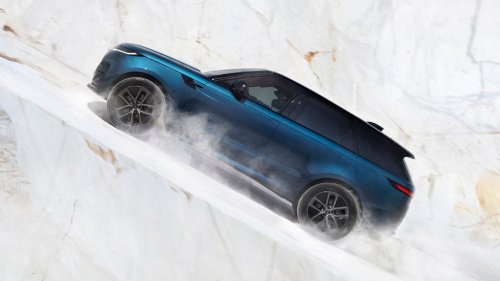
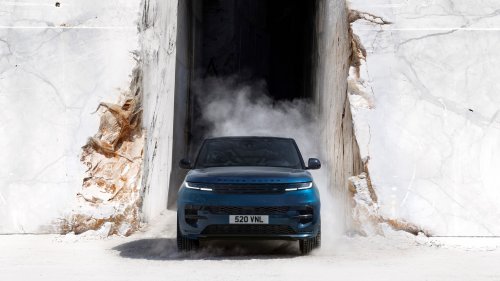
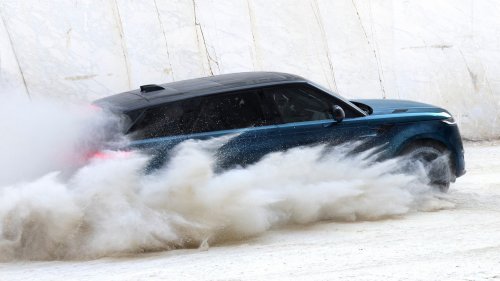
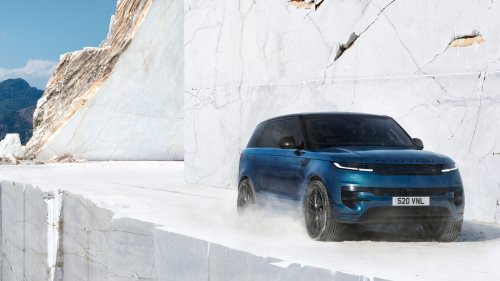
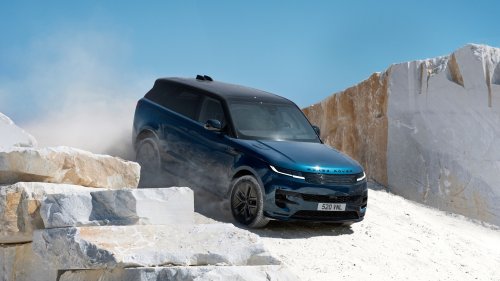
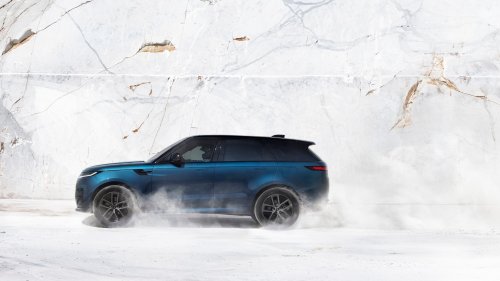
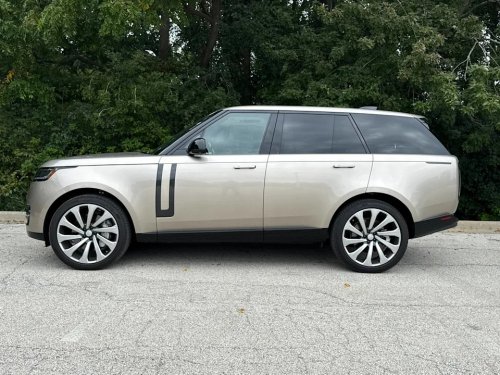
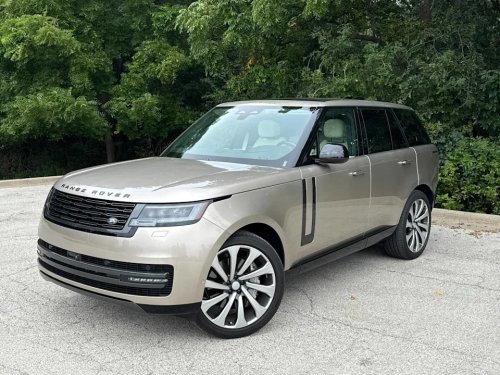
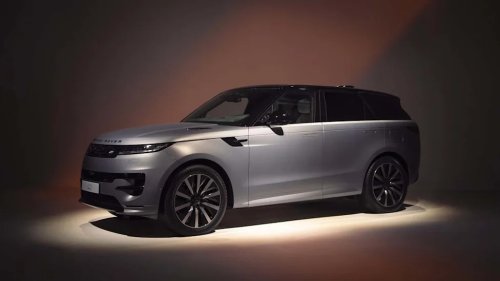
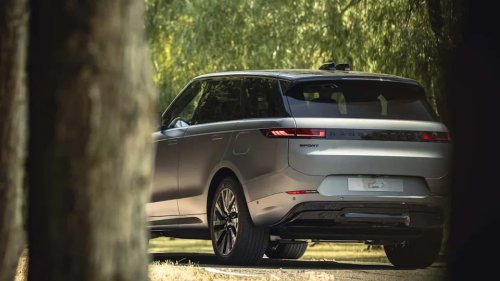
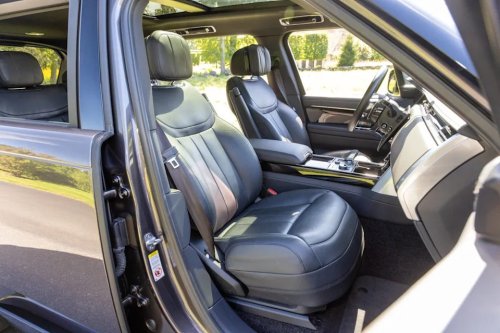
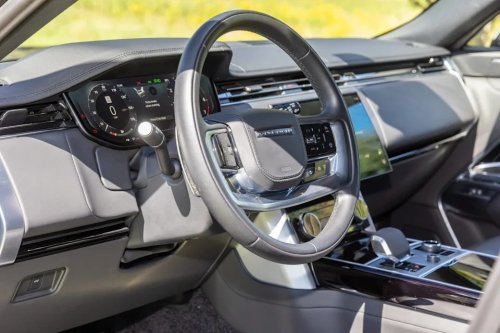
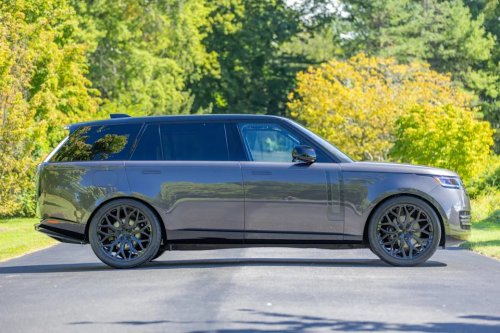
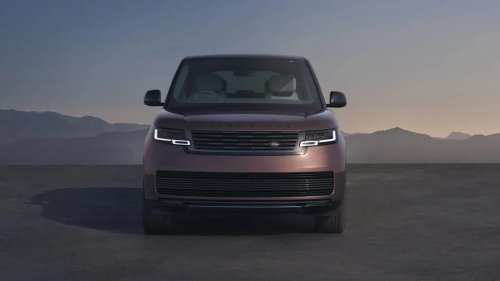
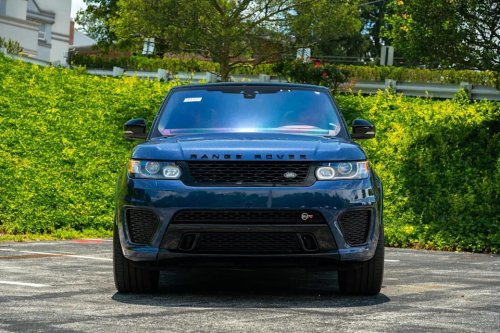
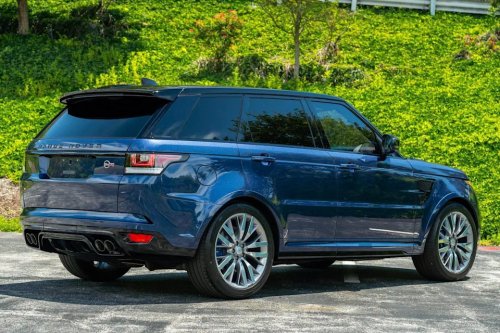
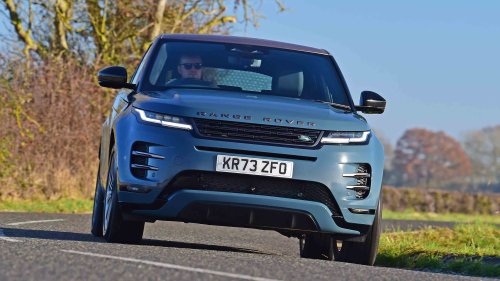
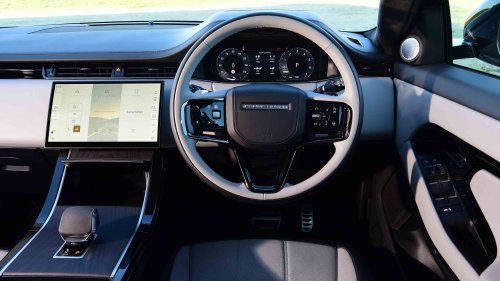
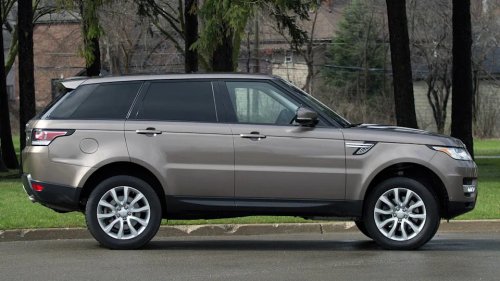
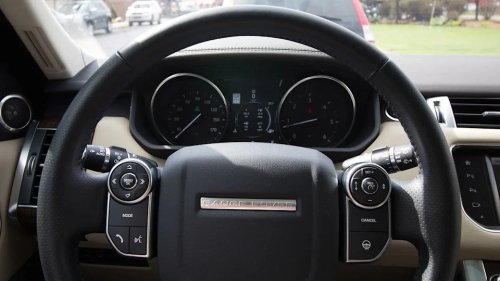
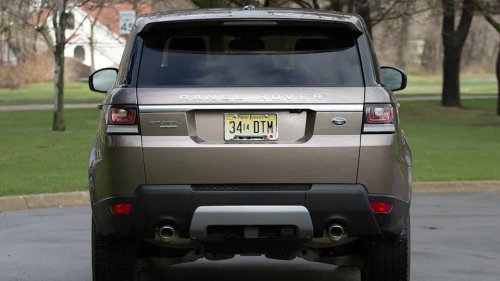
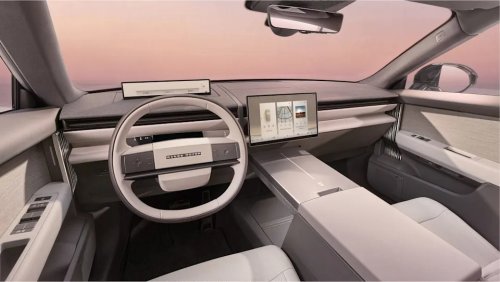
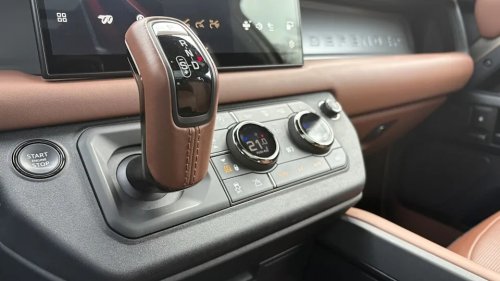
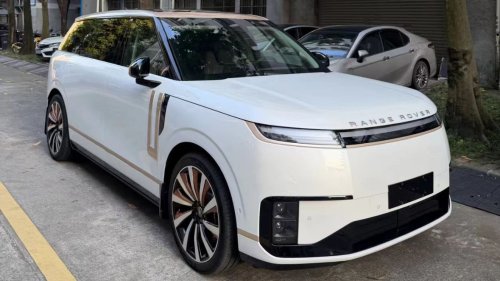
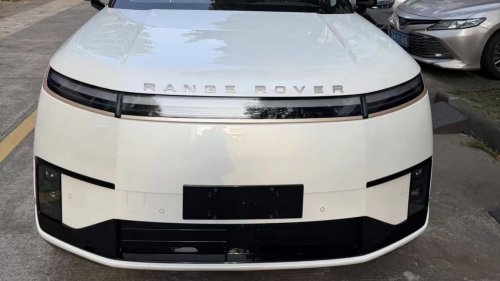
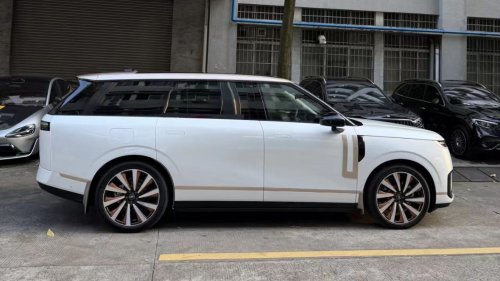
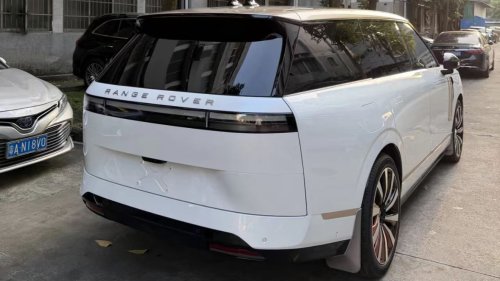
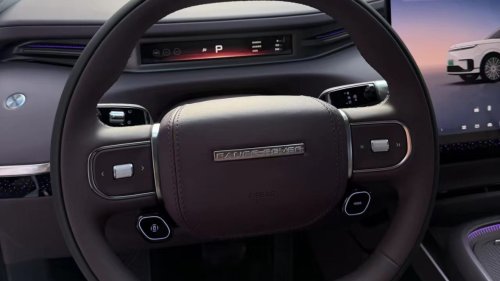
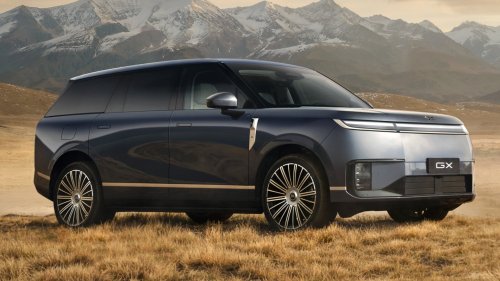
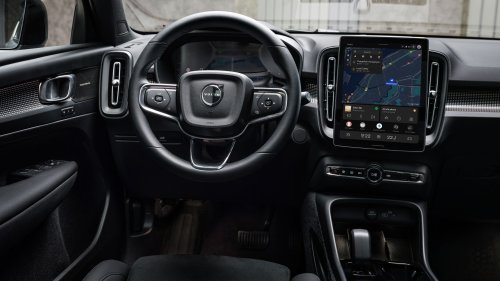
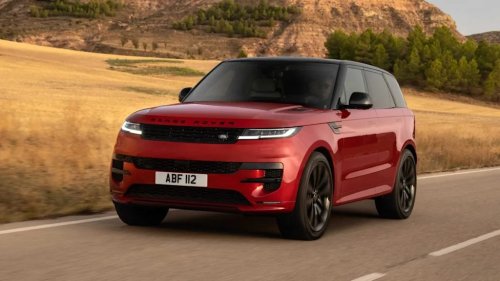
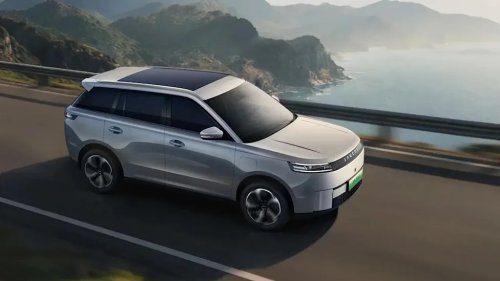
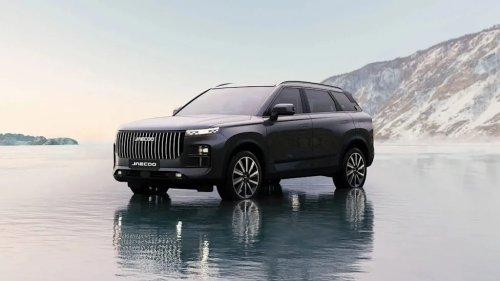
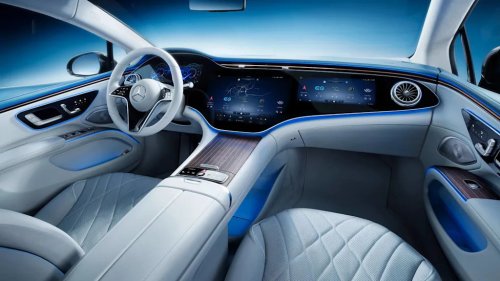
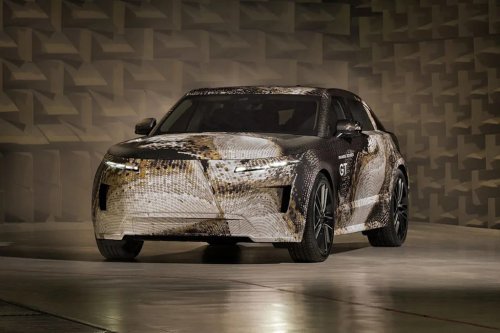
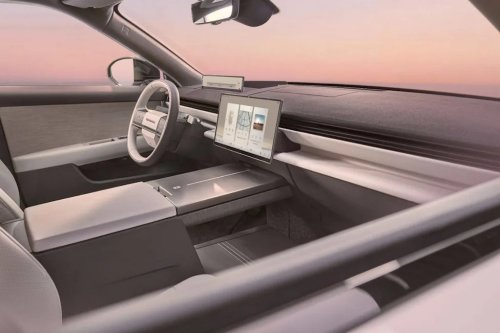
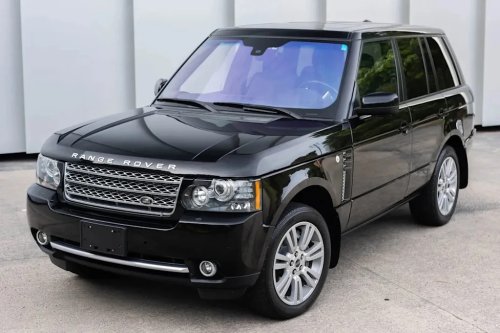
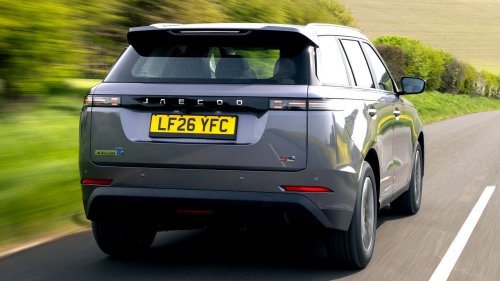
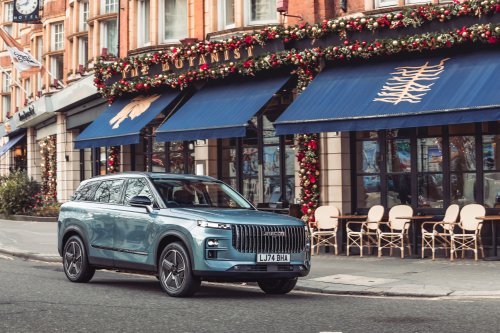
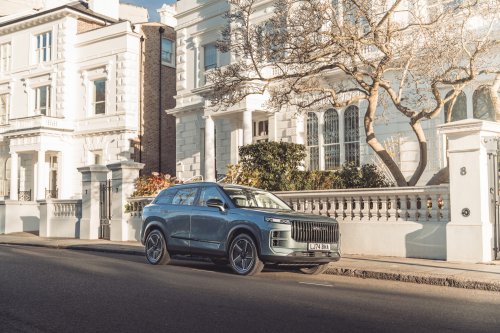
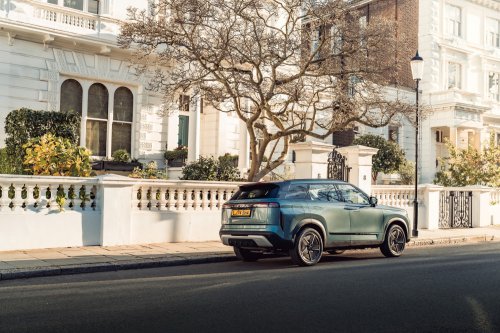
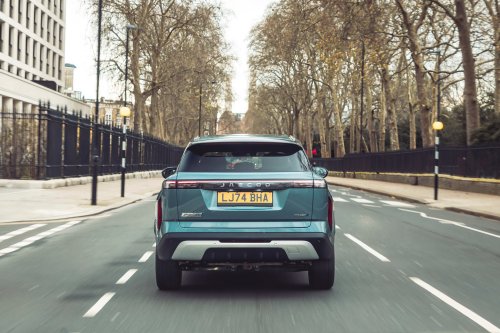
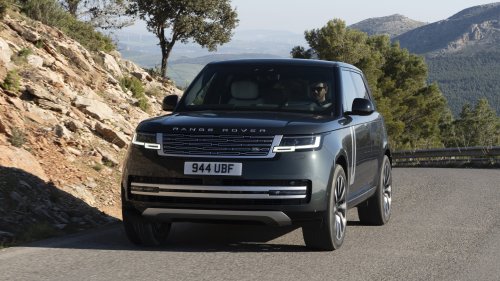
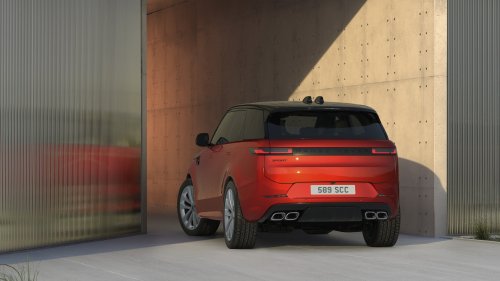
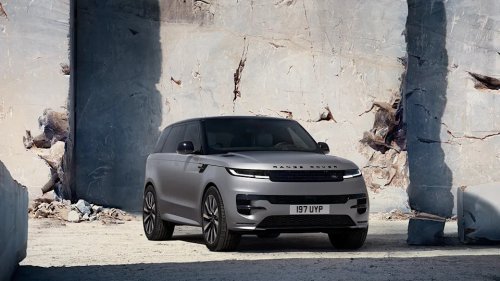
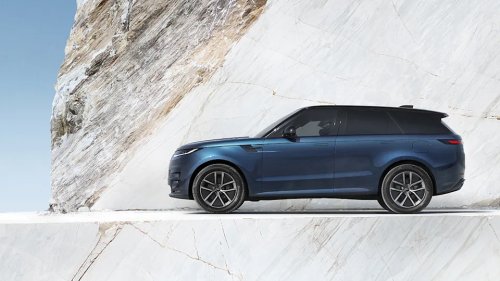
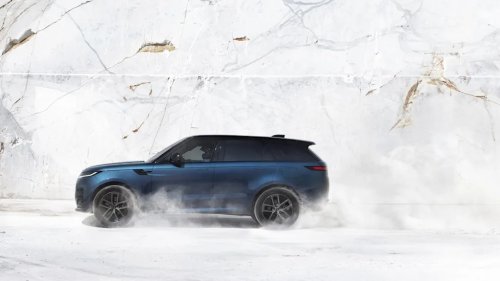
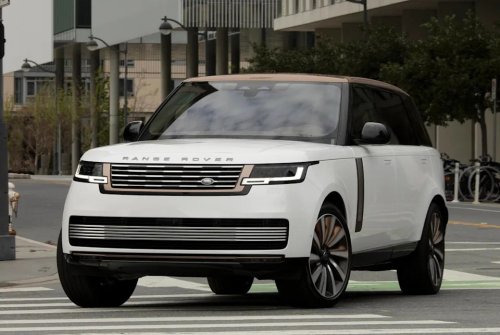
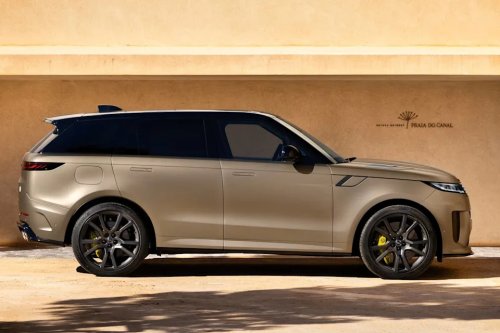
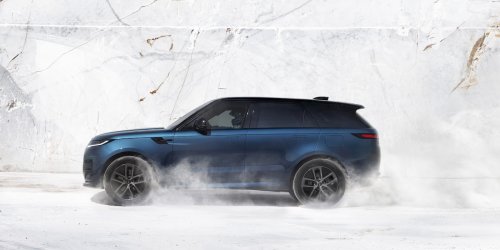
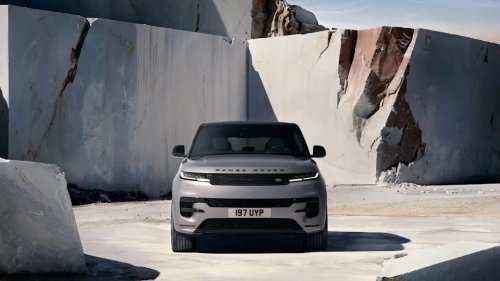
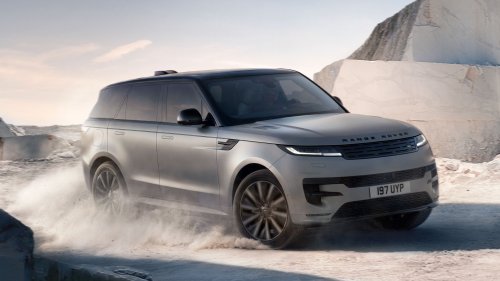
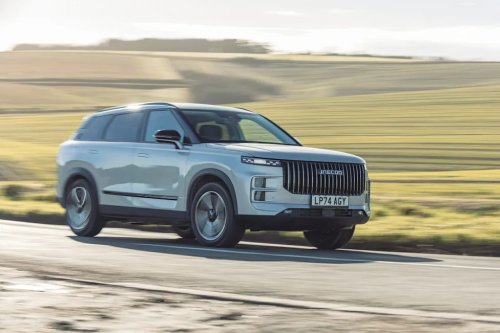
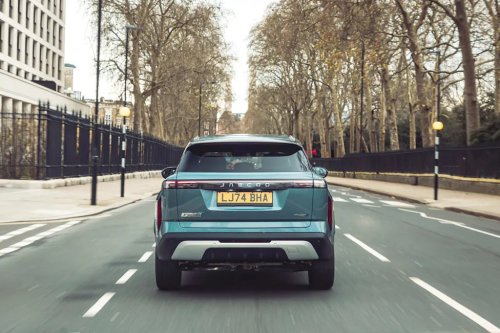
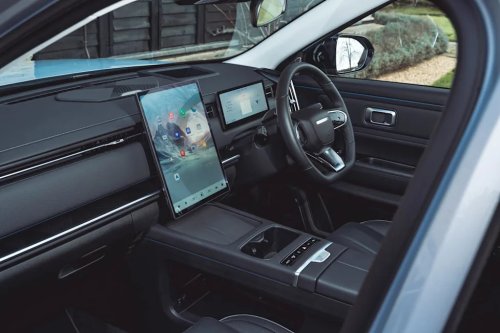
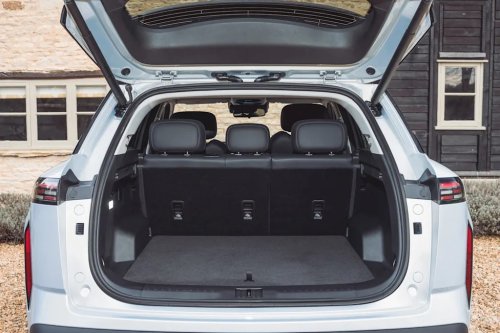
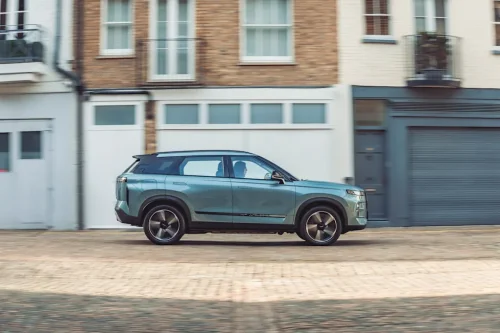
The Jaecoo 7: Just Good Enough to Sell Like CrazyJaecooFor a glimpse into how quickly a Chinese brand can dominate a market, look no further than the Jaecoo 7. Just 18 months ago, Jaecoo hadn't even entered the U.K. market. Today, it builds the U.K.'s bestselling car.This isn't a story about a radical new product that's significantly better than the opposition. It's a story about pricing, strategy, and opportunity. And it's unique to the U.K.The growth of Chinese brands is as much about push as pull. China's super-competitive domestic market has forced companies to look abroad for growth, and with the U.S. a closed door due to 100 percent import tariffs, attention has fallen on Europe. Keen to protect its own industry and citing the government subsidies given to Chinese firms, Europe responded by introducing a sliding scale of tariffs up to 35 percent on imports. The U.K.'s tariffs are a relatively modest 10 percent.JaecooThe result? Chinese brands have charged in and quickly captured significant market share, none more so than Jaecoo. The 7 is the right car for a British audience: a five-seat, mid-size SUV that's aimed squarely at rivals such as the Honda CR-V, Toyota RAV4, and Kia Sportage. And it looks a bit like a knockoff Range Rover Evoque, which is a surefire way of tempting image-conscious Brits to your new brand. It's also why folks are calling it the Temu Range Rover. Give them a tempting entry price—in this case, an on-the-road price comparable to about $47,000 dollars (or thousands less than most rivals on a spec-for-spec basis)—and you're halfway there already.AdvertisementAdvertisementSo the 7 is aimed squarely at cost-conscious families, and to entice them in, it's available in several guises. You can have a gas-powered version, a conventional hybrid, or a plug-in hybrid. What you can't have is an all-electric version. The non-PHEVs feature a 145-hp turbocharged 1.6-liter inline-four, with the hybrid adding an electric motor and a small lithium battery to boost the combined output to 221 horsepower. The car we drove was the plug-in version (dubbed SHS-P) that teams a 141-hp 1.5-liter turbo four with a 201-hp traction motor, a generator, and what we estimate to be a 16-kWh battery. So far, business as usual.JaecooBut what's surprising is just how smooth and quiet that internal-combustion engine is and how well it integrates with the electric motors to create a drive system very similar in concept to Honda's two-motor hybrid configuration used in the CR-V Hybrid and others. Because the engine is so hushed and the traction motor does much of the heavy lifting, there's no sense of the four-cylinder revving its heart out, and you don't get that unpleasant elastic acceleration you might experience with a continuously variable automatic.The combined system output is 201 horsepower, which is seemingly available all the time. There's torque aplenty—229 pound-feet–prompt throttle response, and enough performance to cope with having a load of weight on board. Jaecoo claims a zero-to-62-mph time of 8.5 seconds, but the figure most people will care more about is the roughly 50 miles of electric range.There's also the promise of 40-kW fast-charging and V2L (Vehicle-to-Load) discharging, so you can use the Jaecoo as a giant power bank if you're camping. Jaecoo says that with a full charge and the 15.9-gallon fuel tank topped off that the 7 has a range of over 600 miles.AdvertisementAdvertisementThe 7's driving experience is debatable. The Chinese domestic market has been so competitive over the last two decades that it's forced firms to develop cars both quickly and well in a bid to survive, let alone thrive. Those firms that are still here have proven themselves to be capable and adaptable. How much actual development is being done in Europe is up for argument, but what's beyond doubt is that cars are being developed for Europe.JaecooThe 7 rides softly, unafraid of a bit of body roll and movement. Because of this relaxed approach to control, it struggles with directional stability, requiring a steady hand on the steering wheel to keep it pointed where you want. Aggravating that trait is a lane-keeping system that, while decent enough on multilane roads, can't hack life on single lanes, tugging left and right. Best turn it off.The other factor affecting your trajectory is the torque steer. While lesser 7s are available with all-wheel drive, the plug-in hybrid is front-drive only. The relaxed suspension tuning means it quickly unloads an inside wheel, which then spins under even modest throttle applications. But most owners aren't going to drive like this. The typical Jaecoo 7 driver just wants a car that is quiet and comfortable, and this is. The suspension isolates the bumps from the cockpit and, thanks to plenty of sound deadening and double-glazed windows up front, the cabin is quiet. It's not going to hunt down BMW X3 Ms on back roads, but the 7 is demonstrably better tuned than other Chinese newcomers from BYD and Omoda.JaecooThe cabin design and layout is entirely generic. As with so many Chinese firms, Jaecoo appears to have been inspired by Tesla. So there's a giant portrait-oriented central screen and a featureless dash. There are buttons—the less said about the puzzling functionality of those on the steering wheel, the better—and you can change drive modes on the center console. Plus, equipment levels are good. The SHS-P is only available in Luxury trim, which features a panoramic roof, wireless Android Auto and Apple CarPlay, and an eight-speaker Sony sound system.AdvertisementAdvertisementRear-seat space is good, the seats are comfortable throughout, and there's plenty of cargo space behind the second row. It's all class competitive, although the perception of quality falls off the further back through the car you travel. The cargo bay is afflicted with cheap plastics and a shoddy cargo cover. However, that aside, the 7 doesn't get much wrong, which means it's recommendable to people who don't really care what they drive and have no brand loyalty. Mainstream U.K. buyers used to stick with a favorite company—for generations, families would either favor, say, Ford or Vauxhall—but now you only really see that loyalty with the premium German brands.Jaecoo, either by clever planning or luck, has managed to get its name known and build an audience very quickly. In part, the growth is self-fulfilling—people who have never heard of Jaecoo will instinctively trust the brand if they see its cars on the road. And having a nickname that links it to Range Rover, no matter how tenuously, does it no harm. But mainly, the 7 is popular because the lease deals are exceptional.JaecooThe Temu Range Rover, then, has its niche. With the global economy in a tough position and consumer confidence down, for British buyers it's the right car, at the right time, for the right price. Jaecoo is selling 10,000 or so 7s per month, and some argue that the U.K. should have better protected its domestic industry. But unlike France, Italy, and Germany, the U.K. doesn't have large domestic car manufacturers to protect. Its strategy is to let foreign companies in, with the hope that they'll choose to set up factories. But if Jaecoo is this successful while still building cars in China—where labor costs are significantly less than Europe—why would it need to do anything else?You Might Also LikeGift Guide: Best Ride-On Electric Cars for KidsFuture Cars Worth Waiting For: 2025–2029



















 +2 others