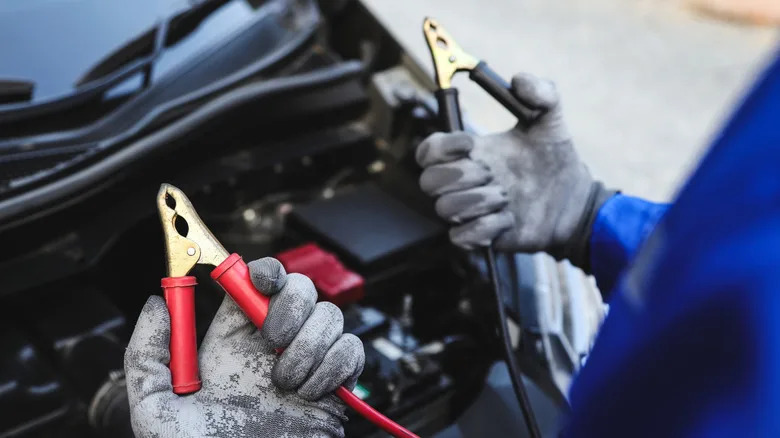
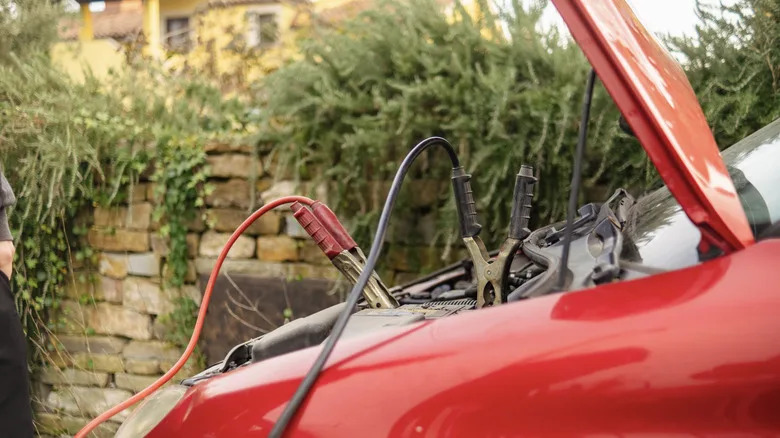



















Yes, Jumper Cables Can Wear Out, Here's When They Should Be ReplacedJalopnikAlvin ReyesFri, September 18, 2026 at 11:35 PM UTCAdd us on GoogleNoin90650/ShutterstockBy default, I inherited a set of jumper cables from a few of my dad's garage tools before he passed away, a hand-me-down of essential car guy necessities, including an alligator jack, a foot-driven air pump, and some wrenches. The jumper cables were of typical old-school quality, featuring more substantial two-gauge cables, robust insulation, and durable clamps. Those booster cables were already a decade old before they passed hands, having jump-started quite a few cars for strangers at parking lots who had no idea that their batteries were on their last legs.However, I gave up tinkering and fixing cars for a while, and the tools began to gather dust. The jumper cables that I thought would last forever (owing to their heavy-duty construction) began deteriorating to the point of rendering them unsafe and unusable. Rust began to eat away at the exposed metal parts, and the insulation started to crack, peel, and disintegrate.It led to exposing the thick wires underneath, with the faulty insulation allowing the cables to start fraying and become loose in all the wrong places. Meanwhile, the clamps were so thick with rust that there was almost no metal left, a stark reminder that even the most well-built products stand no chance at neglect. Jumper cables can last a long time with proper care, but they quickly degrade when left unattended in the presence of moisture, weather, and dust.AdvertisementAdvertisementRead more: These Are The Simple Vehicle Repairs Or Tricks That Made You A Hero To Your Non Car-Obsessed Friends And FamilyWhen to replace jumper cables (and how to make them last)Valentina Stankovic/Getty ImagesIt may all depend on the materials and quality of the product, but it's not uncommon for jumper cables to last more than a decade if they are correctly maintained. Frequent usage and aging may eventually shorten the usable life of booster cables. However, it's time to replace them if there are signs of visible damage, corrosion, or deformities in the insulation, cables, or clamps. Remember that jumper cables are like bridges of electricity when connected, and a weak link can either create shorts, unnecessary sparks, or start a fire, heaven forbid.Luckily, you can get a 20-foot, 4-gauge Top DC jumper cable and 16-foot Energizer booster cables without breaking the bank. You can make your new booster cables last longer by avoiding folding or rolling them like electrical tape in storage to prevent cracking or fraying. In addition, storing your cables in a dry place is essential to prevent rust and corrosion buildup on the clamps, and it's worth wiping them down with a dry towel after each use to remove dirt and contamination.And despite being invented to stop interstellar missiles from rusting, occasionally treating the clamps with WD-40 and wiping them down goes a long way in warding off oxidation. Jumper cables should be in every car owner's trunk, since there's no saying when the need arises to start a dead car. And when you do successfully jump-start a vehicle, remember to drive the car for around 30 minutes to give the alternator a chance to recharge the battery sufficiently.AdvertisementAdvertisementWant more like this? Join the Jalopnik newsletter to get the latest auto news sent straight to your inbox, and follow us or add us as a preferred search source on Google.Read the original article on Jalopnik.