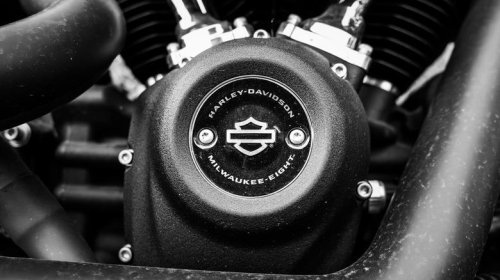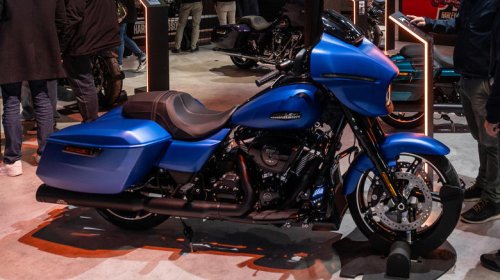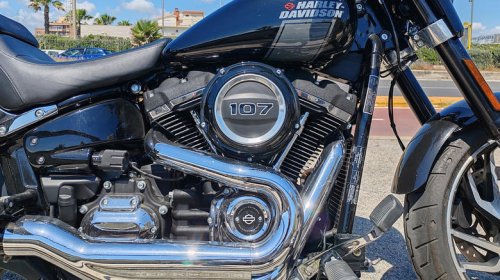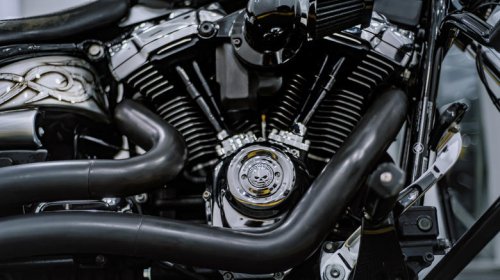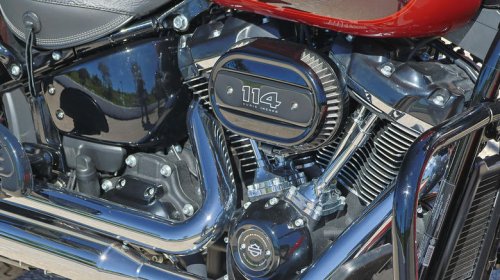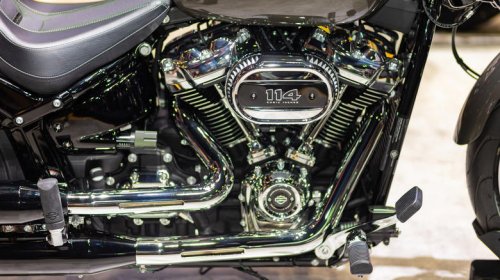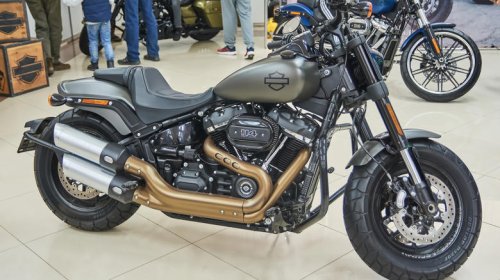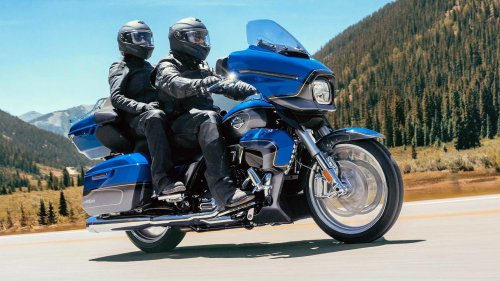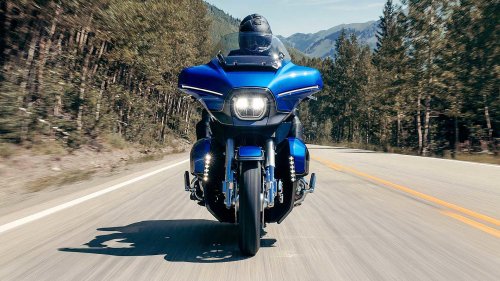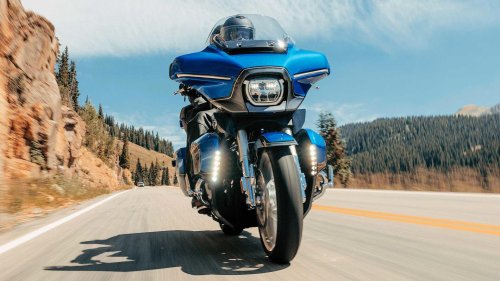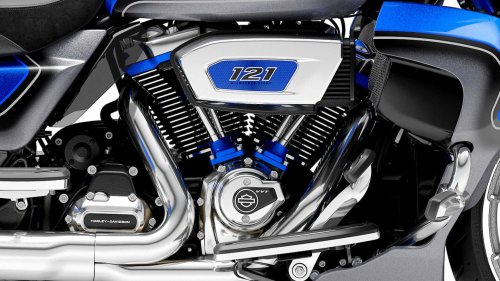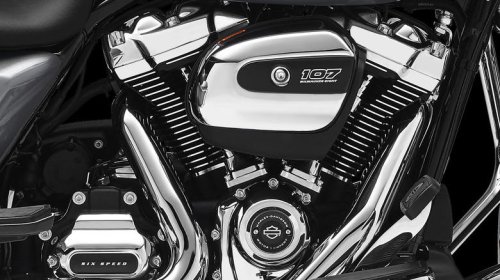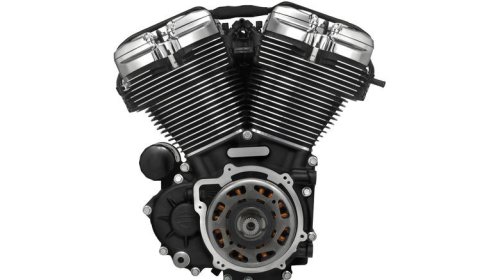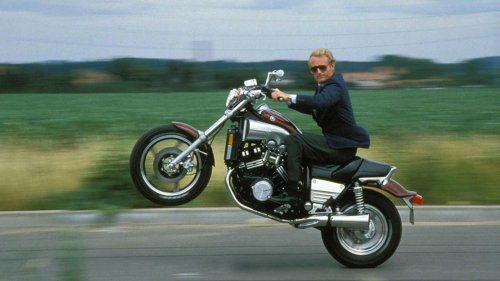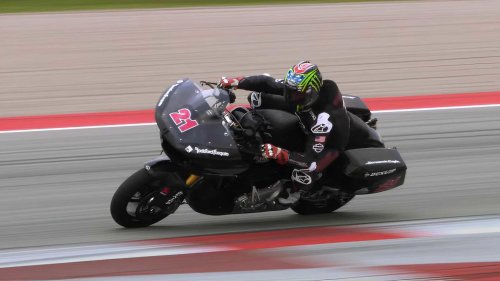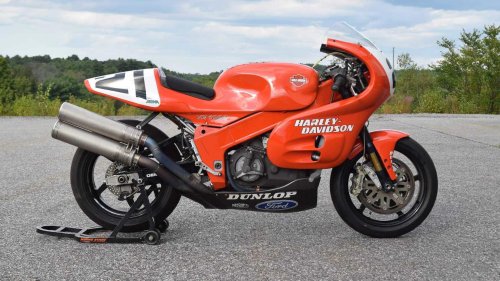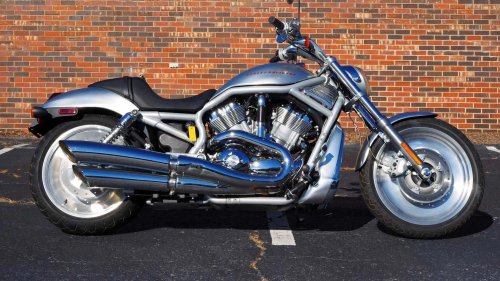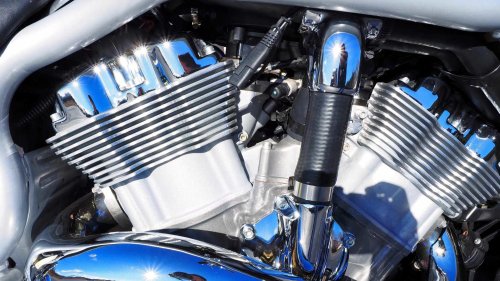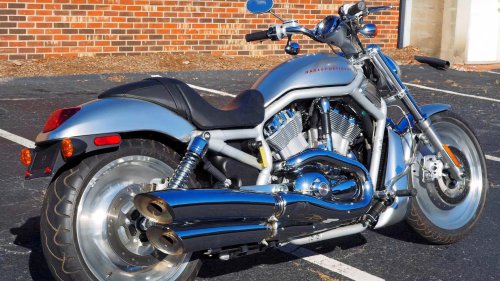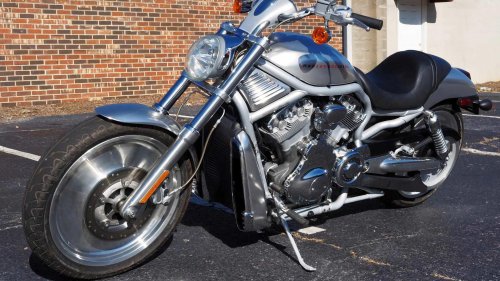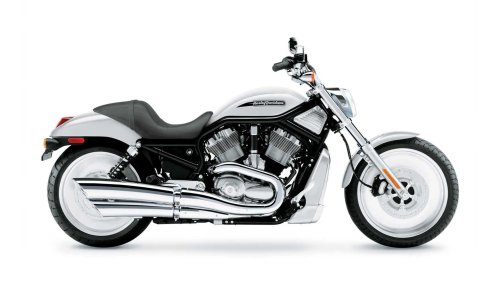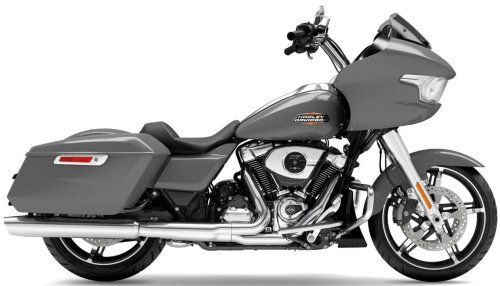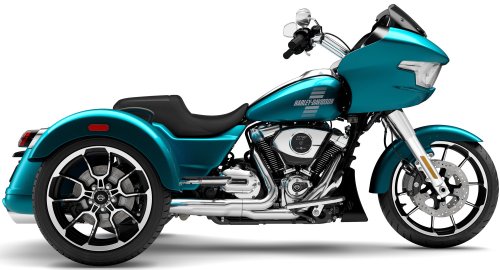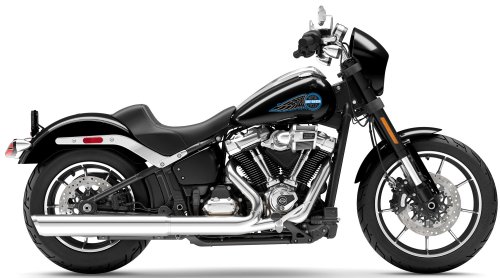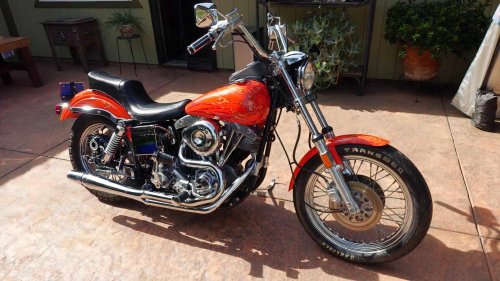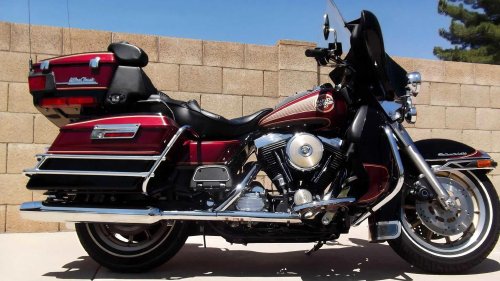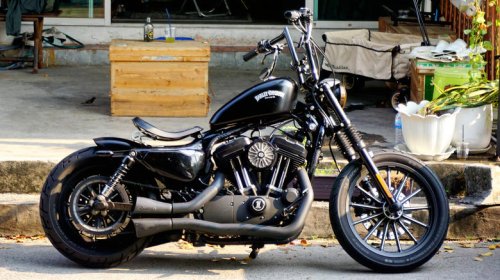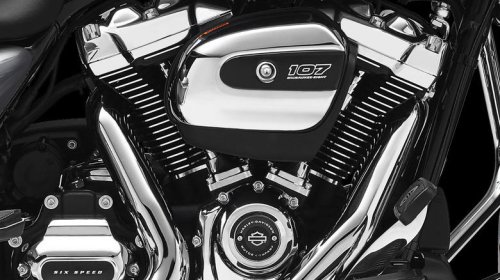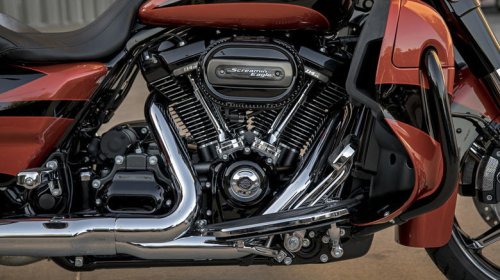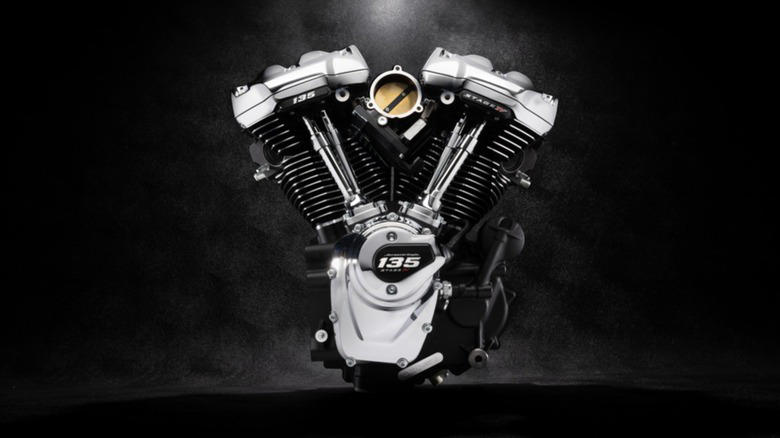
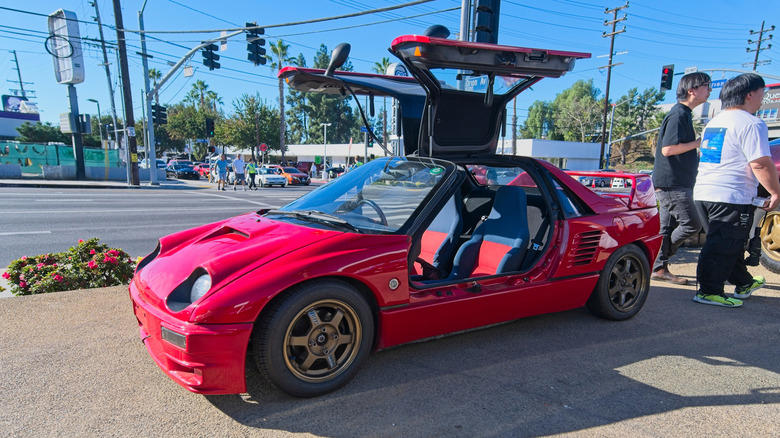
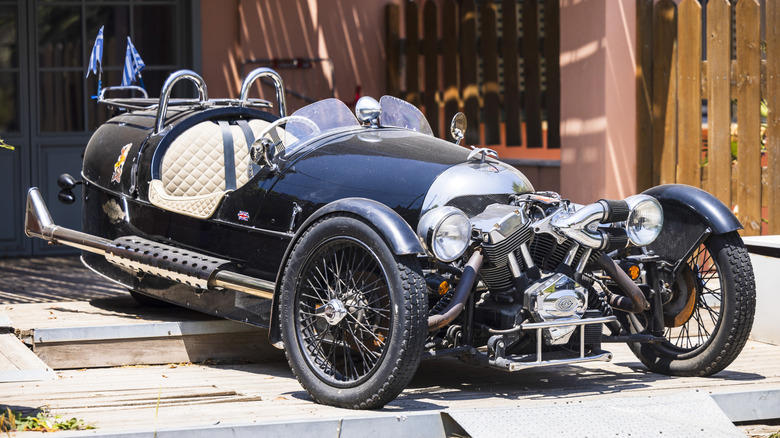



















Harley-Davidson Step into the world of crate engines and motor swaps, and you'll probably stub your toe on a Chevy LS small block, the occasional Coyote V8, or even a high-strung K-Series motor. However, you may also encounter some pretty cool cars that use motorcycle engines. When it comes to engine swaps, there are several factors involved, like packaging, weight, and performance-to-weight ratio. That's what makes the Harley-Davidson Screamin' Eagle Milwaukee-Eight 135 Stage IV kind of a wildcard. Usually, this humongous V-twin crate motor is sold as a replacement for Harley's 2021 to 2024 touring models, with some exceptions. However, what many overlook is that this 2.2-liter motor could easily fit into the engine bay of a tiny car with a low curb weight, like the Morgan 3 Wheeler that we called a brilliant death trap. The Milwaukee-Eight 135 is the crown jewel of Harley's factory performance catalog. It's a different kind of American muscle, all 135 cubic inches (2,212cc) of it. In the world of motorcycles, that's massive. It boasts heady figures, too -– a factory rated 143 pound-feet of torque . While the 130-horsepower figure may seem modest compared to a turbo-four, it's the torque delivery that makes it an attractive prospect for tiny car swaps. Most of the 143 pound-feet is available early in the rev range and hits like a sledgehammer. The 135 Stage IV features 4.31-inch bore and 4.63-inch stroke. It gets high-lift cams, high-performance pistons, and a 68-millimeter throttle body to shove huge amounts of air into those massive cylinders. Fitting such an engine into tiny cars may be a great dumb idea, like the King of the Baggers race series. Cars that deserve a V-twin swap betto rodrigues/Shutterstock If you like the idea of a V-twin swap, you shouldn't waste it on a heavy car. This engine should work best with a lightweight chassis, which allows its torque-to-weight ratio to shine. The most obvious candidates are the older Morgan 3 wheelers that used motorcycle and car engines, including those that originally used an S&S V-twin. The current Morgan Super 3 uses a Ford three-cylinder motor, which offers better performance but loses the drama of a nose-mounted V-twin. Just imagine dropping a Screamin' Eagle 135 there! The next obvious swap prospects would be Japanese kei cars. Honda Beats and Suzuki Cappuccinos would be ideal candidates. These cars originally came with 660cc engines that felt woefully inadequate on American freeways. The Milwaukee-Eight 135 offers more than triple the displacement. Imagine a tiny rear-wheel-drive Suzuki Cappuccino with a motor pushing 130 horsepower and 143 pound-feet of torque. Another potential Japanese kei swap is the Autozam AZ-1. This gull-winged micro sports car looks like a mini Ferrari but is nowhere close to its performance. A Screamin' Eagle swap would give it the big personality its styling deserves. Finally, we have to talk about the classic Fiat 500 and original Austin Mini. Both have a history of motorcycle engine swaps (usually Hayabusa engines, which make their power at high RPMs). A 135-powered 500 or Mini would be a different kind of fun. Making the V-twin marriage work and other opportunities Karolis Kavolelis/Shutterstock Let's get one thing straight. Swapping a motorcycle engine into a car isn't a weekend project, and the Milwaukee-Eight 135 presents some very specific engineering challenges. The first has to do with the engine height. This is a tall engine. Compared to a 2.0-liter inline four engine, the 135 V-twin has significantly longer stroke length, plus the cylinders are arranged in a 45-degree V configuration, which means the pistons' travel path is almost vertical. If you are looking to fit this engine under the hood of a low-slung sports car, you may have to cut a hole in the hood. That said, a massive V-twin poking through the bonnet would be a cool look. The second major hurdle is transmission adaptability. While motorcycle engines usually have an integrated gearbox, large Harley engines utilize a separate primary drive and transmission case. To make this work in a car, you have two paths: Use the Harley 6-speed gearbox and figure out a custom driveshaft linkage with a reversing gearbox, or adapt the crank output shaft to a traditional car gearbox. Companies like Quaife make expensive driveline components for bike-engined cars, but a custom adapter plate for the Milwaukee-Eight would likely need a bespoke machining job. There is a different kind of satisfaction in executing a fringe swap. If a Milwaukee-Eight 135 car swap feels tame for your tastes, you could dream of plunking the massive V-twin in smaller packages like professional go-karts or off-road sand buggies. Imagine a trophy kart with 143 pound-feet of torque on tap. If you really want to go off the deep end, how about a riding lawn mower or a custom drift trike with a 2.2-liter Screamin' Eagle?