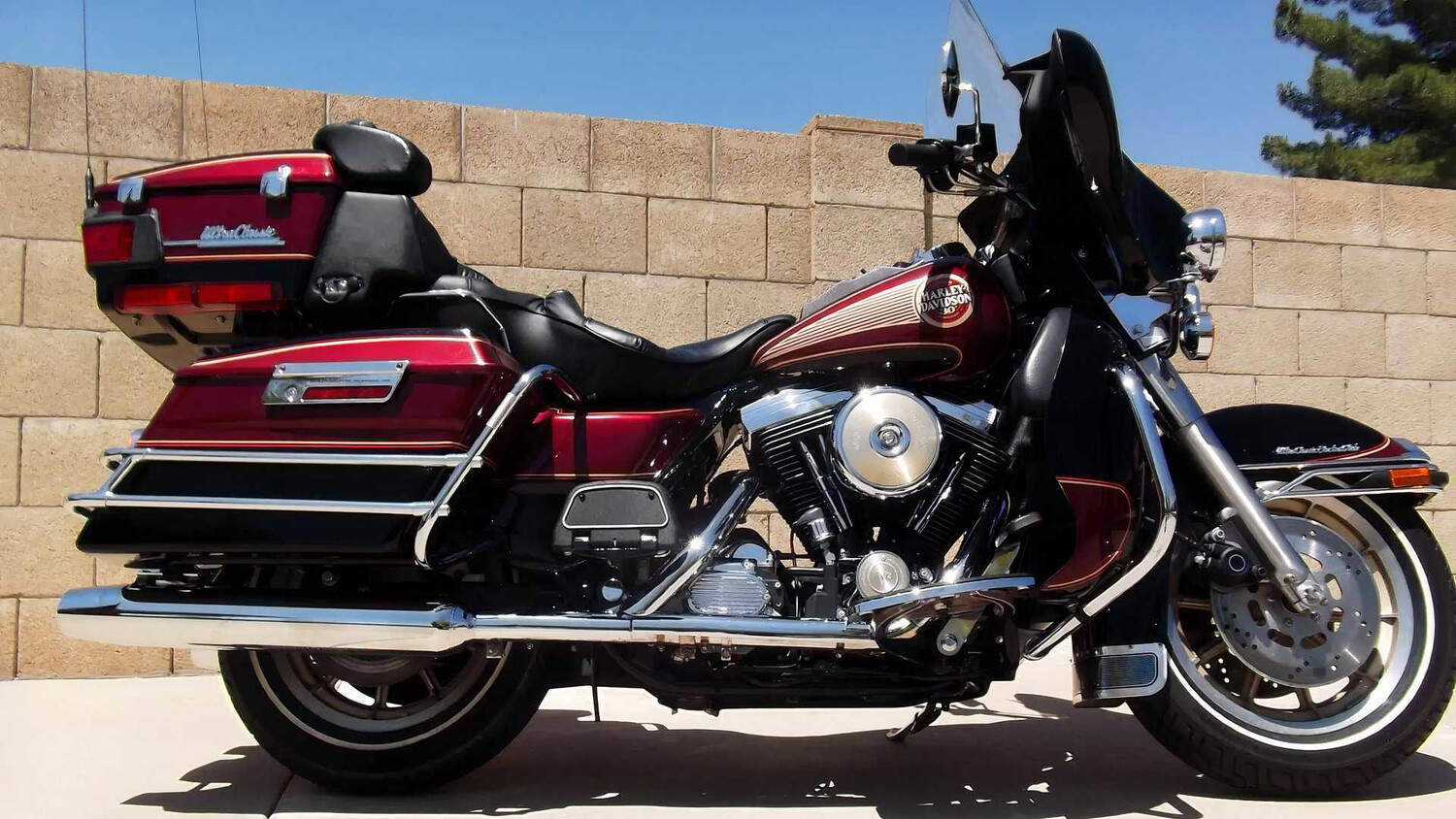
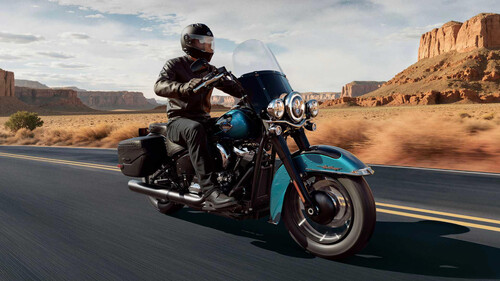
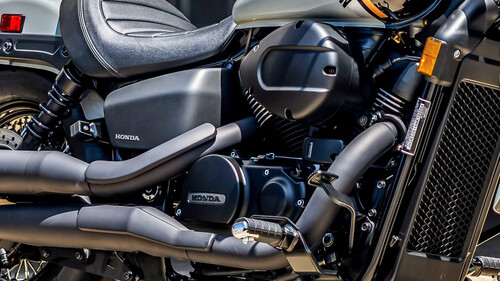
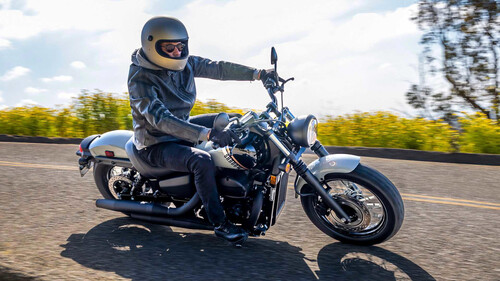
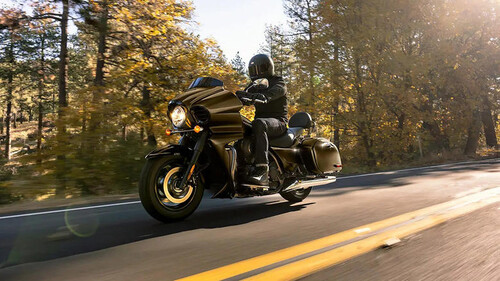
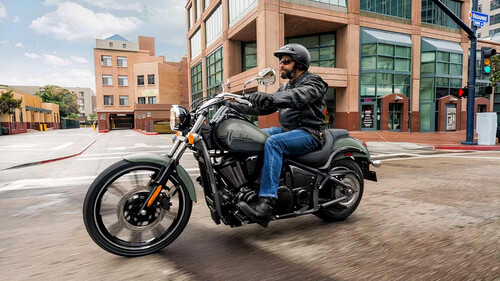
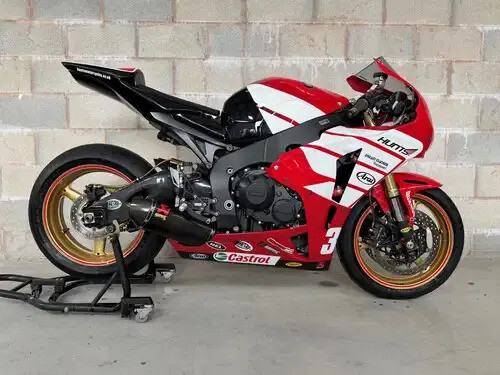
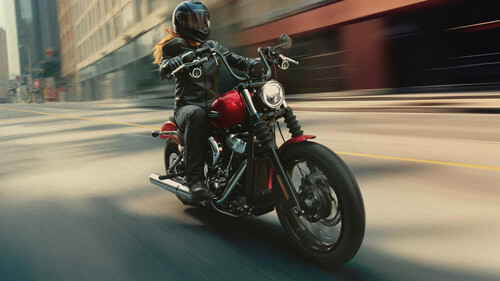
In the early 1980s, the American motorcycle market was a battlefield between tradition and technological evolution. Harley-Davidson was the incumbent, holding a near-total monopoly on the heavyweight cruiser segment through sheer heritage and an unmistakable aesthetic. However, the Milwaukee firm was in financial crisis, struggling with the fallout of the AMF era and a product line that felt increasingly archaic. While Harley relied on air-cooled engines and pushrod technology that traced its roots back decades, a new wave of competition was arriving from Japan with a very different philosophy.The threat did not come from a faster sportbike or a more efficient commuter. It came from a machine designed to beat Harley-Davidson at its own game by offering a level of refinement and performance that the domestic V-twins could not match. Kawasaki forced a massive shift in U.S. trade policy and arguably saved Harley-Davidson from total collapse, giving the company a five-year window to rebuild. While the history books often focus on the corporate bailout, the bike that actually triggered the panic was a high-tech V-twin that proved Japanese manufacturers could build a "better" American cruiser. UPDATE: 2026/02/24 23:04 EST BY RAUNAK AJINKYA We've updated this article with more information on the Vulcan 750's reliability from real owners and a more thorough explanation of what made the Harley-Davidson Evolution engine that followed so revolutionary. The 1983 Tariff And The 699cc Loophole Bring A Trailer The tension peaked in 1983 when President Ronald Reagan signed a memorandum ordering a 45-percent tariff on imported heavyweight motorcycles with engine displacements greater than 700cc. Harley-Davidson had petitioned for this relief, claiming that Japanese manufacturers were flooding the market with unsold inventory and undercutting domestic prices by as much as $2,000 per unit. The tariff was a lifeline for Harley, but the Japanese response was a masterclass in engineering agility.Rather than abandoning the middleweight cruiser segment, brands like Kawasaki simply sleeved their engines down to 699cc. This allowed them to bypass the massive tax while maintaining nearly identical performance profiles through revised gearing and higher compression. This "tariff-buster" era produced some of the most over-engineered sub-750cc bikes in history. It proved that trade protection could slow the competition, but could not stop the technical gap from widening. This period of aggressive market maneuvering is a core chapter in Japanese motorcycle history. The 1985 Kawasaki Vulcan 750 And The Performance Gap Dillard Auctions YouTube Channel.The most significant strike against Harley’s dominance was the 1985 Kawasaki Vulcan 750 (VN750). Unlike previous Japanese attempts to mimic American style with inline-four engines, the Vulcan was Kawasaki’s first V-twin cruiser. It was designed to go head-to-head with the Harley-Davidson Sportster, but the technical specifications read like a wishlist from the future. While the Sportster was still vibrating its way down the road with an air-cooled, two-valve engine, the Vulcan featured liquid cooling, dual overhead cams, four valves per cylinder, and a maintenance-free shaft drive.In the current 2026 market, the Vulcan 750 has become a sleeper classic. Because it remained largely unchanged during its 22-year production run, parts are plentiful, and the entry price remains accessible. According to Hagerty Valuation Tools, a 1987 example in good condition currently sits at approximately $2,100. However, pristine, low-mileage "survivors" from the mid-'80s have begun to see a slight uptick in value as collectors recognize their historical importance. These bikes represent the peak of '80s cruiser performance. Sophistication Over Tradition Dillard Auctions YouTubeThe Vulcan 750 was not just a threat because of its speed; it was a threat because of its civility. Kawasaki utilized hydraulic valve lash adjusters, which meant the owner never had to perform a valve clearance check, a major selling point against the high-maintenance domestic twins. The engine also featured a 55-degree V-angle and dual counterbalancers, making it incredibly smooth at highway speeds. This was the exact opposite of the "raw" experience Harley-Davidson marketed, and it appealed to a growing demographic of riders who wanted cruiser styling without the mechanical drama.The Vulcan's performance dominance was most evident in its quarter-mile times, where it could consistently dip into the 13-second bracket. For a middleweight cruiser in 1985, this was blistering. It forced Harley-Davidson to up its game, which resulted in the brand eventually introducing better suspension and braking components across the Sportster line. Without the Vulcan's pressure, the evolution of the American cruiser may very well have stalled for another decade. The Cultural Pivot And The Vulcan 800 Checkered Floor Garage YouTube Channel. By the early 1990s, the panic had subsided into a tactical retreat. Kawasaki realized that while the Vulcan 750 was technically superior, it didn't look "American" enough for the hardcore cruiser crowd. In 1995, Kawasaki launched the Vulcan 800, which abandoned the high-tech, angular look of the 750 in favor of a Softail-inspired aesthetic. This move signaled a shift from trying to beat Harley on technology to beating them on value.The Vulcan 800 used a hidden rear shock to mimic a hardtail frame and returned to a simpler, more traditional engine layout. This shift proved that in the cruiser world, soul often trumps specs. However, the original Vulcan 750 remains the more interesting machine for enthusiasts because it was the one that actually made Milwaukee sweat. It was a bike built by engineers who didn't yet understand that cruiser buyers value "the sound" more than "the stats." You can see this legacy in how modern metric cruisers balance style and tech today. How The Vulcan Saved Harley-Davidson Checkered Floor Garage YouTube Channel. It is one of history's great ironies that the Kawasaki Vulcan and its Japanese peers actually saved Harley-Davidson. The threat they posed was so severe that it forced the U.S. government to intervene, providing the 1983 tariff that gave Harley the breathing room to launch the Evolution engine and the Softail frame.Importantly though, the H-D Evolution engine, introduced in 1983 and launched widely in 1984, was a watershed moment for the Milwaukee brand. Unlike the aging Shovelhead engines it replaced, the Evo featured aluminum cylinders and heads, which significantly reduced weight and improved heat dissipation, leading to much greater durability and far fewer oil leaks than previous cast-iron designs. The Vulcan 750's Superior Reliability This increased reliability was exactly what Harley needed after years of quality issues and warranty backlash that had trashed its reputation. The Evolution also offered cleaner combustion and improved power delivery, helping Harley meet stricter emissions rules while restoring performance credibility in a market that had been dazzled by Japanese engineering advancements. Industry analysts widely credit the Evo with saving Harley-Davidson from collapse, re-establishing dealer confidence and giving the company a credible, modern workhorse to build future models around.As for the Vulcan 750’s own reliability, owners over the years report that, while generally tough and long-lasting thanks to its shaft drive and hydraulic lifters, some mechanical quirks do crop up. Among the more common issues cited on owner forums are starter failures, which can be costly to service because the engine tilt is required for access, as well as occasional timing chain tensioner wear on high-mile examples. Some used bikes can also develop minor oil seepage/leaks if seals or gaskets age without maintenance. These aren’t widespread catastrophic failures, but they’re worth noting when evaluating an older Vulcan. Credibility Boost Bring A TrailerWithout the pressure from the Vulcan 750 and the "tariff-buster" 700s, Harley-Davidson might never have modernized its production facilities or fixed its quality control issues. Harley responded with a series of new platform developments aided by the stability the Evo engine provided. That included expanded Softail and Dyna lines and subsequent engine evolutions like the Twin Cam and later Milwaukee-Eight families, all riding on the credibility boost the Evo era delivered.Today, the Vulcan nameplate survives as a diverse lineup ranging from the sport-focused Vulcan S to the massive 1700 Voyager. The Vulcan 750 stands as a monument to a time when Kawasaki tried to reinvent the cruiser with DOHC heads and liquid cooling. It is the forgotten catalyst that pushed the entire industry forward. Whether you prefer the rumble of a Panhead or the whine of a Vulcan, there is no denying that the competition between the two created a golden era of motorcycling.Sources: Hagerty, Classic.com, Cycle World Archives, Mecum Auctions.