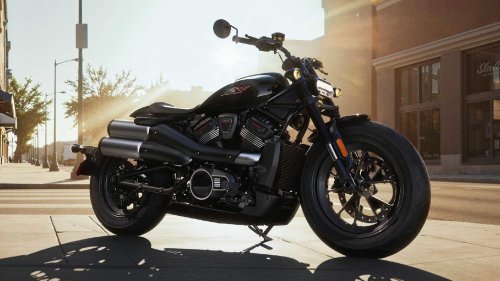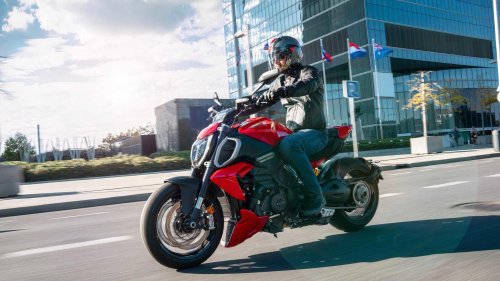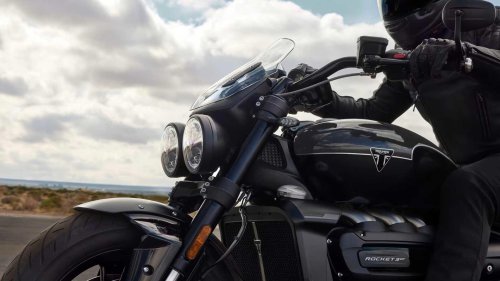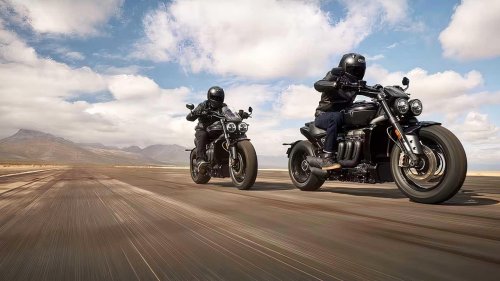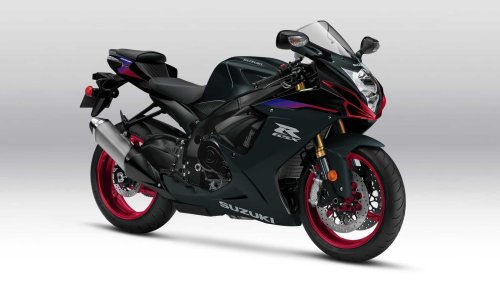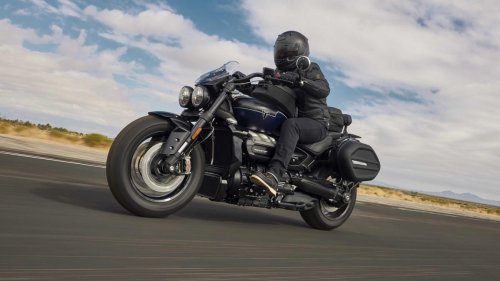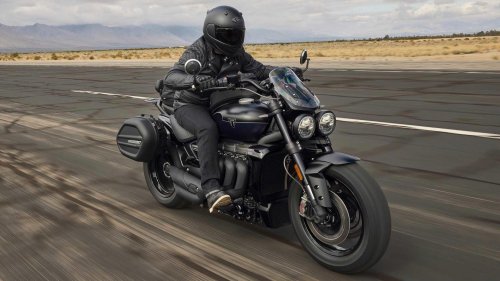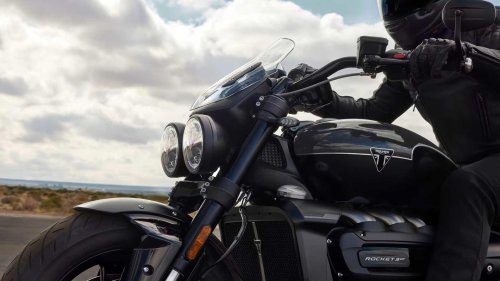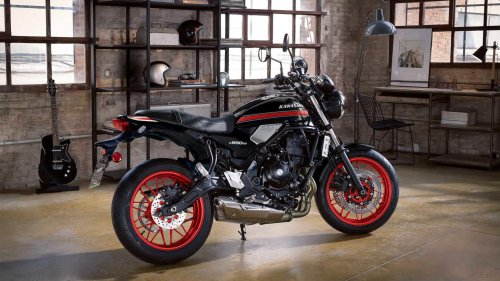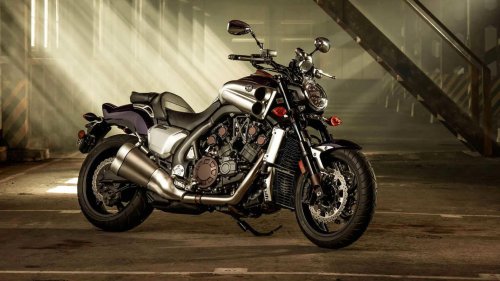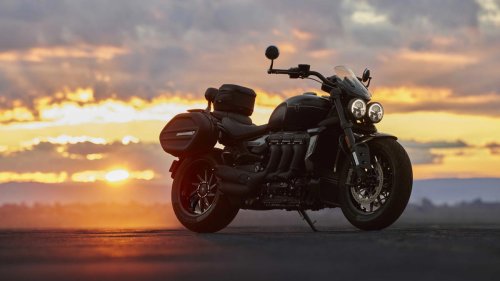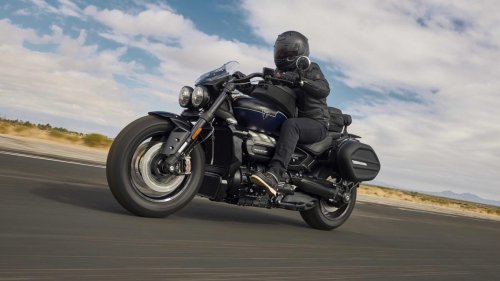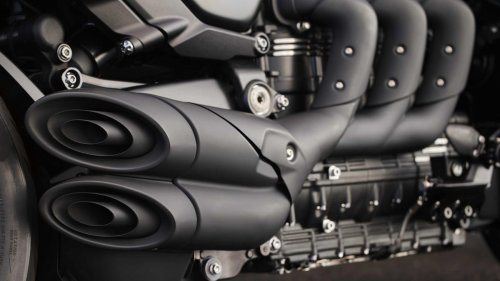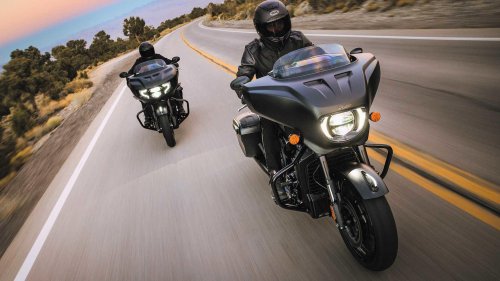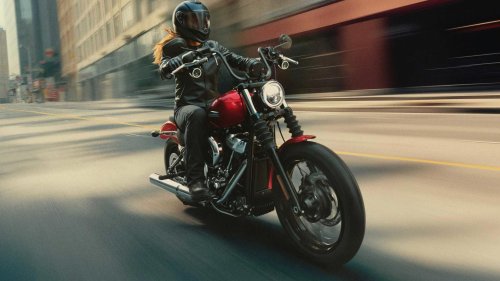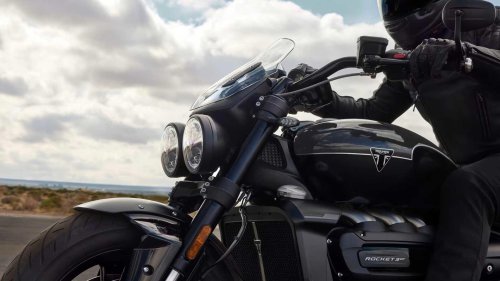
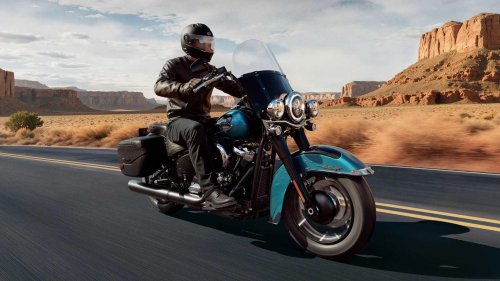
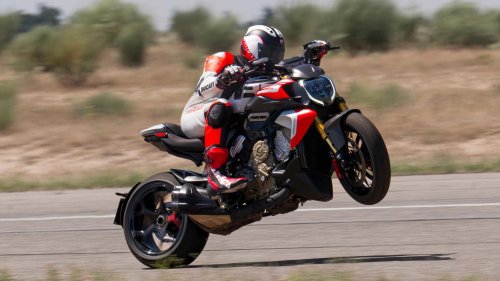
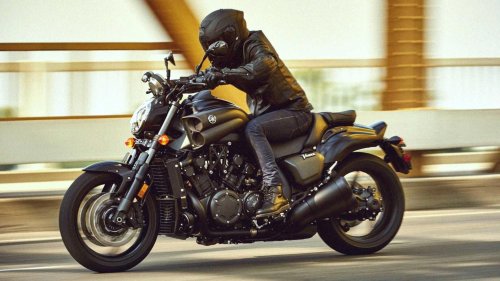
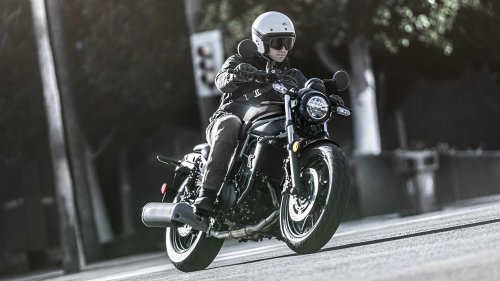
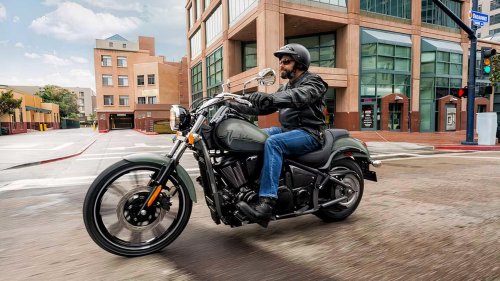
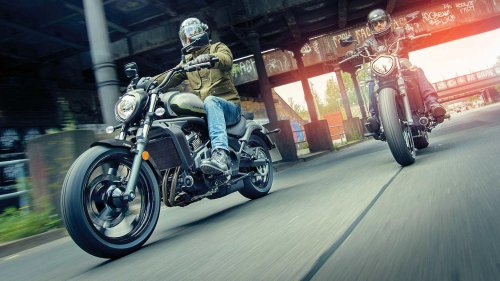
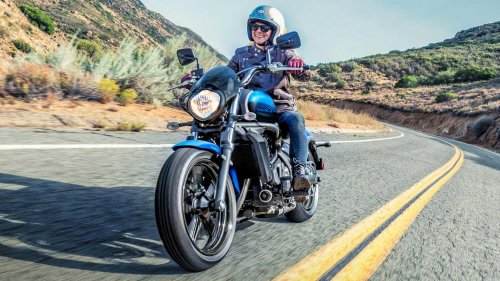
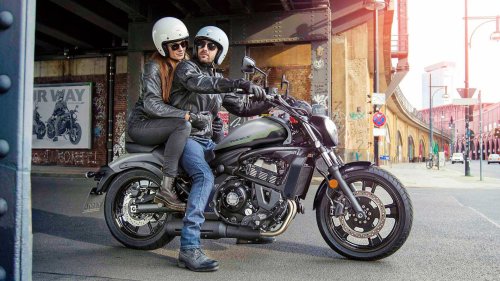
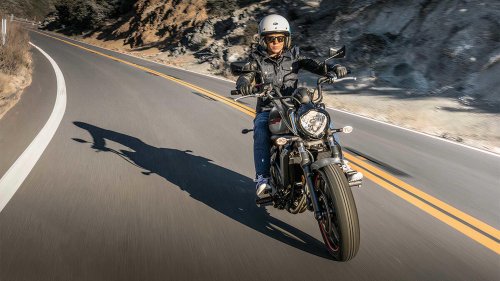
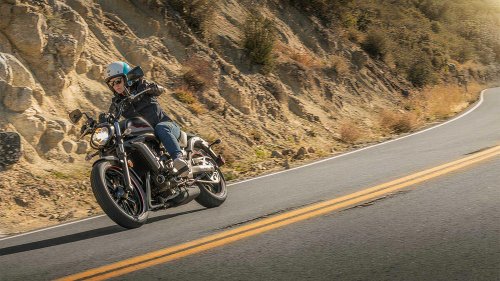
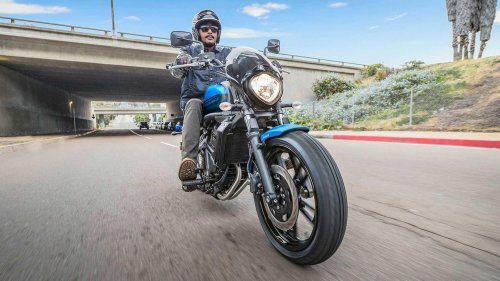
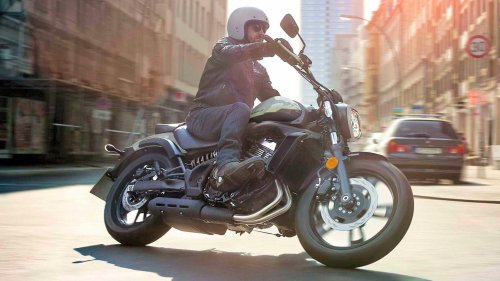
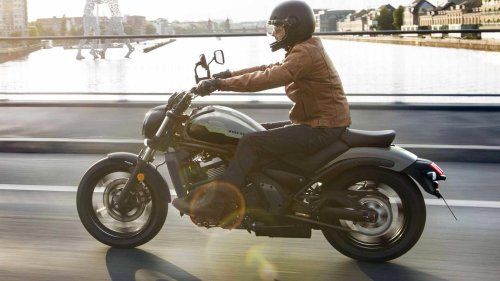
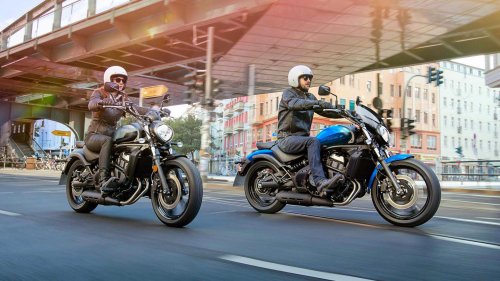
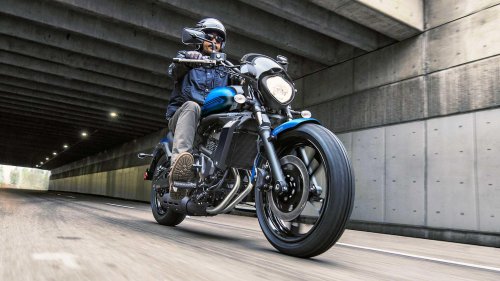

















Cruiser bikes have always been ardent advocates of torque and head-turning visual appeal. But then we were introduced to the more exciting world of power cruisers that made power as important a parameter as torque. Mix this elevated performance appeal with the relatively relaxed rider triangle, and we get a cocktail of emotions.But power-focused cruiser bikes often have diminished practicality as compared to traditional offerings. They also eat into practicality, be it in dimensions, engine heat, the lack of a solo seat, and the absence of wind deflectors. However, a middleweight Kawasaki cruiser bike finds the right balance of power and practicality for under $8,000. Torque And Styling Primarily Define A Cruiser Bike Triumph Take any big-engine cruiser bike, and we are always treated to impressive torque figures well over the 100 pound-feet mark. The highest torque ever on a series-production cruiser bike is 166 pound-feet on the mighty Triumph Rocket 3 Storm. Its gigantic 2,458 cc inline-3 engine contributes to its Godly muscle, but it is a trend across categories—from affordable to flagship offerings. Now, the defining torque ratings are also necessary, especially for the big-twin cruisers.Harley-Davidson This is because weight is also a crucial factor that makes a cruiser bike riding experience special. And there are many of these low-slung head-turners weighing over 800 pounds. So, to move these land yachts, meaty low-end torque is a must. Classic styling is what hits the right spots when it comes to visual appeal, as those full-sized teardrop fenders and dual-tone metallic paint jobs truly elevate a cruiser bike's visual aura. But 'Power' Cruisers Are A Different Breed Altogether Ducati Power cruisers (or muscle cruisers) are a high-performance subcategory of cruisers that blend traditional, relaxed, low-slung styling with sportbike-level power and handling. Notable examples include the Ducati Diavel lineup, the Suzuki Boulevard M109R, the Triumph Rocket 3 series, the Harley-Davidson Breakout, and the now-defunct but muscle cruiser-defining Yamaha V-Max.Yamaha Now, going down the displacement ladder, many motorcycle manufacturers replicate a power cruiser formula in a more compact, less powerful package. Nonetheless, they retain a sporty character that helps these middleweight and even some entry-level cruiser bikes stand out over the traditional bunch. Notable examples include the Honda Rebel 1100, the Yamaha Bolt R-Spec (to an extent), and the CFMoto 450CL-C. Adding Practicality To The Mix Makes Everyday Riding A Fun Affair Kawasaki As we move down the size and displacement chart, cruiser bikes tend to become more practical without losing much of their visual appeal. The low-slung, stretched-out look is there, but compact dimensions and a much lighter overall curb weight help certain middleweight and entry-level offerings score as highly as urban runabouts.Kawasaki Kawasaki does a great job at blending practical features with traditional cues on a cruiser bike. Prime examples include the modern, peppy Eliminator and the classic-vibing Vulcan 900 series. But it is the long-standing Vulcan S middleweight cruiser bike that hits the right balance of power and practicality for a versatile, all-around riding experience. The Kawasaki Vulcan S Affordably Balances Power And Practicality Price: $7,649 Kawasaki For under $8,000, the Kawasaki Vulcan S packs sportbike-grade performance, nimble urban-ready underpinnings, and a clever, adjustable ergonomic feature that can help realign the rider's triangle perfectly to the rider's height. In other words, it doesn't follow the heritage-rich cruiser bike formula. Because the chassis and engine are based on established, 20-year-old designs, the Vulcan S benefits from proven reliability and refinement. This greatly contributes to its practical side.Kawasaki The 2026 Kawasaki Vulcan S starts at $7,649 for the non-ABS model and $8,149 for the ABS model. Both models offer strong value. There is also no dearth of visual appeal, as Kawasaki offers a custom-inspired Vulcan S Cafe starting at $8,749. It differs from the standard model with a two-tone paint job, signature tank badging, sporty stripes, and a dark-tinted wind deflector. It is also offered as an ABS model only. Apart from these differences, the Vulcan S and Vulcan S Cafe share all mechanical components. Powered By A Reliable Sportbike-Shared Engine Kawasaki The Vulcan S packs a bulletproof 649 cc parallel-twin engine. This mill has been in operation since 2006 and has been a solid, refined performer for over 20 years. It started life on the Kawasaki 650R and the ER-6n performance machines. Today, it powers three other Kawasaki bikes apart from the Vulcan: the Ninja 650, the Z650, and the Versys 650.Kawasaki This shared usage is ample to prove this engine's versatility. On the Vulcan S, it produces 60 horsepower at 7,500 RPM and 46.5 pound-feet of torque at 6,600 RPM. Power is sent to the rear wheel via a six-speed manual gearbox. Underpinnings To Complement Its Sporty Side Kawasaki Like the engine, the chassis on the Vulcan S has also been around for quite some time and is derived from Kawasaki's 650cc lineup of nimble, performance motorcycles. The engine is used as a stressed member of its perimeter steel frame. The chassis is suspended on 41 mm telescopic front forks with 5.1 inches of travel. The rear gets an offset preload-adjustable monoshock with 3.2 inches of travel.Kawasaki Braking duties are taken care of by a 300 mm disc coupled to a two-piston caliper up front. The rear gets a 220 mm disc coupled to a single-piston floating caliper. Grip duties are taken care of by relatively chunky 160-section rear and 120-section front tarmac-focused tires wrapped around 18-inch front and 17-inch rear alloy wheels. Compact Dimensions Make It Urban-Friendly Kawasaki Despite its muscular, stretched-out cruiser-bike design, the Vulcan S delivers nimble dynamics. This is primarily due to its compact dimensions and lower curb weight. It has a wheelbase of 62.0 inches, a seat height of 27.8 inches, and a low curb weight of just 498.3 pounds (ABS) or 491.7 pounds (non-ABS). Its low ground clearance and underbelly exhaust also help keep the center of gravity low, while catering to a clean, symmetrical design. These features make the Vulcan S a breezy cruiser to ride, even in tight urban conditions. Provision To Tweak The Rider Triangle For The Perfect Level Of Comfort This is thanks to Kawasaki's Ergo-Fit feature. This helps modify the rider triangle by adjusting the handlebars, seat, and even footpegs. This greatly helps modulate the rider triangle according to the rider's height. There are 18 possible configurations between the predefined Reduced Reach, Mid-Reach, and Extended Reach layouts.Kawasaki Riders from under 5 ft 7 in to over 6 ft can be comfortable on this compact, middleweight cruiser bike, thanks to Ergo-Fit. The change in the rider triangle, coupled with the rider's weight, also slightly affects riding dynamics and handling precision. In other words, no two Vulcan S models ride the same. Kawasaki Vulcan S Is The Most Well-Rounded Cruiser Bike Under $8,000 Kawasaki It packs the most value with proven reliability, sporty performance and handling, and a comfortable riding stance without compromising on daily rideability. Today, the Vulcan S is the sportiest cruiser bike in the Kawasaki family, and it really exudes muscle cruiser vibes. We do have the Kawasaki Eliminator, which also follows a similar sportbike-derived template.Kawasaki But the Vulcan S punches harder with more performance, visual appeal, and muscle to take on the highways with ease. Primary rivals of the Vulcan S include the $6,799 Honda Rebel 500 and the $6,999 Royal Enfield Super Meteor 650. Although pricier than some rivals, the Kawasaki Vulcan S justifies the premium with additional performance and features.Source: Kawasaki