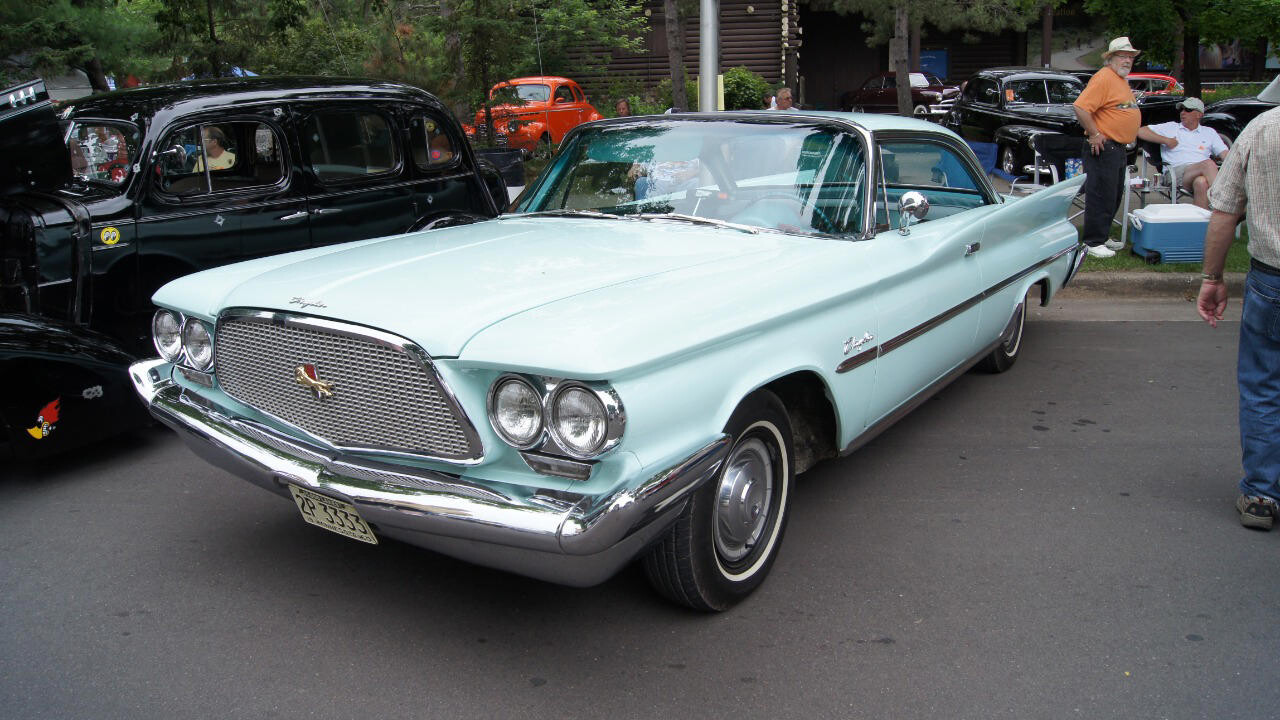
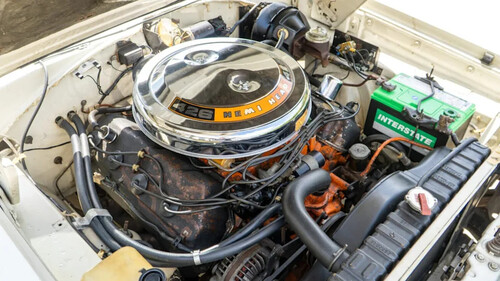
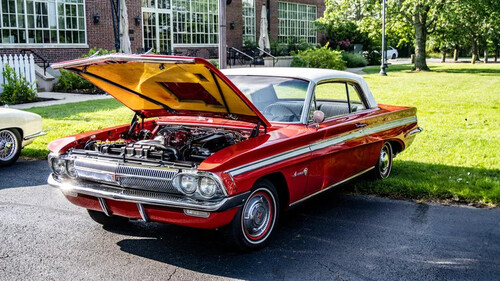
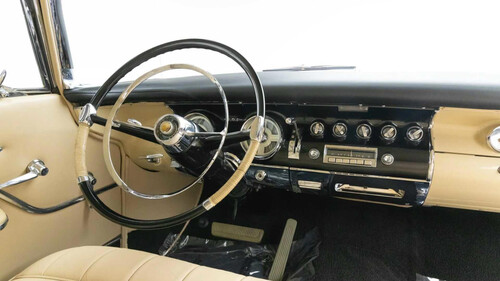
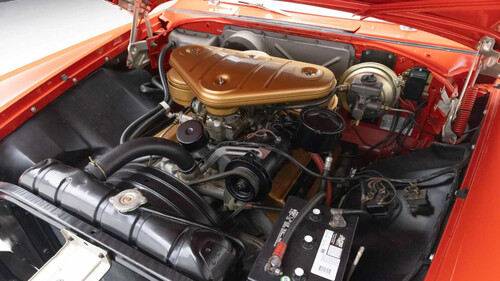
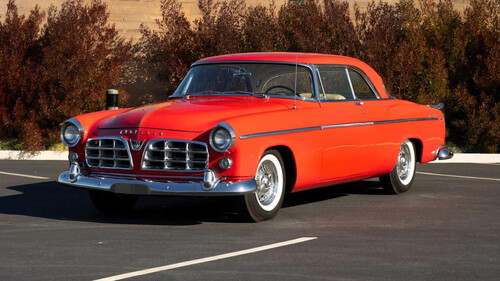
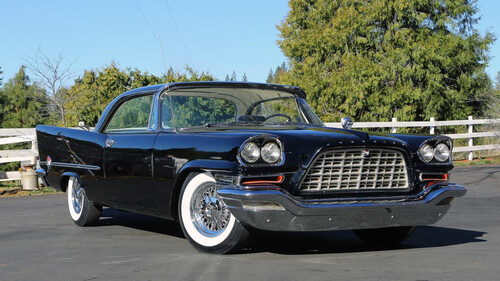
The 1960 Chrysler Windsor aimed to strike a balance between style and practicality, but didn’t always hit the mark.The 1960 Chrysler Windsor arrived at a moment when American buyers wanted space, power, and a taste of the future, all without breaking the family budget. Chrysler tried to answer that brief with a full-size car that wrapped flamboyant styling around a more restrained price and a workhorse V8. The result was a model that could be handsome and capable, yet also quirky and compromised. Viewed today, the Windsor captures the tension between late‑1950s optimism and early‑1960s reality. It wore sharp fins and space‑age details, but it was also expected to haul kids, luggage, and groceries while surviving salted winters and indifferent maintenance. That gap between visual drama and everyday demands is where the car both succeeded and fell short. Future-car styling meets a changing decade In the late 1950s, Chrysler pushed a vision of the future parked right in the driveway, a look that carried into early 1960s models and set them apart from more conservative rivals. Commentators on early 1960s Chryslers point out how the brand leaned into exaggerated fins, dramatic rooflines, and jet‑age cues that made even a family sedan look like a concept car. The Windsor inherited that mindset, but it arrived just as public taste began to drift toward cleaner, less flamboyant shapes. Compared with the more ornate late‑1950s Chryslers, the 1960 Windsor represented a step toward restraint. Tailfins were still present, but they were crisper and more integrated, and the sheet metal carried a flatter, more horizontal character. The grille and front fascia still projected a sense of motion, yet the overall effect hinted at the boxier forms that would dominate later in the decade. Chrysler tried to keep one foot in the futuristic styling camp while edging closer to mainstream expectations. The balancing act was not purely aesthetic. The Windsor sat below the New Yorker in the hierarchy, so it had to look aspirational without stealing the flagship’s thunder. Period marketing for Chrysler, including promotions for the glamorous New Yorker convertible, framed the upper models as almost beyond mere transportation, while the Windsor was pitched as attainable luxury and practicality in the same driveway. Under the skin: V8 power and everyday hardware Whatever debate the styling sparked, the 1960 Chrysler Windsor delivered straightforward mechanical substance. Guides that catalog the model specify an Engine Specifications table with a 383 cu in V8, and they list the Engine simply as 383 cubic inches, confirming that Chrysler relied on a big‑block to move this full‑size car. The Engine Specifications show how the company saw displacement as a selling point, not something to hide. That engine was part of Chrysler’s Golden Lion family, a name that surfaces in enthusiast coverage of the model. In one walkaround video, the host points out a Chrysler Windsor and notes that it still carries its original decal and the Golden Lion 38 branding on the V8, a reminder that Chrysler wrapped its engineering in vivid marketing language. The same clip repeatedly references the Chrysler 960 Chrysler Windsor, a phrase that blends the model year and name into a single identity. That kind of branding signaled to buyers that this was not just a base engine but a powerplant that belonged in the same conversation as more prestigious Chryslers. Factory fact sheets for Chrysler’s 1960 lineup describe a range of models and powertrains, from sedans to wagons, and place the Windsor as a volume offering with solid hardware rather than exotic technology. Documentation covering 1960 Chrysler cars highlights how the company offered multiple body styles on a shared platform, with the Windsor using conventional rear‑wheel drive, a robust automatic transmission, and the same basic suspension architecture as its siblings. It was not a laboratory for experimental drivetrains, which helped keep costs manageable. Chassis data from spring manufacturers that list a 1960 Chrysler Windsor confirm that the car used torsion bars up front and leaf springs at the rear, a configuration Chrysler had championed since the late 1950s. That setup promised a flatter ride and more precise handling compared with some coil‑spring rivals, but it also introduced its own maintenance demands. Replacement spring catalogs that include the Windsor show how the aftermarket has long catered to owners trying to keep these big sedans riding at the correct height. Inside the cabin: comfort, but not quite luxury Open the door of a surviving Chrysler Windsor Sedan and the priorities are immediately clear. Listings for a Windsor Sedan describe a quiet, insulated cabin where, as one evocative sales line puts it, You will hear little more than your heartbeat as you drive. That pitch speaks to Chrysler’s emphasis on isolation and comfort rather than outright sportiness. The Chrysler Windsor Sedan was meant to feel substantial and serene on the highway. Trim materials and features reflected the car’s middle‑range status. The Windsor did not match the New Yorker’s lavish appointments, but it still offered broad bench seats, generous legroom, and a dashboard packed with brightwork and stylized controls. Period buyers could expect power steering and power brakes on many examples, along with optional extras that pushed the car closer to luxury territory without fully crossing the line. The intent was clear: give families a taste of the high life at a price that remained approachable. In that respect, the Windsor largely delivered. Owners on enthusiast forums describe The Windsor as somewhat unique in the Chrysler lineup, noting that its drivetrains were well engineered and very durable. One discussion of a 1960 Chrysler Windsor sedan emphasizes that the mechanicals were strong and that the model offered good value for Chrysler customers who wanted a big, comfortable car without paying for the top trim. That perception of honest, if not extravagant, quality helped the car build a loyal following. Station wagon practicality and the 383 advantage The Windsor nameplate did not stop at sedans. The 1960 Chrysler Windsor Station Wagon extended the formula to families who needed even more space, and it leaned hard on the same 383 cu in V8 that powered the sedans. A detailed video tour of a 1960 Chrysler Windsor Station Wagon in two‑tone paint highlights the 383 under the hood and the car’s generous cargo area, presenting it as a stylish yet practical hauler. The host Lou introduces himself on My Car Story and explains that the shoot takes place at the Chrysler Nationals in Carile Pennsylvania, underlining how this wagon still draws attention at major Mopar gatherings. That combination of utility and power made the wagon version a compelling proposition for buyers who towed boats or trailers or simply wanted effortless acceleration with a full load of passengers. The 383 gave the car strong torque, while the long roof and flat load floor turned it into a rolling living room. The Chrysler Nationals feature shows how enthusiasts today appreciate that dual personality, even if the wagon never sold in the same numbers as more conventional sedans. Yet the very attributes that made the wagon attractive also highlighted some of the Windsor’s compromises. Fuel economy was never a strong point for a full‑size car with a big‑block V8, and the weight of a loaded wagon put extra strain on brakes and suspension components. For families on tight budgets, the ongoing costs could blunt the appeal of the initial purchase price. Driving experience: quiet strength with quirks On the road, the Windsor’s character came from its powertrain and suspension. Owners and reviewers describe a car that felt strong and relaxed at highway speeds, with the 383 V8 delivering smooth, effortless thrust. A survivor car profiled in a feature about a 7,700‑mile 1960 Chrysler Windsor shows how the steering system used a belt‑driven pump that pivots as the wheel turns. Watching the mechanism move with the engine running gives a vivid sense of the engineering solutions Chrysler used to provide light steering effort without resorting to more complex systems. The writer notes that Watching the pump pivot and tighten the belt as the driver turns the wheel is almost hypnotic. That kind of mechanical theater added to the car’s charm, but it also hinted at the maintenance challenges that could arise decades later. Power steering components, torsion bars, and large drum brakes all needed attention to keep the driving experience as Chrysler intended. Replacement parts are available, yet owners often rely on specialist suppliers and detailed factory information to maintain originality. Ride quality is another area where the Windsor tried to split the difference between comfort and control. The torsion front suspension allowed for relatively flat cornering for such a large car, while the long wheelbase and soft rear springs soaked up rough pavement. Contemporary commentary on Chrysler’s torsion setups points out that when properly maintained, they provided a confident feel that compared well with competitors. However, accounts of earlier Windsor models from the late 1950s mention that while the cars were attractive, some suffered from quality problems and bodies that were prone to rust, along with torsion components that could sag if neglected. The 1960 cars benefited from incremental improvements, but they still carried the legacy of that engineering approach. Quality, rust, and the limits of value For all its strengths, the Windsor could not entirely escape Chrysler’s reputation for fit and finish issues in that era. A column that reflects on the Windsor’s history notes that Windsor was an attractive car, but as with all Chrysler products in 1957, it suffered from quality problems, with Torsion bars sometimes causing ride height issues and bodies prone to rust. The writer concludes that Windsor provided good value for Chrysler owners, yet acknowledges the compromises that came with that value. The Windsor commentary therefore frames the car as a smart buy with caveats. Owners of 1960 examples have seen those caveats play out over time. Surviving cars often show corrosion in lower body panels, floors, and trunk areas, especially in regions where road salt was common. Interior materials could also age poorly if exposed to sun and moisture. Yet when cared for, the underlying mechanicals tended to hold up well, which is why low‑mileage survivors can still run on original engines and transmissions decades later. That durability has helped the Windsor maintain a presence in the collector world, even if it does not command the same prices as more glamorous Chryslers. Enthusiasts on forums emphasize that The Windsor offers a lot of car for the money, particularly for buyers who value originality and comfort over show‑field prestige. The car’s very compromises have become part of its appeal, signaling a model that was built for real families rather than for brochure fantasies. How the Windsor fits into Chrysler’s 1960 story To understand the 1960 Windsor, it helps to place it in the broader context of Chrysler’s lineup at the time. Detailed overviews of the brand’s 1960 models show a spread that ranged from more modest offerings to the upscale New Yorker, with the Windsor positioned as a key middle rung. A technical compendium on 1960 Chrysler models lays out how the company organized its sedans, hardtops, and wagons, and it confirms that the Windsor shared core architecture with higher trims but used more restrained trim and equipment. More from Fast Lane Only Unboxing the WWII Jeep in a Crate 15 rare Chevys collectors are quietly buying 10 underrated V8s still worth hunting down Police notice this before you even roll window down The post The 1960 Chrysler Windsor aimed to strike a balance between style and practicality, but didn’t always hit the mark. appeared first on FAST LANE ONLY.