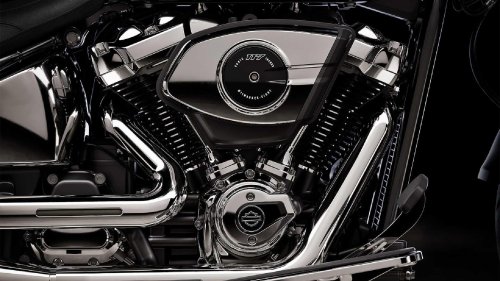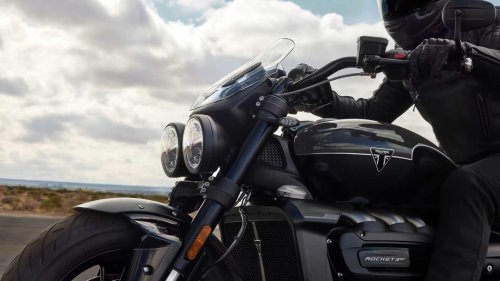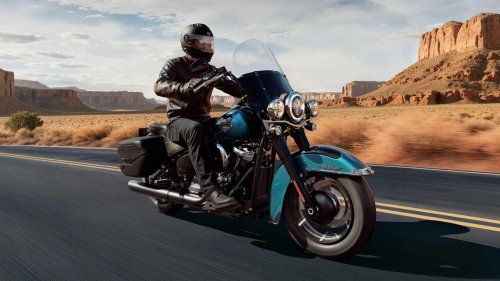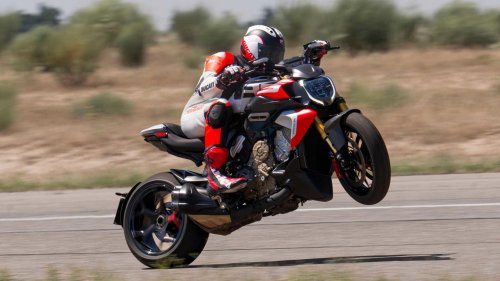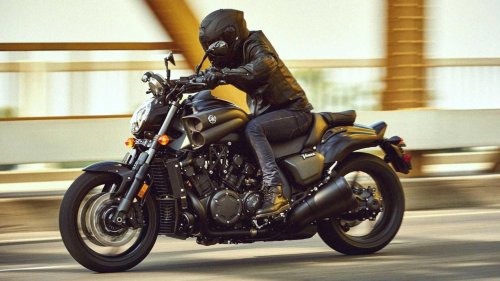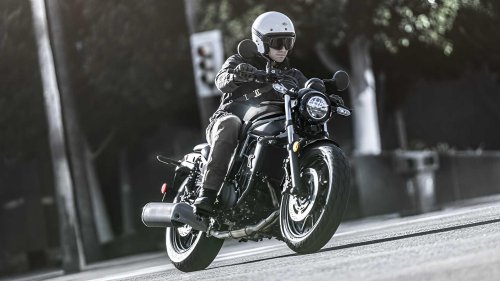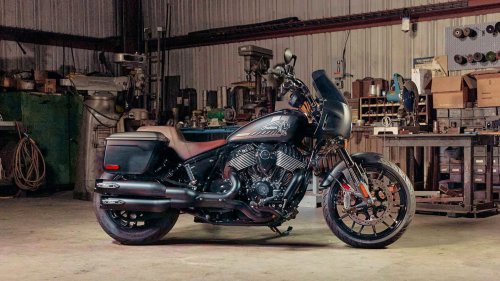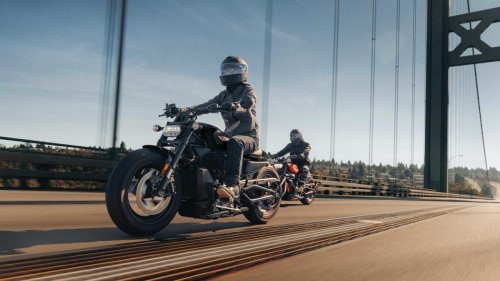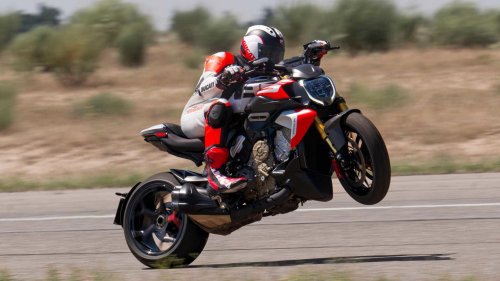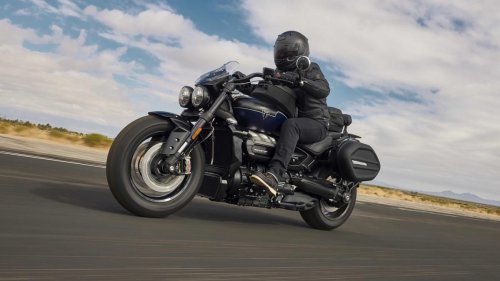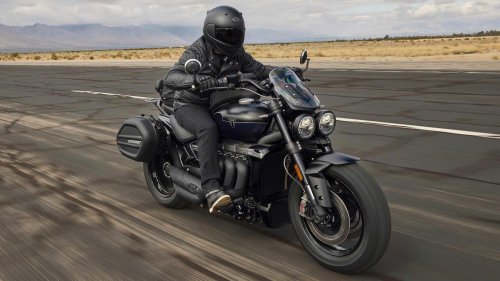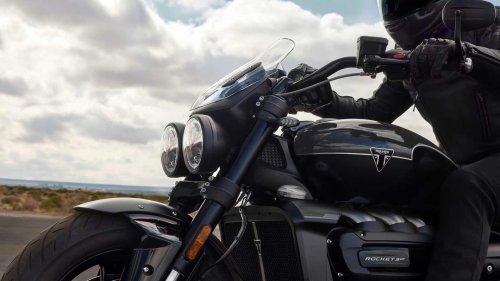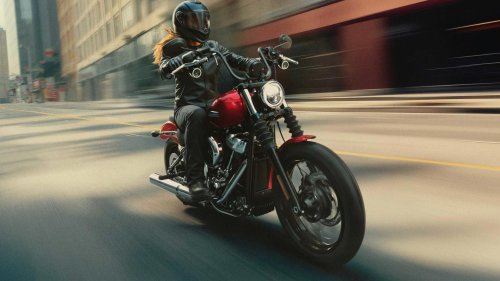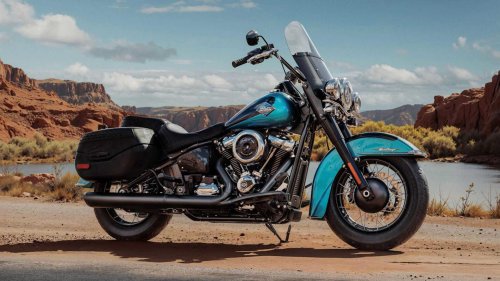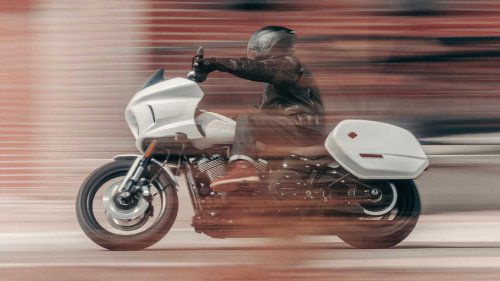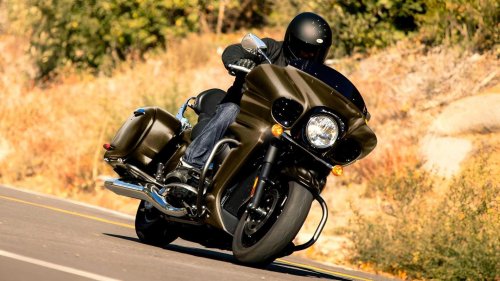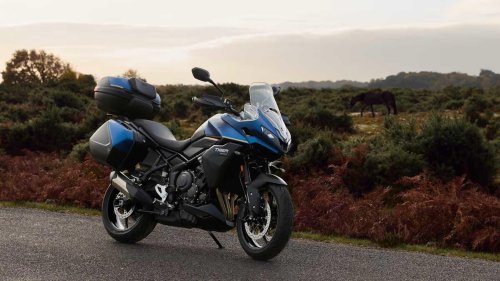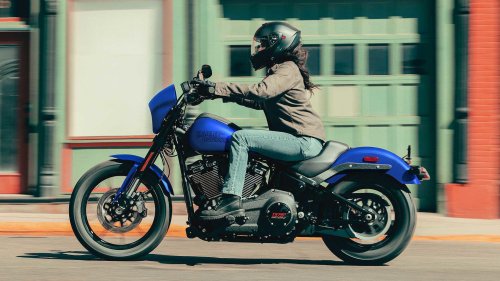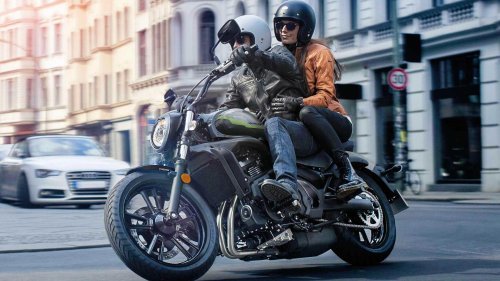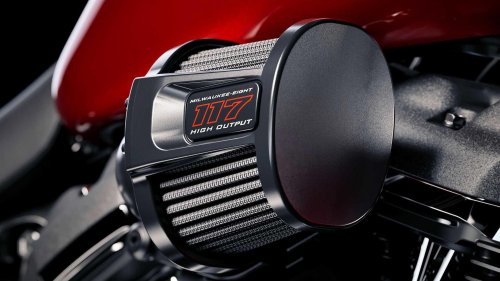
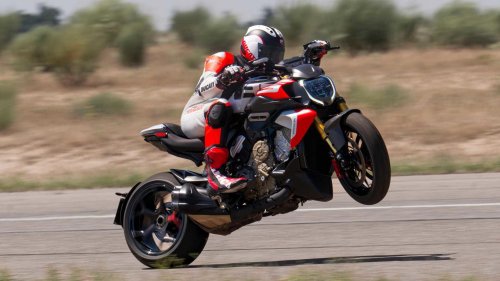
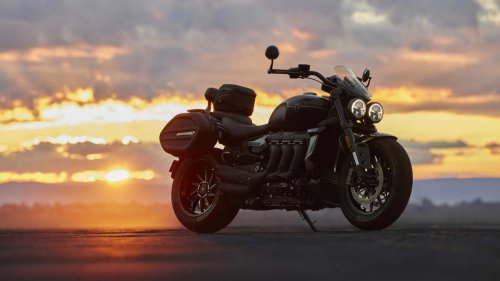
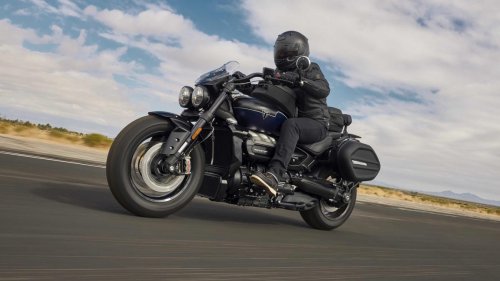
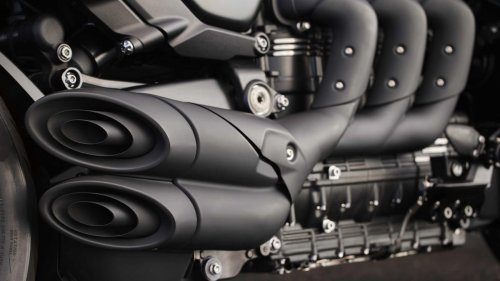
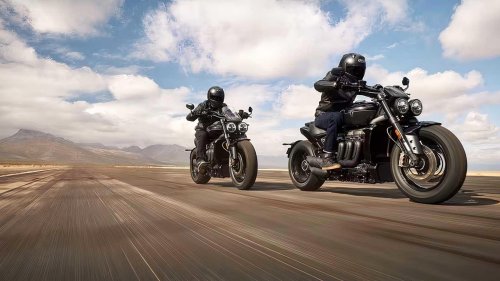
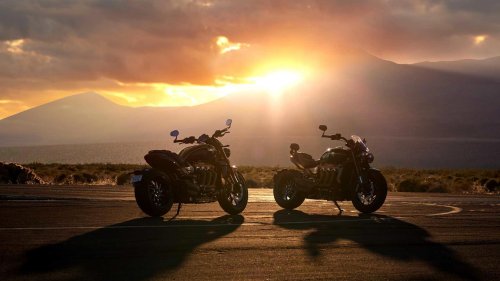
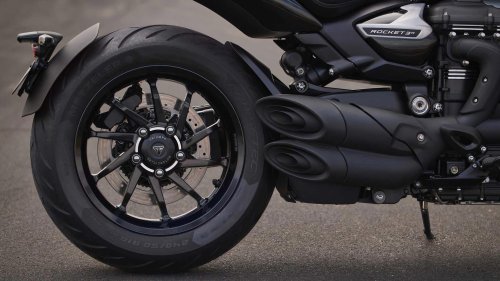
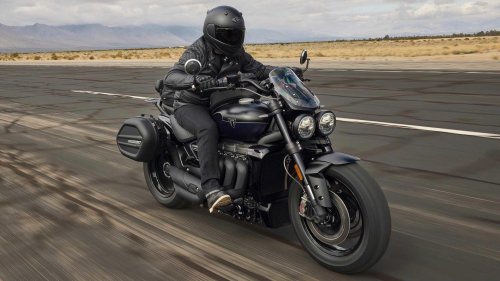
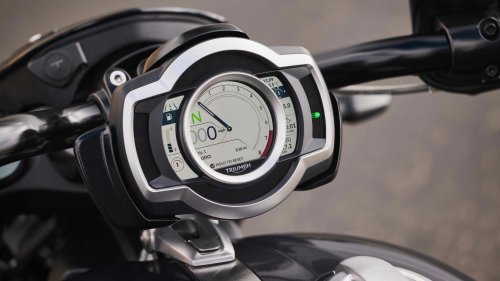


















With price sensitivity more prevalent than ever, premium muscle cruisers are becoming rarer and rarer. Innovation takes a back seat, and the basics are what most bikemakers focus on. Just look at Harley-Davidson. Its Softail lineup has had the same names in recent years, with a priority on bringing its costs down rather than whipping up a brand-new cruiser or engine. Plus, neither of its Softail cruisers heavily focuses on performance, aside from the Low Rider S (which is still under 120 horsepower). The story isn’t too different for Indian. So what do you do if you want a proper muscle cruiser in 2026 and one that has comfort in heaps? Well, this is where European bikemakers prevail. UPDATE: 2026/03/26 This article has been updated with more relevant information and tables about the cruiser in question. Why Europe Leads The Way In Performance Cruisers Harley-Davidson As we said, American bikemakers try to follow a basic recipe for cruisers, which they have fine-tuned over their century-long life. This usually comprises an air-cooled V-twin engine in a steel chassis, with simple suspension. These come with limitations, most of which hinder performance. For instance, air-cooled V-twin engines have a limited scope for horsepower without disturbing reliability, while steel frames weigh a lot compared to aluminum frames. American Cruisers Barely Breach The 100-Horsepower Mark Harley-DavidsonAs we briefly mentioned at the beginning, American cruisers rarely promise impressive horsepower and torque together. Harley's most powerful offering is the experimental Sportster S, with its liquid-cooled Revolution Max engine. While you do get 121 horsepower, it doesn't come anywhere near the 100 pound-feet mark. On the flipside, most of its traditional cruisers with large-capacity air-cooled V-twins hover below the 100-horsepower mark while promising 120 pound-feet of torque. Only the Low Rider S has well over 100 horsepower and 120 pound-feet in H-D's lineup, and that is after the brand's recent overhaul of its Milwaukee-Eight 117 engine. The Average Performance For Premium European Cruisers Is Way Higher Ducati This is where European cruisers come in. Not only do they have different engine layouts, but they also use sports bike-derived equipment to keep the curb weight down. In a similar fashion, the engine tech and tolerances are better while still promising higher service intervals. The Ducati Diavel lineup–Diavel V4, XDiavel V4, Diavel V4 RS–is a prime example of this. They have over 165 ponies and close to 95 pound-feet. But when you bring torque, stability, and comfort into the mix, there is one cruiser that trumps the Ducatis. The Triumph Rocket 3 GT Has Torque, Stability, And Comfort In Heaps Triumph Motorcycles We’re talking about the Triumph Rocket 3 GT. The GT in its name brings a handful of touring-ready bits for added comfort, such as a backrest, forward-set footpegs, swooped handlebars, and a windscreen. Stability, meanwhile, is courtesy of high-quality underpinnings from Showa that comprise the beefy USD forks. These join hands with a distinct aluminum chassis.Finally, the behemoth of an engine brings heaps of torque. You get nearly 2,500 cubic centimeters of cubic capacity, with an inline-triple layout. This helps produce 166 pound-feet of torque–the highest in the cruiser segment by a mile. The figure is a whopping 77 pound-feet more than the Diavel V4 RS, while being around 40 more than the usual Harley-Davidson Softails. All that combined is why the Rocket 3 GT serves as a no-brainer pick here. The World’s Largest Production Motorcycle Engine Brings The Firepower Triumph Motorcycles Diving deeper into the Rocket 3, its engine is easily the USP here. The mill is unique for several reasons, chief among them being its cubic capacity. With 2,458cc at its disposal (thanks to a 110.2 mm bore and 85.9 mm stroke), this right here is the world’s largest production motorcycle engine. You should also know that it has held this title for a while now, and no one from around the world has come close to beating it (even the over-$100,000 CVO Road Glide RR had about 300cc less). Over 175 Horsepower And 160 Pound-Feet At Your Disposal Triumph Motorcycles All that, plus a compression ratio of 10.8:1, ensures an output of 179.5 horsepower and 166 pound-feet. The former makes it one of the most powerful cruiser bikes in history, while the torque output is the highest for any production motorcycle. Heck, the torque output is even higher than cars like the Honda HR-V. The Rocket 3 Will Take You To Over 140 Miles Per Hour Triumph The power output reaches the wheel via a shaft-driven six-speed transmission. This is a low-maintenance setup compared to final chain and belt drives. Likewise, at the same time, the service interval lies at 10,000 miles—twice as much as Harley-Davidson Softails. Stay full throttle, and the six-speed t’box will take you to over 140 miles per hour with ease. A Unique Chassis To House The Unique Engine Triumph If you look at the cruiser segment, the steel double-cradle chassis is the norm. But with such a unique engine, Triumph has whipped up a unique chassis. This is an aluminum frame that uses the engine as a stressed member and joins hands with Showa suspension. The latter comprises 47 mm USD forks and an RSU monoshock.There is compression and rebound damping adjustment up top, while the rear has a hydraulic preload adjustment. 17/16-inch aluminum wheels are present, with two 320 mm discs with Brembo Stylema calipers, and the rear has a single 300 mm disc brake with an M4.32 caliper for braking performance. Heavy Usage Of Aluminum Ensures A Sub-700-Pound Curb Weight Triumph Motorcycles Elsewhere, there is more use of aluminum. The single-sided swingarm, subframe, and wheels are all carved from the same metal. This results in a curb weight of just under 700 pounds wet. That seems heavy, but this is actually in the ballpark of the Harley and Indian heavyweights. So you have a way better power-to-weight ratio here. Laidback Ergonomics Ensure Comfort Triumph Motorcycles Coming to comfort, the Rocket 3 Storm GT seats you in a comfortable position. The seat appears thick and low (29.5 inches), while the handlebars swoop backward. You also get forward-set footpegs, a pillion backrest, and a windscreen compared to the Rocket 3 Storm R. You can add a different seat from the accessories list for further comfort. Superbike-Level Electronics Help Handle The Performance Triumph With nearly 180 horsepower, you need a sophisticated electronic aids package to keep you right side up. Accordingly, the six-axis IMU enables cornering ABS, cornering traction control, and dedicated wheelie control, topped with throttle maps and ride modes. Creature comforts are present, too, comprising cruise control, all-LED lights, hill hold control, and a USB port. You can add heated grips and a quickshifter from the accessories, which we feel should’ve been standard inclusions for such an expensive machine. The Rocket 3 Storm GT Costs Over $27,000 Speaking expenses, Triumph sells the Rocket 3 Storm GT for $27,495. The MSRP rises further if you choose the Evel Knievel collection. Yes, that price is quite high by cruiser standards. In fact, it is considerably higher than all Harley-Davidson Softails on sale today. But the base prices of the Harleys can rise steeply if you start choosing different colors or trims. For instance, the Low Rider ST costs over $26,000 with the black trim and White Onyx Pearl color. So, considering the performance and equipment, the price seems quite justified for the GT. The value gets better when you look at bikes like the Ducati Diavel V4 and Buell Super Cruiser. The former has less performance and comfort for a higher price, while the latter hasn't even reached dealers yet (it does save you around $2,000). Rocket 3 GT vs. Rivals Source: Triumph Motorcycles