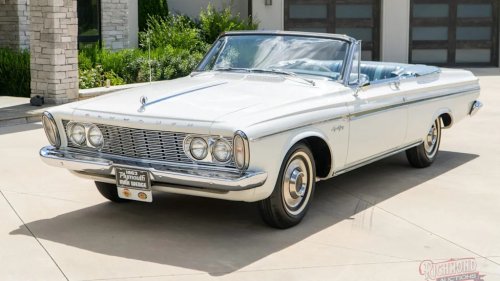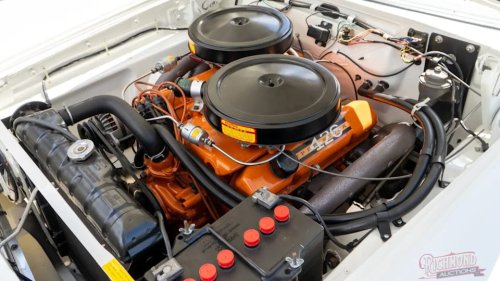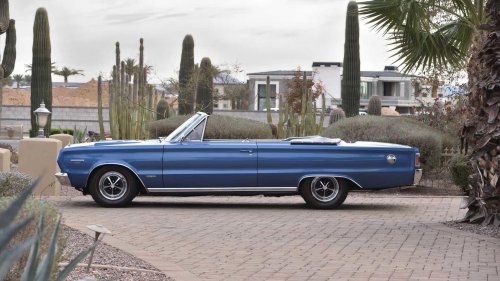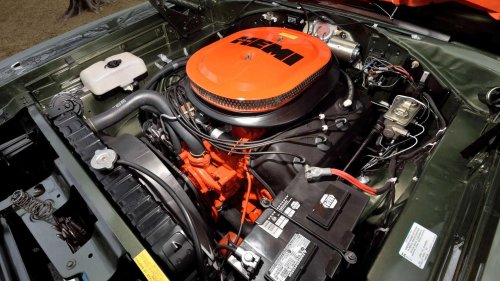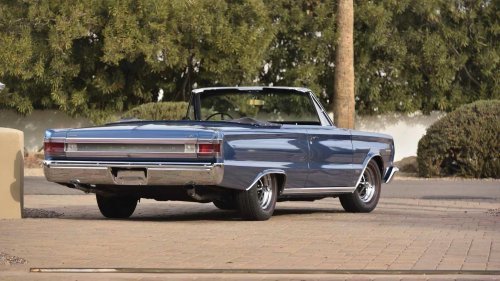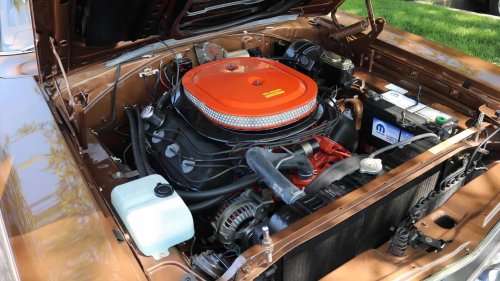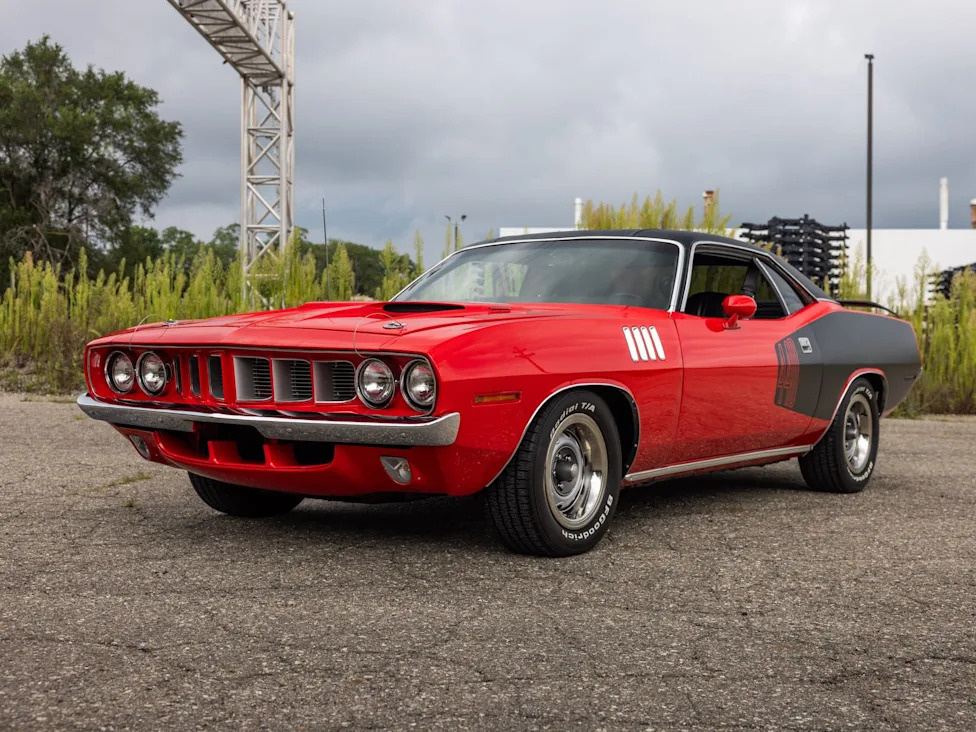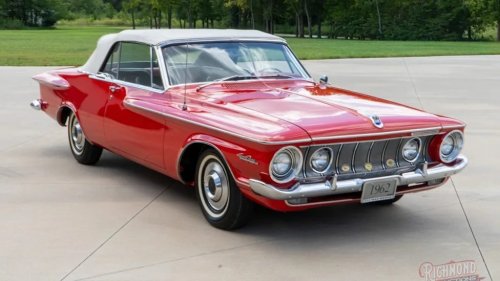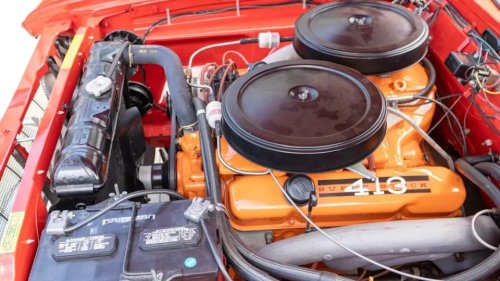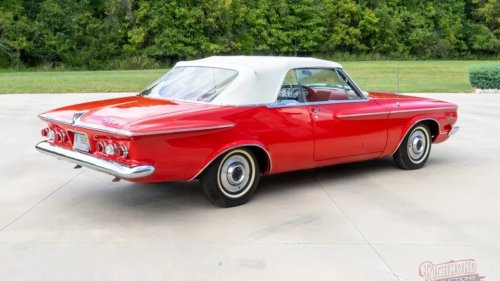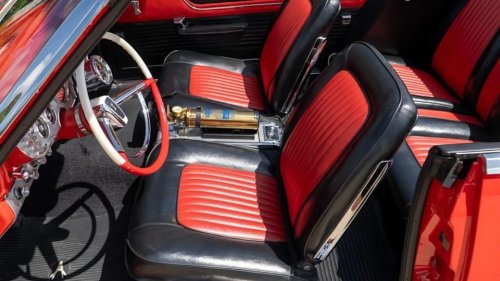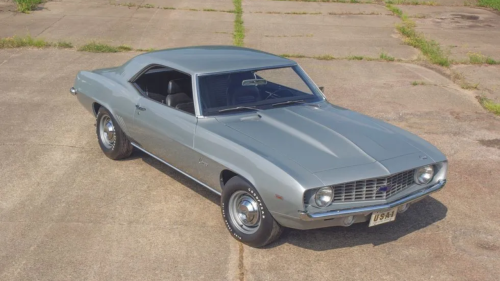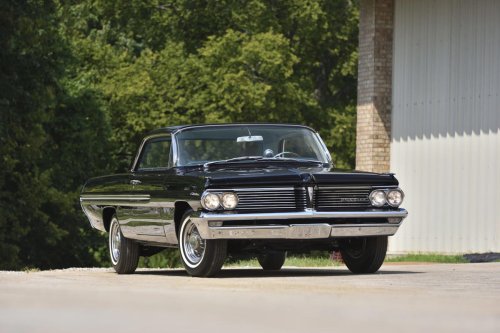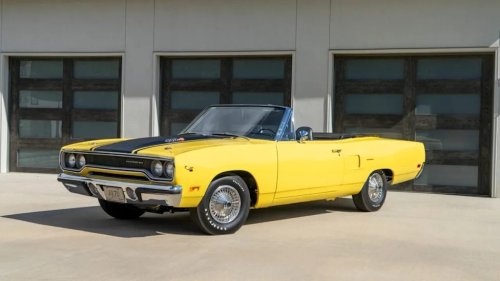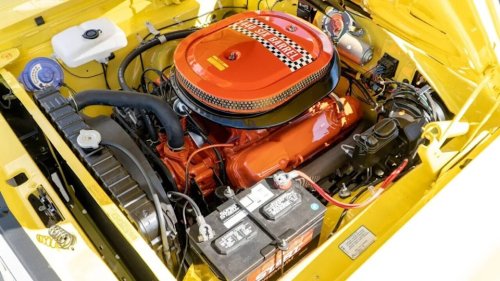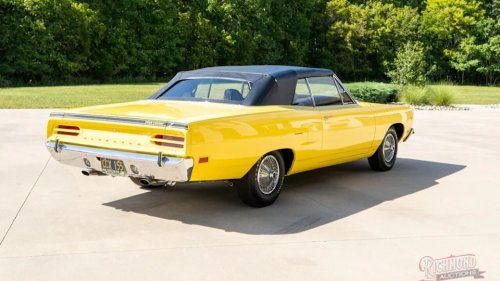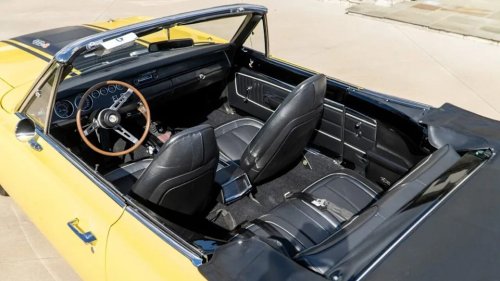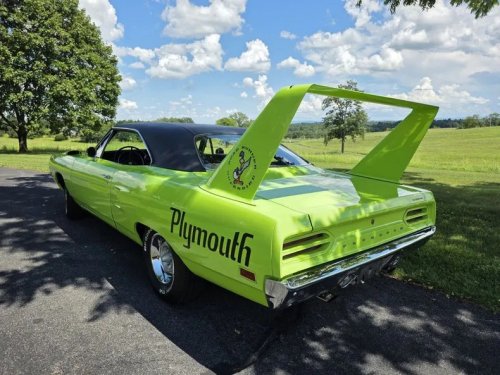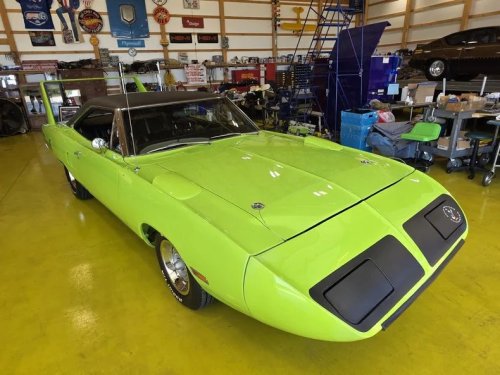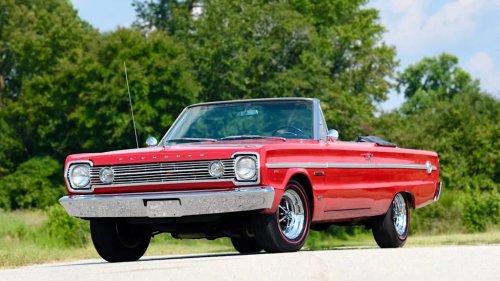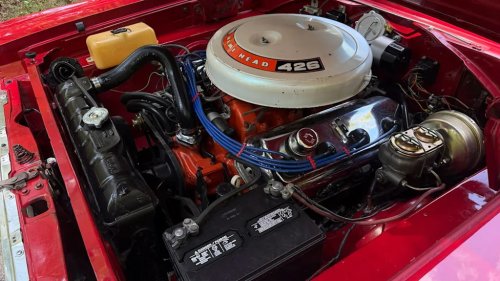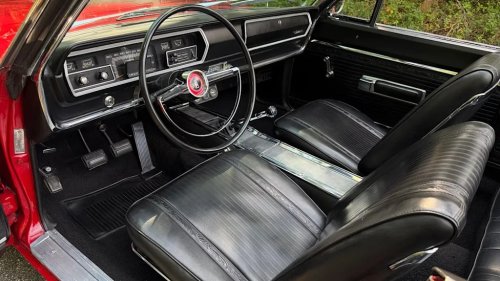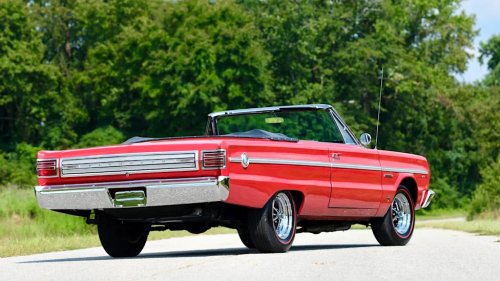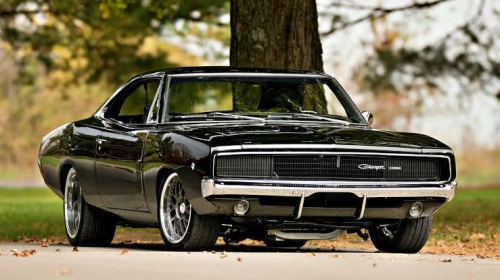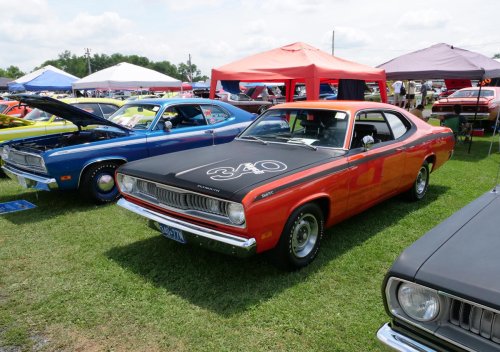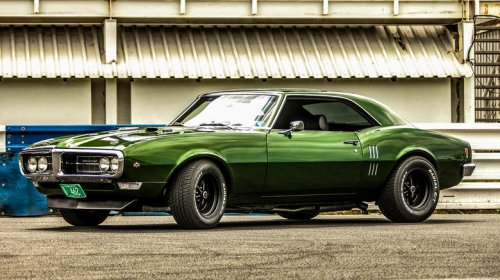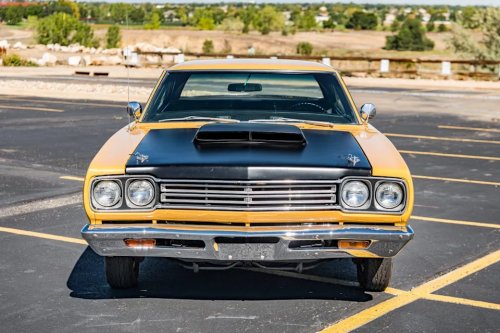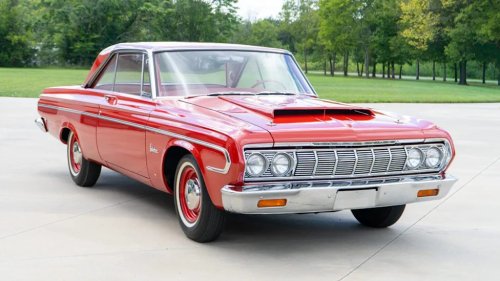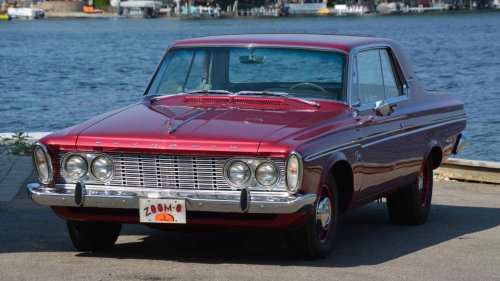
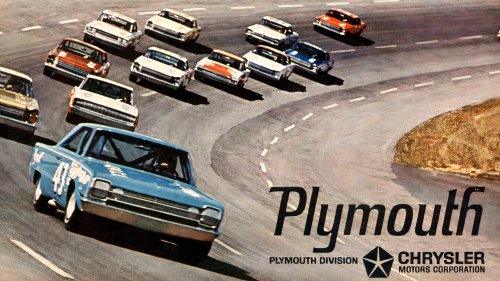
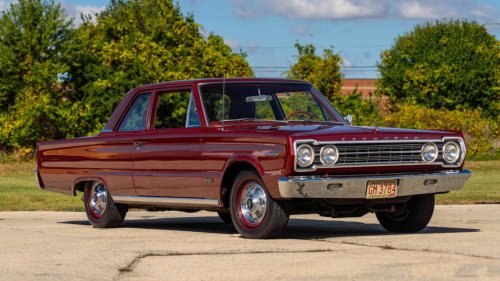
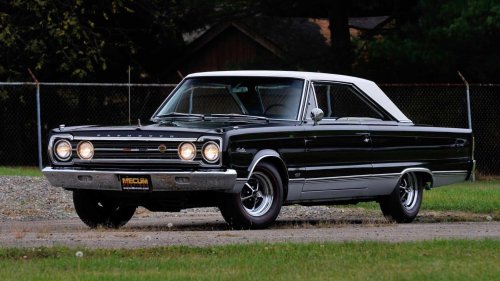
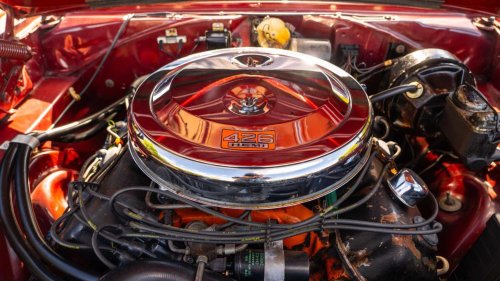



















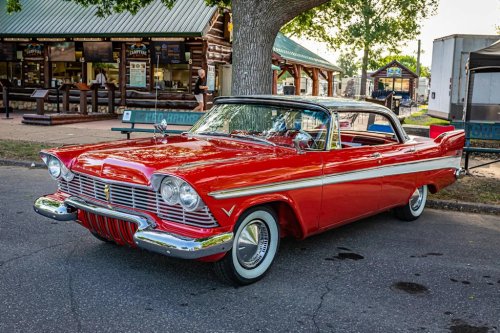

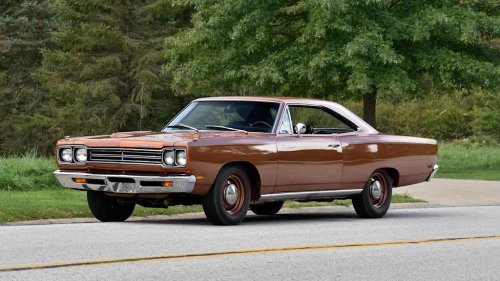
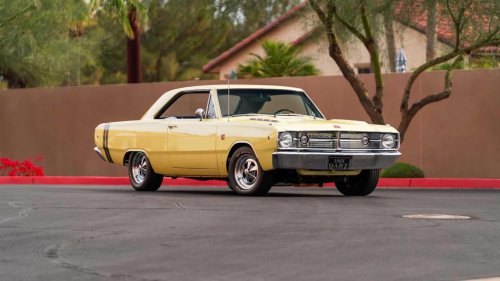
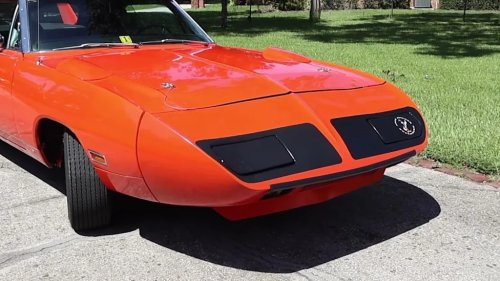
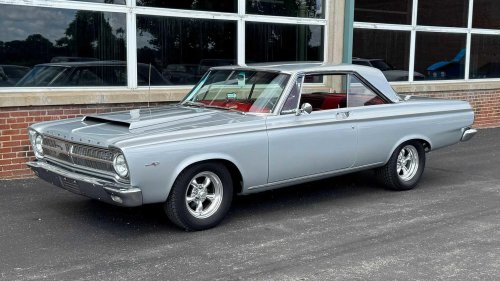
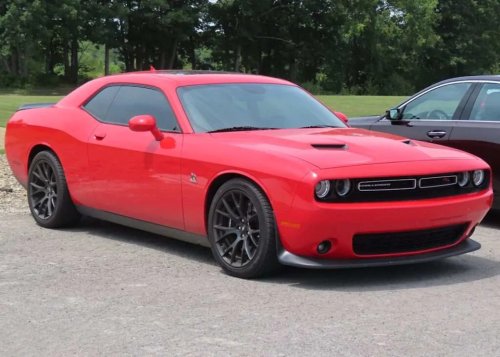
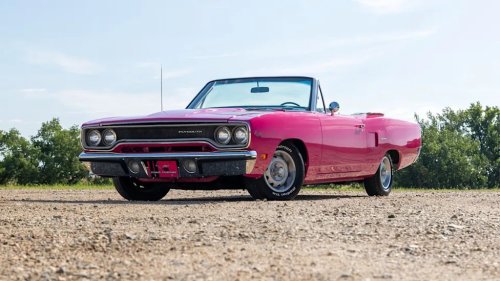
Even though it was a blink in time, lasting from 1964 to 1971, the Golden Age of American Muscle produced some of the most legendary nameplates that are still killing it today. The iconic Ford Mustang has been produced continuously for over 60 years, the immortal Dodge Charger keeps coming back from the dead, and the Chevy Camaro only recently ended its generations of street rule. Even cars that aren't around anymore still have a rabid fan base, like the Pontiac GTO, Chevy Chevelle, and Ford Torino. Then, there are rides that time has passed over, mostly from AMC, but also Mercury, which could never get out from under Ford's shadow.Plymouth is also an automaker that played second fiddle, in this case to Dodge, but their rides managed to make a name for themselves and are remembered assome of the best of the classic era and coveted by collectors. Had thePlymouth brand not been discontinued in 2001, there almost certainly would have been modern versions of the Barracuda and Road Runner, the way the Challenger and Charger got reboots. As amazing and high-profile as Plymouth's muscle cars were in the classic era, they also produced some totally obscure rides that most people have never even heard of and hardly anyone remembers. Proto-Muscle Plymouth Fury Mecum A muscle car is an American-made two-door intermediate with a powerful V8. History tells us that the 1964 GTO was the first to fit that description, but the Plymouth Fury demands credit. The luxury land yacht 1958 Fury that terrorized audiences in Christine was shrunk down to a mid-size for the 1962 third generation and had a 330-horsepower 383 cubic-inch V8 option.That's already about as powerful as the GTO, which was still two years off, but the Fury also got access to the dual-quad 413 cubic-inch V8 that cranked out 420 ponies. The next year, a 425-horsepower 426 Max Wedge. A Max Wedge Fury was a 12-second car straight from the dealer, while the GTO was wallowing in the 14s. So, the real first muscle car is quite clear. Richard Petty’s Hemi-Powered Plymouth In the early 1960s, Chrysler revisited the idea of an engine with hemispherical combustion chambers that made their legendary FirePower 392 the most powerful V-8 of the 1950s. This new engine had 426 cubic inches of displacement and was built with the express purpose of catapulting drivers like Richard Petty to the front of the NASCAR pack.The 426 Race Hemi went under the hood of a 1964 Plymouth Belvedere, which Petty drove to his first of seven NASCAR Cup Series championships. The Hemi-powered Plymouth was so dominant that Petty notched nine wins and 43 top 10s, including taking the checkered flag at the Daytona 500 while leading 184 out of 200 laps, which is a record that still stands today. Hemi Homologation Hysteria Chrysler It wasn't just Petty's Hemi Belvedere that was tearing up the NASCAR circuit. Both Dodge and Plymouth fielded dozens of drivers that took turns in the winner's circle, basically freezing out all other manufacturers. Ford complained to NASCAR that the Hemi was too fast, and the racing governing body more or less agreed, banning the 426 until it could be homologated.That meant that a certain number of cars equipped with a Hemi had to be sold to the public to qualify the engine for competition. Those thresholds were usually fairly modest, like 500 to 1,000 units. Chrysler decided to go big and made the 426 Street Hemi available to all Dodge and Plymouth intermediate models. With that temper tantrum, Ford essentially handed the entire Golden Age to Mopar, because nothing could beat it on the streets either. Ultra-Rare 1967 Plymouth Hemi Belvedere Mecum The 426 Street Hemi became an option for the 1966 model year. The Belvedere was blessed with 677 of the wondermills, which was more than the 468 that went to the Dodge Charger, a car that is virtually synonymous with the engine. Things were much different in 1967, when only six 426 Hemis were destined for a Belvedere engine bay, making it one of the rarest classic Mopars.Most casual fans, who would instantly recognize a Barracuda or Road Runner, don't even know what a Belvedere is or that it was one of Plymouth's first muscle cars. More hardcore enthusiasts are well aware of the Belvedere's place in performance history but probably don't realize how few '67 Hemi Belvederes were built. It really is a forgotten gem. Equally Elusive ’67 Hemi Satellite Mecum The Plymouth Satellite is even less remembered because there is some confusion as to what exactly it was. It was originally the top of the line Belvedere, becoming its own nameplate later on. In 1966, the Satellite also gained access to the 426 Hemi, which was ordered 844 times—more than any other Mopar that year.Like the Belvedere, the Satellite saw a dramatic drop in Hemi-equipped cars in 1967, with only six rolling off the factory floor. Between both trims, a grand total of 12 Hemi cars were produced, which still qualifies it as one of the rarest Mopar unicorns and, because of its obscurity, something of a phantom. Designated Muscle Car Rule Shifts Hemi Distribution MecumWhen Chrysler first unleashed the Street Hemi, it was a free-for-all, available to any Dodge or Plymouth intermediate car. If someone wanted a Coronet station wagon with 425 horsepower and 490 pound-feet of torque, they could have gotten one. There's no evidence that anyone ever ordered a ridiculously awesome ride like that, but Chrysler wanted to make sure it didn't happen moving forward.Corporate changed the rules in 1968 and would only allow Hemis in designated muscle cars. For Dodge, that meant the Charger R/T, Coronet R/T, and Super Bee, while at Plymouth the GTX as well as Road Runner were eligible. Things were kind of headed in that direction in 1967, which is probably why the Belvedere and Satellite didn't get much Hemi love. GTX Shines As Plymouth’s Halo Car Mecum Also in '67, the Satellite lost its spot as the top-dog Plymouth B-body when the luxe GTX was introduced. Billed as the "gentleman's muscle car," the GTX came standard with every single option and feature that Plymouth had to offer.Because this car was geared for a more sophisticated (read: wealthier) buyer, it was ordered with more Hemis than any Mopar in 1967. In fact, of the 1,136 Street Hemis built in '67, a whopping 720 of them found homes under the hood of a GTX. This was Plymouth's attempt to build some prestige for the brand, and the fact that it did it with a formidable street machine is remarkable. Road Runner Leaves the Belvedere in the Dust Mecum Having invented the luxury muscle car in 1967, Plymouth went the completely opposite direction the next year with the stripped-down speed machine Road Runner. While the GTX came with everything, a Road Runner could be ordered with next to nothing, including backseat, carpet, and radio deletes to make it even more affordable.That savings on the sticker price meant there was plenty in the budget left over for a 426 Hemi upgrade and the '68 Road Runner is the most Hemified Mopar of all time. 1968 was the highest volume for the 426 Street Hemi with 2,289 units being ordered, nearly half of which made the no-frills Road Runner an all-thrills ride. The Road Runner was a massive success, with 44,599 sales in its debut versus only 15,702 Belvedere coupes that year. Unicorn ’67 Belvedere Prices And Values Mecum For being a one-of-six classic Mopar, the 1967 Hemi Belvedere is surprisingly affordable with a Hagerty Concours condition value of just $130,000. To put that into perspective, there were nine 1970 Dodge Challenger Hemi R/T convertibles built, and those sell for millions. The '67 Hemi Satellite is also a rare bargain with a perfect show car running $160,000 and it too was a six-unit production.In practice, these cars go for a bit more, with a '67 Hemi Belvedere selling at Mecum Kissimmee 2026 for $280,500. That was a perfect condition survivor car with low mileage, so it's probably an exception. The '67 Hemi Satellite, however, is an underperformer, with the only example we could find selling at auction barely clearing $100,000. Hemi Belvedere Super Stock Mecum Maybe the real Plymouth nobody remembers today is the 1967 Belvedere II Super Stock factory drag car. Equipped with the 426 Race Hemi and designed for NHRA competition, only 55 of these cars were made. Unlike other factory drag cars that used lightweight body parts, the Belvedere II Super Stock was all steel but still managed to rock in the mid-10s.Shockingly, that SS pictured above sold at Mecum Monterey 2021 for only $77,000. Other Mopar factory drag cars, like the 1968 Hemi Darts and Hemi Barracudas are six-figure rides all the way, so this was an unbelievable deal for someone. At that price, the owner can feel comfortable using it as a daily driver, and it would be hilariously awesome to really wind that thing out on a Costco run or when dropping the kids off at soccer practice.