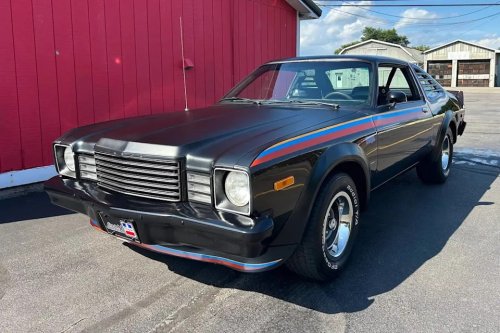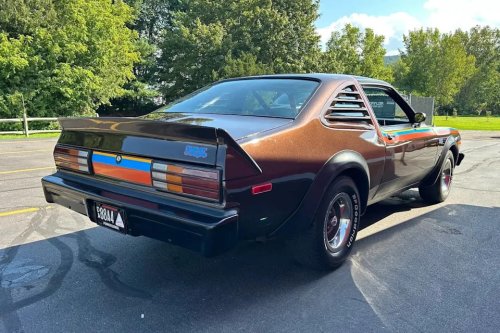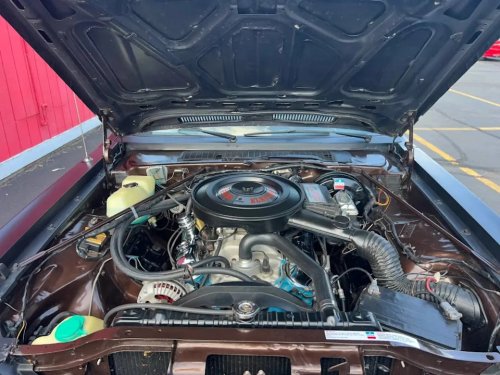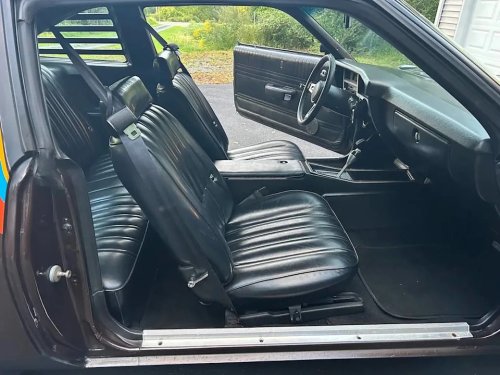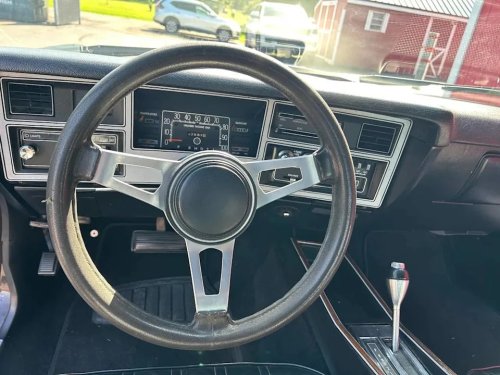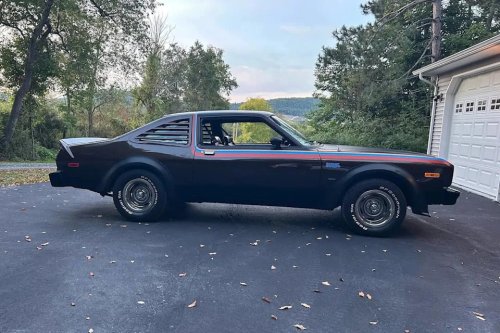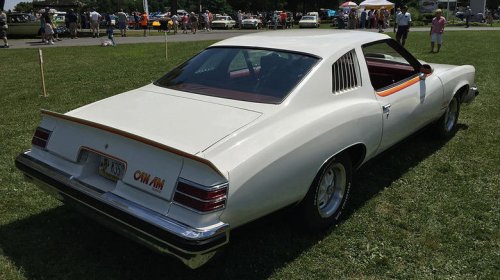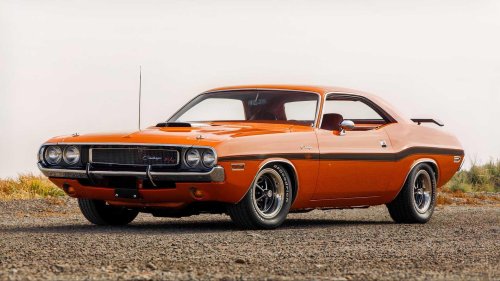
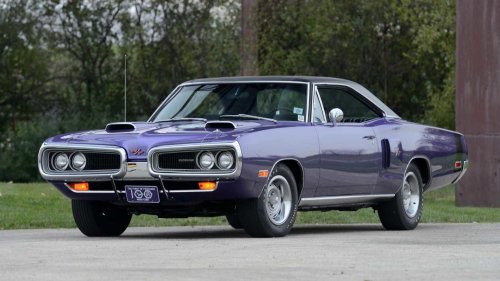
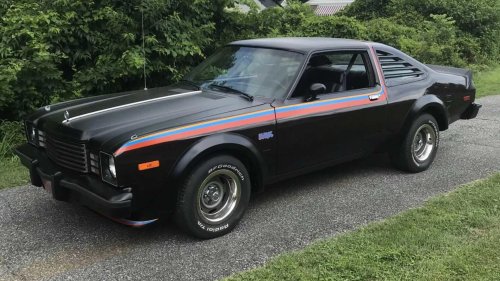
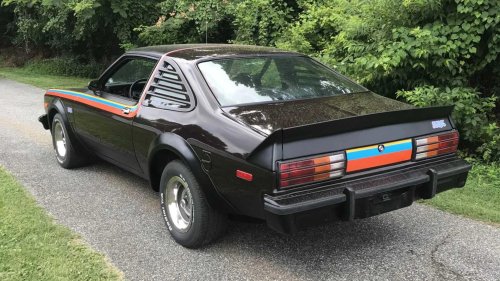
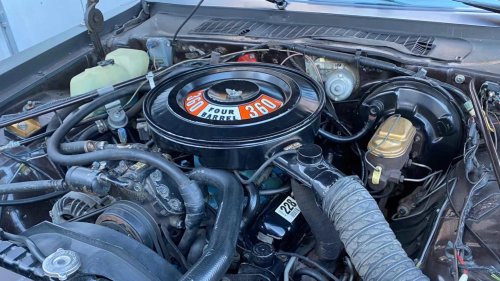
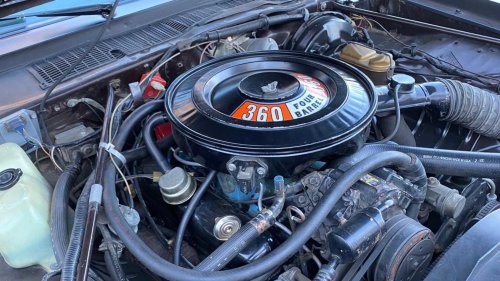
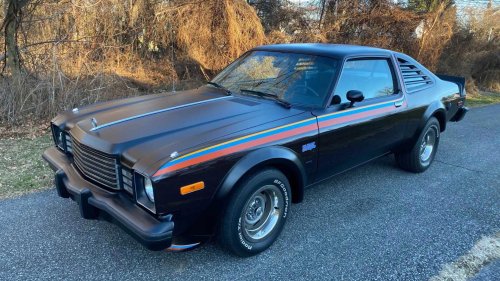
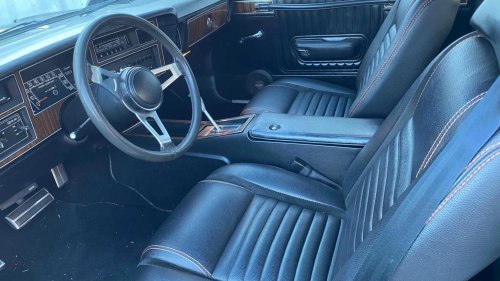



















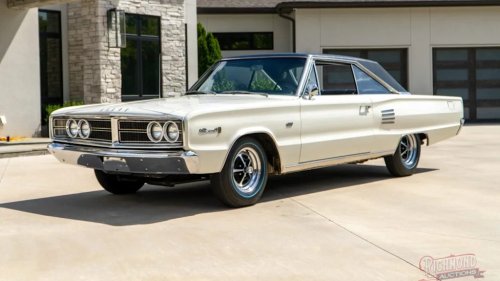
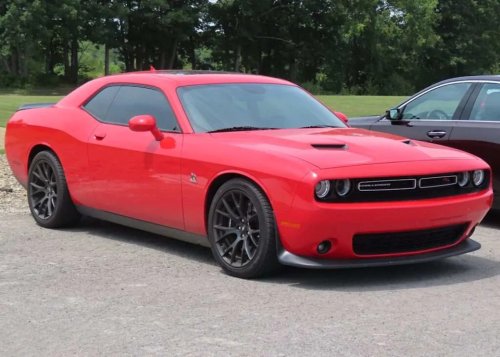
The golden era of American muscle did not end with a bang. Instead, the high octane roar of the sixties slowly faded into a whisper by the mid-1970s. Massive engines and unrestricted power became casualties of a changing world. New emissions laws, rising insurance costs, and a sudden focus on fuel economy forced Detroit to pivot from performance to survival.While legends from Dodge like the Charger stayed in the spotlight, many unique models from the brand slipped through the cracks. These vehicles often featured clever engineering and impressive handling, yet they arrived at the worst possible time. History largely forgot these transition cars, leaving only a few rare ghosts on the highway. The Muscle Car Legacy Beyond The Dodge Charger MecumAmong the Dodge brand's muscle car lineup, the heavy shadow of the B-body Charger and the E-body Challenger looms large over the history of American performance. These legendary models defined an era of high-speed chases and tire-shredding torque, making it difficult for any other Dodge nameplate to find its way into the limelight. When enthusiasts think of Mopar power, they almost exclusively visualize the long hoods and fastback profiles of the late sixties. This narrow focus has caused many fascinating vehicles to be unfairly labeled as also-rans or forgotten footnotes.Several underrated contenders attempted to bridge the gap between the muscle car peak and the fuel-conscious future. The Dart Sport 360 offered a compact alternative with surprising pep, while the early 1970s Coronets provided a more formal take on the performance sedan. Even as the Malaise Era took hold, Dodge engineers refused to give up on the idea of a driver-focused car. Their strategy shifted from raw straight-line speed to comprehensive performance packages. They began experimenting with specialized trim, heavy-duty cooling systems, and advanced handling components to keep the spirit of driving alive.Mecum This transition period led to some of the unique experiments in the Chrysler catalog. Rather than relying on massive displacement, Dodge leaned into aerodynamics and suspension tuning. One specific 1978 model stood out as the pinnacle of this new philosophy. It combined aggressive NASCAR-inspired aesthetics with a sophisticated suspension setup that could humble much more expensive sports cars. Despite its incredible potential and bold styling, it vanished from the market almost as quickly as it arrived. This car represented the final, loud gasp of performance before the industry fully embraced the practical front-wheel-drive era of the 1980s. The One Year Wonder: 1978 Aspen Super Coupe Bring a TrailerThe 1978 Dodge Aspen Super Coupe was a true one-year wonder. Designed to celebrate the racing spirit of the brand, it served as a limited-edition halo car for the Aspen lineup. It did not just look the part; it was built to perform at a level that most contemporary American cars could not match. However, its timing was its greatest enemy. Because it was only available for a single production cycle, most buyers never even saw one on a showroom floor. This exclusivity has made it a holy grail for a very specific group of Mopar collectors today.The scarcity of this vehicle is staggering. Only 531 units ever left the factory, making it one of the rarest production cars Dodge released during that entire decade. Its visual presence was unmistakable. Every Super Coupe came finished in Sable Sunfire Metallic, contrasted by aggressive matte black paint on the hood and fender tops.Large, three-color side stripes in shades of orange and yellow gave it a vibrant, high-energy look that perfectly captured the late seventies aesthetic. Flared wheel openings and wide tires completed the transformation from a standard family coupe to a street warrior.Bring a Trailer Underneath the bold graphics sat a mechanical identity focused on grip and control. The car featured heavy-duty suspension, a front air dam, and a rear spoiler that provided actual stability at speed. Many automotive historians now argue it was the best-handling American car of its time.Unfortunately, the base Aspen model was plagued by early quality reputation issues and rust problems. These factors, combined with a looming recession, caused the Super Coupe to slip out of the public consciousness. It was a victim of its own platform’s checkered history, disappearing before it could truly find an audience. Street Legal Police Power and Surprising Track Performance Bring a TrailerThe heart of the Super Coupe was the E-58 police specification 360 cubic-inch V8 engine. This was a significant upgrade over the standard powerplants found in the rest of the Aspen lineup. The industry was losing its edge, but this high-output small block kept Mopar fans in the game. It produced 175 hp at 4,000 rpm and a healthy 280 lb-ft of torque at 2,400 rpm. While those numbers seem modest compared to the Hemi engines of the past, they were quite impressive for 1978.The drivetrain was built for durability and consistent delivery. It utilized the legendary three-speed TorqueFlite automatic transmission, which was renowned for its quick shifts and nearly indestructible nature. Power was sent to the pavement through a 3.21 rear axle ratio, balancing highway cruising with decent off-the-line acceleration.In terms of raw metrics, the Super Coupe could reach 60 mph in approximately 8.5 to 9.0 seconds. It finished the quarter mile in the high 16-second range at roughly 82 mph. For an era defined by slow, heavy cars, these were remarkable.Bring a Trailer The real magic happened when the road started to curve. The expert verdict from period road tests was glowing in this department. Journalists who took the Super Coupe through slaloms and mountain passes were shocked by its poise. Many contemporary reports noted that it was actually faster and more composed through the corners than the Corvettes and Z28 Camaros of the same year.It was a true driver's car that emphasized balance and mechanical grip over brute force. This hidden talent made it a favorite among those who valued driving dynamics over drag strip slips. Why Collectors Are Finally Looking For Survivors Bring a Trailer The collector car market is currently experiencing a major shift. Many enthusiasts who have been priced out of the classic 1960s muscle car market are now turning their attention toward rare survivors of the Malaise Era. These buyers appreciate the unique styling and low production numbers of cars like the Super Coupe. As interest grows, the values of these once-forgotten models are beginning to climb.Current market data reflects this growing interest. Classic.com shows the broader Dodge Aspen market for the years 1976 to 1980 maintains a modest average value of around $9,100. Most of these survivors are standard coupes or wagons in average condition.However, there is a massive premium for the rare Super Coupe. A high-profile sale on Bring a Trailer in 2022 saw a well-preserved example reach $36,250. This price gap proves that collectors are willing to pay significantly more for a vehicle with documented rarity and a performance pedigree.Bring a Trailer Finding one of these cars today is a massive challenge. Original-condition survivors are incredibly rare due to the severe rust issues that affected early Aspen production. Many of the 531 units produced were simply driven into the ground or lost to the elements decades ago. This low survival rate only adds to the allure of the remaining examples. The 1978 Dodge Aspen Super Coupe is no longer just a footnote. It is a legitimate piece of Mopar history that is finally earning the respect and value it deserves from the automotive community.Sources: Stellantis, Classic, Bring A Trailer, Motortrend