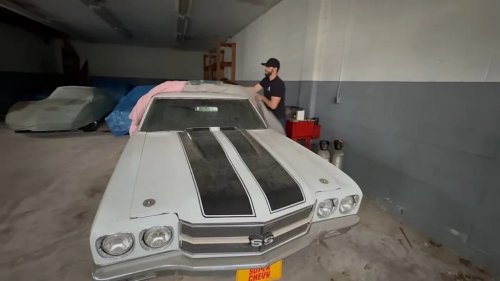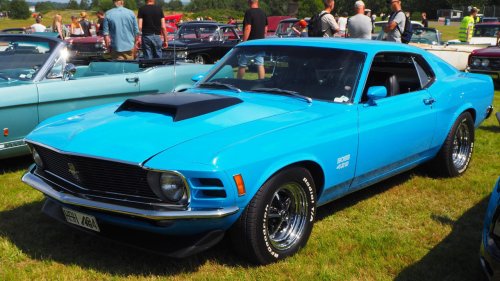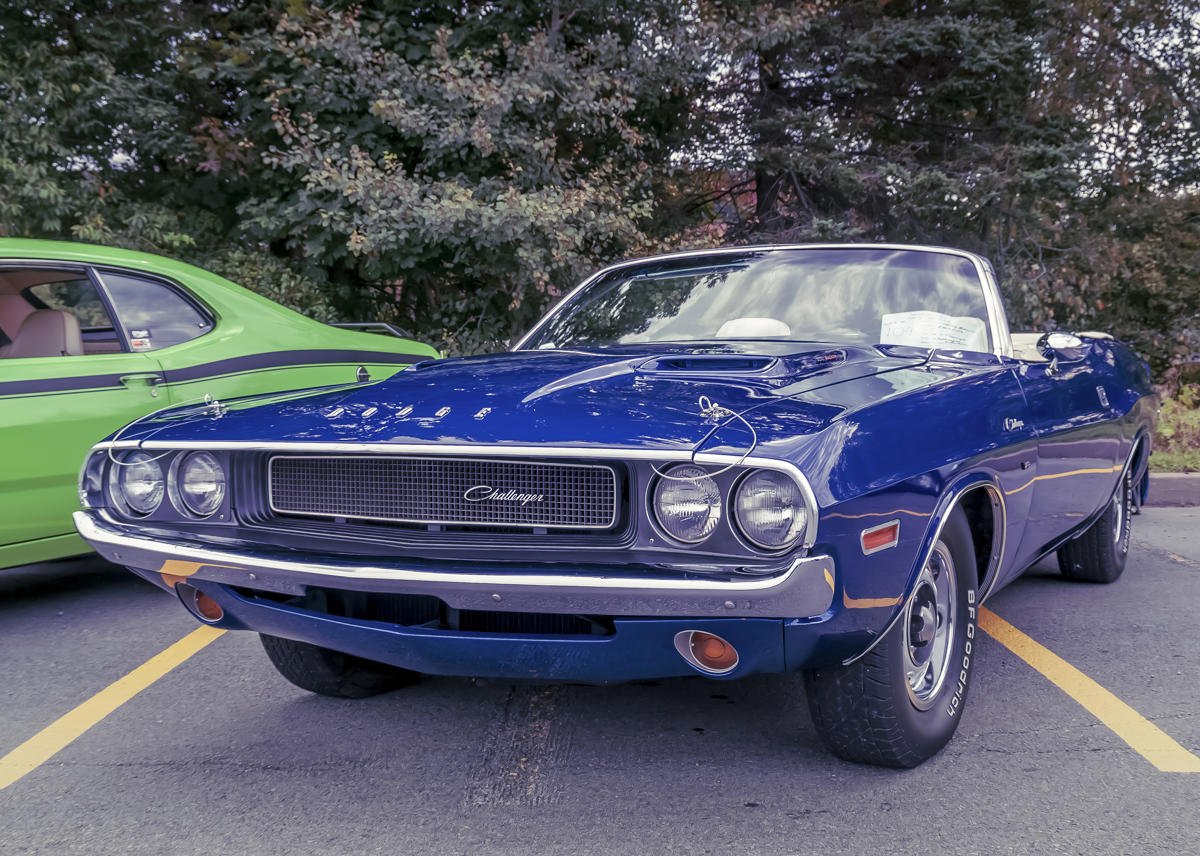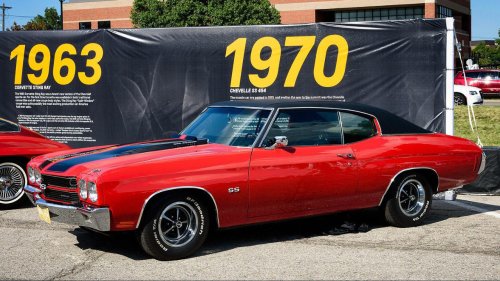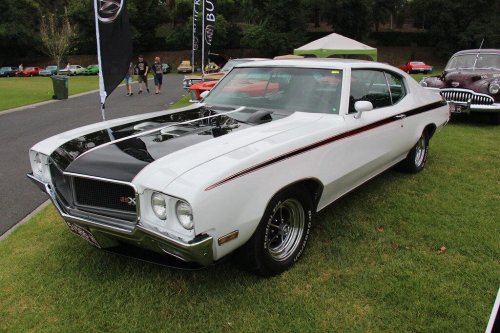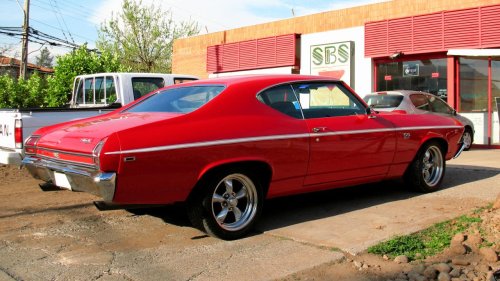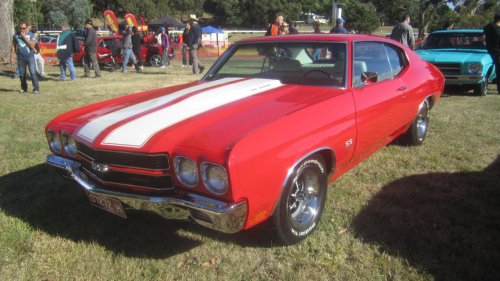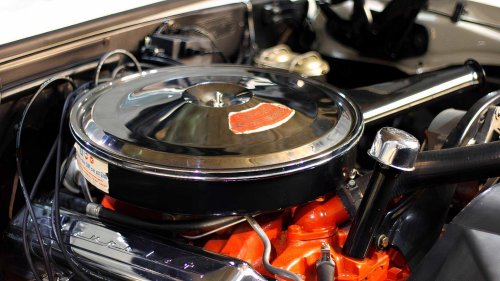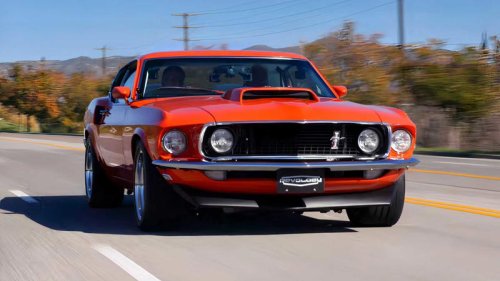
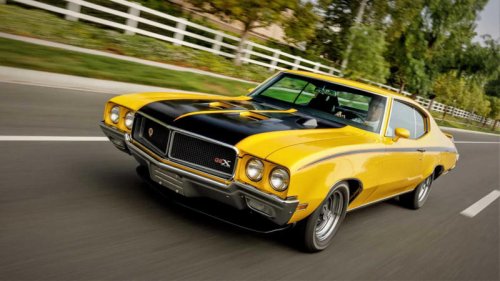
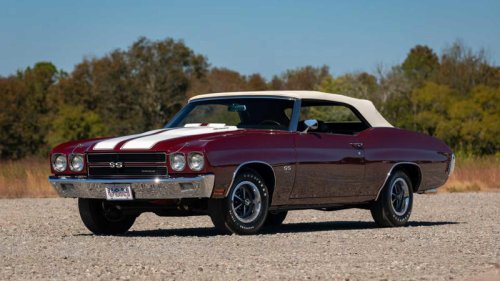
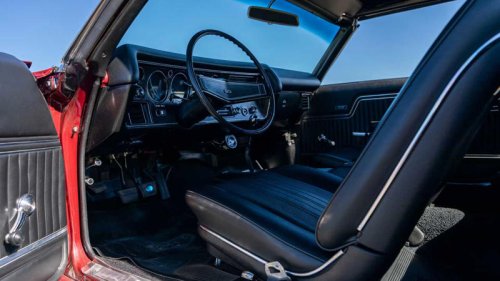
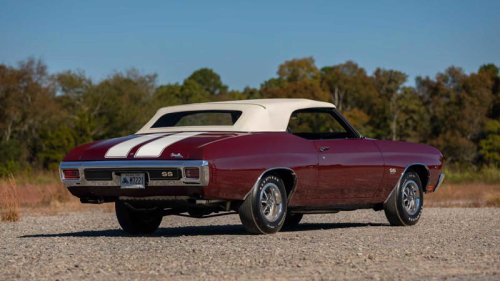
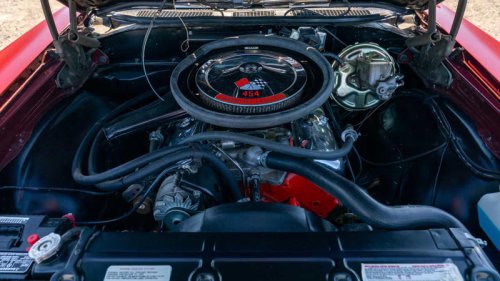
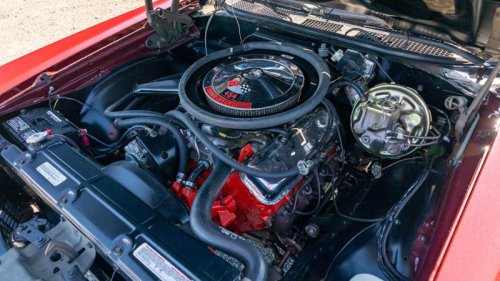
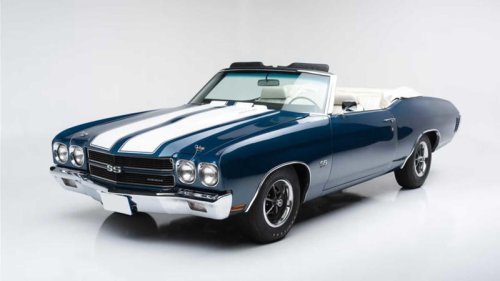
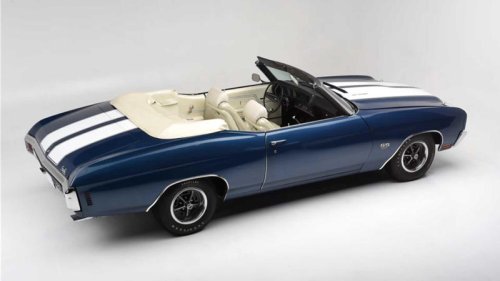



















The hunt for a true survivor car is the ultimate challenge for any serious automotive collector. A survivor refers to a vintage vehicle that remains exactly as it left the factory doors decades ago. These rare machines still wear their original paint and interior without any modern restorations or performance modifications. Finding a car that escaped the passage of time is a genuine miracle in the hobby of collecting muscle cars.During the golden era of muscle cars, most owners treated these powerful machines as disposable tools for the drag strip. They often swapped engines or cut body panels to fit larger tires for better traction. One specific open-top model stands out as the most difficult to find in factory condition. While fully restored examples appear at high-end auctions, a genuine specimen with its original assembly line parts is almost mythical. This Chevrolet represents the absolute peak of American engineering before strict new laws changed the industry forever. The 1970 Arms Race Of Engine Displacement Jay Leno Garage / Youtube The year 1970 stands as a monumental landmark in automotive history because it represented the absolute peak of the muscle car era. For years, General Motors enforced a strict internal policy that prohibited its divisions from installing engines larger than 400 cubic inches in mid-sized intermediate cars. This self-imposed restriction left brands like Chevrolet and Pontiac at a significant disadvantage compared to their cross-town rivals. However, as the horsepower wars reached a boiling point, GM finally decided to lift the ban. This decision sparked an unrestrained battle for street supremacy that saw manufacturers pushing engineering limits to the edge.The competition during this period was nothing short of legendary. Ford was already making waves with the Boss 429, a vehicle featuring a massive engine specifically developed to meet NASCAR racing requirements. At the same time, Chrysler continued to dominate the stoplight drags with the 426 Hemi. This engine was so large and physically imposing that enthusiasts famously nicknamed it the Elephant.Bring a Trailer Even Buick joined the high-performance fray with the GSX Stage 1, which delivered a staggering 510 pound-feet of torque. These machines were all incredibly formidable on their own merits, but the market was about to witness something even more extreme. Just as the era began to wind down due to looming regulations, one manufacturer prepared a specific package that would officially claim the highest factory horsepower rating of the entire muscle car generation. Finding A '70 Chevelle SS 454 LS6 Convertible In A Haystack Mecum Auctions When Chevrolet finally released the LS6 package, it became an instant icon of American performance. While the company produced more than 4,000 units of the LS6 hardtop, the convertible version turned into an accidental legend. General Motors famously failed to keep detailed records specifically for the drop-top variant, which has led to decades of mystery among collectors.Today, the consensus among automotive historians is that less than 20 authentic LS6 convertibles were ever manufactured. This incredibly low production volume makes the car a true unicorn in the classic car world, especially when compared to its more common hardtop sibling.Mecum Auctions Finding a genuine example in original condition is nearly impossible for several practical reasons. First, the race heritage of the LS6 meant that most owners bought these cars for the sole purpose of going fast. These were not viewed as investments at the time. So many original engines were blown up on the drag strip or replaced with newer crate motors throughout the 1970s.Mecum Auctions Additionally, the skyrocketing value of authentic models has fueled a massive surge in the replica market. Thousands of standard Chevelles have been modified into LS6 clones or tribute cars over the years. Proving that a vehicle is a genuine survivor requires ironclad documentation like an original factory build sheet. Unfortunately, these thin pieces of paper rarely survived fifty years in a damp glovebox or under a car seat, making a verified original specimen one of the rarest finds in existence. The 454 LS6 V8 Was Rated At 450 HP Mecum The heart of this legendary machine was the massive LS6 V8 powerhouse. With a displacement of 454 cubic inches, it was the largest engine Chevrolet ever stuffed into a mid-sized car. To reach extreme performance levels, engineers utilized several high-end internal upgrades. The engine featured a specialized solid-lifter camshaft and a high 11.25 to 1 compression ratio. Fuel was delivered through a massive 800 CFM Holley four-barrel carburetor, allowing the engine to breathe deeply during high-speed runs. These mechanical choices made the car a brutal competitor on any drag strip or streetlight.Mecum Auctions When looking at the performance benchmarks of the era, the LS6 sat comfortably at the top of the mountain. It carried an official factory rating of 450 hp and 500 lb-ft of torque. This surpassed the legendary 426 Hemi from Chrysler, which was rated at 425 hp and 490 lb-ft of torque. It also easily outclassed the Ford Boss 429 and its rating of 375 hp. Even if these numbers don't tell the whole truth, they still illustrate the kind of heat the LS6 was bringing.Despite these impressive official numbers, many experts believe the real output was much higher. Modern dyno tests often suggest that Chevrolet underrated the engine to appease insurance companies. In reality, a well-tuned LS6 likely produced well over 500 hp right off the assembly line. The Market – From Clones to Seven-Figure Legends Mecum Auctions The extreme rarity of the LS6 has created a diverse and expensive secondary market. Because authentic models are so hard to find, a thriving tribute market has emerged. Classic.com says high-quality replicas or clones typically trade between $75,000 and $135,000. These are usually standard Malibu models that have been meticulously converted to LS6 specifications. While they offer the same look and feel as the original, they lack the verified history that collectors crave.For those seeking the real thing, even a hardtop model requires a significant financial commitment. Hagerty shows that a genuine, documented LS6 hardtop in good condition is worth approximately $102,000, while perfect examples can easily exceed $250,000.Mecum Auctions The convertible models exist in an entirely different financial stratosphere. A real, documented LS6 convertible is considered a blue-chip investment that rarely appears for sale. At major auctions like Mecum or Barrett-Jackson, an original, numbers-matching convertible can easily command between $500,000 and $1 million.These prices reflect the incredible scarcity of a vehicle with less than 20 units ever produced. If a true survivor specimen were discovered with its original paint and interior intact, the price would likely push into uncharted territory. For many enthusiasts, this car represents the ultimate prize in American automotive history, combining raw power with unmatched rarity.Sources: Chevrolet, Hemmings, Mecum, Hagerty, Classic