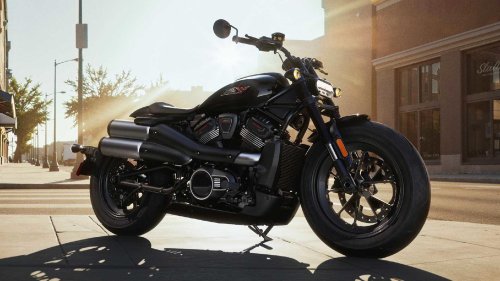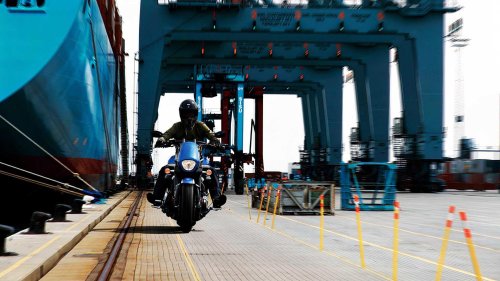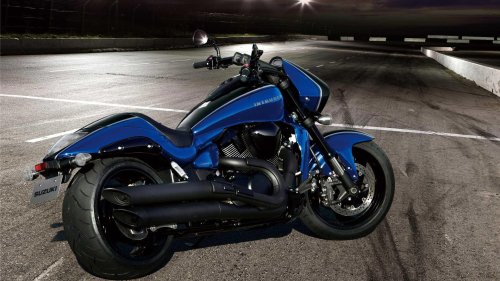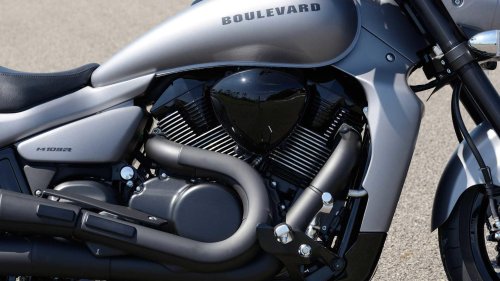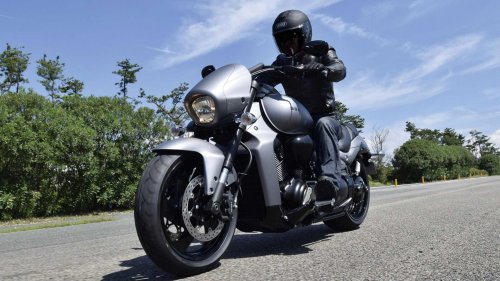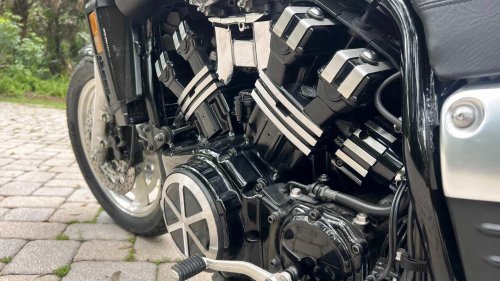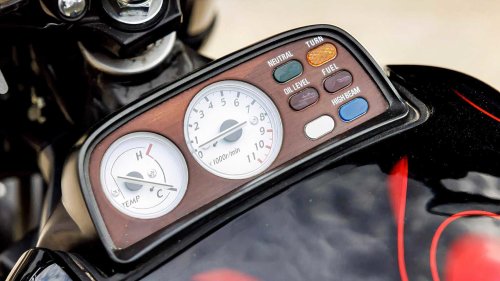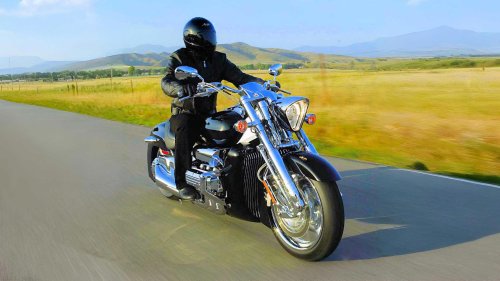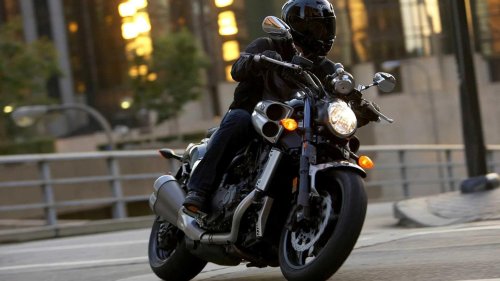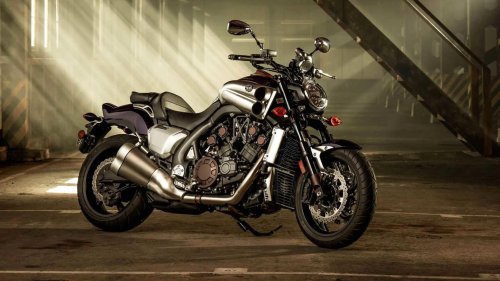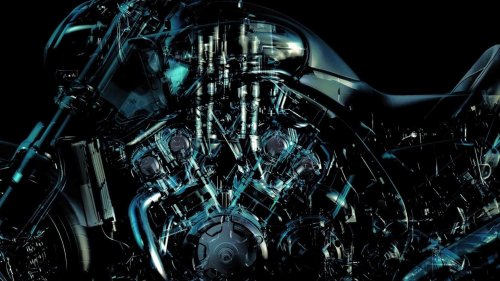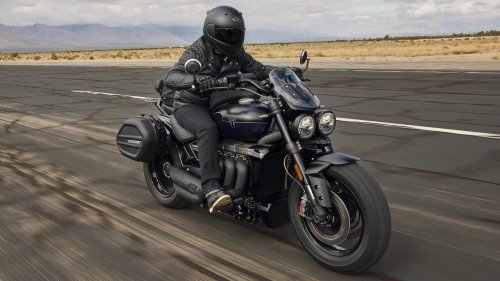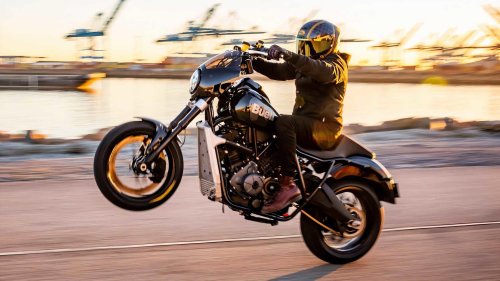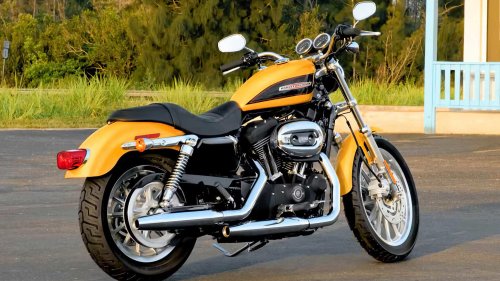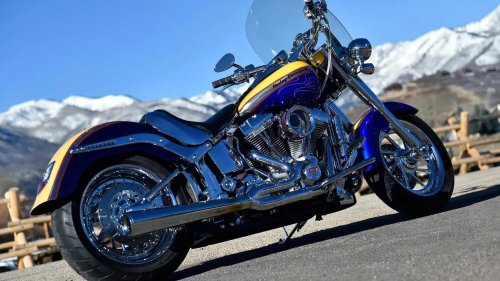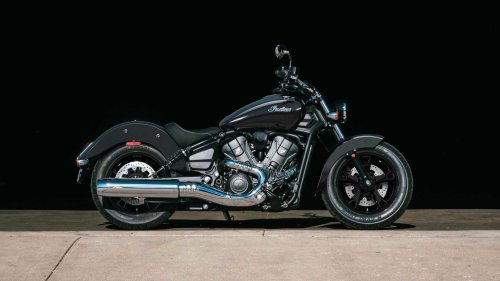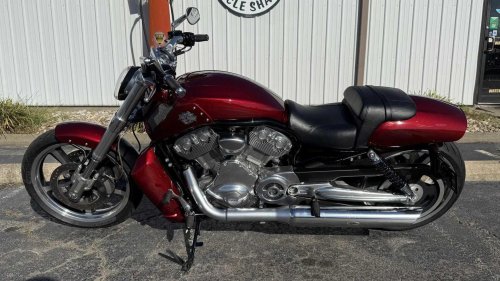
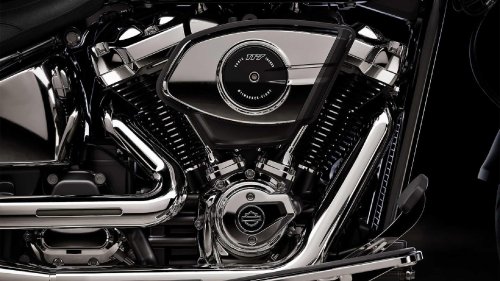
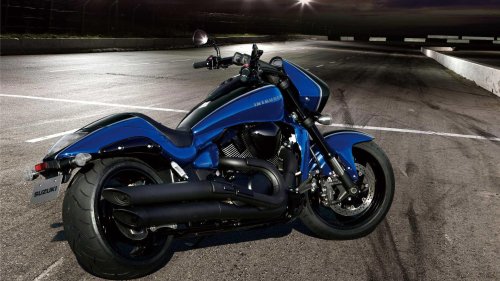
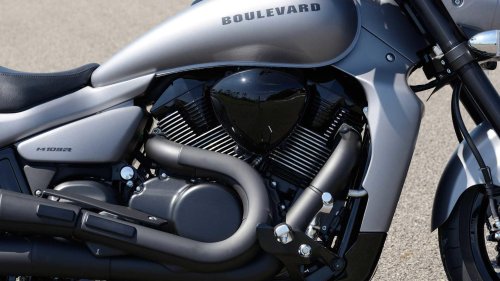
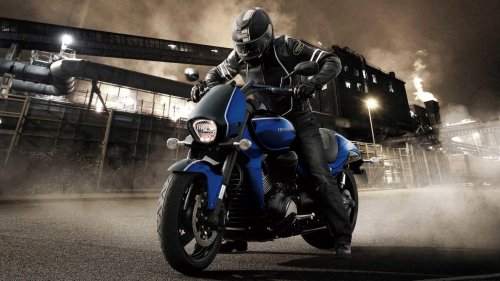
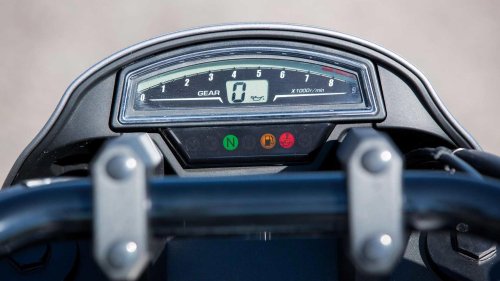
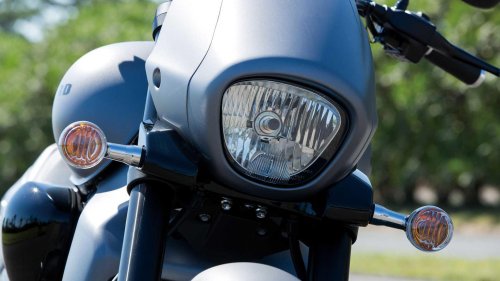
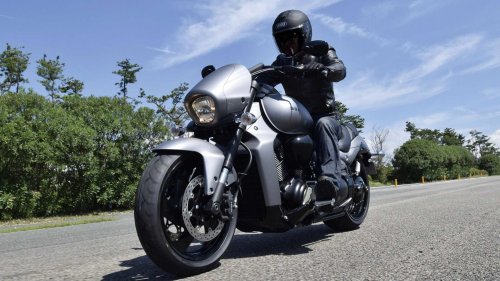
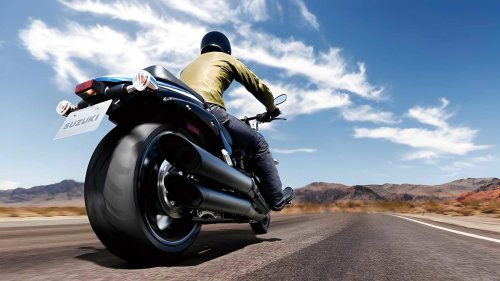



















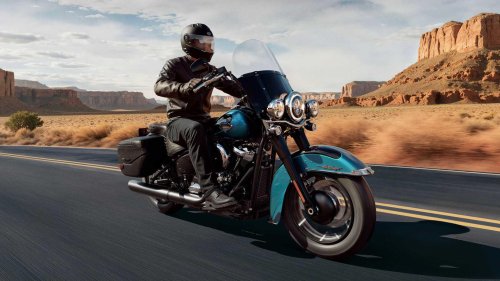
American motorcycling has always had a soft spot for the big, low-slung cruiser motorcycle. The formula has changed over time, but the appeal has not: long wheelbase, relaxed ergonomics, fat torque, and ample presence. That idea goes back decades. These bikes were never about efficient commuting; they were about how you felt when you arrived.Between the 1950s café scene and the chopper boom of the 1970s, such muscle cruisers evolved from straightforward machines into bold statements. The more visual drama they packed, the more owners were quietly expected to accept a certain degree of mechanical drama in return. Somewhere in the middle, reliability and ownership costs took a backseat, with certain 'leaving its mark' jokes arising. Then, a Japanese muscle cruiser joined the party and proved that a muscle cruiser could be effortless to own. What “Effortless To Own” Really Means On A Muscle Cruiser Bring A TrailerOn a muscle cruiser, “effortless” should never be confused with tame. It does not mean the bike lacks attitude or performance. It means the owner does not have to pay for that performance with constant fiddling, fragile electronics, or a bike that feels like it needs a graduate degree to start on a Sunday morning.Harley-DavidsonMost traditional muscle cruisers — the dramatic ones with massive air-cooled twins — sacrifice a degree of dependability for character. Some muscle bikes chase drama at the expense of day-to-day sanity. They can be thrilling, but they often arrive wrapped in more tech, more weight, and more things to keep track of. Some are genuinely temperamental while others demand regular valve adjustments, rejetting for altitude, or fuss over ethanol-blended fuel. The Suzuki Boulevard M109R Is The Standard For Accessible Muscle Base Price: $15,799 SuzukiThe Suzuki Boulevard M109R makes its case as the rational choice in a category that often rewards excess for its own sake. It does not feel like an entry-level compromise but a fully-formed muscle cruiser that simply happens to be priced with more restraint than some of its flashier competitors. Since there have been no major updates since its arrival, reliability is a given, and all expected problems are known by now (with cheap fixes).Price-wise, Suzuki lists the bike at $15,799 before destination. With that, the M109R places itself in the same premium neighborhood as the 2026 Harley-Davidson Sportster S, which starts at $15,999, while undercutting the 2026 Indian 101 Scout at $16,999 US MSRP. In other words, this is not a bargain-bin cruiser; it is just priced with less ego than many of its rivals. The 1,783cc V-Twin Engine Pulls Without Punishing SuzukiThe M109R’s heart is the whole show. Suzuki fits it with a 1,783cc liquid-cooled, DOHC, 54-degree V-twin and huge 112 mm forged aluminum-alloy pistons. Suzuki says those pistons are among the largest reciprocating gasoline engine pistons used in any production motorcycle. That size is not there for bragging rights alone; it helps the engine deliver a huge wave of torque with the kind of composure a muscle cruiser needs.This power plant is able to generate over 129 hp and 118 lb-ft of torque at 3,200 rpm. That torque figure gives the rider access to usable shove low in the rev range, which means it can roll from 60 to 80 mph with less effort and less fanfare than a more highly strung machine. That is not just more relaxing; it is less tiring over a long day in the saddle. Proven Liquid-Cooled Architecture SuzukiSuzuki’s approach to cooling is one of the M109R’s most underrated advantages. The cylinders are lined with Suzuki Composite Electrochemical Material, or SCEM, which Suzuki says improves heat transfer, tightens piston-to-cylinder clearances, and reduces weight. Combined with liquid cooling, the engine is better equipped to stay stable in stop-and-go traffic and hot US summers than an air-cooled big twin that has to rely more heavily on ambient airflow.Big cruisers spend a lot of their time loafing through traffic, idling at lights, and crawling through summer congestion with hot pavement underneath them. A liquid-cooled setup gives the M109R more thermal breathing room and a key advantage over air-cooled rivals from American brands. Less Tech Means Less Trouble SuzukiSuzuki does not load the M109R with ride modes, ride-by-wire theatrics, or a giant TFT interface. Instead, the bike uses an analog speedometer with an LCD, dual trip meters, a fuel gauge, and a clock, plus a digital tachometer and gear-position indicator integrated into the headlight cowl. It sounds more like a deliberate and sensible policy.The absence of ride-by-wire throttle and a complex electronics suite eliminates an entire category of ownership anxiety. There is no firmware to update, no sensor to confuse the fuel mapping in cold weather, and no TFT display developing dead pixels at 40,000 miles. The M109R's mechanical simplicity is not an oversight — it is an engineering position, and one the machine's long-term ownership record consistently validates. Owner accounts of trouble-free operation well beyond 30,000 miles trace directly back to that decision. Tactile Controls For The “Old School” Rider SuzukiThere is also a strong emotional case for the M109R’s straightforward controls. The cable-throttle feel, the analog dial, the physical gear changes, and the lack of digital clutter all help the bike feel more mechanical in the best possible way. Some riders simply prefer a motorcycle that talks with its engine, its bars, and its drivetrain instead of a screen. The Suzuki gets that. It feels like a machine you read with your hands and body, not one you negotiate with through menus. Ergonomics And Physical Effortlessness SuzukiThe M109R’s seat height is listed at 27.8 inches, and that low perch is a major part of why the bike does not feel as intimidating as its size suggests. The ride position is long, low, and stretched. Suzuki’s layout, including the drag-style handlebars and pull-back risers, keeps the controls close enough to the rider to improve comfort and confidence. Add in the low center of gravity from the semi-dry sump design, and the bike begins to make a lot more sense at walking pace and in parking lots than its curb weight might imply.At 764 pounds curb weight, it is still a big motorcycle. Nobody should pretend otherwise. But the M109R’s engineering helps it hide that mass better than the number alone suggests. The frame, suspension, and low-slung layout all work together to keep the bike from feeling top-heavy. At least that's what Suzuki claims. Massive Rear Tire And Brakes Suzuki CyclesThe 240-section rear tire is part of the M109R’s visual identity, but it also plays a role in the bike’s planted feel. It is the widest rear tire ever used on a Suzuki motorcycle, and it gives the cruiser a thick, muscular stance that suits the bike’s mission. The trade-off is that wide rear rubber can make some big cruisers feel a little less eager to flick around. Suzuki addresses that with a sporty chassis and suspension setup. It comprises USD forks, cast alloy wheels, and a double-cradle chassis. As for braking hardware, Suzuki says the bike uses radial-mounted dual front brakes inspired by the GSX-R1000R, along with a single rear disc brake. The M109R Is Well-Balanced Overall Nearly two decades after its introduction, the Suzuki Boulevard M109R continues to earn a quiet but consistent reputation as the most honest buy in the muscle cruiser segment. It is not the most feature-laden option at its price point, and it makes no apology for that. What it offers instead is a machine built for the rider who simply wants to own a big, powerful cruiser and ride it — often, confidently, and without the maintenance overhead that so many alternatives quietly carry into the deal.Source: Suzuki Cycles