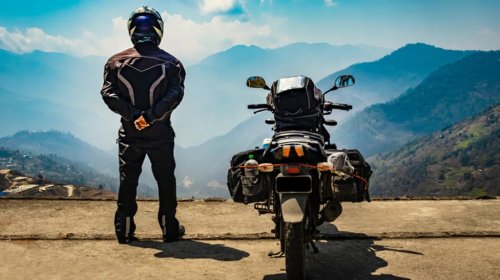
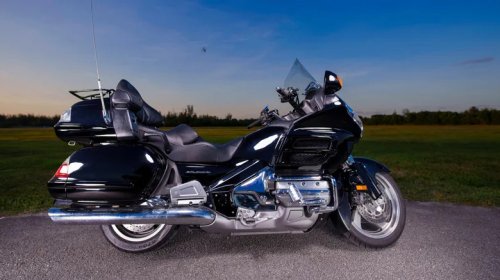
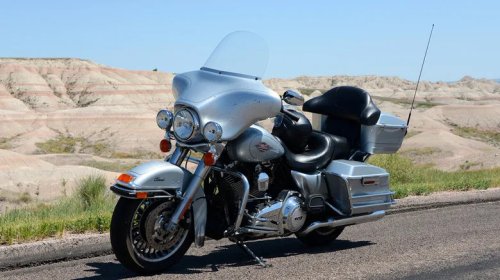
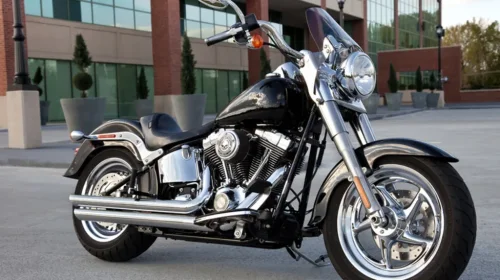
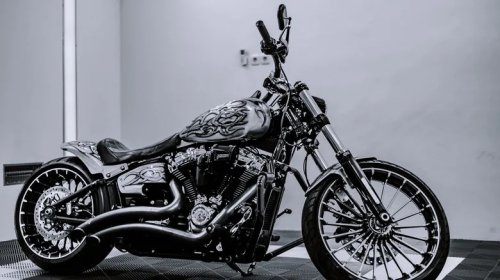
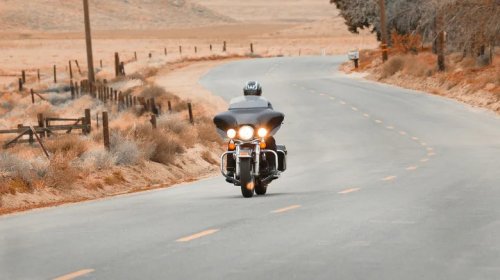
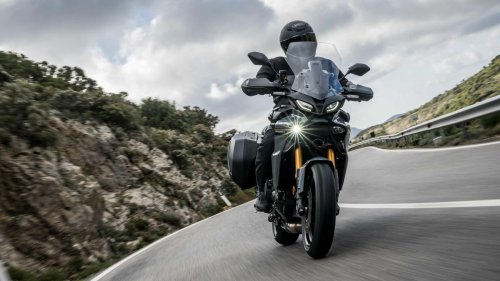
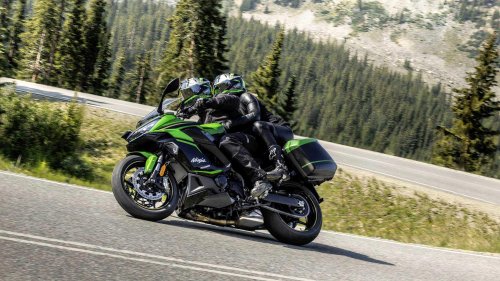
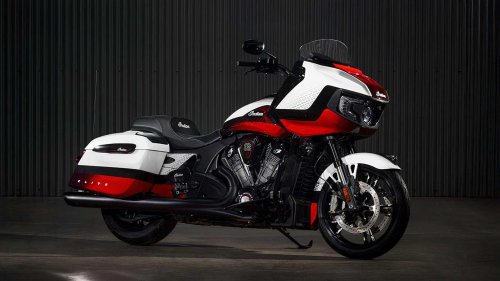
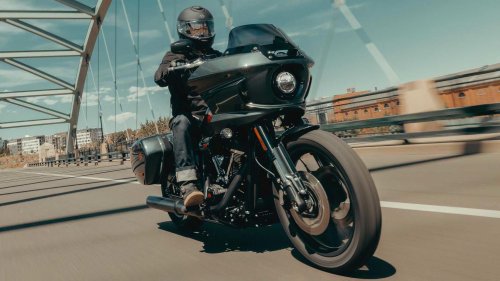
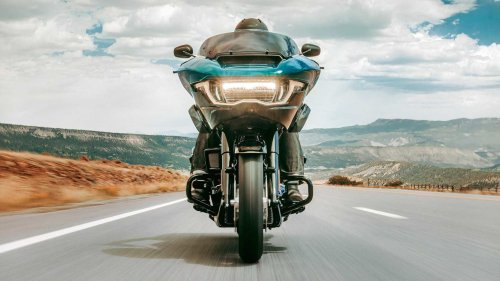
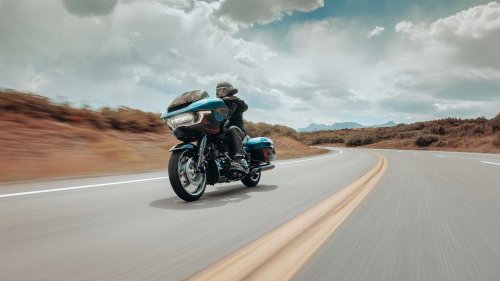
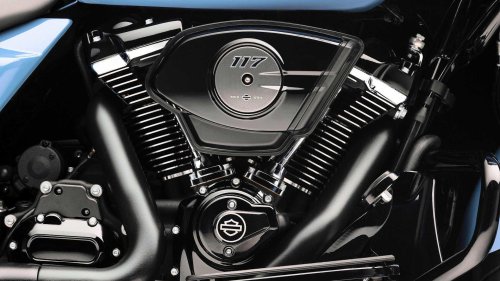
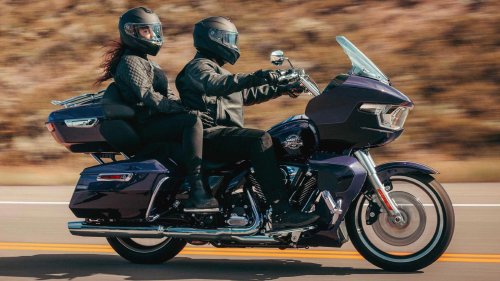
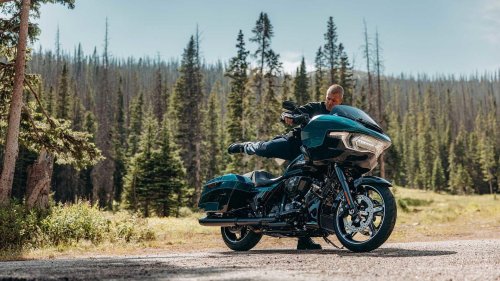
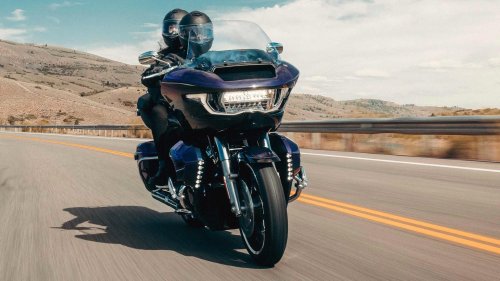
Long-distance touring sounds romantic until wind fatigue, engine buzz, and awkward ergonomics remind you how demanding it really is. The idea of covering hundreds of miles a day feels exciting at first, but once you’re out there for hours, the little things start to stack up. What begins as a smooth cruise can slowly turn into a test of endurance.Hours on the highway can wear you down in ways that short rides never reveal, especially when the bike isn’t designed to keep you comfortable at speed. Subtle vibrations, inconsistent wind protection, and a less-than-ideal riding position can drain your energy before you even realize it. Not every big touring bike is built to make that experience feel easy. Why Some Touring Bikes Still Feel Like Work At Highway Speeds Yamaha Spend enough time riding at 80 miles per hour and you start to notice the cracks. Some bikes feel planted at a glance, but the moment you settle into a long stretch of highway, the constant push of wind, vibration through the bars, and subtle instability begin to add up. What looked like a capable tourer quickly becomes something you have to manage. Wind Buffeting, Engine Fatigue, And Rider Ergonomics Add Up Fast Kawasaki Wind buffeting is one of the biggest culprits. Poorly designed fairings or windscreens don't just let air hit you; they send turbulent air straight to your helmet. That constant shaking drains your focus and energy. Pair that with an engine that feels busy at cruising speeds, and you’re left fighting the bike instead of relaxing into the ride. Ergonomics can make things worse. If the bars are too far forward, the seat too firm, or the foot controls awkwardly placed, your body starts compensating. Small discomforts turn into real fatigue over distance. On paper, the bike may tick all the touring boxes, but on the road, it demands effort just to stay comfortable. Stability Isn’t Just About Weight, It’s About Balance And Design Indian Motorcycle A lot of riders assume weight equals stability, but that’s only part of the story. A heavy bike can still feel unsettled if its mass isn’t distributed well. Chassis geometry, suspension tuning, and aerodynamics all play a role in how planted a motorcycle feels at speed. True stability comes from balance. The way the frame holds the engine, how the suspension reacts to road imperfections, and how the bike slices through air all contribute. When those elements aren’t dialed in, even a large touring machine can feel vague or twitchy when the speed climbs. What It Takes To Make A Bike Feel Truly Effortless At Highway Speeds Harley-Davidson To feel effortless at highway speeds, a motorcycle has to get several key elements working together seamlessly. It starts with aerodynamics. Clean airflow reduces rider fatigue and keeps the bike composed, especially in crosswinds. This isn't just about blocking wind but managing how it moves around the rider.Then there’s power delivery. A proper touring bike shouldn’t feel like it’s working hard at 80 miles per hour. It needs a broad spread of torque that lets the engine sit comfortably in its powerband without constant downshifting. Smooth, predictable throttle response matters just as much as outright output. Finally, chassis and suspension tuning bring everything together. A stable frame paired with well-damped suspension keeps the bike composed over long distances. When done right, the motorcycle feels like it settles into the road, letting you relax instead of constantly making corrections.Getting all these elements right is rare, but one American touring bike has managed to nail the formula in ways that surprise even experienced riders. The Harley-Davidson Road Glide Is Comfortable, Stable, And Effortless At Highway Speeds Harley-Davidson There’s a reason the Harley-Davidson Road Glide has built a reputation among long-distance riders. Everything about it is designed to make sustained highway travel feel natural. It doesn't just survive long rides; it thrives in them, turning hours on the saddle into something you actually look forward to.At the heart of the current model is the Milwaukee-Eight 117 V-twin, delivering around 100 horsepower and 118 pound-feet of torque. That torque arrives low in the rev range, which means effortless acceleration without needing to wring out the engine. At highway speeds, it feels relaxed and almost unbothered.The bike rides on a 49 mm front fork and emulsion rear shocks that are tuned for comfort and control. With a wheelbase of about 64 inches and a rake that favors stability, it tracks straight and true even when the road gets less than perfect. Wet weight comes in at roughly 838 pounds, but it carries that mass in a way that feels surprisingly manageable. Wind Protection Changes Everything At Speed Harley-Davidson One of the defining features is its frame-mounted fairing. Unlike fork-mounted setups, this design keeps the weight off the steering, which dramatically improves stability. The sharknose fairing cuts through wind cleanly, reducing buffeting and keeping airflow consistent around the rider. At highway speeds, that difference is immediately noticeable. Instead of fighting turbulence, you sit in a pocket of relatively calm air. It reduces fatigue in a way that’s hard to appreciate until you’ve experienced both sides. Long highway stretches become far less taxing on your neck and shoulders. Milwaukee-Eight 117 Power Delivers Relaxed, Endless Highway Pull Harley-Davidson The Milwaukee-Eight 117 isn't about peak numbers; it's about how it delivers power. With 118 pound-feet of torque on tap, the bike surges forward with minimal effort. You don't need to downshift to pass or climb; it just pulls, smoothly and predictably. At cruising speeds, the engine feels almost lazy but in a good way. It sits comfortably in its range, with minimal vibration thanks to internal balancing. That relaxed nature translates directly into rider comfort, letting you cover miles without feeling like the bike is working hard. Why The Road Glide Doesn’t Just Cruise, It Dominates Distance Beyond the engine and aerodynamics, it’s the overall setup that makes this bike stand out. The rider triangle is dialed in for long hours, with a supportive seat height around 26.7 inches and controls that feel natural rather than forced. Everything is placed where it should be, reducing strain over time. The suspension plays a huge role as well. The front fork absorbs imperfections without diving excessively, while the rear shocks keep the bike composed under load. Whether you’re riding solo or with a pillion and luggage, it maintains its character and composure. Rider Triangle, Suspension, And Weight Distribution Make It Disappear Beneath You Harley-Davidson Despite weighing over 800 pounds wet, the bike doesn’t feel overwhelming once it’s moving. That's due to how the weight is distributed and how the chassis responds. It feels planted but not sluggish, giving you confidence to keep a steady pace without constant input.Over long distances, that balance makes the bike almost disappear beneath you. Instead of thinking about managing the motorcycle, you focus on the road ahead. That's what separates a good touring bike from a great one: the ability to fade into the background while doing everything right. The Unexpected Reason This Bike Feels Easier The Faster You Go Harley-Davidson What surprises most riders is how the Road Glide seems to settle in as speed increases. At lower speeds, you’re aware of its size and presence. But once you’re on the highway, everything clicks into place. The aerodynamics, chassis, and power delivery all work together to create a sense of ease. That feeling isn’t accidental. It’s the result of careful engineering aimed at real-world riding conditions. The faster you go (within reason), the more stable and composed it feels, turning what could be a tiring experience into something almost effortless. It Delivers Big-Touring Comfort Without Going Full Luxury Price Harley-DavidsonWith a base MSRP starting at $25,999, it hits a sweet spot in thetouring segment. You're getting a full-size, highway-focused machine with modern tech like a large infotainment display, rider modes, cruise control, and advanced safety features without stepping into ultra-premium pricing.For riders who want serious long-distance capability without going all-in on top-tier luxury models, it offers a compelling balance. It proves that comfort, stability, and effortless performance at highway speeds don’t have to come at an extreme cost.Source: Harley-Davidson



















 +19 others
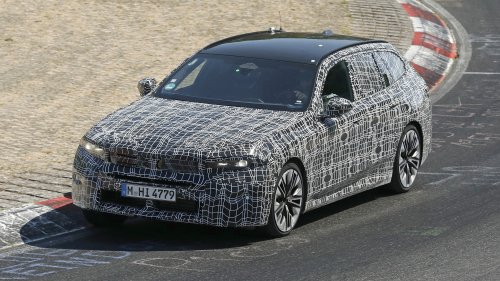
![BMW, BMW i3, Touring, BMW i3 Touring captured on video for the first time [Video]](https://cdn.topcarnews.net/thumb/id/aHR0cHM6Ly9pMC53cC5jb20vZWxlY3Ry-ZWsuY28vd3AtY29udGVudC91cGxvYWRz-L3NpdGVzLzMvMjAyNi8wNy9CTVctaTMt-dG91cmluZy1zcG90dGVkLmpwZWc_dz0x-NTAwJmFtcDtxdWFsaXR5PTgyJmFtcDtz-dHJpcD1hbGwmYW1wO3NzbD0x/87d1e813cfb7391f42f35c0bb8e007c3.jpeg?t=20260926&post_id=57091)
![BMW, BMW i3, Touring, BMW i3 Touring captured on video for the first time [Video]](https://cdn.topcarnews.net/thumb/id/aHR0cHM6Ly9lbGVjdHJlay5jby93cC1j-b250ZW50L3VwbG9hZHMvc2l0ZXMvMy8y-MDI2LzA2L0JNVy1pMy1FVi1GaXJzdC1F-ZGl0aW9uLWludGVyaW9yLmpwZWc/f3fbafb75d427fa84632579ae56d60b7.jpeg?t=20260926&post_id=57091)
![BMW, BMW i3, Touring, BMW i3 Touring captured on video for the first time [Video]](https://cdn.topcarnews.net/thumb/id/aHR0cHM6Ly9lbGVjdHJlay5jby93cC1j-b250ZW50L3VwbG9hZHMvc2l0ZXMvMy8y-MDI2LzA2L0JNVy1pMy1FVi1vcmRlcnMt-b3Blbi5qcGVn/ee056511b8cc2b0f5022977f9adf29a0.jpeg?t=20260926&post_id=57091)