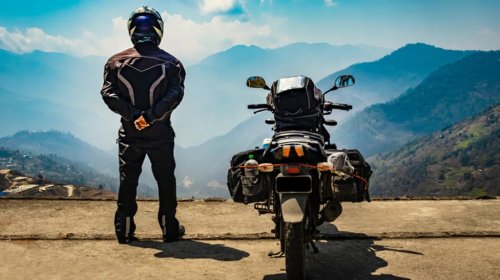
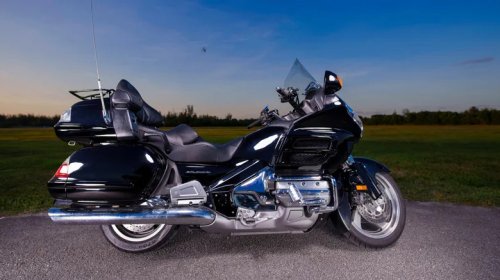
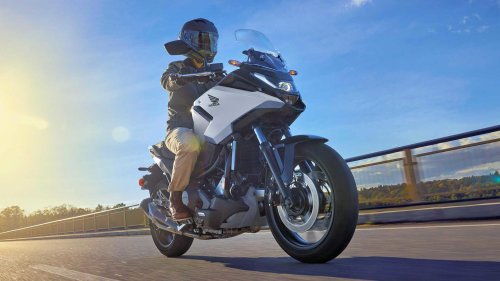
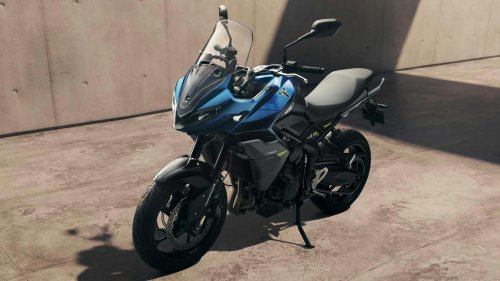
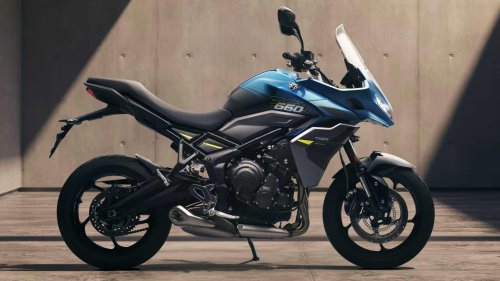
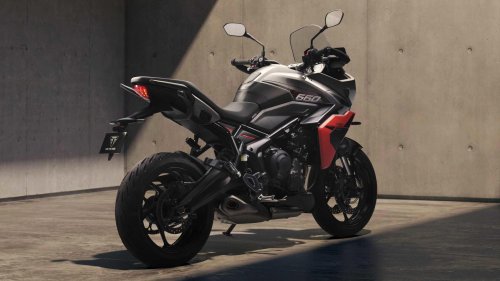
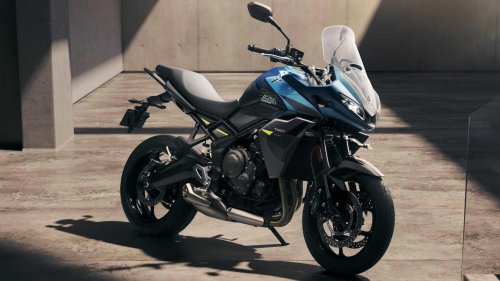
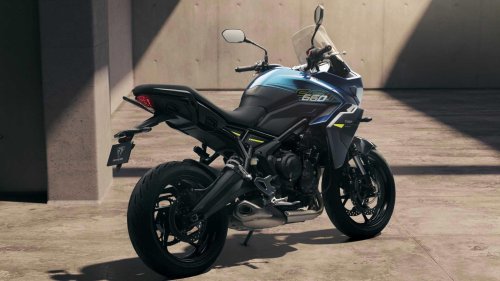
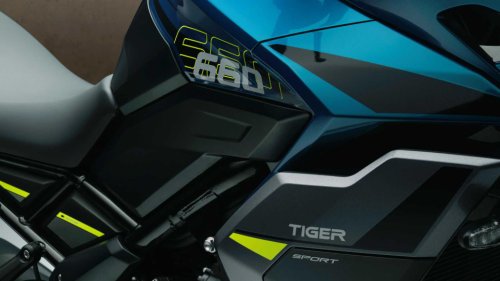
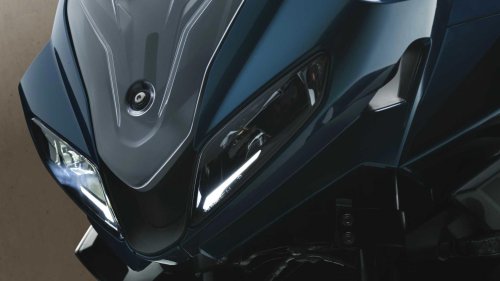
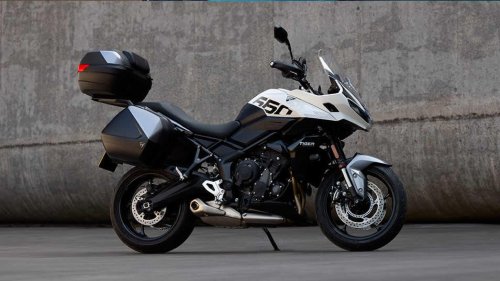
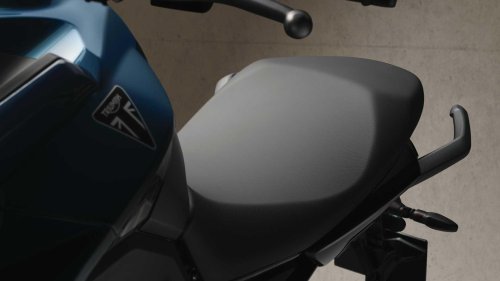
American touring is a broad church. Some riders want a full-dress bagger with a sofa for a seat and a fairing the size of a billboard. Others want a sport-tourer that can slice through weekday traffic without feeling like a freight train. And then there is the adventure-flavored crowd, which has made the touring class even more interesting by pulling in everything from big flagship ADVs to middleweights that can commute, cover miles, and still feel playful when the road gets ugly. That middle ground has become a very serious place to shop.For a lot of Americans, touring on two wheels is less about pose and more about freedom. Long interstates, big state lines, empty back roads, and the occasional mountain detour all reward a bike that can sit at highway pace all day without feeling strained. That is why the touring segment is no longer one single category. It now splits into the adventure-tourer crowd, the lighter, more affordable sport-tourer class, and even the luxury land yacht crowd, who have the means to indulge in luxury. The High-Velocity Reality Of American Touring Honda PowersportsIn Europe, motorway speed limits for motorcycles typically range between 70 and 85 mph, whereas in much of Asia—across a far more varied landscape—two-wheelers are often restricted to around 50 mph on highways and expressways. Meanwhile, in the U.S., the number that really matters is not 50 mph or even 70 mph. It is 80 mph, because that is where a touring bike either settles down and gets on with life or starts to feel busy, buzzy, and mildly annoyed. A bike that feels relaxed at 80 mph earns its keep in America far more than a machine that looks good on a spec sheet but asks for constant attention once the road opens up. The Triumph Tiger Sport 660 Feels Stable And Effortless At 80 MPH Base Price: $10,445 Triumph MotorcyclesTriumph has positioned the Tiger Sport 660 as a genuine disruptor in the middleweight sport-touring space. On the U.S. site, the new Tiger Sport 660 starts from $10,445, which puts it in direct competition with the Honda NC750X DCT ($9,499) and the Kawasaki Versys 650 LT ABS ($10,399). That pricing matters because the Tiger Sport does not arrive as a stripped-down value play; it arrives as a well-equipped, three-cylinder alternative that asks for only a small premium over the Kawasaki and a bit more over the Honda while promising a more polished engine character.The latest 2026 update makes that argument even stronger. Triumph says the revised Tiger Sport 660 now produces 94 horsepower and 50.2 pound-feet, and it also gains a bigger fuel tank along with revised bodywork and chassis tweaks. That is a meaningful jump for a bike that is still meant to feel approachable, not intimidating. It is the kind of update that makes the Tiger Sport look less like an entry-level compromise and more like the sweet spot many riders actually wanted all along. Why The Tiger Sport 660 Defies The “Budget” Label Triumph MotorcyclesPart of the Tiger Sport 660’s charm is that it does not feel like a cheap bike trying to dress up. Triumph’s triple-cylinder layout has long been one of the company’s best tricks, because it sits neatly between the easy-going efficiency of a parallel twin and the silky urgency of a larger inline four. The spec sheet shows a tubular steel perimeter frame, Showa 41mm upside-down forks, a preload-adjustable rear mono-shock, a 23.1-degree rake, and a 55.8-inch wheelbase. That is a proper recipe for stability without turning the bike sluggish or wooden.Triumph Motorcycles In everyday riding, that combination is what lets the Tiger Sport feel like a city bike with a touring passport. It can flick through traffic quickly, then settle into freeway work without drama. It’s agile, handles precisely, and has the ability to remain composed when the pace rises, which is exactly the sort of dual personality a budget tourer needs if it is going to feel genuinely useful rather than merely affordable. The Heart Of The Effortless Cruise The Triple-Cylinder Powerband Triumph MotorcyclesThe new engine tune is really the Tiger Sport 660’s headline act. Triumph says the 2026 update brings 94 horsepower at 11,250 rpm and 50.2 pound-feet at 8,250 rpm, with 80 percent of peak torque available from as low as 3,000 rpm. That is the kind of spread that makes a motorcycle feel willing rather than frantic. It can leap away from lights, roll past slower traffic without a downshift, and keep pulling when the road opens up.That is why the bike feels so good at an American freeway pace. It is fair to say the Tiger Sport would be a joy to cruise at roughly 6,000-to-6,500 rpm at interstate speed, depending on load and conditions. More importantly, it still has overtaking reserve left in hand. It is not loafing, but it is also not strained. That is the difference between merely surviving a long ride and actually feeling at ease on it. Managing The Harmonics Triumph MotorcyclesA triple-cylinder engine always brings a bit of character, and the Tiger Sport 660 is no exception. It does have a little vibration in the midrange, especially when the engine is spun harder, but practically no vibration at motorway speeds and a very calm long-distance demeanor. That is exactly the sort of compromise a good sport-tourer should make: enough pulse to remind you there is a mechanical heart under you, not so much buzz that your hands start asking for mercy after an hour. Showa Suspension Brings Stability Chassis And Suspension Engineering TriumphThe Tiger Sport’s highway manners are not just about the engine. The chassis does a lot of quiet work too. Triumph’s tubular steel perimeter frame, Showa SFF forks, and preload-adjustable rear shock give the bike a planted, disciplined feel, while the 23.1-degree rake and 55.8-inch wheelbase help it track cleanly when crosswinds or truck turbulence try to shove it off the line. On paper, those are small geometry numbers. On the road, they translate into a bike that stays unflustered when the interstate gets messy.Triumph Motorcycles That matters because stability at 80 mph is not just about straight-line calm. It is about how the bike settles after a lane change, how it reacts to imperfect pavement, and how much correction it asks from the rider when a semi passes at close range. The Tiger Sport 660’s combination of moderate rake, sensible wheelbase, and road-biased suspension gives it the sort of tracking confidence that makes long freeway stints feel less like a chore and more like the start of the ride. Long-Distance Amenities On A Middleweight Budget TriumphThe Tiger Sport 660 also looks after the human being in the saddle. Triumph lists a low 32.9-inch seat height, an adjustable windscreen, cruise control, and My Triumph Connectivity on the spec sheet. The riding position is upright and natural, with enough leverage from the bars to reduce fatigue and enough room in the ergonomics to make the bike feel bigger than its displacement suggests. Wind protection and all-day comfort are some of its major strengths, and that is a very good sign for anyone planning to turn the bike into a commuter, a weekend loop machine, or a genuine mileage eater.Triumph Motorcycles The accessories list helps too. Triumph offers items such as heated grips, a twin-helmet top box, a luggage rack, a dual comfort seat, and a roll bag, which means the bike is ready to be turned into a small grand tourer without much effort. That is a nice place to be with a middleweight: you can build it up for trips instead of paying for features you may never fully use. Standard High-Tech Features Triumph MotorcyclesTriumph has also equipped the Tiger Sport 660 with enough standard tech to keep it feeling modern, not bare-bones. The equipment includes Triumph Shift Assist, optimized cornering ABS, traction control, three riding modes, LED lighting, and the My Triumph Connectivity Unit. In other words, the bike gives you the kind of everyday security and convenience that makes touring easier without overcomplicating the experience. A quickshifter on a bike like this is more than a neat extra; it is part of the relaxed rhythm that makes long-distance riding feel lighter in the hands. The New Middleweight Benchmark TriumphThat is really the Tiger Sport 660’s trick. It does not try to win by being the cheapest thing in the showroom, and it does not try to win by being the most powerful. It wins by feeling complete. The triple engine gives it real character, the chassis gives it stability, the ergonomics keep it friendly, and the equipment list makes it easy to live with. At $10,445, it lands in a sweet spot where a rider can get genuine touring ability, modern electronics, and enough polish to make the miles disappear without stepping into liter-bike money.For the rider who wants 80 mph serenity without paying premium-tourer tax, the Tiger Sport 660 makes a very strong case for itself. It is not pretending to be a grand tourer with a giant fairing or a luxury-adventure bruiser with a sky-high spec sheet. It is something more useful than that: a mini-GT with real-world manners, honest comfort, and just enough attitude to keep the ride interesting. In a market full of bikes that ask you to choose between value and refinement, this one manages to offer both.Sources: Triumph



















 +49 others
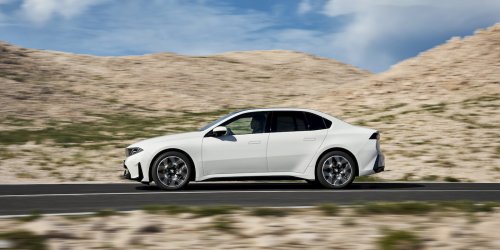
![BMW, BMW i3, Touring, BMW i3 Touring captured on video for the first time [Video]](https://cdn.topcarnews.net/thumb/id/aHR0cHM6Ly9pMC53cC5jb20vZWxlY3Ry-ZWsuY28vd3AtY29udGVudC91cGxvYWRz-L3NpdGVzLzMvMjAyNi8wNy9CTVctaTMt-dG91cmluZy1zcG90dGVkLmpwZWc_dz0x-NTAwJmFtcDtxdWFsaXR5PTgyJmFtcDtz-dHJpcD1hbGwmYW1wO3NzbD0x/87d1e813cfb7391f42f35c0bb8e007c3.jpeg?t=20260926&post_id=57091)
![BMW, BMW i3, Touring, BMW i3 Touring captured on video for the first time [Video]](https://cdn.topcarnews.net/thumb/id/aHR0cHM6Ly9lbGVjdHJlay5jby93cC1j-b250ZW50L3VwbG9hZHMvc2l0ZXMvMy8y-MDI2LzA2L0JNVy1pMy1FVi1GaXJzdC1F-ZGl0aW9uLWludGVyaW9yLmpwZWc/f3fbafb75d427fa84632579ae56d60b7.jpeg?t=20260926&post_id=57091)
![BMW, BMW i3, Touring, BMW i3 Touring captured on video for the first time [Video]](https://cdn.topcarnews.net/thumb/id/aHR0cHM6Ly9lbGVjdHJlay5jby93cC1j-b250ZW50L3VwbG9hZHMvc2l0ZXMvMy8y-MDI2LzA2L0JNVy1pMy1FVi1vcmRlcnMt-b3Blbi5qcGVn/ee056511b8cc2b0f5022977f9adf29a0.jpeg?t=20260926&post_id=57091)