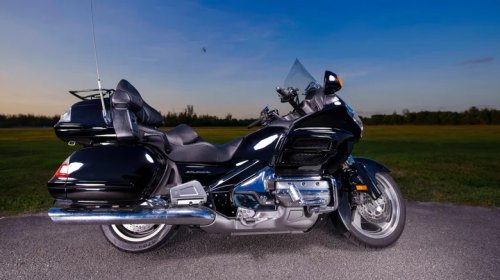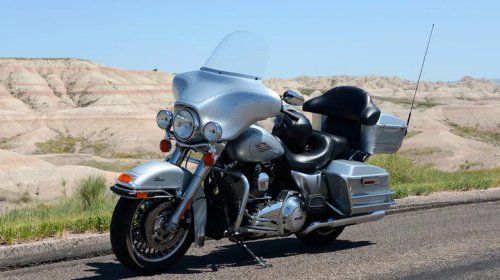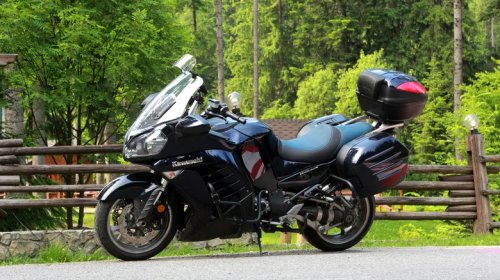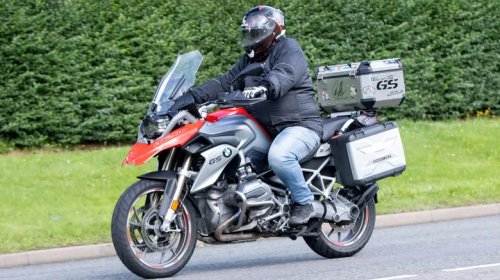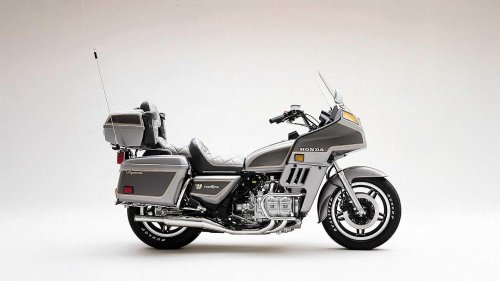
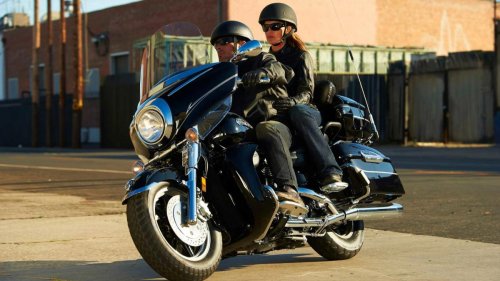
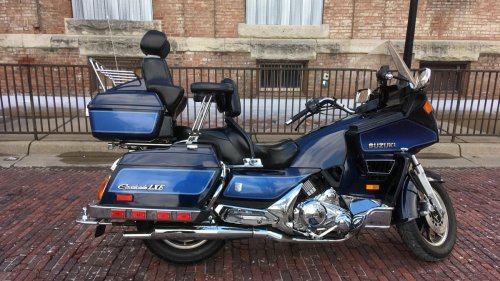
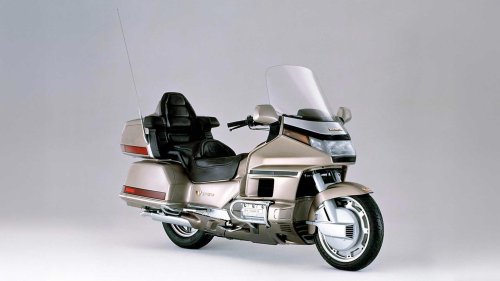
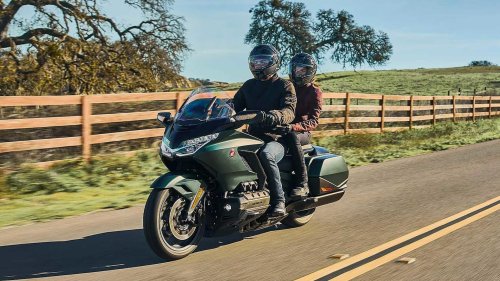
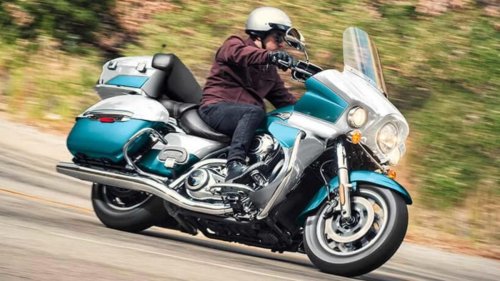
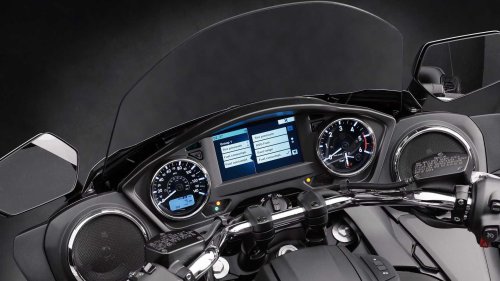
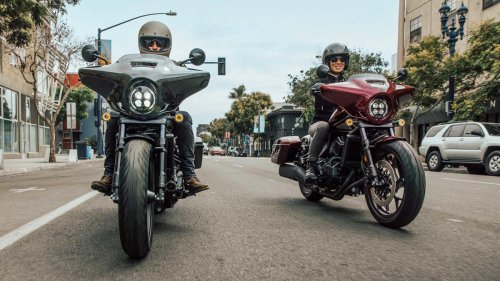

















Japanese motorcycles typically bring to mind either indestructible commuter bikes or dependable sport bikes. Touring motorcycles capable of competing with Harley-Davidson and Indian rarely enter the conversation. The assumption that Japanese manufacturers would avoid challenging American brands in their strongest segment seems reasonable.Yet the touring market offers substantial profit margins, both from the motorcycles themselves and the accessories that owners frequently purchase. Japanese manufacturers recognized this opportunity and developed competitive products. Following a familiar pattern, they produced motorcycles that matched or exceeded American offerings in capability and reliability. These eight examples illustrate how effectively they succeeded. Honda GL 1100 Gold Wing Interstate Years of production: 1980-1983 HondaBack in the 70s, there wasn’t a serious competitor to the large American touring bikes. Honda changed that by slapping on a frame-mounted fairing on the GL 1100 Gold Wing to make a version called the Interstate--the first Japanese factory full-faired tourer ever. It had luxuries like waterproof luggage, a lockable compartment in the fairing, adjustable fairing air vents, and a long accessories list that is standard on Gold Wings today but was unique back then. On the accessories list was an AM/FM radio player, and a taller windscreen. The front forks were stiction-free and air-damped, and the Gold Wing Interstate had one of the earliest forms of a steering damper that we have heard of – a six-pound weight attached to the fork tubes. Yamaha Royal Star Venture Years of production: 1983-1993, 1999-2013 YamahaYamaha had a great V4 engine powering a cruiser in the form of the V-Max, and it was only a short leap from that to a tourer. The first generation Royal Star Venture was more of a sport tourer, but with the second generation, Yamaha decided to make it more along the lines of a traditional tourer. It wasn’t short on performance, of course, but the number of features was exceptional. The suspension had air damping, with adjustable rear preload.The engine had four carburetors, one for each cylinder, and each carb had its own heater, to deliver consistent performance even when temperatures would dip. Today, manufacturers list ‘self-canceling indicators’ as a premium feature but the Royal Star Venture had them in 1999. Oh, and if you’re a music fan, there was a port for an MP3 player, and you could even get your own Star-branded iPod. Suzuki GV1400 Cavalcade Years of production: 1985 – 1988 Dbfruth on Wikimedia CommonsThe Suzuki GV 1400 Cavalcade was the luxury tourer with the biggest everything in 1985, no exceptions. It even had the biggest Japanese motorcycle engine at launch. The base model had regular suspension and no radio. However, upgrade to the top-spec model, and you got, among other things: automatic rear leveling air suspension, air damping for front shocks that you could refill with a regular tire pump, adjustable handlebars, and windshield, electronic cruise control, handlebar-mounted radio controls, and speed-compensated volume for the radio.The top case had an interior light and vanity mirror, and it could adjust front to back for passenger comfort. Speaking of passenger comfort, there were adjustable passenger footboards, air-adjustable cushions, passenger headrests, and volume/balance controls for the rear speakers. In three short years, the Cavalcade was pulled off sale in North America, although it was available in Europe until 1991. Honda Gold Wing GL 1500 Years of production: 1987-2000 HondaThe GL 1500 Gold Wing is the genesis of the Gold Wing as we know it today. It was the first flat-six engine in the Gold Wing, and it was a response to the bigger, more powerful engines that were making their presence felt in the segment. This had a few firsts for a Gold Wing: only two carburetors supplied the engine, the ‘reverse gear’ made its debut, and it might not have been the fastest tourer, but Honda certainly met its targeting of giving the rider the feeling of wafting along with impressive power available at the right wrist. This is also the Gold Wing that spawned the F6C Valkyrie and the first Rune. Honda Gold Wing GL 1800 Years of production: 2001 onward HondaWe move on from one Gold Wing to another: the next generation Gold Wing established itself as a segment unto itself, and over the decades and generations has added more luxury and comfort. The current generation Gold Wing is lighter, offers a more compact riding position so it can appeal to a wider audience, and offers the only dual-clutch automatic gearbox in the segment. The front suspension has changed to a double wishbone setup, the styling makes it look considerably more compact than it used to, and the new dimensions and lighter weight have made it sportier than before. Kawasaki Vulcan 1700 Voyager Years of production: 2006 onward KawasakiThe Vulcan 1700 Voyager isn’t the largest displacement motorcycle that Kawasaki has made. But it certainly is the largest displacement tourer it has made. It follows the American format to the T – a narrow-angle v-twin engine with liquid-cooled heads and air-cooled cylinders, a frame-mounted fairing, hard luggage, and a throne for the passenger. It also offers a dollop of tech in the form of electronic cruise control, and Kawasaki’s linked K-ACT linked braking system with ABS. Though long in the tooth, it is still on sale today, 16 years after the debut of the Vulcan 1700. Yamaha Star Venture Years of production: 2017-2020 YamahaThis was Yamaha’s answer for anyone who wanted the pinnacle of luxury touring on two wheels. Yamaha built an all-new V-twin engine with liquid cooling and pushrod-operated valves to give it the authentic V-twin look. Unlike most large cruisers, Yamaha chose to give it a six-speed gearbox and a by-wire throttle controlled the immense torque of the engine. First belt drive, and then the shaft drive, sent power to the rear wheel. A small electric motor allowed the rider to move the Venture both forward and backward at walking speeds.It had a color TFT touchscreen display, the music control allowed the pillion to play audio from a different source, the pillion could also set seat heating differently from the rider, and linked brakes with ABS were present. Its price at launch was $24,999 to $26,999, and the sales target was 2,500 units per year. Sadly, sales of the Star Venture never grew enough for Yamaha to retain it in its lineup, and it fell victim to Yamaha’s consolidation of its two-wheeler model lines in 2020, just three years after it launched. Honda Rebel 1100T DCT Years of production: 2023 onward HondaThere is no dearth of middleweight cruisers in the market today. Every brand in the cruiser market has representation because the middleweight cruiser is at that happy crossroads where its appeal is the widest. The middleweight cruiser works for the learner who is upgrading, the occasional rider who doesn’t want to spend too much on a motorcycle, and the almost-retired biker who wants something manageable to extend his riding time.The Rebel 1100 utilizes these needs perfectly by putting the Africa Twin engine and transmission to good use. The engine is detuned to offer a lot more torque and lower down in the rev range, and the dual clutch automatic transmission will make the riding experience better for everyone but the hardcore purist. It remains the only true automatic offering in its segment, and is a good-handling motorcycle with great reliability. The combination of which should keep it head and shoulders above the rest for a while yet.