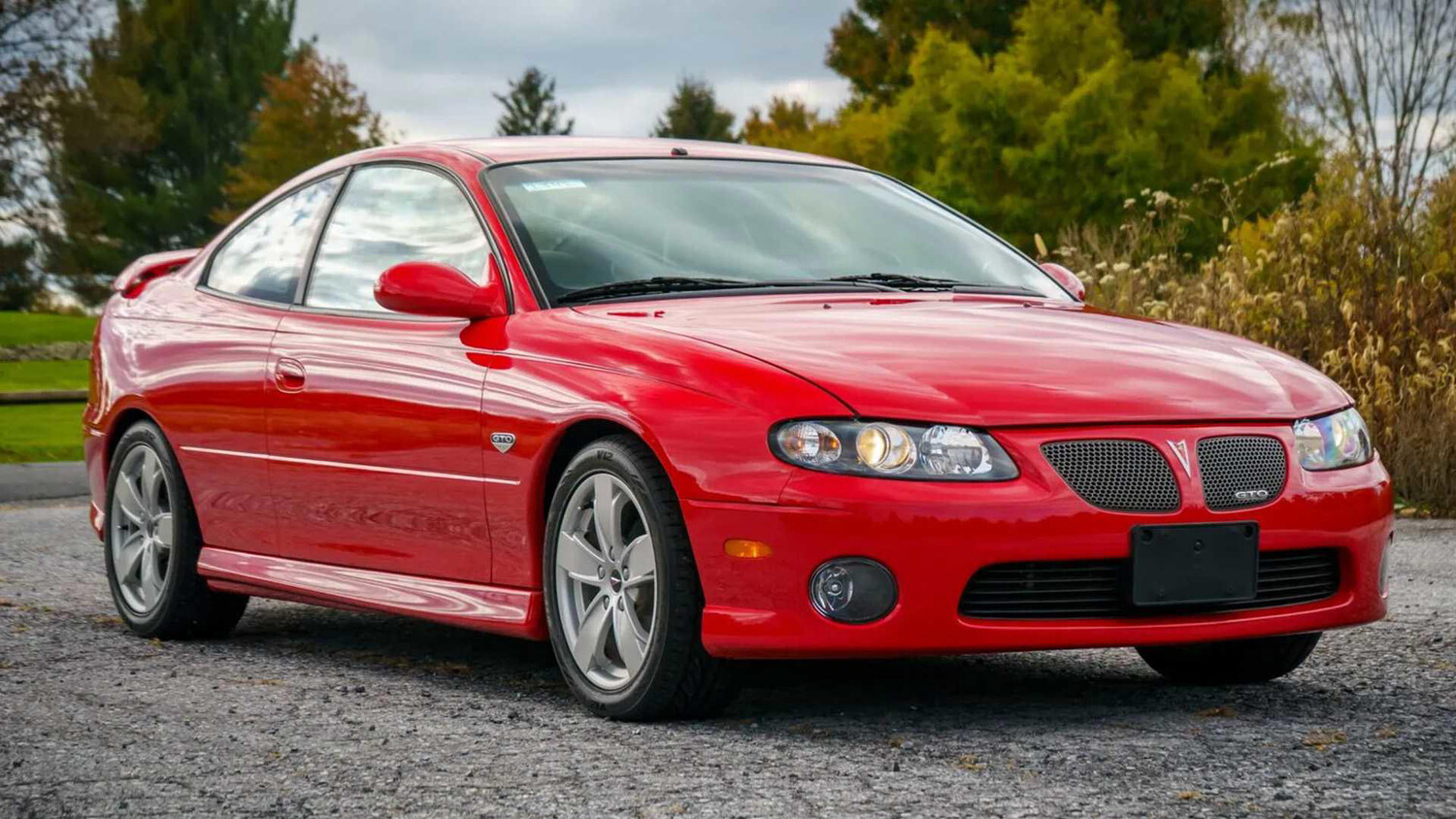
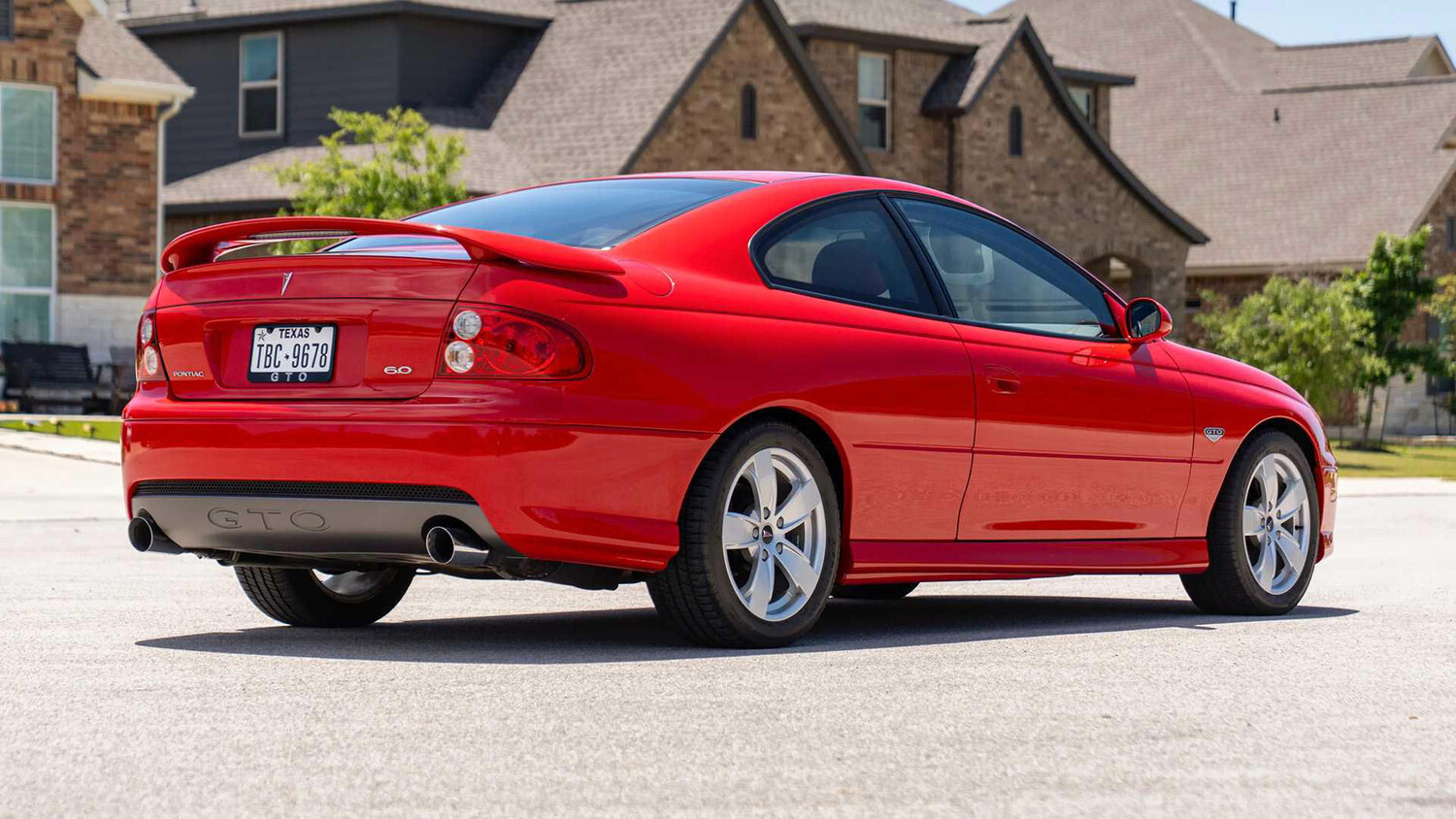
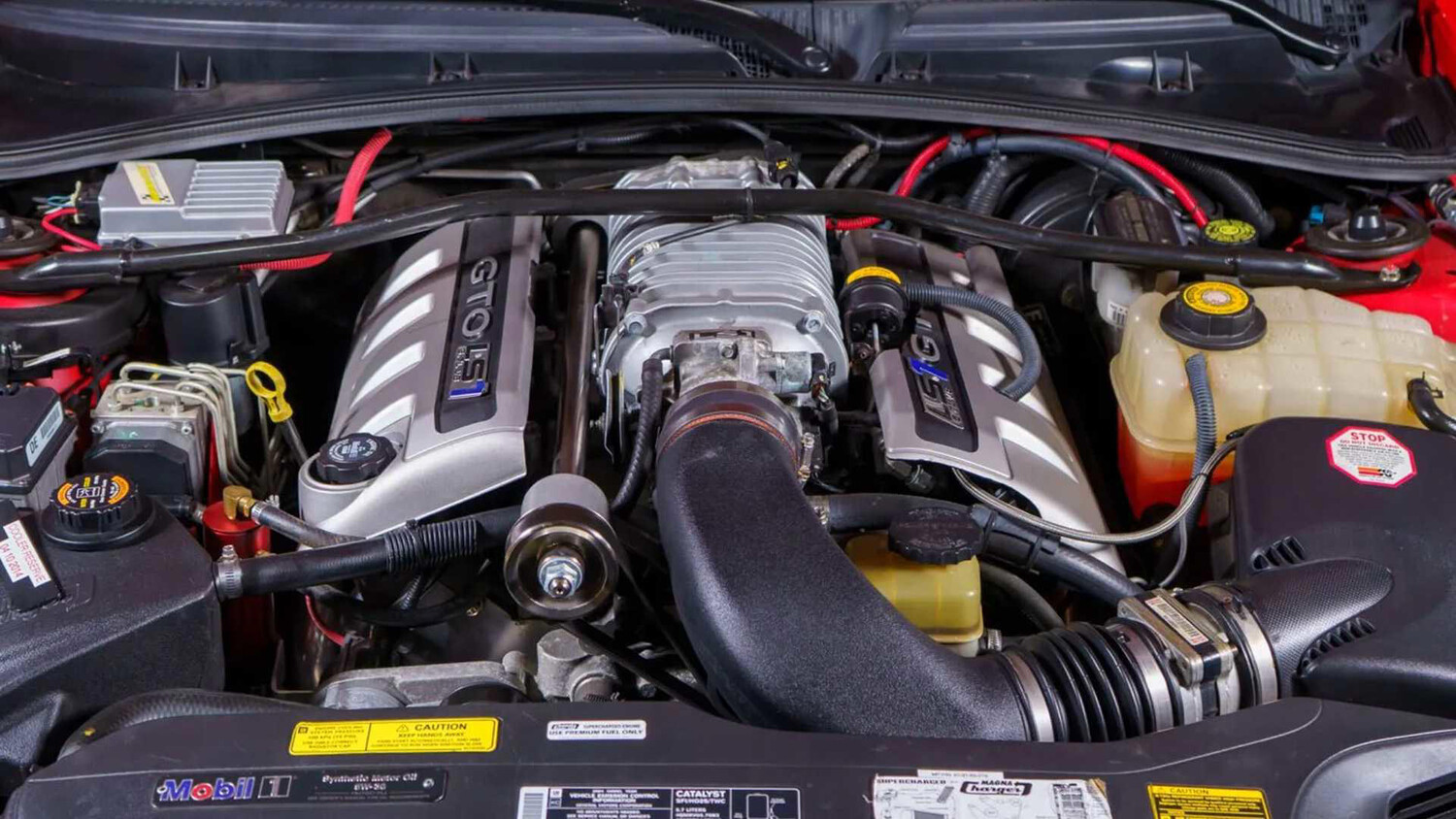
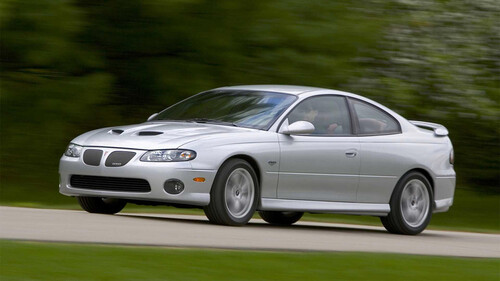
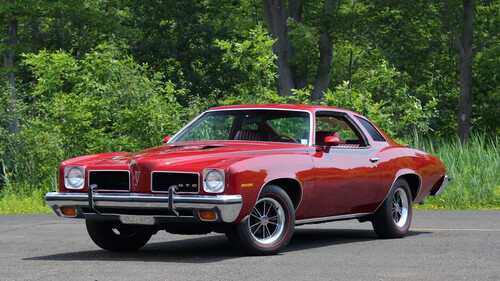
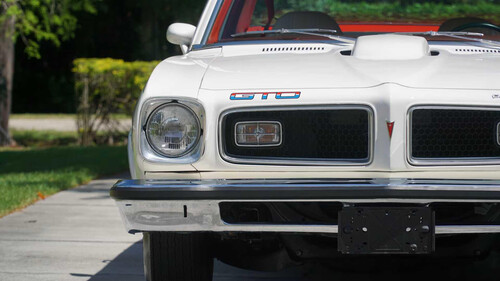
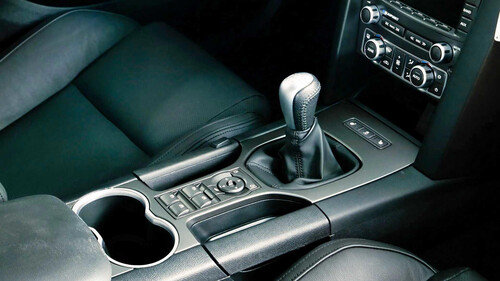
When Pontiac announced the return of the GTO for the 2004 model year, expectations were sky-high.The original GTO helped kick off the muscle car era in the 1960s, so bringing the badge back meant more than just launching another coupe. Enthusiasts expected something dramatic, maybe even a modern interpretation of the classic formula that made the name famous in the first place. However, what Pontiac delivered looked very different.The new GTO arrived with a clean, rounded design that felt surprisingly restrained. It didn’t wear giant hood scoops, aggressive stripes, or retro styling, trying to mimic the past. At a glance, it looked like a fairly simple two-door coupe that blended in with traffic, and that was its superpower.That understated appearance turned out to be misleading. Because once Pontiac installed a 6.0-liter LS2 V8 producing 400 horsepower for the 2005 model year, the car suddenly became one of the quickest American coupes on the road. It just happened to hide that performance behind styling that gave almost nothing away. Pontiac Revived The GTO With Australian Engineering Bring a TrailerOne of the most interesting parts of the modern GTO story is where the car actually came from. Instead of building a completely new platform in the United States, Pontiac turned to Holden, General Motors’ Australian division. Holden had already developed a rear-wheel-drive coupe called the Monaro, and it provided the perfect foundation.The Monaro platform offered exactly what Pontiac needed. It was modern, well-engineered, and already designed to handle some hefty V8 power. That allowed Pontiac to revive the GTO name quickly while still delivering the kind of performance buyers expected from a muscle car. It was the right situation for both Pontiac and Holden, giving the GTO a little head start.Bring a TrailerProduction took place in Australia, with the cars then shipped to the United States. The GTO shared its core architecture with the Holden Monaro and later the Vauxhall Monaro sold in Europe. While the idea of an American muscle car built overseas raised a few eyebrows at the time, the underlying engineering proved to be excellent.The chassis delivered strong rigidity and surprisingly balanced handling, which helped the GTO stand apart from many traditional muscle cars. Instead of focusing only on straight-line speed, the car also felt composed on winding roads, giving it a more refined personality than some of its rivals.Pontiac offered the modern GTO from 2004 through 2006. It never reached the sales numbers the brand hoped for, but over time, the car developed a loyal following among enthusiasts who appreciated what Pontiac had actually built.Fun Fact: Early internal discussions considered selling the car in the U.S. as the Pontiac Monaro, the same name used in Australia. The LS2 V8 Delivered A Wild 400 Horsepower The real turning point for the modern GTO arrived in 2005. Pontiac replaced the earlier LS1 engine with a larger and more powerful 6.0-liter LS2 V8, and the upgrade transformed the car completely. The LS2 was part of GM’s legendary LS engine family, which powered some of the company’s most important performance vehicles in the early 2000s. It used an aluminum block, modern fuel injection, and the same compact pushrod design that had made GM small-block V8s famous for decades.In the GTO, the engine produced 400 horsepower and 400 lb-ft of torque, a big jump over the earlier LS1-powered version. The added displacement and improved breathing gave the car stronger acceleration throughout the rev range. The numbers placed it firmly among the most powerful American coupes of its time.Bring a TrailerBuyers could choose between a six-speed manual transmission or a four-speed automatic, both sending power to the rear wheels. The manual version quickly became the enthusiast favorite because it allowed drivers to fully experience the LS2’s broad torque and quick throttle response. For a car that looked so restrained, those numbers were impressive. The GTO suddenly had the kind of power that could surprise far more aggressive-looking performance cars. It was the perfect recipe for a sleeper.Fun Fact: When Pontiac ended production in 2006, the modern GTO became the final car to wear the legendary badge before the brand shut down a few years later. 2005–2006 Pontiac GTO Specifications Performance Rivaled Much Flashier Muscle Cars Once the LS2 arrived, the GTO delivered performance that caught a lot of people off guard. Independent testing at the time recorded 0–60 mph runs around 4.6 seconds, which placed the coupe firmly in performance territory. Quarter-mile times in the low 13-second range confirmed just how capable the car was. Those numbers allowed the GTO to run alongside many of the most respected American performance cars on the road.Bring a TrailerWhat made the experience even more interesting was how balanced the car felt. The GTO handled corners with a level of confidence that many traditional muscle cars struggled to match. Instead of feeling like a straight-line specialist, the car delivered a much more complete driving experience.Fun Fact: Pontiac evaluated a convertible version of the modern GTO, but the idea never reached production. Styling That Hid The Performance MecumThe biggest criticism the modern GTO faced during its short production run was its styling. Many enthusiasts expected Pontiac to launch a bold retro design inspired by the original 1960s GTO. By the early 2000s, retro styling was already becoming popular in the muscle car world. Pontiac chose a very different direction, which some might argue was the wrong choice. Instead of dramatically reshaping the car, the company kept the Monaro’s clean and understated design. The result was a coupe that looked far more restrained than most American performance cars of the time.Bring a TrailerThere were no oversized hood scoops, no racing stripes, and no dramatic aerodynamic pieces announcing the car’s performance. From the outside, the GTO appeared almost conservative compared with rivals that relied heavily on aggressive styling to make an impression.Ironically, that design decision is exactly what makes the car so appealing today. The subtle exterior allows it to hide performance in plain sight. Few people expect a coupe that looks this simple to produce 400 horsepower, but that was kind of the point. It did produce 400 horsepower while looking a bit like your grandma's daily driver. No shade to your grandma. Enthusiasts Eventually Recognized Its Potential Cars & BidsOver time, the modern GTO began to receive the appreciation it never fully enjoyed when it was new. As enthusiasts spent more time with the car, its strengths became easier to recognize. The LS-series V8 proved extremely durable and incredibly responsive to performance upgrades. Because the LS architecture was used across many GM performance vehicles, owners had access to a huge aftermarket of parts developed for cars like the Corvette and Camaro.That compatibility made the GTO an excellent platform for tuning. With relatively simple upgrades, owners could unlock even more performance from the already capable LS2 engine.MecumProduction numbers also remained fairly limited. Across the 2004 to 2006 model years, Pontiac built just over 40,000 examples, which means surviving cars are becoming increasingly interesting to collectors. Pontiac didn’t build the revived GTO for very long, and production numbers stayed relatively modest throughout its short three-year run.Auction results show these coupes are gaining attention, with Bring a Trailer sales ranging from roughly $10,000 to $28,000, while Classic.com lists an average market value just over $21,000.Today, the revived GTO occupies a unique place in American performance history. It may not have arrived with the dramatic styling many fans expected, but it delivered exactly what mattered most: V8 power and performance that could surprise far flashier rivals. And in the end, that’s exactly what a great sleeper car is supposed to do.