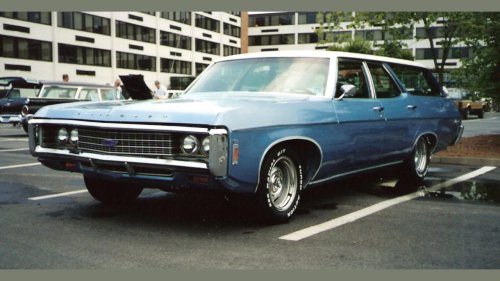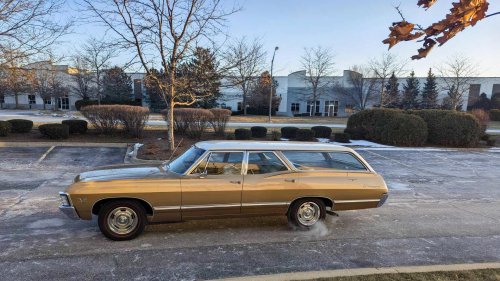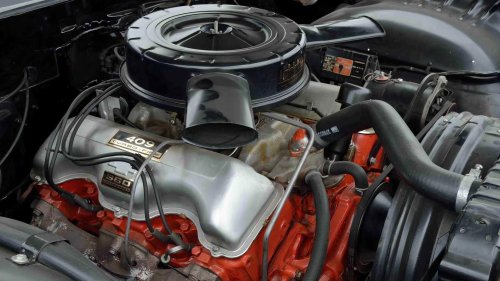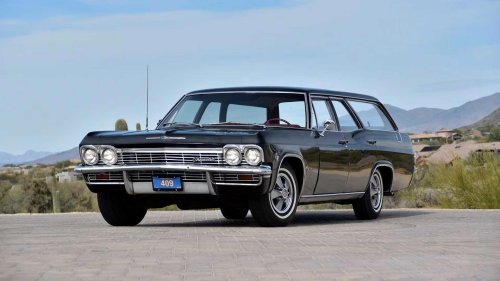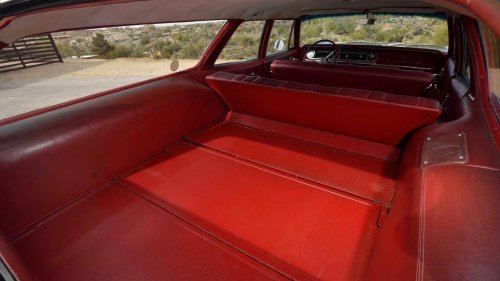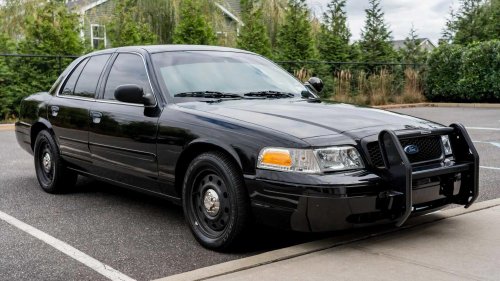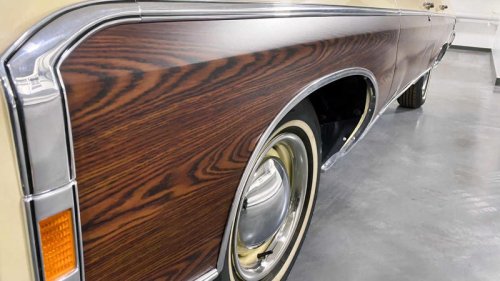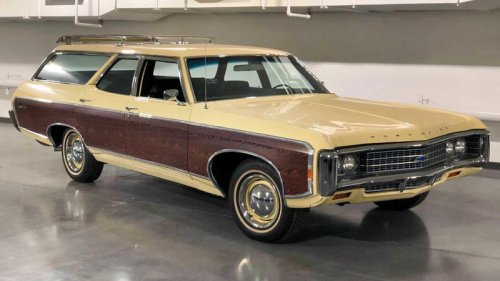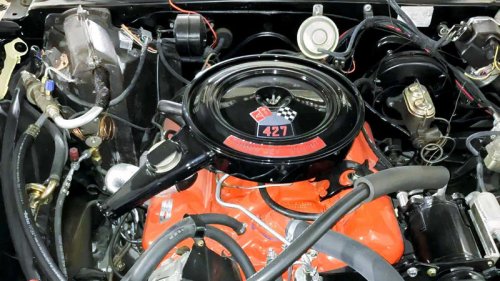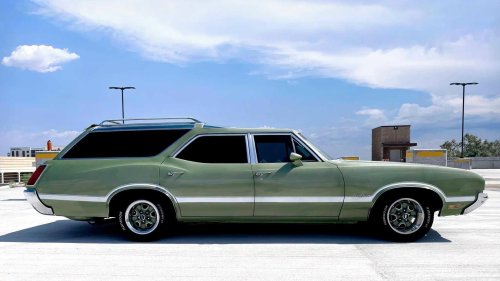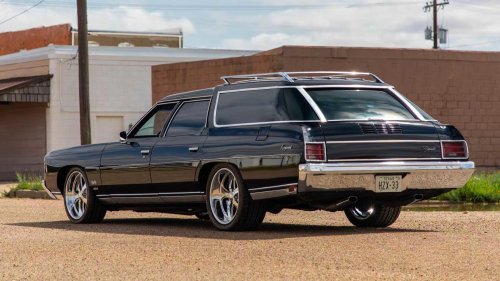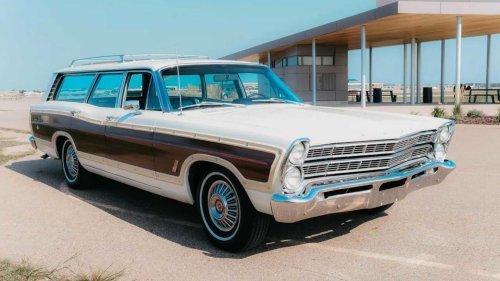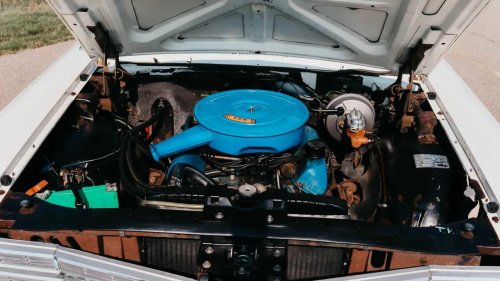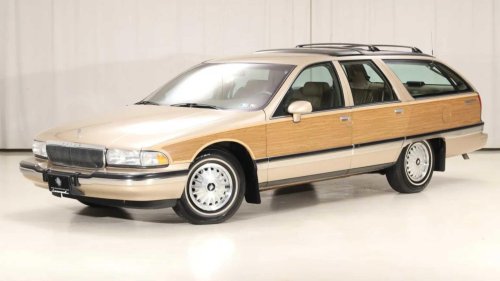
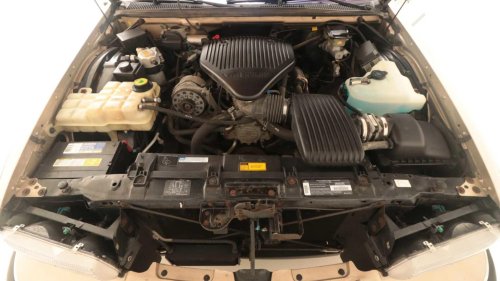
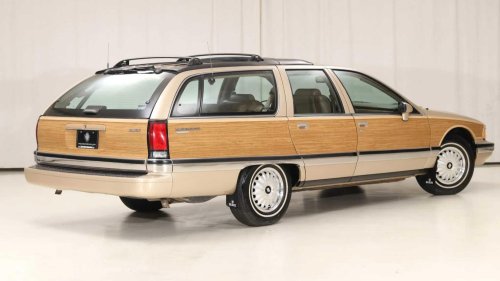
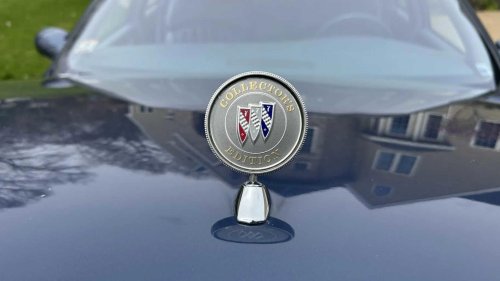
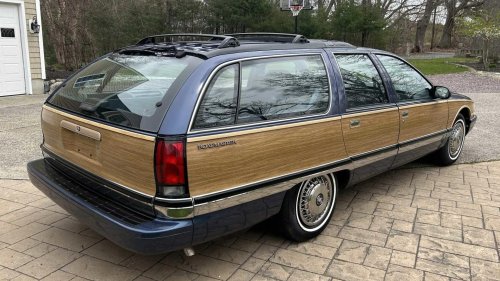
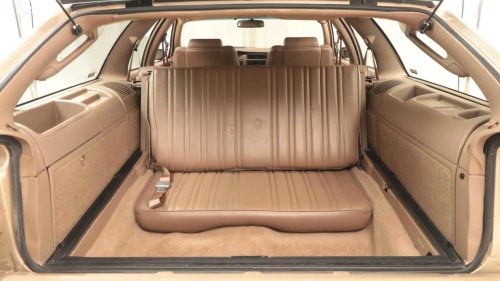
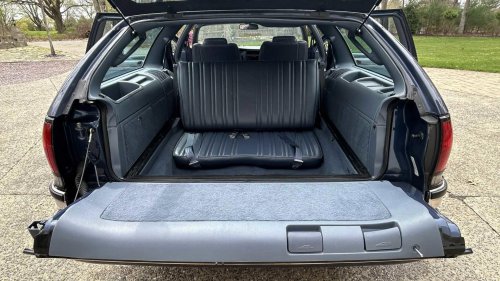
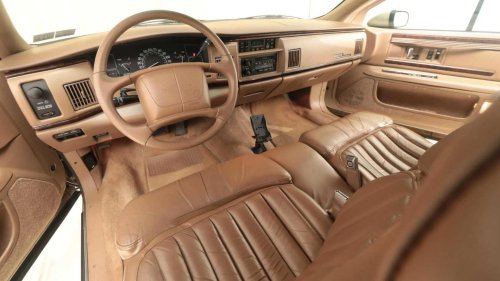



















In the 1990s, the performance hierarchy felt pretty straightforward. If you wanted something quick, you bought a Mustang, Camaro, or Corvette. Station wagons had an entirely different job. They carried kids to school, hauled luggage for family road trips, and spent most of their time parked in suburban driveways. There was nothing wrong with that, but Buick decided to build one that could keep a muscle car nut in touch with their roots.From the outside, this vehicle looked exactly like what buyers expected from a full-size American wagon. It was huge, rode on a traditional body-on-frame platform, and offered seating for up to eight passengers. Many examples even wore the faux wood paneling that had defined family wagons for decades. Under the hood, however, was an engine closely related to the one powering the Chevy Corvette at the time. That single decision transformed a suburban grocery getter into one of the most unlikely sleepers of the decade. Buick Installed Corvette DNA In A Family Wagon And Called It The Roadmaster Estate Wagon Bring a TrailerMeet the Buick Roadmaster Estate Wagon. When General Motors updated its full-size B-body lineup for the 1994 model year, Buick gave the Roadmaster a powertrain that most buyers would never have expected to find in a luxury wagon. The company installed the 5.7-liter LT1 V8, an engine already used in several of GM’s performance vehicles during the 1990s.The version used in the Roadmaster was tuned slightly differently from the Corvette’s application, but the core design remained the same. The LT1 featured aluminum cylinder heads, sequential fuel injection, and the kind of torque delivery that made the engine a standout in GM’s lineup. And someone at Buick said, "That's the perfect engine for our station wagon."Bring a TrailerIn Roadmaster form, the V8 produced 260 horsepower and 330 lb-ft of torque, which was more than enough power for a full-size wagon designed primarily for comfort and practicality. Paired with rear-wheel drive and a durable four-speed automatic transmission, the drivetrain gave the car performance that most people simply didn’t expect from a family hauler. Most buyers saw a comfortable long-roof Buick, but it was way cooler than that.Fun Fact: The LT1 in the Roadmaster was closely related to the engine used in the Chevrolet Caprice police car, one of the fastest patrol cars of the 1990s. This Was A Massive Wagon With Crazy Performance Bring a TrailerDespite its enormous size, the Roadmaster Estate delivered performance that surprised many drivers who assumed it would behave like a traditional luxury wagon. Independent road tests during the 1990s recorded 0–60 mph times of around 7 seconds, placing it in league with performance cars of the era. Who would have suspected a wood-paneled wagon from Buick to have such power?The secret was torque. The LT1 produced a strong low-end pull, allowing the wagon to accelerate without needing to rev aggressively. Instead of relying on high engine speeds, the Roadmaster simply leaned on its displacement and sheer grunt to move its large body forward.Rear-wheel drive also helped the wagon put that power to the pavement more effectively than many front-wheel-drive family cars of the time. The combination created a vehicle that felt astonishingly quick in everyday driving situations. Drivers who underestimated the Roadmaster often discovered that the big Buick was capable of far more than its appearance suggested.Fun Fact: Road tests showed the wagon could reach 60 mph in about seven seconds, quicker than several V6 sports cars of the era. 1994–1996 Buick Roadmaster Estate Specifications Bring a Trailer It Looked Like A Typical Suburban Grocery Getter Bring a TrailerPart of what made the Roadmaster Estate so entertaining was how ordinary it appeared. The wagon followed the traditional formula for American family vehicles, with a long roofline, large windows, and enormous interior space designed for comfort rather than performance.Inside, the focus was entirely on practicality. Three rows of seating allowed the Roadmaster to carry up to eight passengers. The folding rear seats created a cargo area large enough for everything from camping gear to home improvement projects.Bring a TrailerMany models also featured the simulated wood paneling that had become synonymous with American station wagons. The styling reinforced the car’s family-friendly identity and helped it blend seamlessly into suburban neighborhoods. Nothing about the wagon’s appearance hinted that it shared its engine architecture with one of America’s most famous sports cars.Fun Fact: The 1996 Roadmaster Estate was one of the final body-on-frame station wagons sold in America. The Roadmaster Wagon Became A Sleeper Legend As enthusiasts began to recognize what Buick had built, the Roadmaster Estate gradually developed a reputation as one of the great sleeper vehicles of the 1990s.. The combination of the LT1 V8 and rear-wheel drive created a platform that responded well to performance modifications and upgrades.Because the engine shared its basic architecture with other GM performance vehicles, owners could tap into a wide aftermarket originally developed for cars like the Camaro and Corvette. That compatibility made it relatively easy to extract even more performance from the already capable wagon.Bring a TrailerSome owners transformed their family haulers into legitimately quick machines while retaining the comfortable interior and enormous cargo capacity that made the Roadmaster appealing in the first place. The contrast between the car’s appearance and its potential became part of its charm. Why Buick’s LT1 Wagon Is Still Remembered Today Bring a TrailerThe Buick Roadmaster Estate arrived during the final years of the traditional American station wagon. By the late 1990s, SUVs were beginning to take over the role that they had filled for decades, and large rear-wheel-drive family wagons gradually disappeared from showrooms. Auction results show the wagon’s sleeper reputation is gaining attention, with examples selling from around $9,000 to more than $23,000 on Bring a Trailer, depending on mileage and condition.That change makes the Roadmaster Estate feel even more distinctive today. It combined full-size wagon practicality, rear-wheel drive, and a powerful V8 engine at a moment when the automotive market was beginning to move in a very different direction.For enthusiasts, that combination created something memorable. The Roadmaster could carry an entire family, swallow enormous amounts of cargo, and still deliver performance that surprised drivers expecting a slow-moving behemoth. It remains one of the most entertaining sleeper vehicles of its era, proof that sometimes the most unassuming cars can deliver the biggest surprises.Sources: Bring a Trailer, Mecum Auctions, Classic.com, Cars and Bids, Hagerty, Automobile Magazine Archives, General Motors Heritage Center