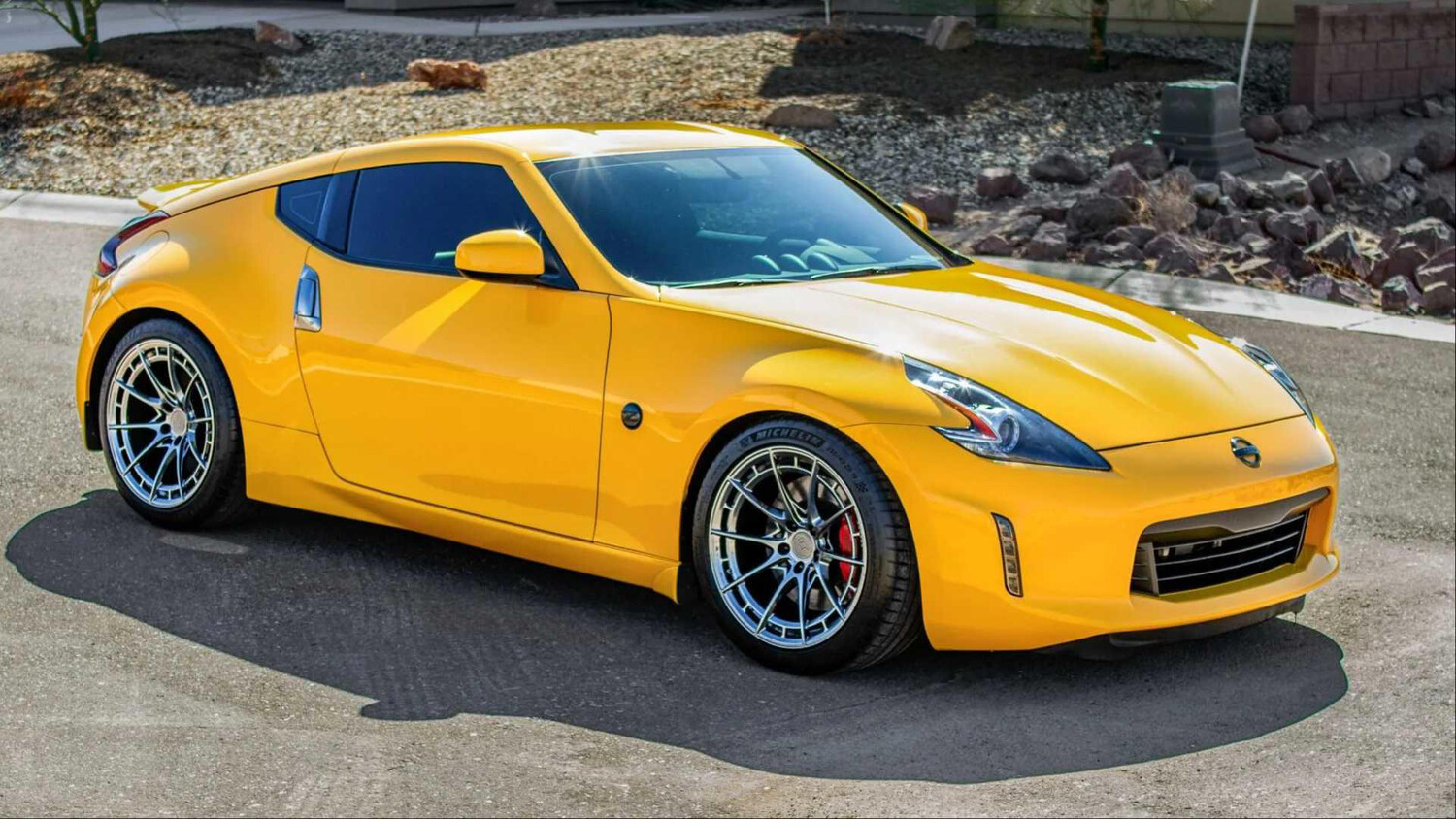
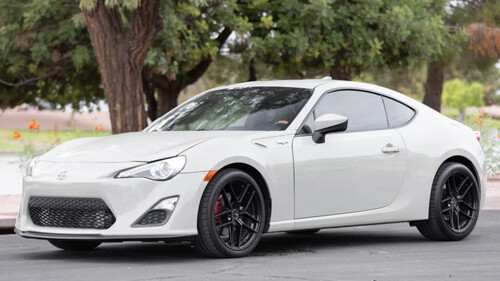
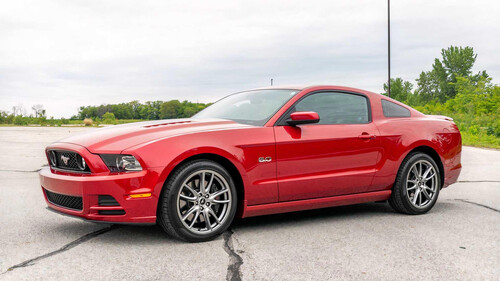
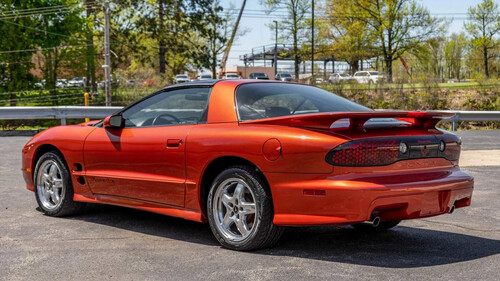
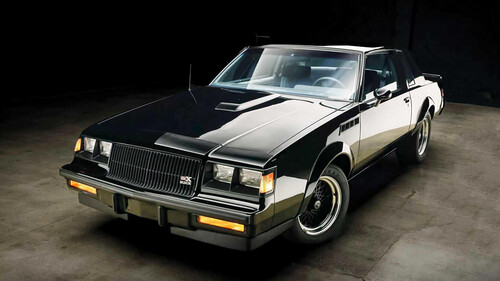
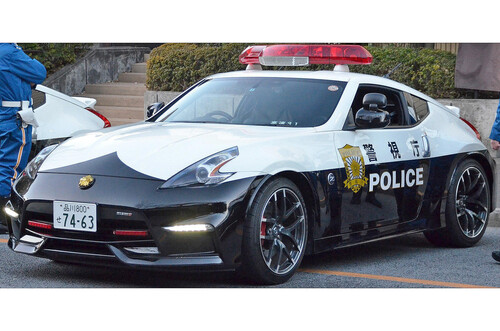
Some cult heroes aren’t appreciated in their time. They launch and, for reasons outside their control, they flop. But that doesn’t mean they’re dead forever, and some fan favorites find a new lease of life, becoming the hit they were always destined to be. It’s a harsh reality for some sports cars that, sometimes, nobody wants them new regardless of how good they really are. And while that may be true for many cars on the roads today, there’s onesports coupefor which it’s all too familiar. The Sports Car Market Was Primed for a Hero in 2009 FordThrough the years, sports coupes have been a relatively safe medium. Their popularity ebbed and flowed, just as it had for other genres, but they maintained their place. The Ford Mustang, Chevrolet Camaro, and Dodge Challenger all made their mark on the US automotive landscape, while the Porsche 911 and BMW M range have been staples of the sports coupe for years.By the early 2000s, though, this was starting to strain. SUVs and pickups were flooding the market, and many first-time drivers wanted affordability and practicality in their vehicle. TheCamaro ceased production in 2002, the Challenger had been dead for decades, and the Mustang was the sole survivor.The market was enduring one of those inevitable troughs that follow the auto industry. But despite the financial catastrophe that the world was seeing, drivers could see sparks of life in the segment, as Ford released a “retro-futurism” style Mustang in 2005, the Camaro came back in 2008, and there was a renewed interest in sports coupes again. But in 2009, one Japanese automaker was about to prove that timing is everything in the sports car world. The 350Z's Success Made the 370Z's Failure Even More Shocking NissanNissan had already entered the sports coupe market in 2002, with its Nissan 350Z. The two-door, two-seater car had been immensely popular from launch, due in part to its power (it made 291 horsepower and 274 pound-feet of torque, hitting 62 mph in 5.9 seconds) and its competitive price tag.While front-wheel-drive competitors like the Toyota Celica and Acura RSX were cheaper, the 350Z was realistically up against the Mustang GT (both were around the $26,000 mark new). It sat comfortably in the performance bargain area — expensive enough to not be entry-level, cheap enough to be a better option than more exotic machinery. It sold 13,000 units in the US in its first year and over 130,000 in its first five years, but by 2008, the once-loved car was aging. Nissan opted to kill it a year later and release a new, upgraded sports coupe. The 350Z's triumph would make the 370Z's struggle all the more shocking. Why the 370Z Failed Despite Being Better Than the 350Z DiariomotorThe success of the 350Z could have easily made Nissan think that a tweak to the formula would yield similar numbers. The car sold just as many units in the US in its first year as the 350Z, but where the 350Z increased in popularity from there, the 370Z stalled. Second-year sales actually fell from 13,000 to 10,000 (compared to the 350Z going from 13,000 to 36,000 in its second year) and, for the next 11 years, it failed to break into five-digit sales figures again.One reason for this is that the car wasn’t a huge leap like the 350Z had been. The 370Z was an iteration on the preceding 350Z, rather than a total redo, and consumers could see that. The engine was only 0.2 liters larger, the body only one inch wider, and the wheelbase just four inches shorter. The chassis had been stiffened to give it a more rigid ride than the 350Z, but to the layperson, it was largely the same car.Then there were the conditions the car was launched into. Not only was the traditional sports coupe market under pressure, but the 370Z was released after the 2008 Financial Crisis, and at a time when money for second cars didn’t really exist. It would have been a tough time for any car, but launching at a time when fun, sporty cars were frivolous purchases was always going to be difficult.Bring a TrailerWhen it comes to sports cars, performance is always a factor. While that was improved, with a roughly 50 hp bump for the new car leading to a second shaved off its 0–62 mph time (~4.7 seconds vs ~5.9 seconds), it wasn’t exactly ground-shaking. Torque remained almost the same, though it was slightly more usable.Aesthetics were another area that didn’t excite consumers enough. The 370Z had a more aggressive look with wider rear fenders, sharper angles, and a raised spoiler, but the infotainment was lacking compared to competitors and became a consistent complaint for drivers.Still, despite the sticking points, the car reviewed well. Testers enjoyed its sharpness (helped by the new suspension compared to the 350Z) and strong V6, giving it a raw, old-school drive. That said, the price put it in a difficult spot. The roughly $30,000 price tag put it in direct competition with the Ford Mustang GT (just as the 350Z had been previously), while the BMW 135i was similarly priced. It did come in cheaper than cars like the Infiniti G37 and Honda S2000, but with a close relative in the 350Z, which was now cheaper on the second-hand market, the 370Z wasn't a popular option.But the 370Z's story was far from over — what happened next would surprise everyone, including Nissan. Though Disappointing On Launch, The 370Z Is A Cult Hero Today NissanWith sales already struggling, things were made harder for the 370Z when cars like the Subaru BRZ and Toyota 86/Scion FRS (all essentially the same car) came out in 2012. It was instantly more popular than the 370Z, being lighter (over 400 lbs lighter), cheaper (around $25,000), and better-reviewed. It outsold the 370Z from the start, putting the Nissan further into the weeds of sales.But while new sales of the car were struggling, second-hand it started to look an attractive prospect. A naturally-aspirated V6 with rear-wheel-drive, manual option, and Japanese reliability that wasn’t appreciated in its own time was growing increasingly interesting and, by the mid-late 2010s, that kind of car didn’t really exist anymore. This helped it find an audience who wanted simple, fun, analogue driving without technical interference. Being more powerful than the Scion/Subaru/Toyota helped, and a strong aftermarket scene also played into its hands. When the car was killed in 2020 in favor of the soon-to-be-released Nissan Z, it was approaching cult hero status. The 370Z Is The Smart Enthusiast’s Choice NissanToday, the car is an incredibly popular option for those in the know. The things that held it back — the outdated interior, the modest performance bump over the 350Z, the relatively high price new — have all faded, and what’s left is an eminently capable sports coupe for people who want one.You can pick them up today for reasonably cheap, coming in at around $20,000 on average, though increasing to over $35,000 for the NISMO variants. That’s still more expensive than the Scion FRS (around $13,000 on average), but you get much more for your buck.No car exists in a bubble, and the 370Z certainly didn’t. It had competitors, previous versions, financial crises, and burgeoning other segments to compete with which all dulled its light. But cream always rises, and while it might have taken some time to rise, the 370Z is there now. You just need to know where to look.