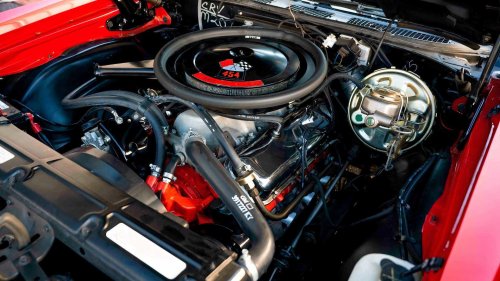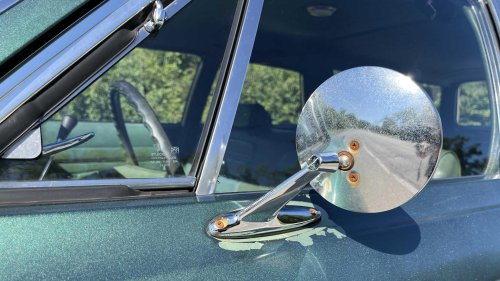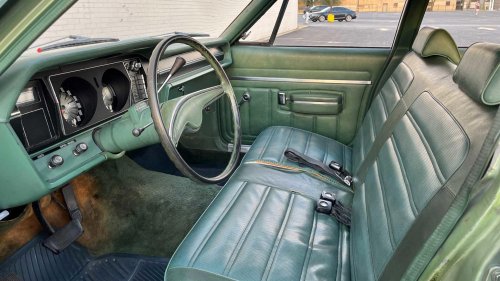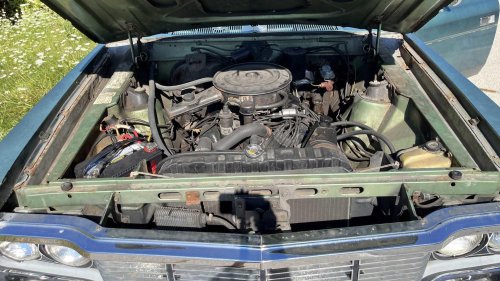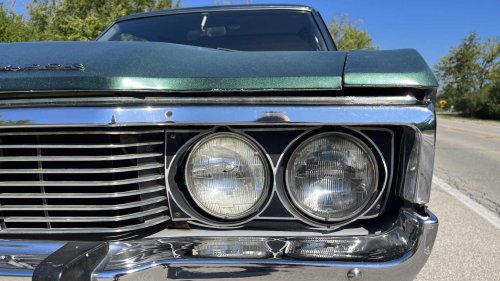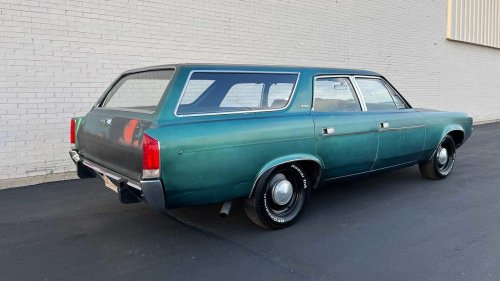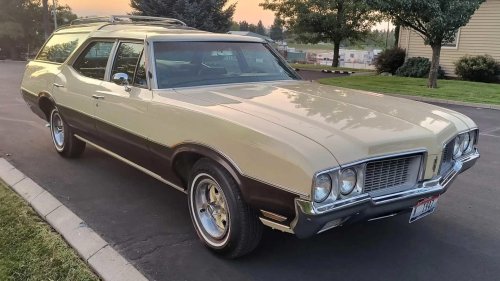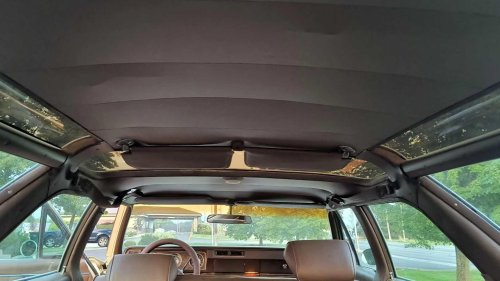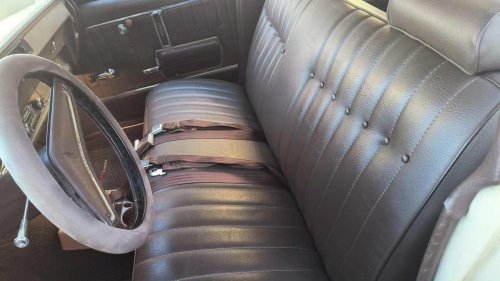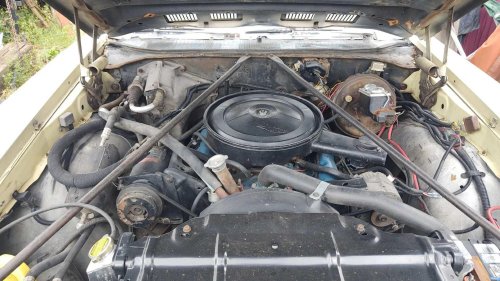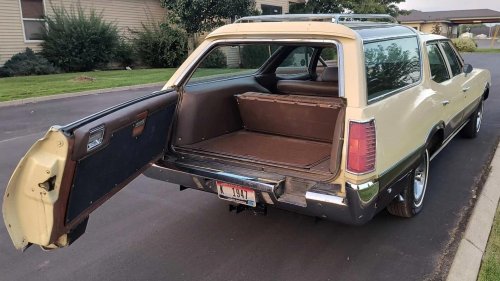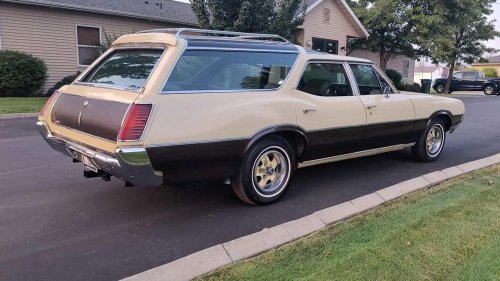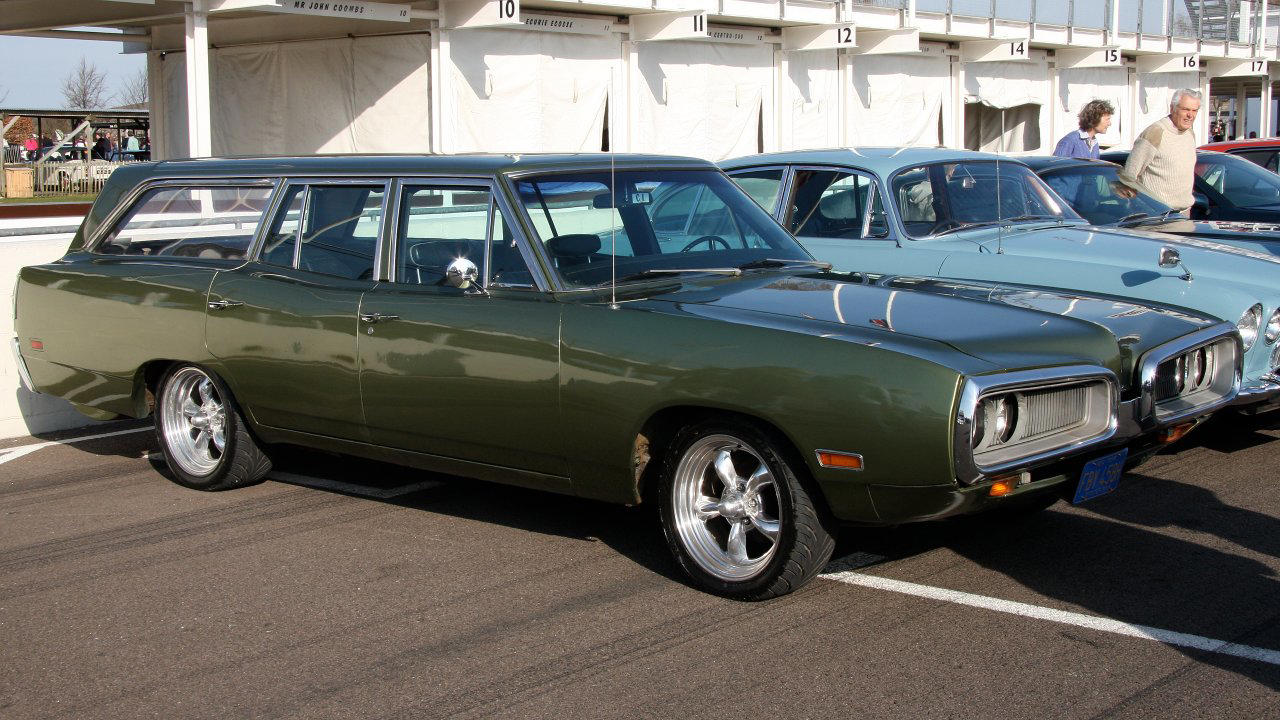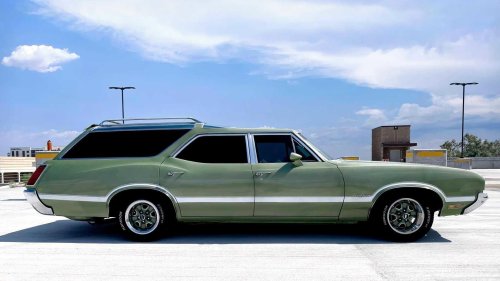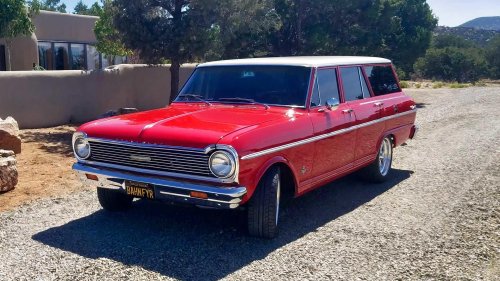
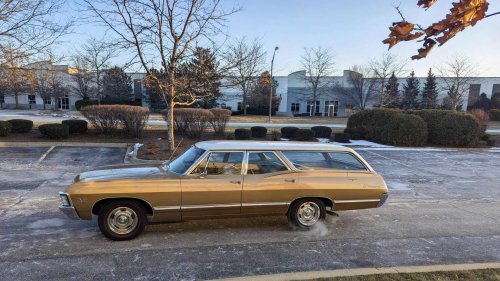
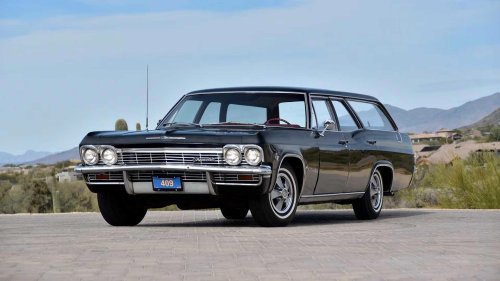
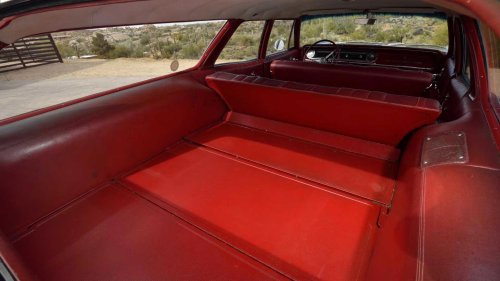
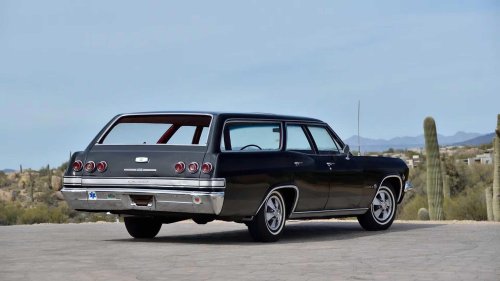
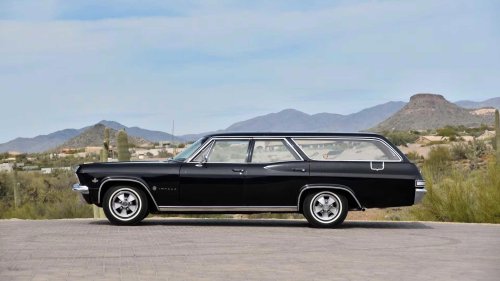
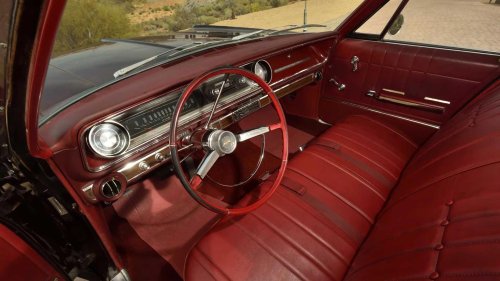



















Picture a mid-’60s American station wagon pulling into a supermarket lot with kids in the back, groceries on the list, luggage in the cargo area, and maybe a small trailer waiting at home. It has a long roof, a big glasshouse, wide bench seats, and the honest shape of a rolling household appliance. Nobody at a stoplight looks over and thinks, “That thing came here to embarrass me.” It looks ready for juice boxes rather than quarter-mile slips.That was the joke hiding inside the muscle-car era. Thankfully, Detroit did not always reserve its wild engines for coupes, badges, stripes, and owners who practiced cool leaning poses in store windows. A family hauler could sometimes slip through the order sheet with a monster under the hood.In The 1960s, Wagons Were Built For Duty, Not PerformanceBring a TrailerStation wagons carried the weight of normalAmerican life in the 1960s. They did school runs, vacation trips, hardware-store runs, church parking lots, and the occasional trip home with a new washing machine hanging out back. A wagon had to make sense before it had to make anyone smile.Chevrolet sold that idea hard in its 1965 full-size literature. The wagon pages showed load space, broad tailgate openings, fold-down seats, and the kind of square, useful room that made a family sedan look like a handbag. Chevrolet also advertised five full-size wagon choices across its big-car range, with six-passenger and nine-passenger layouts, so buyers could pick the level of trim and people-hauling they needed.Bring a Trailer That brochure treated the wagon like a rolling floor plan. It talked up a flat cargo area, a wide tailgate, and a third seat on nine-passenger models that faced the rear. That rear-facing seat gave kids a fine view of tailgaters, bugs, and every driver making strange faces at them. Chevrolet focused on things that made daily use easier, including wide door openings, a crank-operated tailgate window on some models, and wagon cabins built for people who carried more than a briefcase and a smile.The interior details followed the same pattern. Chevrolet wanted buyers to see durable materials, easy cleanup, and a cabin that could take real family use. A wagon had to survive muddy shoes, grocery bags, dog hair, beach sand, and whatever sticky substance children invented that week. The performance option waiting elsewhere in the catalog looked wildly out of place once it landed in a vehicle built for lunchboxes and luggage.Chevrolet’s Full-Size Lineup Had A Performance Door Left OpenMecum Chevrolet’s full-size range in 1965 left room for odd choices because Detroit still treated option sheets like menus, not fixed bundles. The right boxes could turn a calm-looking family car into something with a very different pulse. That was one of the strange joys of the era – performance sometimes hid in plain sight because the factory allowed combinations that later product planners would probably chase out of the meeting room. The car business still had room for mischief, especially when the buyer understood the fine print.That freedom came from the way Chevrolet spread its engines and transmissions across the big-car family. The same literature that sold comfort, curved side glass, full-coil suspension, and station wagon load space also printed power-team charts with much hotter hardware. The 400-horsepower Turbo-Fire 409 appeared in those 1965 charts, and the brochure showed a four-speed Synchro-Mesh manual among the available transmissions. For buyers who knew the codes, the full-size catalog had a back door into performance.Mecum The result created a gap big enough for a gearhead to drive through sideways, though the warranty clerk probably preferred that nobody try it. A buyer could start with a practical full-size Chevrolet body, keep the bench seats and family-friendly shape, then reach into the high-performance side of the catalog. Add a four-speed, add Positraction, and choose the right axle, and the family hauler started to sound less like a beach-trip machine and more like a secret handshake.There were limits, and they make the story even better. Chevrolet's 1965 option data notes that air conditioning did not pair with the 400-hp 409 or the 425-hp 396. Comfort had to step aside when the hot engines entered the chat. Dad could haul the family fast, but everyone might sweat while he did it. That feels very 1965, when “climate control” sometimes meant rolling down a window and hoping for physics. A 1965 Chevrolet Impala Station Wagon Could Pack A 400-Horsepower 409 MecumThe long-roof sleeper at the center of this story is the 1965 Chevrolet Impala Station Wagon with the 409 Turbo-Fire V8, specifically the 400-hp version paired with a four-speed manual. Put those together and the strange picture comes into focus. A big, useful Impala wagon could wear the same long-roof identity that sold cargo room, while also carrying one of Chevrolet’s last high-output 409s. On paper, that pairing looked like a contradiction, but on the street it looked like free entertainment for anyone who knew what sat under the hood. It also shows how much the badge mattered less than the order form.Mecum The L31 version of the 409 brought real hardware. Chevy listed it with 409 cubic inches, 11.0:1 compression, mechanical valve lifters, a Carter AFB four-barrel carburetor, 400 hp at 5,800 rpm, and 425 lb-ft of torque at 3,600 rpm. Those numbers came from the gross-horsepower era, so they do not compare cleanly with modern ratings. Still, a 400-hp wagon in 1965 had no business acting shy. It had enough engine to make the cargo floor seem like a cover story and enough torque to make every loose item in back regret its life choices. A gallon of milk riding home in this thing needed a seat belt. The 409 Wagon Was Stranger Than A Muscle Coupe MecumA big V8 in a coupe made sense in the 1960s (and it still does today), buyers expected that game. Two doors, a hot engine, maybe a console, maybe a bucket-seat interior, and a driver who believed every green light had a starter’s flag hidden inside it. Nobody needed a detective to connect that shape with trouble.But a wagon with the same spirit scrambled the signal. It had more glass, more roof, more rear overhang, and more chances to hit a shin on a bumper while loading camping gear. Chevrolet’s 1965 data listed full-size wagons at 213.3 inches long, just over 17.7 feet, so nobody confused one with a light little street toy. It looked like the vehicle that brought folding chairs to the fight, then maybe joined in after dessert. That mismatch gives the 409 wagon a big part of its charm. It hid in plain sight because everyone judged the body before they heard the engine.Mecum The timing adds another layer. By 1965, Chevrolet had already turned the 409 into a familiar performance name, but that engine family stood near the end of its run. The company introduced the new Mark IV 396 during the 1965 model year, and period option data shows Chevrolet discontinued both 409 choices in January 1965. That puts a 409-powered 1965 wagon in a narrow window, right at the handoff between the older W-series big-block world and the 396-led future. It sits in the doorway between two Chevy eras, one foot in early-1960s drag-strip swagger, the other near the big-block boom that followed. That makes the wagon feel like a final trick from the old 409 playbook.The 409 had its own odd engineering flavor and its own early-1960s attitude. In L31 form, it wanted revs, compression, and a driver willing to work a clutch. Chevrolet’s four-speed data for the 409 included close-ratio and wide-ratio options, and the 400-hp 409 could also run serious optional rear gears, including 4.10, 4.56, and even 4.88 ratios. In a wagon, that combination felt less like a family purchase and more like a dare written in dealer-order ink. The Long-Roof Chevy That Made 400 Horsepower Feel Like A Secret Mecum Return to that ordinary wagon image from the start. It still has the wide bench, the long roof, the cargo floor, and the broad tailgate. It still looks ready for groceries, suitcases, Little League gear, and a cooler full of sandwiches. But the hood now carries new meaning – under it could sit a 409 that made 400 hp when Chevrolet still measured power with the kind of optimism only a sales department could love. That is the (not so) quiet magic of the car. Once the engine enters the scene, every practical detail starts to look like camouflage.This car shows how loose and fascinating the American performance market could be before packages became stricter and image became everything. The buyer who knew the catalog could build a machine that crossed categories without asking permission. It could be useful on Saturday morning, strange by Saturday afternoon, and deeply funny by Saturday night when another driver noticed the four-speed lever a little too late.MecumThe best sleepers do not need to explain themselves. They let the other lane make assumptions. This wagon did that with acres of sheet metal, a tailgate, a rear-facing third row, and enough cargo space to swallow half a vacation. Then it backed up the joke with one of Chevrolet’s most memorable V8s. Plenty of muscle cars tried to look fast, but this one looked responsible, which may be the funniest disguise of all.Source: Chevrolet, Automobile Magazine