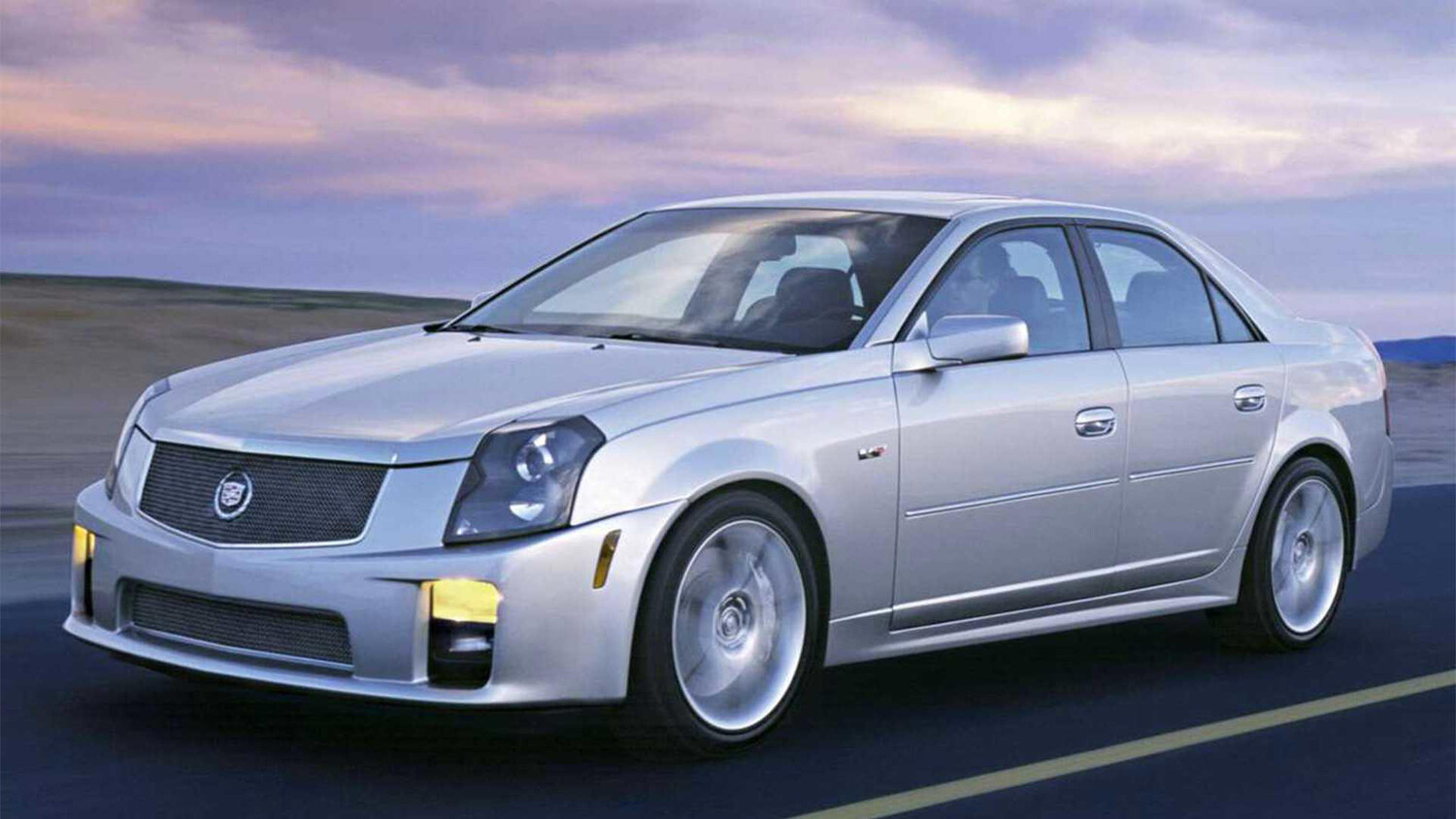
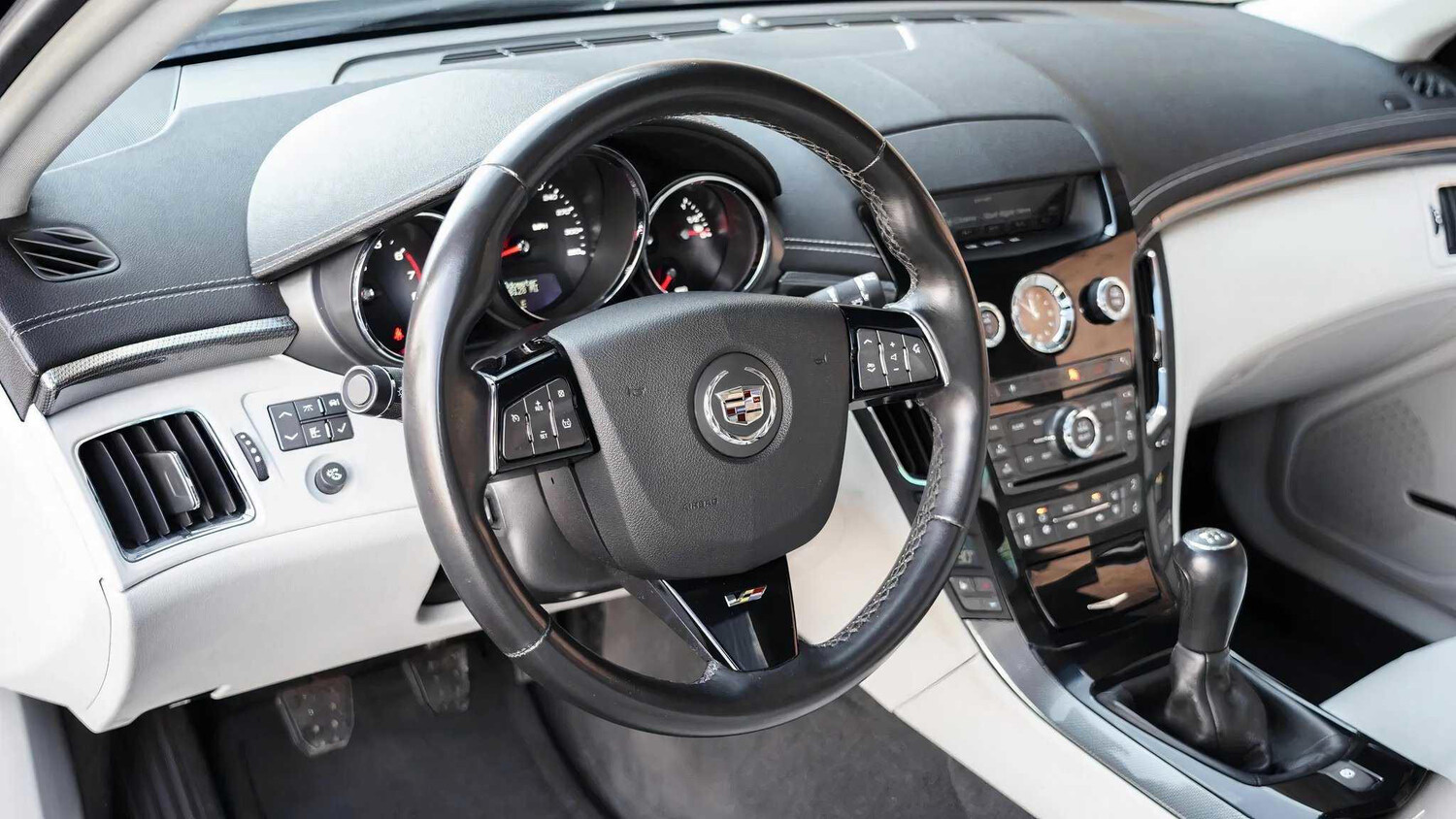
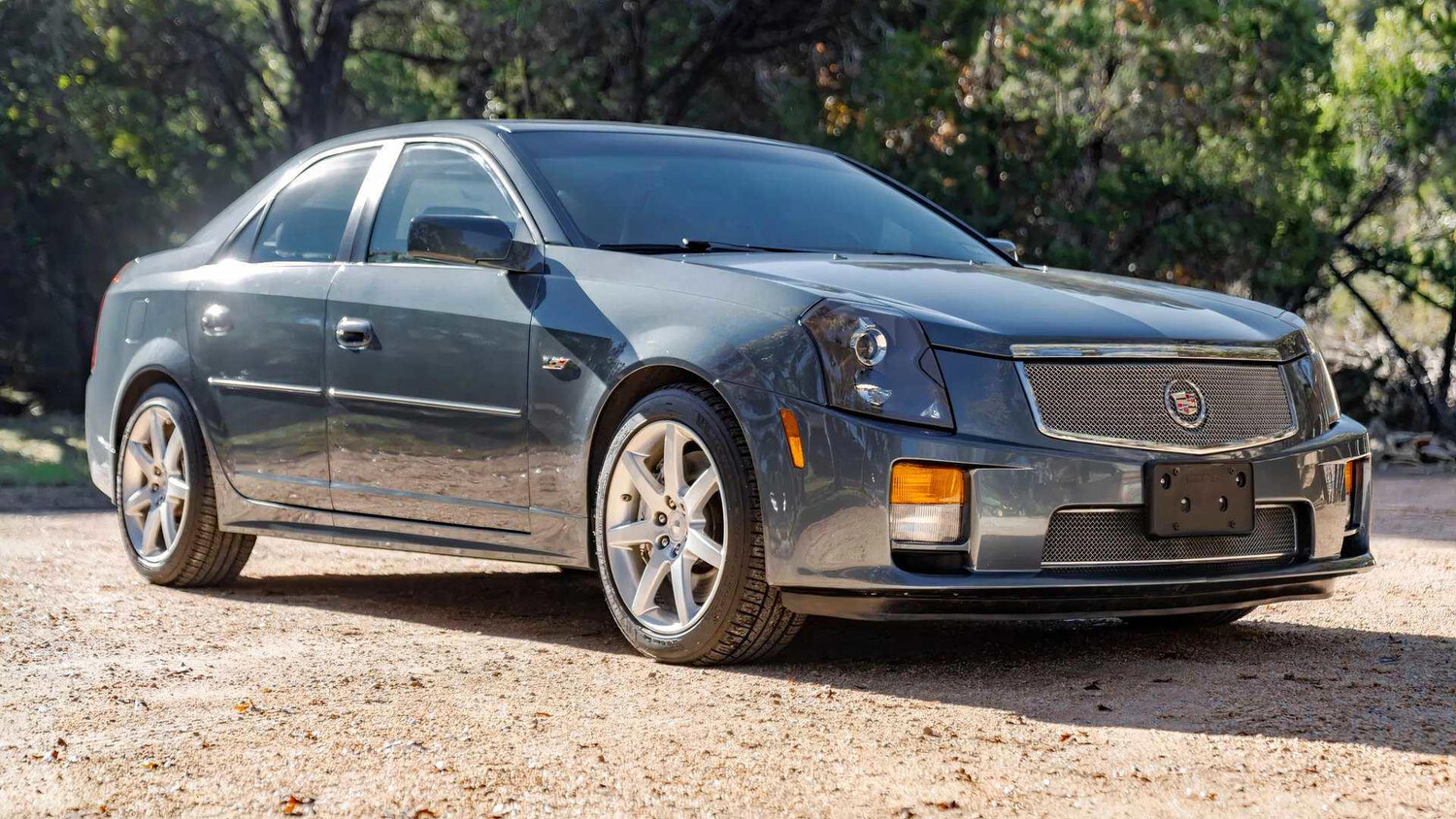
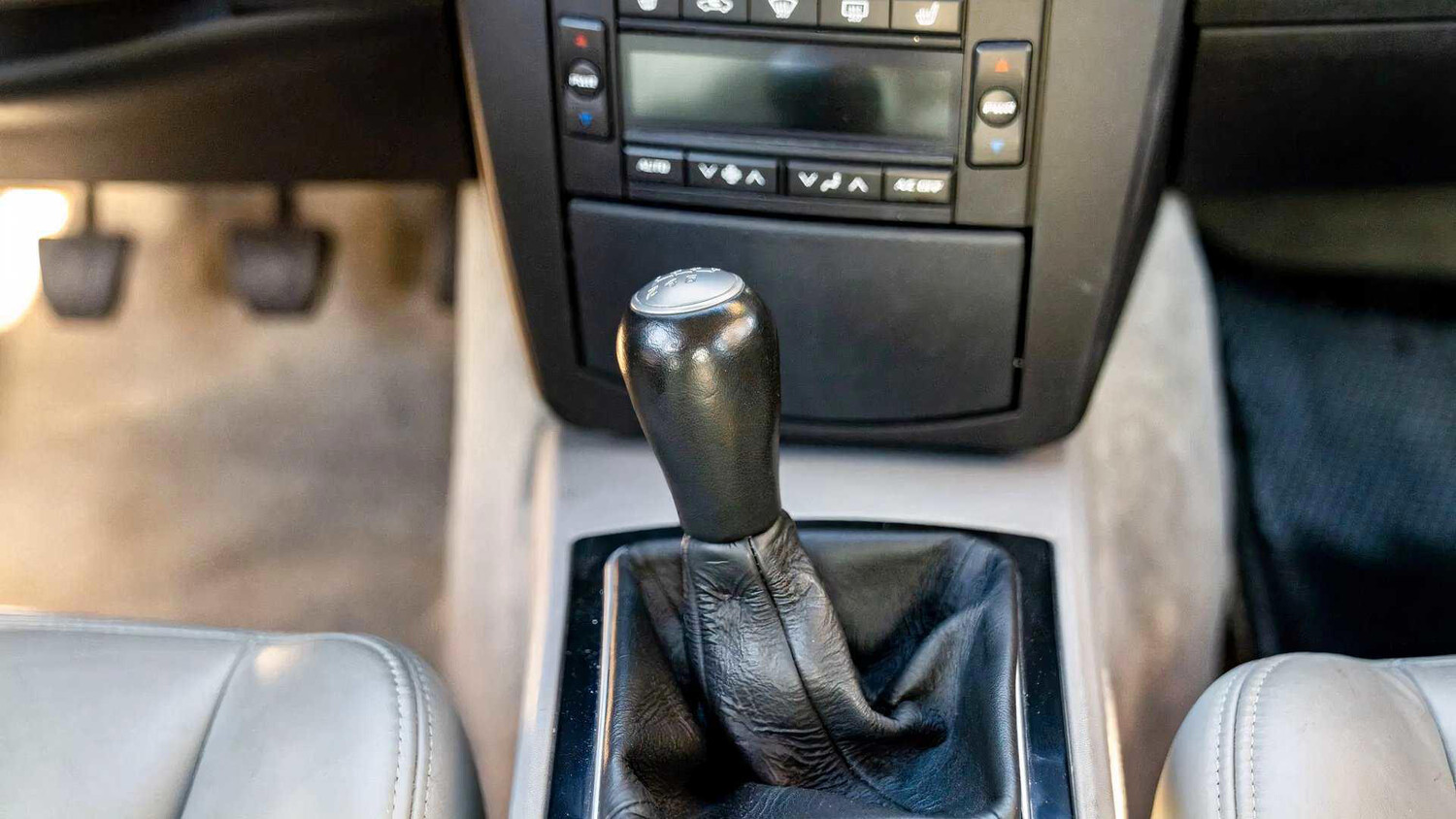
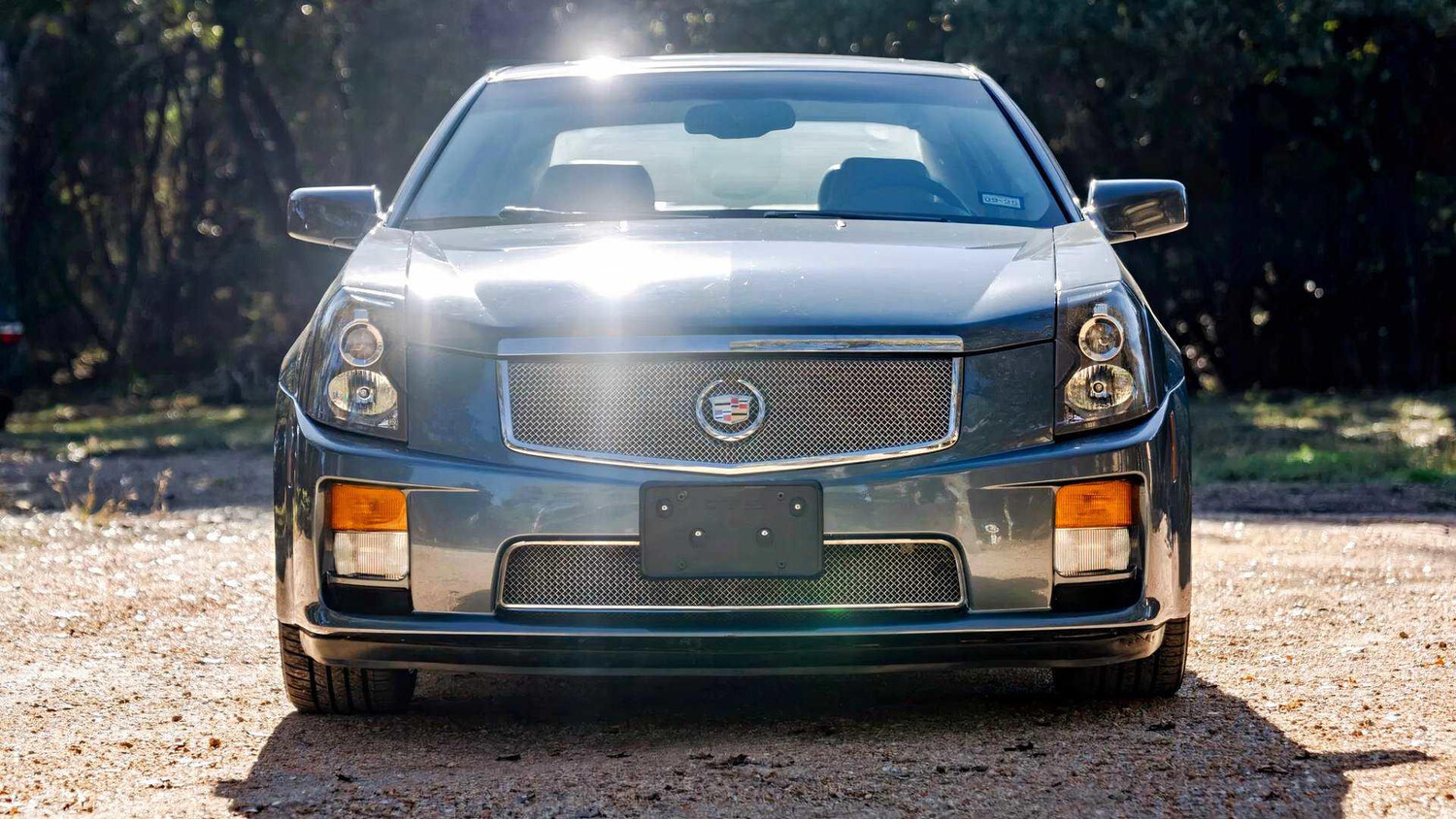
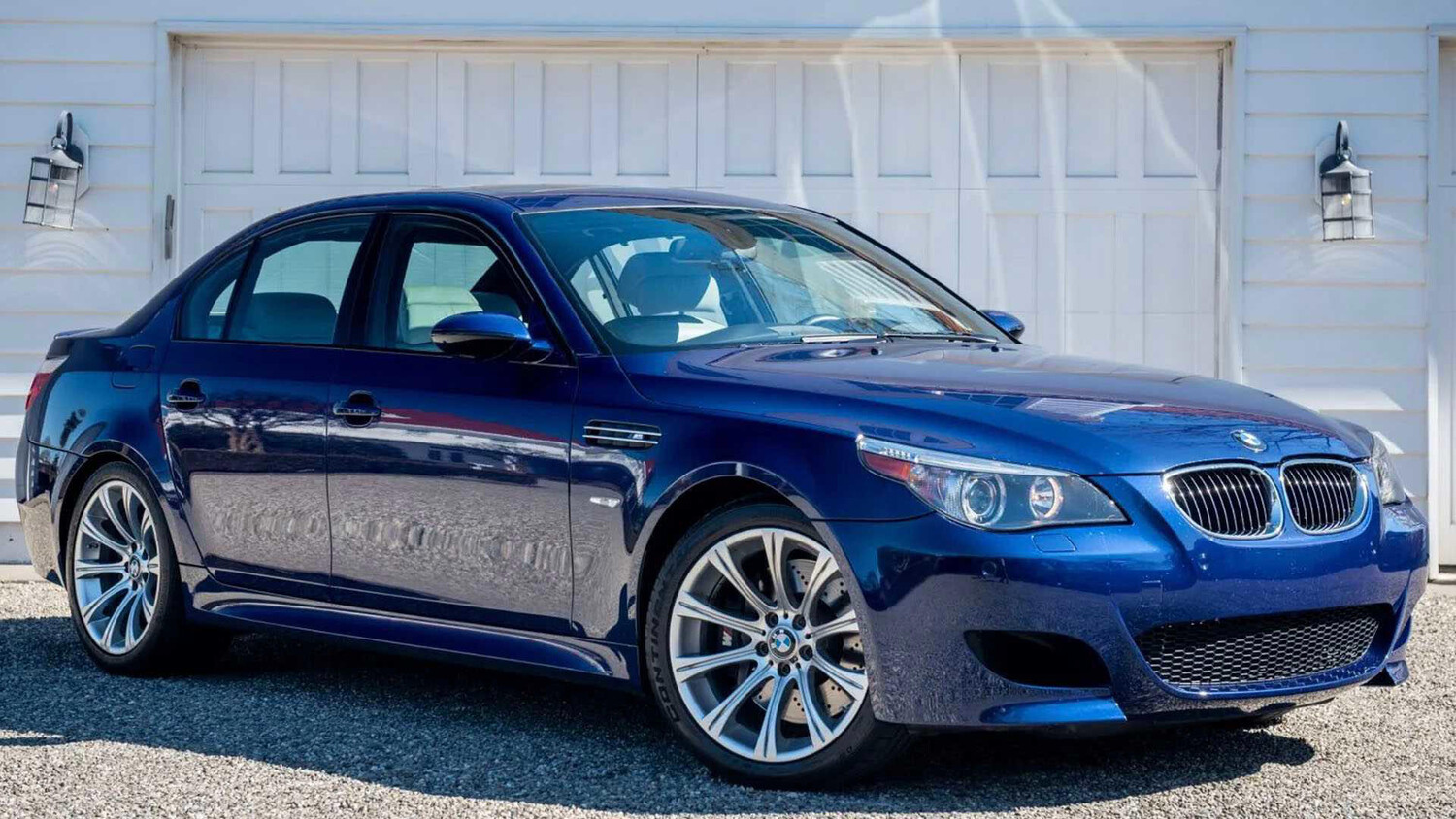
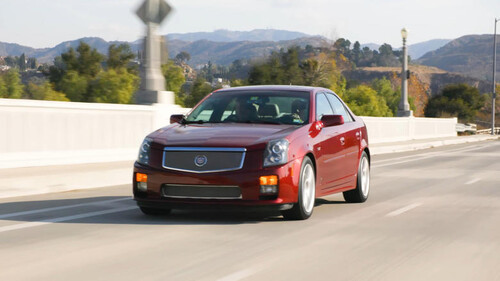
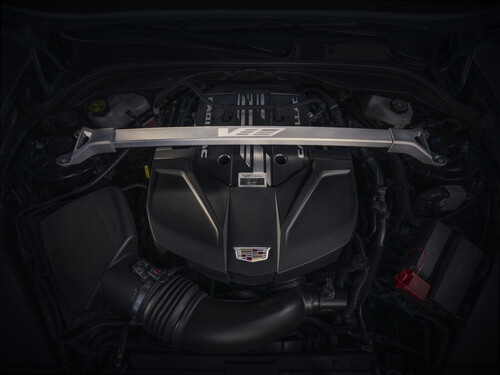
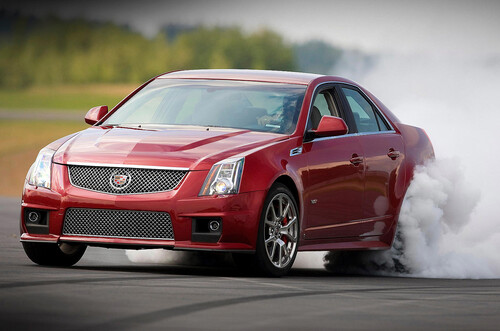
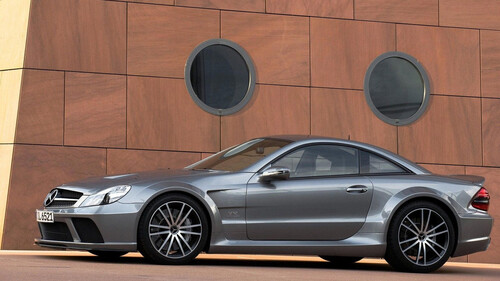
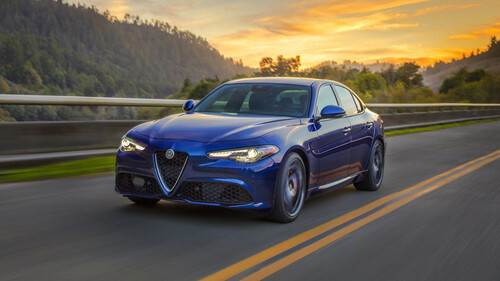
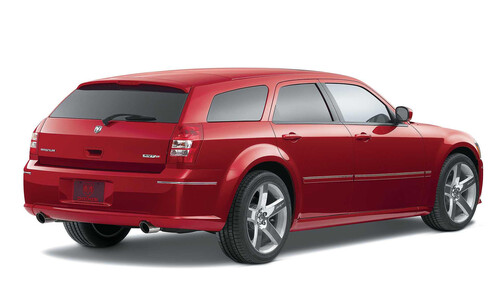
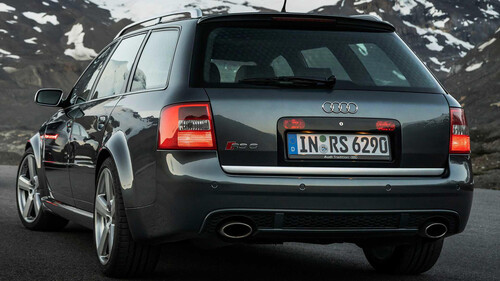
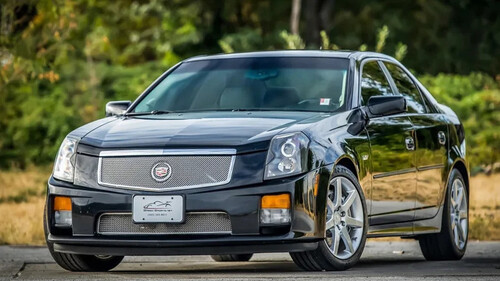
Most of us have grown up with Ferrari Testarossa, Lamborghini Countach, or Porsche Carrera GT posters plastered on our bedroom walls, hoping to one day own a proper supercar or high-end sports car. For many, though, life got in the way, and everyday practicality suddenly became more important than sheer performance when selecting the right car. But then, sometime in the late 20th century or early 2000s, sleeper cars became a thing and proved we could have both.We love sleepers because they're the ultimate subtle flex, combining near-supercar performance with subtle designs and everything you'd want in a great family car. Sleeper car owners are too cool to fish for attention in a bright-red sports car, but also able to leave said sports car in their rear view at a traffic light. The best part? Some early sleepers are now dirt cheap, and one American sleeper in particular, currently exists as the biggest 400+ HP bargain for performance-addicted gearheads on a budget. First-Generation Cadillac CTS-V: The Affordable Supercar Slayer No One Expects Via Bring A Trailer Just like its parent company, Cadillac had a bad time in the '90s, culminating in Ford's Lincoln outselling it for the first time in decades. Quality and reliability issues, badge engineering failures, the “Grandfather” image, and delayed response to emerging trends were some of the reasons why the fabled luxury brand failed to compete, especially with the Germans. The 11th-hour decision to save Cadillac came in the early 2000s when GM invested heavily in the development of a new luxury sedan to replace the Opel-based Catera, the CTS.Via Bring A TrailerThe Cadillac CTS debuted in 2003 on GM's new rear-wheel-drive Sigma platform and introduced Cadillac's new radical “Art and Science” design language, which was characterized by sharp lines and high-tech features. The CTS got even better when Cadillac introduced the high-performance CTS-V a year later, giving the likes of the BMW M5 and Mercedes-Benz E55 AMG solid domestic competition. Like the performance-oriented German sedans, the CTS-V largely retained the sedate exterior of the standard CTS, but had a fire-breathing V8 under the hood ready to pounce on uninitiated sports car drivers. Despite having enough power to give sports cars a run for their money, the first-generation CTS-V remains affordable today. Big On Comfort, Bigger On Performance Cadillac While the CTS-V was criticized for not being as elegant or having an interior as luxurious as its German rivals, it was still a spacious four-door sedan with various upscale features. Power-adjustable leather-trimmed seats, dual-zone automatic climate control, a premium Bose sound system, “Zebrano” wood trim accents, and a power sunroof were either standard or optional on the CTS-V.As impressive as those features were, the CTS-V's main party trick was the throaty V8 under the hood. At launch, the CTS-V had an engine derived from the C5 Corvette Z06 — a 5.7-liter LS6 V8 cranking out exactly 400 hp at 6,000 rpm and 395 lb-ft at 4,800 rpm, paired with a Tremec six-speed manual. Things got better in 2006, when the CTS-V gained the new C6 Corvette's 6.0-liter LS2 V8. While both engines had similar power figures, the LS2 had more displacement and a higher compression ratio, resulting in a broader torque band. The surprising part, however, is just how cheap these cars are in 2026. A Corvette-Powered Luxury Sedan For $10K? Sign Us Up Bring A TrailerThe first-generation CTS-V is one of the most affordable sports sedans on the market today, with a Classic.com Market Benchmark of $18,559. A quick look at recent sales on Bring a Trailer and Cars & Bids confirms that you can get a first-gen CTS-V for under $20,000 (or even under $10,000 in one case we found), with a few low-mileage, well-maintained, or unfussed-with examples going slightly over $20,000.However, before you start looking for one, it's important to remember that there are two versions of the car — the 2004–2005 models have a Corvette C5 Z06's LS6 V8 and a rear differential famous for failing, while the 2006–2007 models have the Corvette C6's LS2 V8 and a stronger rear differential. Both are great options for the price. A Corvette-Powered, 400-HP Luxury Sleeper Via Bring A Trailer As GM's flagship sports car, the Chevy Corvette has always been first in line to get the company's best engines and advanced tech. GM always invests heavily in developing the technologies that have kept the Corvette relevant in the European-dominated sports car segment for decades. Some of the Corvette's technologies and equipment sometimes trickle down to other less-sporty models in the GM family, and this is how we got the first-generation CTS-V.The CTS-V debuted in 2004 with the Corvette C5 Z06's powerplant under the hood, and when Chevrolet introduced the C6 generation shortly after with a new LS2 V8 engine, the updated 2006-2007 CTS-V models were equipped with it. A Closer Look Under The Hood Via Bring A TrailerThe CTS-V initially had an LS6 V8 under the hood, but that was upgraded to an LS2 V8 in 2006. The LS6 was a 5.7-liter unit belonging to the Gen III small-block family, while the LS2 was a 6.0-liter unit belonging to the Gen IV small-block family. While both engines had many mechanical similarities and shared parts like the cylinder heads, there were several key differences that affected performance.The biggest difference was the displacement and torque delivery — the LS2's larger size provided a wider torque band since peak torque was achieved 400 rpm lower than the LS6, which improved responsiveness and acceleration at lower RPMs. The LS2 also had a slightly higher compression ratio of 10.9:1 compared to the LS6's 10.5:1 ratio, further improving performance. Built For The Track Cadillac The powerful Corvette-sourced engine was only a piece of the CTS-V's performance puzzle. Cadillac wanted the CTS-V to thrive both on the road and track, so they equipped it with performance hardware that was frankly overkill for a luxury sedan. A heavy-duty, race-proven Tremec six-speed manual routed the power to the rear wheels. A dual-mass flywheel reduced vibrations and harshness at high speeds, while Brembo brakes with huge four-piston calipers provided ample stopping power. A wire mesh grille allowed significantly more airflow to the radiator than the standard CTS, while integrated ducts in the front fascia channeled air directly to the Brembo rotors, keeping them cool as drivers pushed the limits on the track.Inside, drivers got performance seats that kept the drivers planted in sharp corners and a G-Meter in the instrument cluster that measured the cornering forces achieved during hard drives. The suspension was tuned specifically on the Nürburgring Nordschleife long before the car hit the showroom, and featured significantly stiffer springs, larger anti-roll bars, and a strut tower brace that improved front-end rigidity. The result of all these race-oriented features was a car that proved its mettle on the legendary German track with a claimed lap time of 8 minutes and 19 seconds, putting it in the same conversation with rivals like the BMW M5 (E39) and Mercedes-Benz E55 AMG (W211). It also had a 0 to 60 of around 4.7 seconds, a top speed of around 163 mph, and a quarter-mile run of just over 13 seconds, according to period tests from Car and Driver and other renowned publications. It Helped Keep The Manual Transmission Alive Via Bring A TrailerThe CTS-V was a key part of Cadillac's plan to appeal to younger buyers and boost enthusiast credibility. And what better way to do that than pair the 400-hp V8 monster with a six-speed Tremec manual tranny as the only option? Pleasing enthusiasts aside, this decision was also a no-brainer since the LS6 was already validated with the Tremec manual in the Corvette C5 Z06, so it was an easy “drop-in” solution.While the CTS-V eventually gained automatic transmissions in subsequent generations, Cadillac always made sure that gearheads who wanted to row their own gears had the option. Cadillac has stuck with the same formula, as the CTS-V's successor — the CT5-V Blackwing — is one of the few cars you can buy with a manual in 2026. Why The First-Gen CTS-V Is So Cheap Via Bring A Trailer A brand-new Cadillac CTS-V cost around $50,000 in 2004, which is more than twice its current value. Luxury sedans typically have stratospheric depreciation rates, but in the first-generation CTS-V's case, the reasons behind its price downfall go far beyond its classification. For starters, the Caddy faced direct competition from some of Germany's best creations, and it was always viewed as subpar in design and cabin luxury.However, the main reason the CTS-V failed was reliability. While the power boost over the standard CTS was welcomed, it was more than the car could handle comfortably, and the stock Getrag rear differential was famous for failing, especially under hard launches. The rear suspension setup also allowed for severe wheel hop during aggressive acceleration, further putting the differential at risk. While Cadillac introduced a stronger rear differential and a half-shaft design that drastically improved reliability, the car's reputation was already ruined, especially among performance enthusiasts.Some owners even went as far as filing a class action lawsuit against GM over the first-generation CTS-V's differential woes, but GM successfully argued that the issues were caused by “gross abuse” by drivers. If you're in the market for a first-generation CTS-V, the 2006–2007 models with the stronger diff are better, but if you have your sights on a 2004-2005 model, you better make sure that the differential issue was resolved either through the original factory warranty or via aftermarket modifications. In any case, it's advisable to invest in aftermarket “bulletproofing” kits to further strengthen the differential. Other Cheap 400 HP Sedans Via: Bring a TrailerSource: Classic.comThe first-generation CTS-V is not the only 400-hp sedan you can buy without raiding your emergency savings, and we've highlighted several options to prove it. We scoured the used car market and found plenty of cheap red-hot sleeper sedans that deliver sports-car-rivaling power wrapped in sensible, spacious bodies, from the V10-powered Audi S6 (C6) to the CTS-V's rival, the W211 Mercedes-Benz E55 AMG.However, as is the case with the CTS-V, it's important to familiarize yourself with any known reliability issues affecting the model, and after that, a thorough pre-purchase inspection can also help you ensure that the specific car you're buying won't end up being a money pit that burns a bigger hole in your pocket than you saved going for a cheap 400-hp sedan.Sources: Classic.com, Bring A Trailer, Cars & Bids, Car and Driver