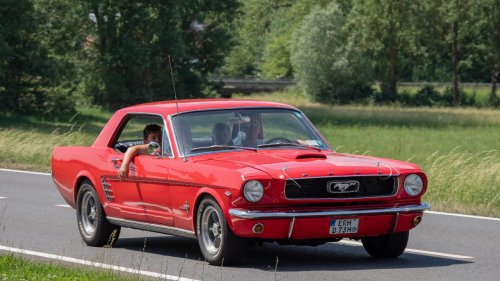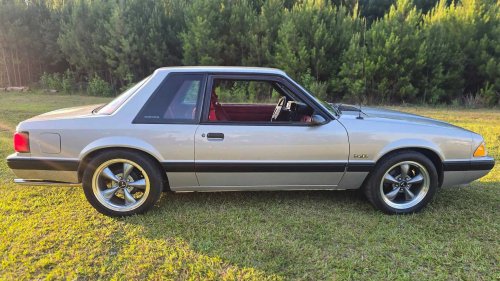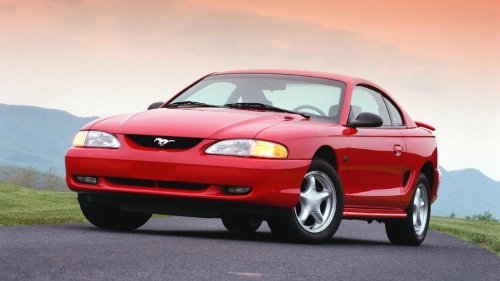
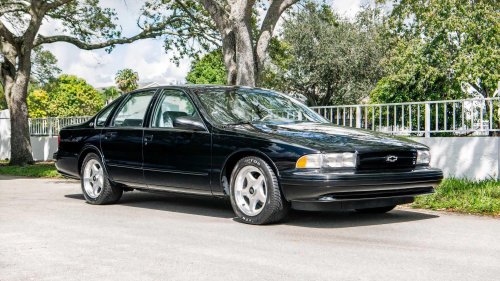
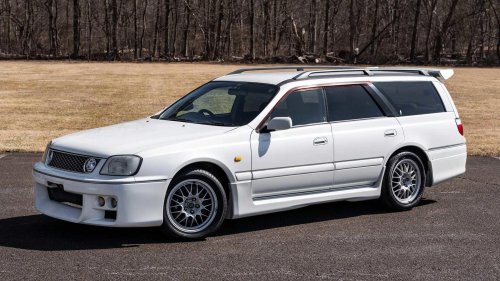
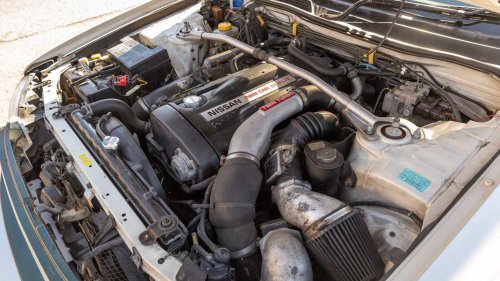
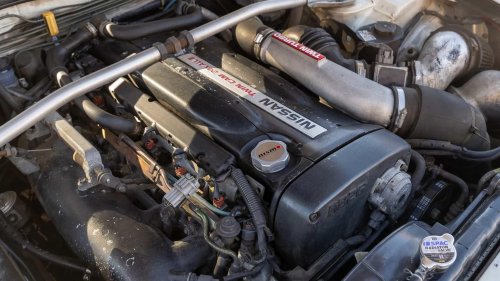
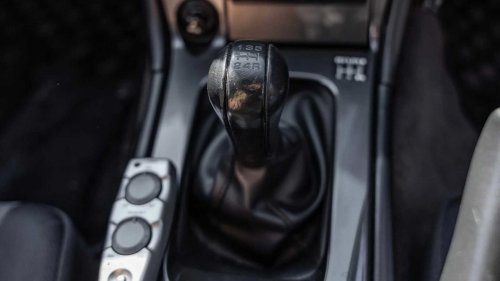
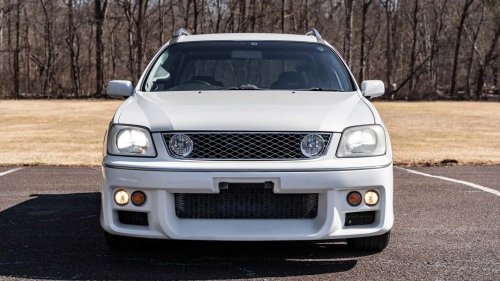
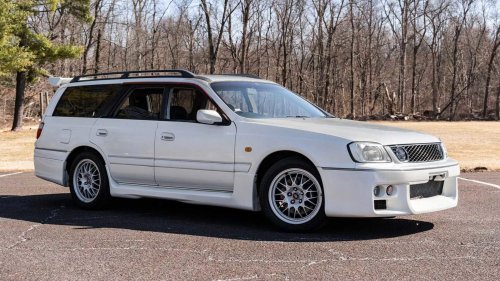
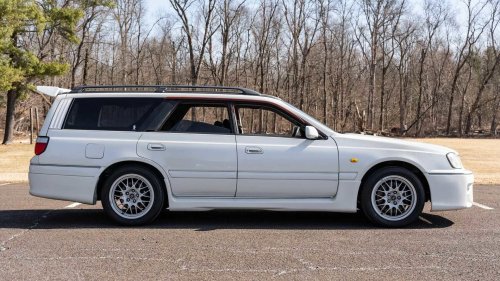



















The mid-90s American muscle car scene was a world defined by the roar of large engines, the heavy scent of burnt rubber, and a fierce, insular pride in domestic performance. Drivers measured success by the size of their displacement, often believing that raw power was the only path to victory.While Automakers in America remained deeply committed to squeezing power out of pushrod V8s, a different approach to speed was being perfected across the Pacific. Engineers there focused on precision and technical balance, quietly crafting a machine with the heart and chassis of a world-beating supercar. Though this hidden marvel was never sold here in its prime, it has finally arrived. It stands now as a fascinating retrospective that forces a total re-evaluation of 90s performance. The 90s: Resurgence Of American Muscle Ford Heritage VaultThe mid-1990s marked a vibrant revival for American performance, a decade where the industry shook off the design constraints of previous years to embrace a renewed sense of power. This era was defined by the classic muscle car spirit, centered on raw, accessible torque and the thrill of rear-wheel drive. For enthusiasts, the formula was simple and effective: take a large V8 engine, place it in a bold, aggressive chassis, and prioritize the straight-line surge that made every green light feel like a challenge.Three specific icons defined this landscape. The 1996 Ford Mustang GT stood as the poster child for affordable V8 performance, offering a sleek, modern interpretation of the classic pony car that made speed accessible to a broad audience. Meanwhile, the Chevrolet Impala SS emerged as an unexpected heavyweight champion.Mecum Auctions By transforming a full-size, utilitarian sedan into a sinister, blacked-out performance machine, Chevrolet proved with the Impala SS that a car could be fast, luxurious, and massive all at once. Finally, the Pontiac Firebird Trans Am operated as the high-displacement warrior of the group, boasting aggressive styling and the kind of heavy-hitting power that demanded attention. These cars dominated the culture because they stayed true to the philosophy that there is no replacement for displacement.This created an emotional connection to the V8 sound, a deep, rhythmic burble that became the heartbeat of American street performance. It was a time when driving was about mechanical feedback, mechanical simplicity, and the pure joy of laying down rubber on open asphalt. But despite the gentleman's agreement that capped advertised output to just 276 hp, Japan was building an automobile that would leave American muscle car fans with their jaws on the floor. Godzilla With A Backpack: The Nissan Stagea Via: Bring a Trailer While Detroit was busy refining its pushrod V8s, engineers in Japan were quietly developing the Nissan Stagea 260RS Autech, a machine that would eventually feel alien to the American muscle car enthusiast. At its core, this vehicle was a technical masterpiece, featuring the legendary twin-turbocharged 2.6-liter six-cylinder engine and the advanced all-wheel-drive system, meaning it was essentially a Skyline GT-R in disguise. When compared to a 1996 Mustang GT, the performance difference was stark. While the Mustang relied on naturally aspirated V8 power and struggled for traction on the rear tires, the Stagea 260RS Autech launched with surgical efficiency, utilizing its computer-controlled AWD system to waste not an ounce of power.Via: Bring a Trailer At the time, the regulatory environment in the United States was navigating strict, technology-forcing emissions and safety shifts that often constrained performance development. Conversely, Japanese manufacturers operated under a gentleman’s agreement that capped advertised output to just 276 hp, pushing them to compete instead through engineering sophistication and chassis brilliance. The Stagea 260RS achieved supercar-level performance, yet it wore a body designed for a family of five, complete with roof rails and a spacious cargo area.To a muscle car fan used to the theater of aggression, this hidden speed felt almost unfair. It proved that a car did not need to be loud or intimidating to be incredibly fast. By blending world-class performance with the utility of an everyday wagon, the Stagea 260RS forced a total re-evaluation of what a performance vehicle could be, forever changing the perception of the sleeper. In essence, the Stagea 260RS was Godzilla with a backpack. Nissan never sold the Stagea in the US, but it is thankfully old enough to qualify for the 25-year US import law. Engineering The Stagea With The RB26DETT Via: Bring a TrailerThe heart of the Nissan Stagea 260RS Autech is the RB26DETT, a 2.6-liter twin-turbocharged inline-six engine that produces a factory-rated 276 horsepower and 271 lb-ft of torque. In reality, these engines were often underrated from the factory, making them exceptionally powerful. While a standard 1996 Mustang GT pushed 215 hp from its 4.6-liter V8, the Stagea 260RS utilized its turbochargers to punch far above its weight class.Via: Bring a Trailer The Stagea 260RS Autech could sprint from 0 to 60 mph in 5.7 seconds, leaving the 6.6-second Mustang GT behind. When it came to the quarter-mile, the wagon crossed the line in about 14.0 seconds, easily beating the Mustang’s 15.1-second time set by Car and Driver. This performance was not just about the engine; it was about the ATTESA E-TS all-wheel-drive system. This system allowed the wagon to launch with zero wheelspin, putting all that power to the pavement instantly. While the Mustang driver was busy fighting for traction, the wagon was already moving.Via: Bring a Trailer Finally, the exterior serves as the ultimate aesthetic disguise. With its practical roof rails, long wagon body, and complete lack of aggressive spoilers, the 260RS Autech looks like a boring family hauler. It is the definition of a car that flies under the radar, allowing the driver to surprise almost anyone at a stoplight, proving that a family car can outperform a dedicated sports car without looking like it. The Stagea Is More Valuable Than A Mustang Via: Bring a Trailer As we look at the market in 2026, the Nissan Stagea 260RS Autech occupies a fascinating position. While a clean 1996 Mustang GT is easy to find and remains a classic piece of Americana, the Nissan Stagea 260RS Autech is a rare import that commands a unique premium. According to Classic.com, the Nissan Stagea 260RS averages $27,553, but some pristine models have sold for over $50,000. A 1996 Mustang GT, on the other hand, trades for just $13,218 on average. Prices for the JDM wagon have climbed as collectors realize that they are essentially a GT-R in a different skin. The value lies not just in the metal but in the history, the limited production numbers, and the growing appreciation for the golden era of Japanese engineering. How The 25-Year Rule Changed Everything Via: Bring a Trailer Under United States federal law, vehicles are exempt from standard safety and emissions compliance requirements once they hit twenty-five years of age. Because the Nissan Stagea 260RS Autech began production in 1997, early examples became legal to import in 2022, with later models following each year. This exemption is a game changer, allowing these cars to enter the country in their original, factory configuration.Nissan never sold this car in America because it was right-hand-drive and focused on a niche market that domestic buyers ignored at the time. Now, it stands as one of the most exciting vehicles available for enthusiasts to import.Sources: Nissan, Classic.com, Bring A Trailer, Ford, Car and Driver, Hagerty