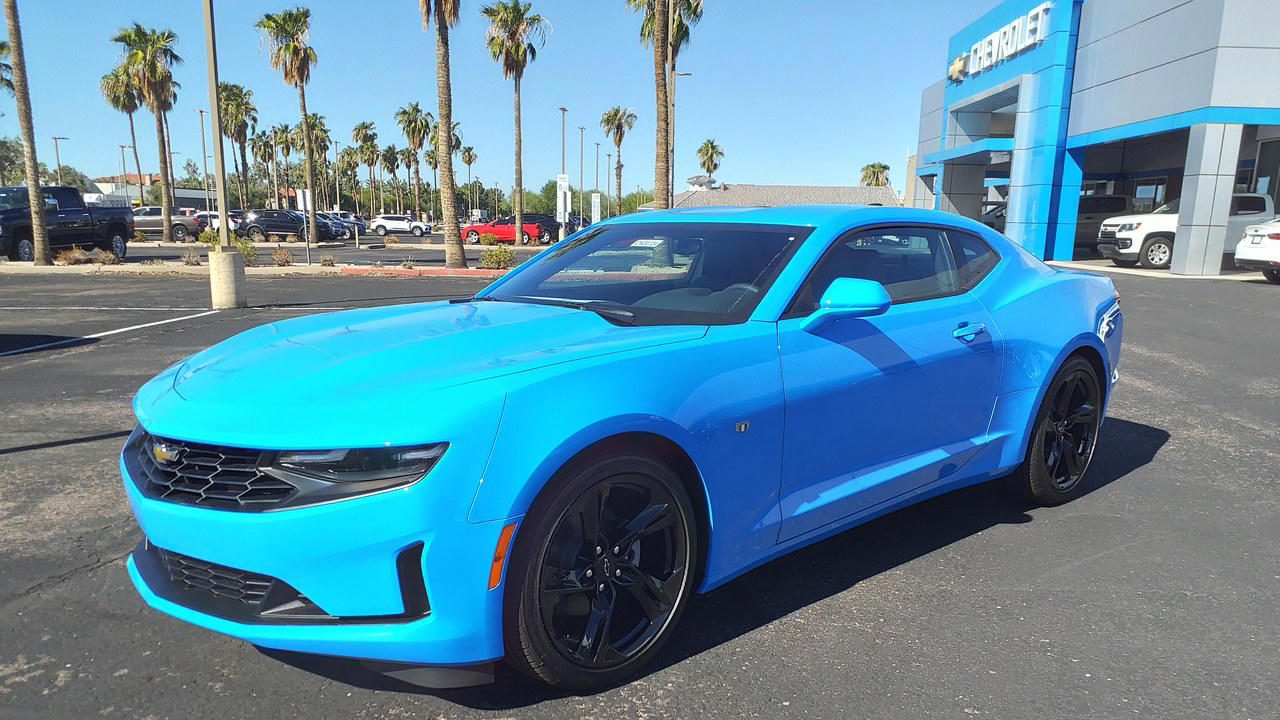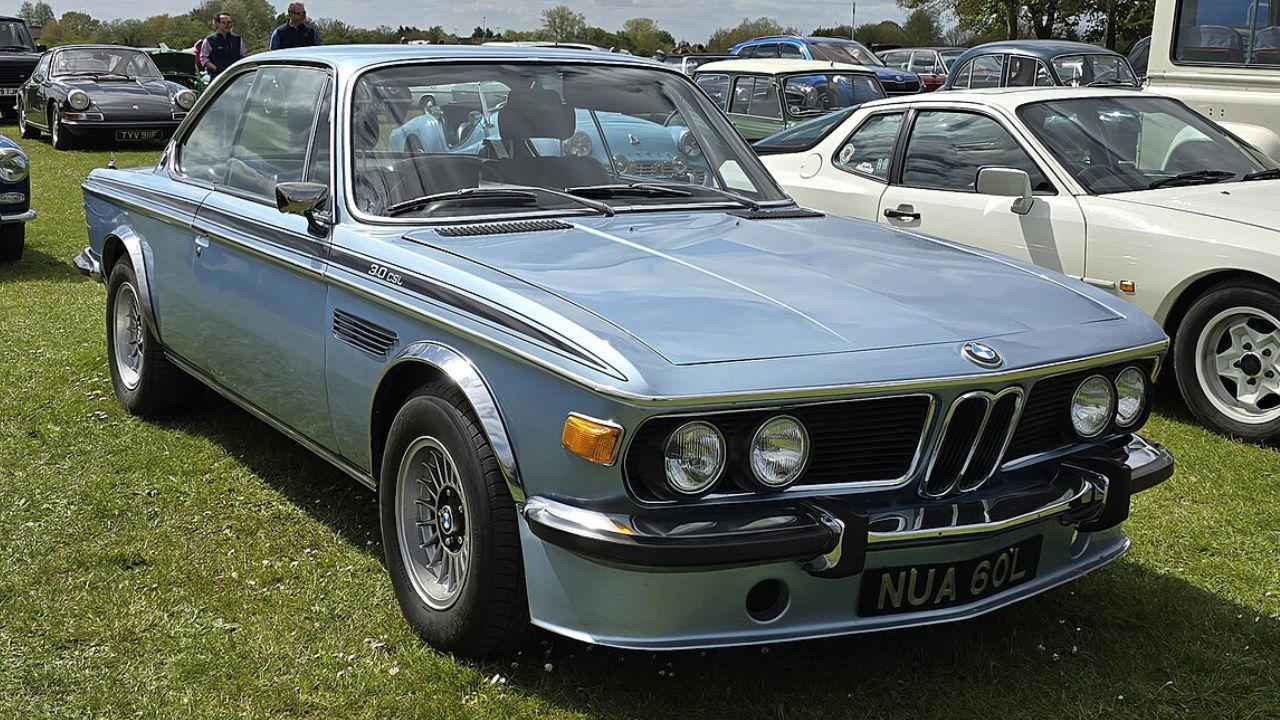



















The 1973 BMW 3.0 CSL delivered performance that challenged American muscle carsThe 1973 BMW 3.0 CSL, often dubbed the “Batmobile” for its iconic aerodynamic design, emerged as a remarkable contender in the automotive landscape, challenging the dominance of American muscle cars. With its blend of lightweight construction, innovative engineering, and robust performance, the CSL redefined expectations for sports cars of its era. Historical Context of the 1970s Automotive Landscape The early 1970s marked a golden age for American muscle cars, with manufacturers like Ford, Chevrolet, and Pontiac producing vehicles that celebrated raw power and aggressive styling. Models such as the Ford Mustang and Chevrolet Camaro dominated the streets, capturing the imaginations of car enthusiasts with their powerful V8 engines and muscular designs. However, this era was also characterized by increasing regulatory pressures, including stricter emissions standards and fuel economy concerns, which began to challenge the viability of high-displacement engines. In this context, European sports cars were making their mark, emphasizing not just speed but also handling and engineering prowess. BMW recognized the growing need to innovate and compete on an international scale, leading to the introduction of the 3.0 CSL. This model was not merely a response to American muscle; it was part of a broader ambition to establish BMW as a formidable player in the racing world. The Design Philosophy of the 3.0 CSL The 3.0 CSL was revolutionary in its approach to design and engineering, particularly with its focus on lightweight construction. The use of aluminum components significantly reduced the car’s overall weight, enhancing performance and agility. This emphasis on weight savings was not just for show; it was a cornerstone of BMW’s racing strategy, allowing the 3.0 CSL to excel on both the track and the road. The iconic “Batwing” rear spoiler was another hallmark of the 3.0 CSL’s design. This feature wasn’t merely aesthetic; it played a crucial role in aerodynamics, generating downforce that improved stability at high speeds. The streamlined silhouette of the car, combined with its striking design, made it a visual standout, embodying both functionality and style. The aesthetics of the 3.0 CSL contributed to its performance, showing that design and engineering can work hand in hand to create a truly exceptional sports car. Performance Specifications Under the hood, the 1973 BMW 3.0 CSL was powered by a robust 3.0-liter inline-six engine, capable of delivering an impressive 200 horsepower and 202 lb-ft of torque. This power allowed the car to accelerate from 0 to 60 mph in just over 6 seconds, a remarkable feat for its time. Coupled with a 4-speed manual transmission, the driving experience was exhilarating, providing a direct connection between the driver and the road. In addition to its powerful engine, the 3.0 CSL featured advanced suspension and braking systems that set it apart from many American muscle cars. The car’s independent rear suspension allowed for better handling and stability, especially in corners. When compared to its American counterparts, such as the Chevrolet Camaro and Ford Mustang, the CSL’s agility and precise steering offered a distinctly different driving experience, favoring finesse over brute force. Racing Heritage and Success The racing pedigree of the 3.0 CSL cannot be overstated. It was a dominant force in motorsport during the 1970s, achieving significant success in various championships, including the European Touring Car Championship. The car’s racing successes helped solidify BMW’s reputation as a manufacturer of performance vehicles, with the CSL becoming a symbol of the brand’s commitment to motorsport excellence. Notable drivers, such as Hans-Joachim Stuck and Niki Lauda, were associated with the 3.0 CSL, showcasing the car’s capabilities on the racetrack. Their victories contributed to the car’s legendary status within racing circles. The success of the 3.0 CSL not only enhanced BMW’s image but also inspired future generations of drivers and engineers, reinforcing the importance of innovation and performance in the automotive industry. Technological Innovations The 3.0 CSL was a trailblazer in terms of technological advancements. It was one of the first cars to feature fuel injection, which improved engine efficiency and performance. This technology was relatively rare in the early 1970s and set the 3.0 CSL apart from many of its contemporaries. The introduction of lightweight materials, such as aluminum and fiberglass, not only contributed to its speed but also influenced the manufacturing practices of other sports cars in the years to come. These innovations significantly impacted the driving dynamics of the 3.0 CSL. The combination of advanced engineering and lightweight construction resulted in a car that handled exceptionally well, offering a driving experience that was both thrilling and accessible. The legacy of the 3.0 CSL’s technological advancements can be seen in many of BMW’s subsequent models, which continue to prioritize performance and innovation. Cultural Impact and Legacy The 3.0 CSL has left an indelible mark on automotive culture, revered by enthusiasts and collectors alike. It is often celebrated as one of the greatest sports cars in history, consistently appearing in discussions about iconic vehicles. Its design and performance have inspired countless automotive enthusiasts, and it has secured a place in the hearts of those who appreciate the artistry of car manufacturing. Today, the 3.0 CSL is highly sought after in the collector’s market, with pristine examples fetching significant sums at auctions. The car’s legacy is not just confined to its performance on the track; it has also influenced automotive design and engineering in ways that are still felt today. Its recognition in publications such as Robb Report solidifies its status among the elite of automotive history, ensuring that it remains a celebrated figure in the world of sports cars. Comparing the 3.0 CSL to American Muscle Cars When comparing the 3.0 CSL to iconic American muscle cars like the Ford Mustang and Chevrolet Camaro, several key performance metrics stand out. While American muscle cars were known for their raw horsepower and straight-line speed, the 3.0 CSL excelled in handling and overall driving dynamics. The precise steering and balanced chassis of the CSL offered a level of agility that was often lacking in its American counterparts. The 3.0 CSL’s ability to navigate tight corners and maintain stability at high speeds made it a favorite among driving purists. In terms of pricing at the time of release, the 3.0 CSL was positioned as a premium sports vehicle, appealing to a different market segment than the more affordable muscle cars. This strategic positioning allowed BMW to carve out a niche for itself, focusing on the performance-oriented driver who valued sophistication alongside power. The 3.0 CSL in Popular Media The 3.0 CSL has made notable appearances in popular media, further cementing its legendary status. It has been featured in films and television shows that celebrate automotive culture, showcasing not only its design but also its performance capabilities. These representations have contributed to the car’s allure, making it a symbol of engineering excellence and high-speed excitement. Media representation plays a significant role in shaping public perception of vehicles, and the 3.0 CSL has benefited greatly from this exposure. Its striking design and performance have captured the imagination of car enthusiasts and the general public alike. This cultural resonance ensures that the 3.0 CSL remains an iconic figure in the automotive landscape, inspiring future generations of car lovers. The Future of the 3.0 CSL and BMW’s Evolution As automotive trends shift towards electrification and sustainability, the legacy of the 3.0 CSL continues to influence BMW’s approach to performance vehicles. The company recognizes the importance of its heritage models and has begun to explore ways to integrate classic design elements into modern cars. The revival of iconic names within the BMW lineup signifies a commitment to honoring the past while embracing the future. Current trends in restoring and preserving classic performance cars have also contributed to the enduring appeal of the 3.0 CSL. Enthusiasts and collectors are investing time and resources into maintaining these iconic vehicles, ensuring that they remain a vital part of automotive history. As we look to the future, it’s clear that the spirit of the 3.0 CSL will continue to resonate within BMW’s philosophy, influencing the design and performance of their upcoming sports cars. More from Fast Lane OnlyUnboxing the WWII Jeep in a Crate15 rare Chevys collectors are quietly buying10 underrated V8s still worth hunting downPolice notice this before you even roll window down