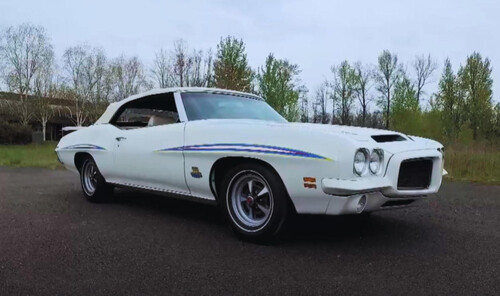
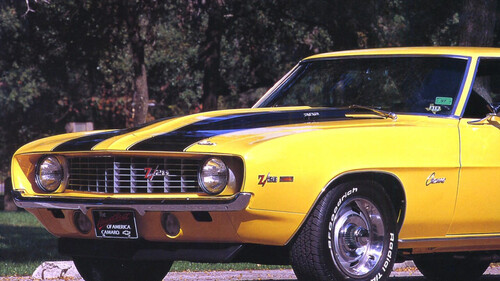
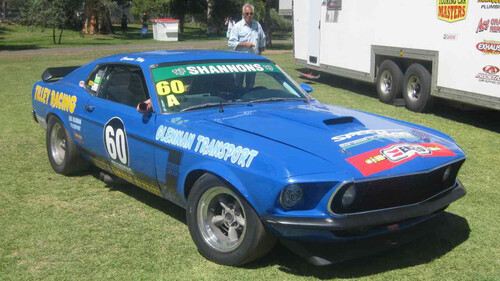
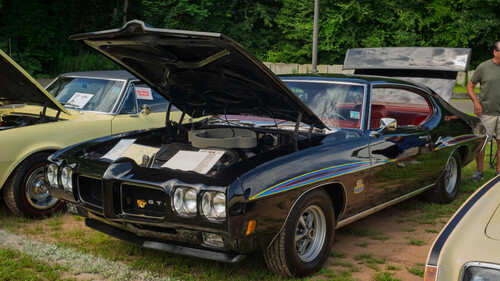
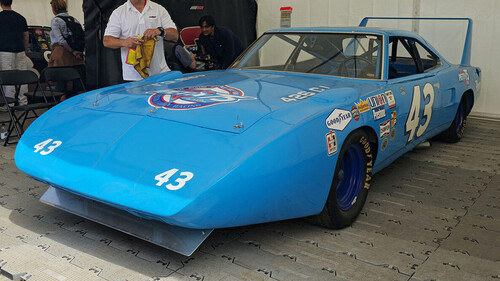
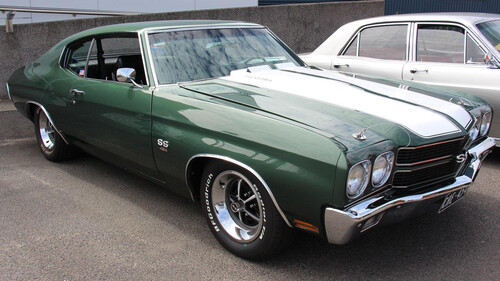
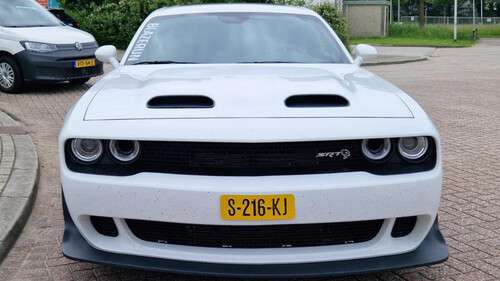
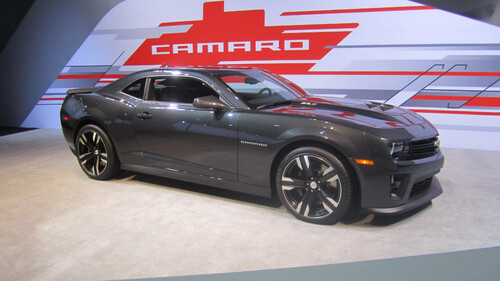
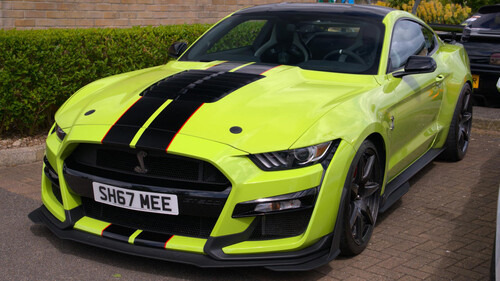
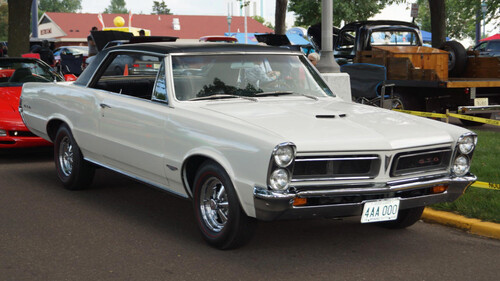
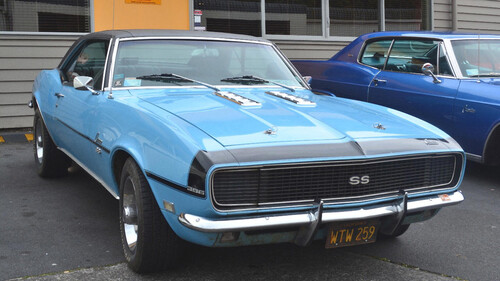
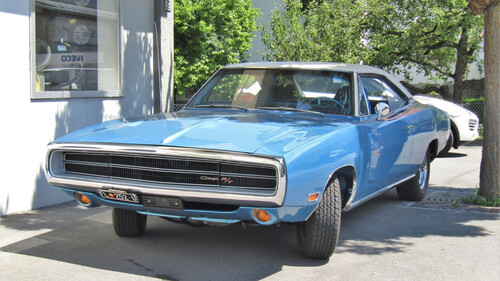
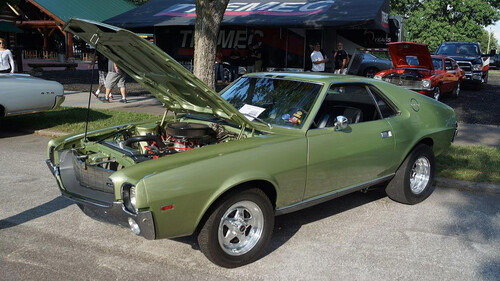
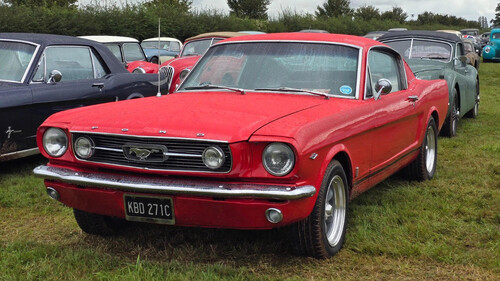
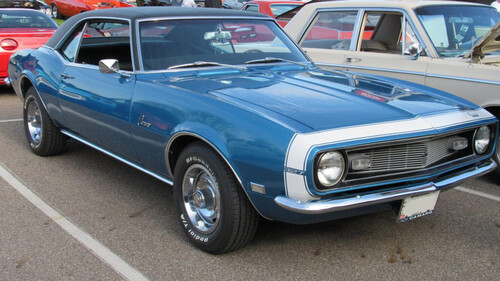
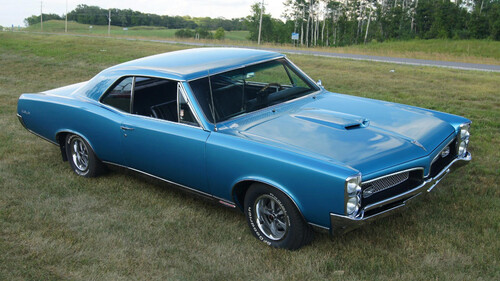
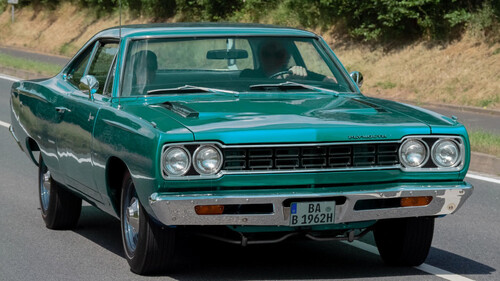
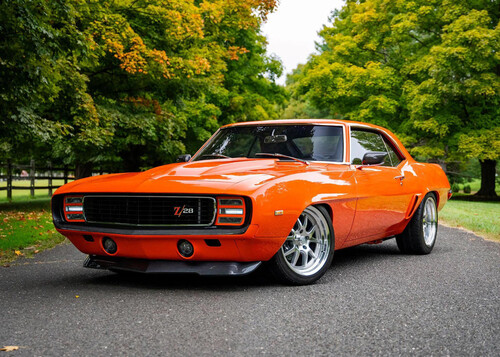
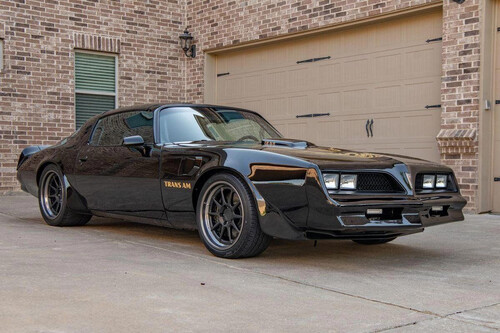
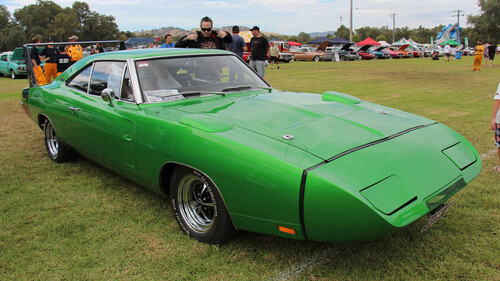
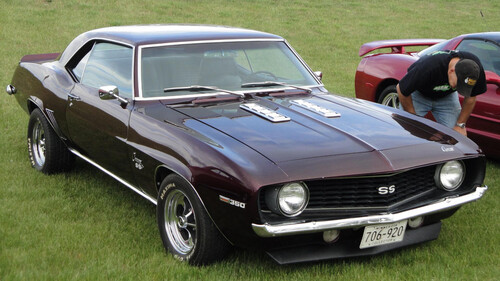
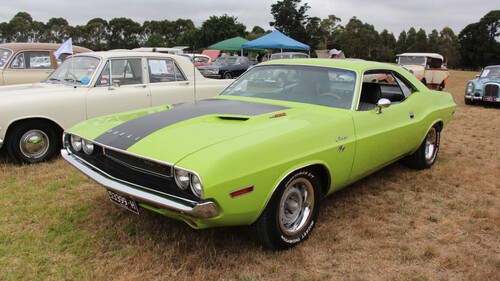
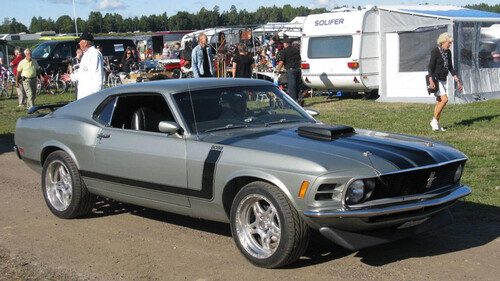
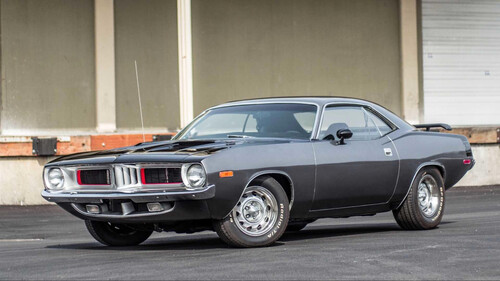
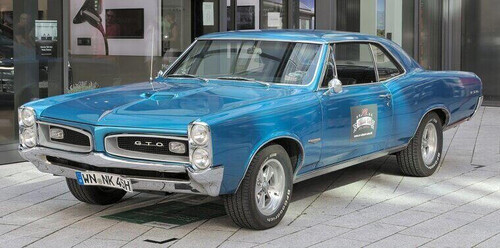
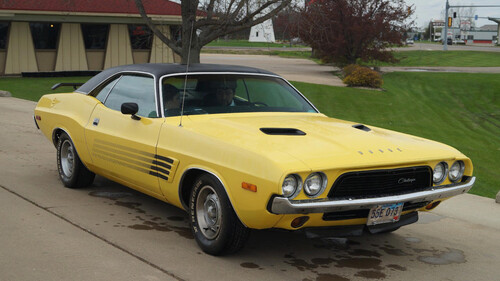
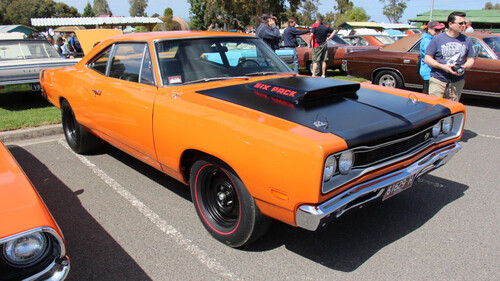
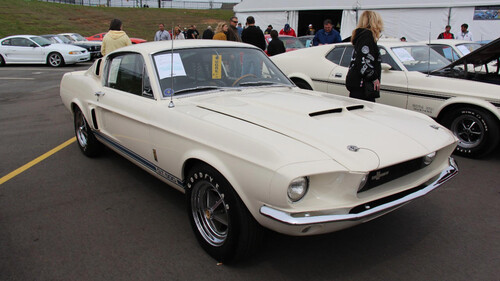
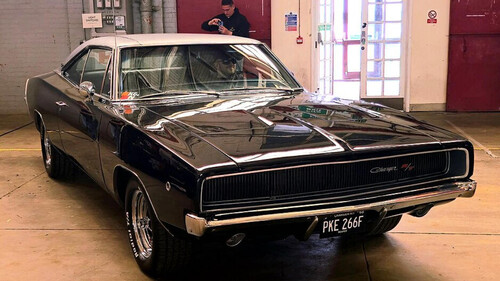
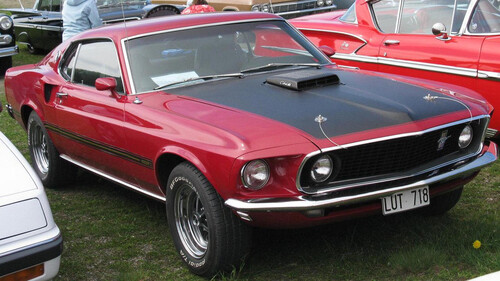
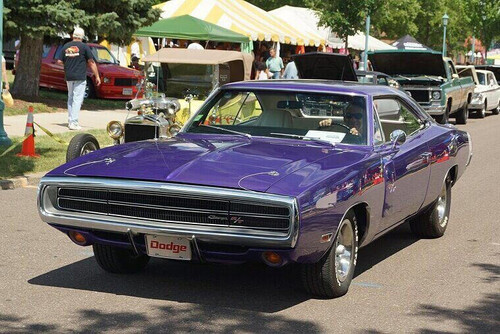
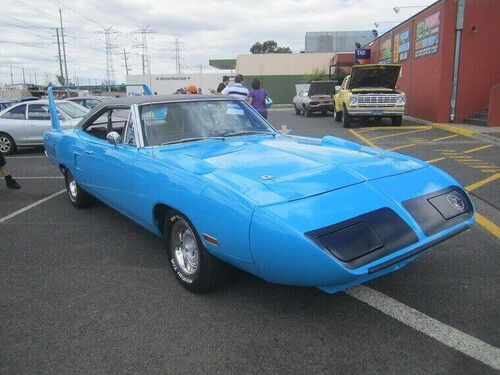
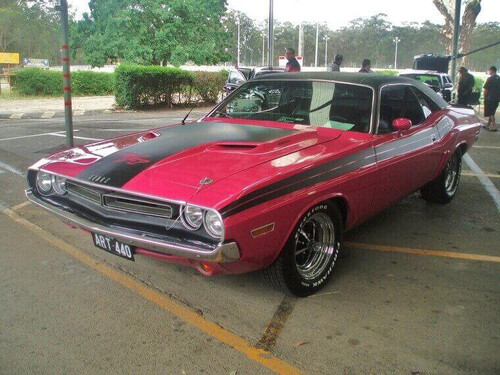
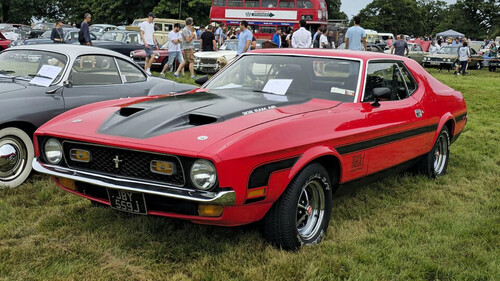
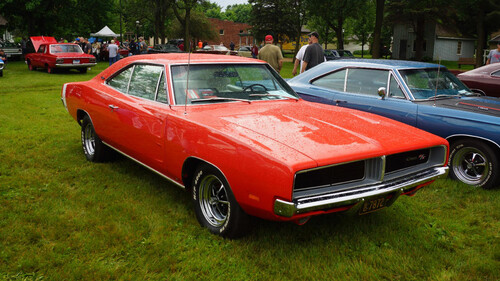
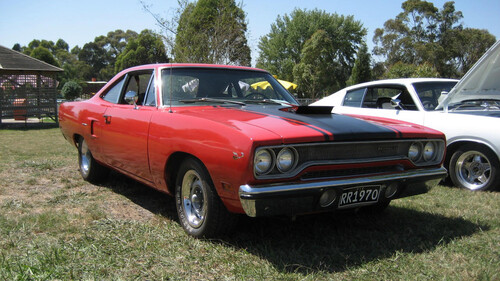
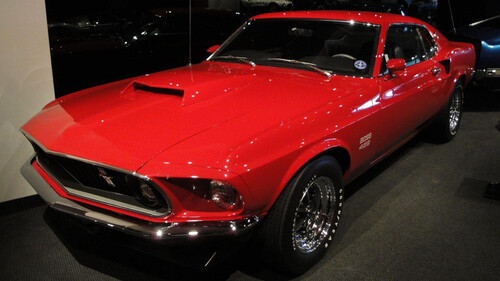
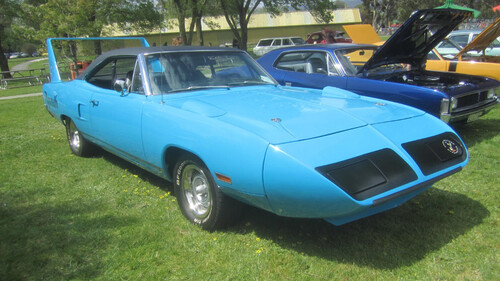
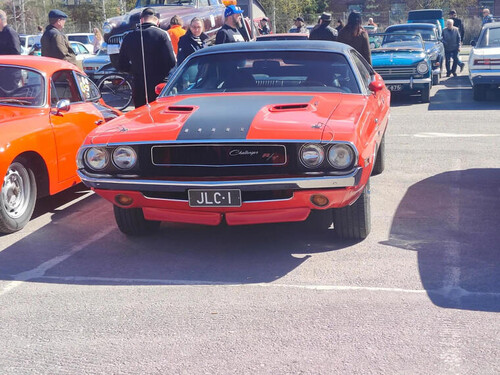
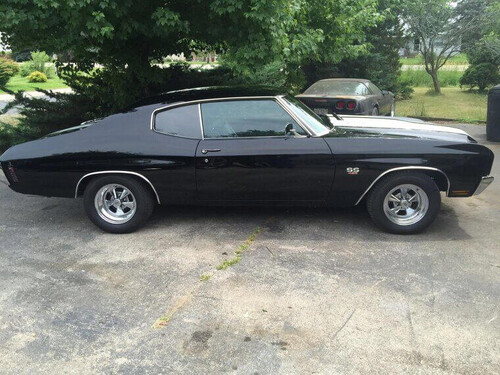
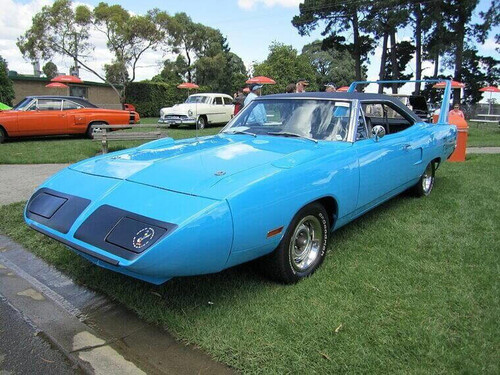
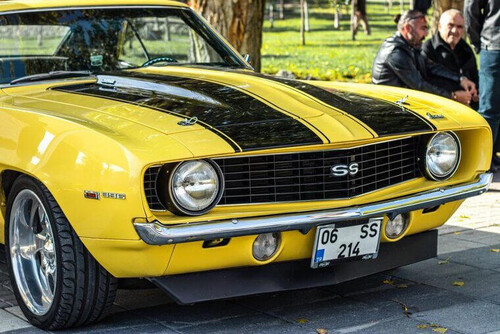
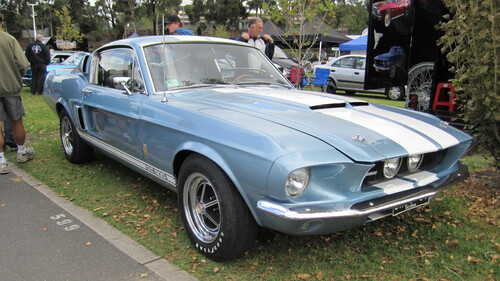
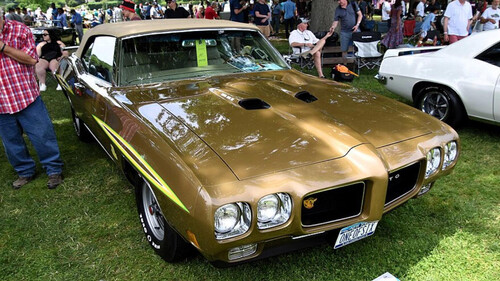
These Muscle Cars Transformed American Car CultureAmerican muscle isn’t just a spec sheet—it’s a soundtrack of big-block cam rattle, a whiff of clutch at the stoplight, and movie scenes burned into our brains. Below is a 22-slide, enthusiast-built tour of 20 muscle cars that changed the way we build, race, mod, cruise, and obsess over cars in the U.S. From early drag-strip ringers to modern supercharged monsters, each one left tire marks on culture, not just pavement.1962 Chevrolet Impala SS 409Before “muscle car” was common parlance, Chevy’s 409 made teenagers memorize lift specs and sing about engines. The 409-powered Impala stormed the strip and inspired the Beach Boys’ hit “409,” which helped fuse V-8 performance with pop culture. Hemmings traces how the 409 arrived to answer Ford’s rising horsepower in early ’60s Super Stock, while the Beach Boys’ song cemented the engine’s legend with the wider public.1964 Ford Fairlane ThunderboltFord proved “win on Sunday, sell on Monday” with a factory drag car. The Thunderbolt packed a 427 FE, fiberglass bits, and a singular mission: NHRA domination. Ford Performance notes just 100 were built—and they delivered Ford the 1964 NHRA Super Stock title—making the Thunderbolt a blueprint for latter factory drag specials.1964 Pontiac GTOThe GTO turned a mid-size Pontiac into a boulevard brawler, lighting the fuse for the classic muscle era. Car and Driver’s early test publicized its punch, while Smithsonian Magazine explores how Pontiac’s product rebels (hello, DeLorean) bent rules to create America’s first widely loved “muscle car.” The result: an industry-wide horsepower arms race.1965 Shelby GT350Carroll Shelby took Ford’s Mustang and built a road-race terror that taught America the value of lightness and balance alongside power. Ford’s own historical material calls out the GT350’s 306-hp rating and SCCA successes, making it the halo that legitimized pony cars as real performance machines and helped seed today’s track-pack mentality.1968 Dodge Charger R/TThe ’68 Charger’s “coke-bottle” body and hidden lamps made it an instant icon—but pop culture lit the afterburners. The legendary Bullitt chase pitched R/T vs. Mustang on San Francisco streets, helping make the Charger a poster-car for antisocial cool. Hagerty charts the model’s design and impact; the Historic Vehicle Association documents the Bullitt car’s cultural resonance that lifted both rivals.1969 Chevrolet Camaro Z/28Built to homologate Chevy’s Trans-Am program, the Z/28’s high-revving 302 turned street corners into apexes. Its racing purpose—and the mystique of a small-block that screamed—cemented the Camaro’s identity as a driver’s muscle car. Deep dives from Ate Up With Motor and Hemmings unpack how the Z/28 connected showroom to pit lane.1969 Dodge Charger DaytonaA wind-tunnel weapon with a nosecone and sky-high wing, the Daytona proved aero could win on the oval—and shape the street. Buddy Baker cracked the 200-mph barrier at Talladega in a Daytona, forcing NASCAR to rewrite rules and teaching every enthusiast the value of downforce. Road & Track chronicles the 200-mph milestone that made “Wing Cars” legend.1970 Chevrolet Chevelle SS 454 LS6If you grew up believing “there’s no replacement for displacement,” the LS6 was your prophet. Hemmings details the 450-hp factory rating and how this big-block gave Chevy intermediates more grunt than Corvette that year. It became the yardstick for all-time classic muscle power.1970 Plymouth Hemi ’CudaThe E-body ’Cuda—especially with the 426 Street Hemi—blended brash styling, High Impact colors, and race-bred mystique. Period and historical retrospectives tally minuscule Hemi production and sky-high desirability, while chronicling how Plymouth’s pony car roared into collector royalty. Supercars.net’s history captures the scarcity and aura that keep ’Cudas mythic.1970 Dodge Challenger R/TSharing E-body DNA with the ’Cuda but wearing its own swagger, the Challenger R/T arrived with a full roster of big-blocks, shaker hoods, and bright paint. E-body overviews capture how the 1970 redesign finally let Dodge go toe-to-toe in the pony-car wars—and the car’s image has been echoing through retro-styled Challengers ever since.1970 Oldsmobile 442 W-30Olds packaged refinement with ferocity. The W-30 added aluminum intakes, wild cams, and red inner fenders—muscle with manners and pedigree. Hemmings lays out how the W-30 variant made 442s formidable at the strip while giving GM’s “thinking man’s muscle” its own cult.1971 AMC Javelin AMXAmerica’s independents could throw punches, too. The Penske-prepped Javelin AMX snagged the 1971 SCCA Trans-Am championship with Mark Donohue, giving AMC a headline win that boosted showroom swagger and cemented the brand in racing lore. The Trans Am Hall of Fame summarizes Donohue’s dominant run; enthusiast histories fill in the context.1977 Pontiac Firebird Trans AmIt wasn’t the quickest T/A ever—but it might be the most influential. Smokey and the Bandit turned the black-and-gold SE into an overnight superstar. Hagerty reports Pontiac moved roughly 25,000 extra Trans Ams in 1978 thanks to the film’s halo. Movie magic + muscle car = a sales and pop-culture rocket ride.1987 Buick GNXIn the middle of the malaise hangover, Buick dropped a stealthy turbo V-6 assassin. The GNX, built with ASC/McLaren, was officially rated at 276 hp and ran shockingly quick—proving tech could out-punch cubes. Hagerty and Hemmings explain how this all-black coupe became America’s quickest production car of its year and a legend of ’80s performance.1998 Chevrolet Camaro Z28 (LS1)When Chevy slipped the all-aluminum LS1 into the F-body, it launched a modern hot-rodding dynasty. Lighter, stronger, and endlessly mod-friendly, LS engines changed everything from grassroots builds to pro touring. Period buyer’s guides (Edmunds) document the LS1’s arrival and output, setting the template for two decades of swap culture.2003 Ford SVT Mustang Cobra “Terminator”SVT strapped a factory Eaton blower to the 4.6 and gave us 390 hp, forged-bottom-end durability, and 11-second potential with a pulley and tune. Ford Performance’s engine history notes the supercharged “Terminator” and its iron block—hardware that mainstreamed the bolt-on boost era for Mustang fans.2008 Dodge Challenger SRT8The retro-resurgence hit its stride here. Dodge revived the classic silhouette and backed it with a 425-hp 6.1-liter Hemi, proving nostalgia and modern performance could share a garage. Car and Driver’s launch coverage captured how this car reignited the three-way pony war on American streets.2012 Chevrolet COPO CamaroThe Thunderbolt spirit, reborn: a turn-key, NHRA-legal factory drag car you ordered from Chevrolet Performance. Chevy’s own COPO materials lay out the 2012 spec program (327 NA, 327 SC, 427) and the revival of a 1969 idea for modern Sportsman racers—bringing factory-backed drag culture into the 21st century.2015 Dodge Challenger SRT HellcatThree digits—707—recalibrated what “streetable” meant. The Hellcat democratized supercar power, made dyno sheets party conversation, and kicked off an arms race. Stellantis media materials confirm the 6.2-liter supercharged Hemi’s 707HP rating and helped canonize “Hellcat” as a household name well beyond our scene.2020 Ford Mustang Shelby GT500Dual-clutch, MagneRide, aero—this is a track scalpel that still rumbles like Detroit. Ford’s media release pegs output at 760 hp, making it the most powerful street-legal Ford ever and proof that modern muscle can mix brute force with electronics and engineering finesse.