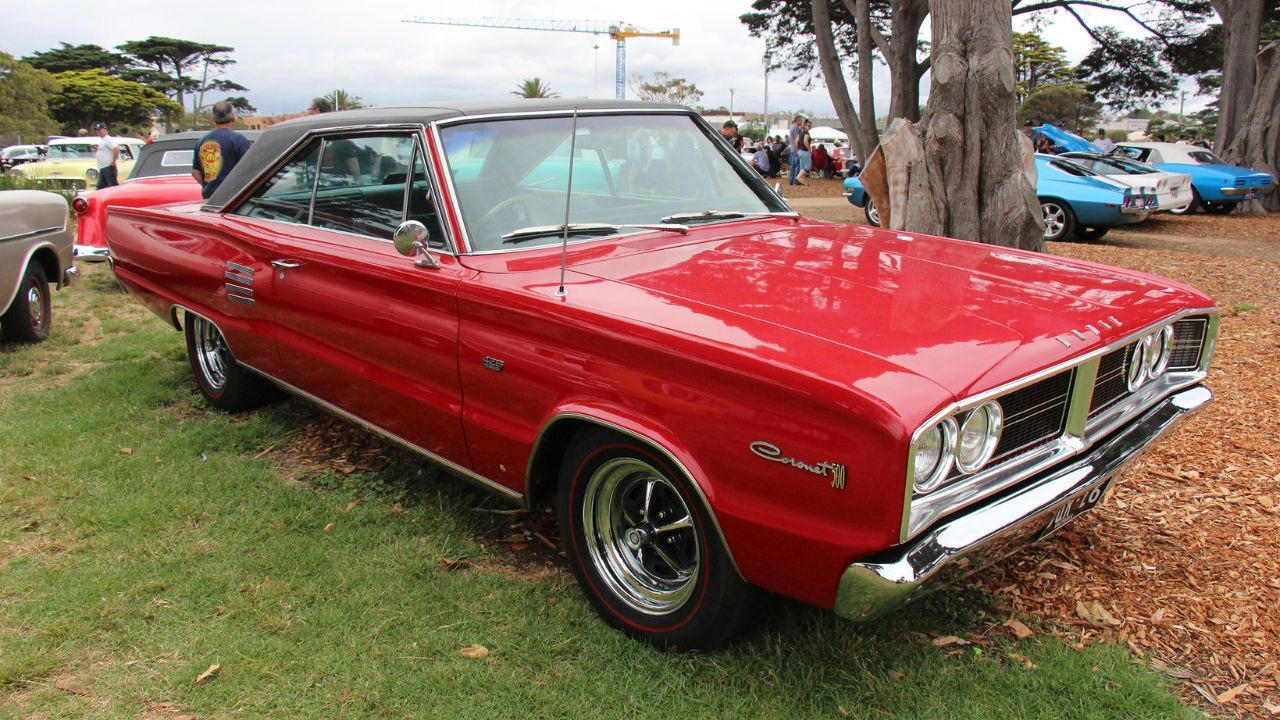
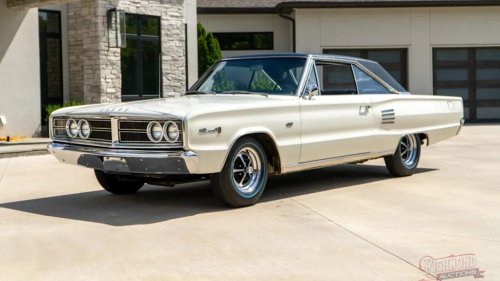
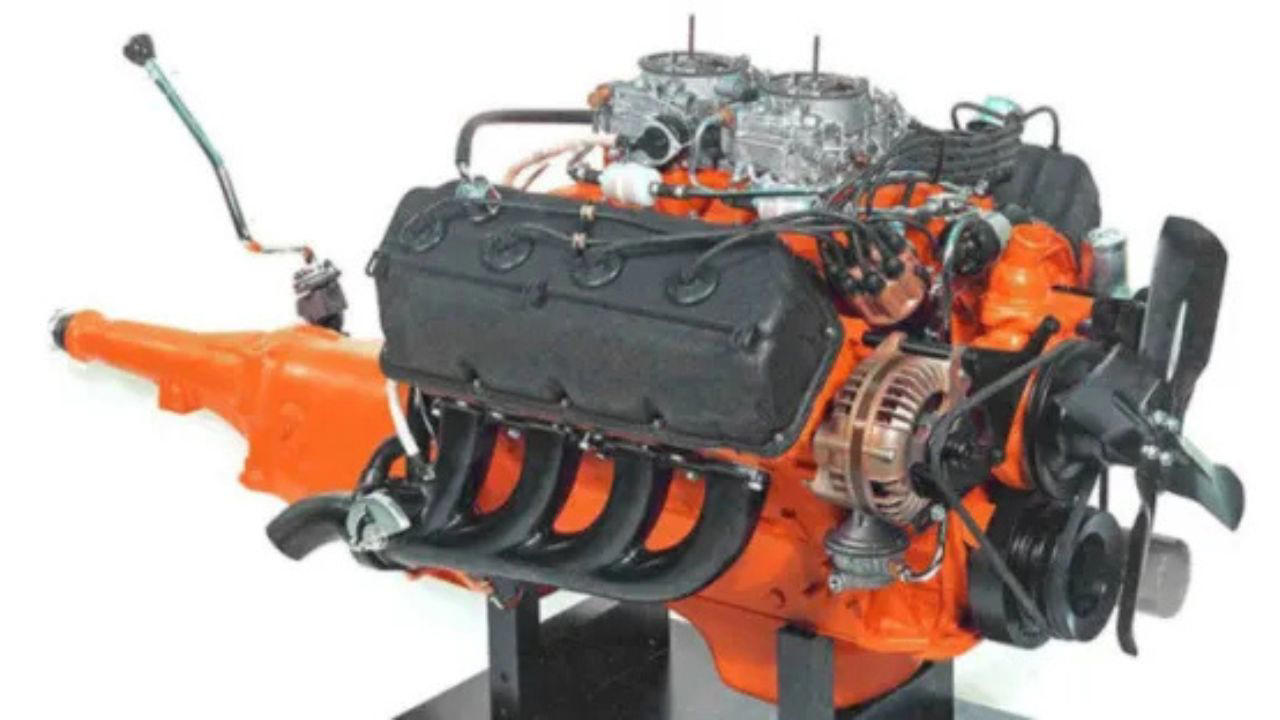
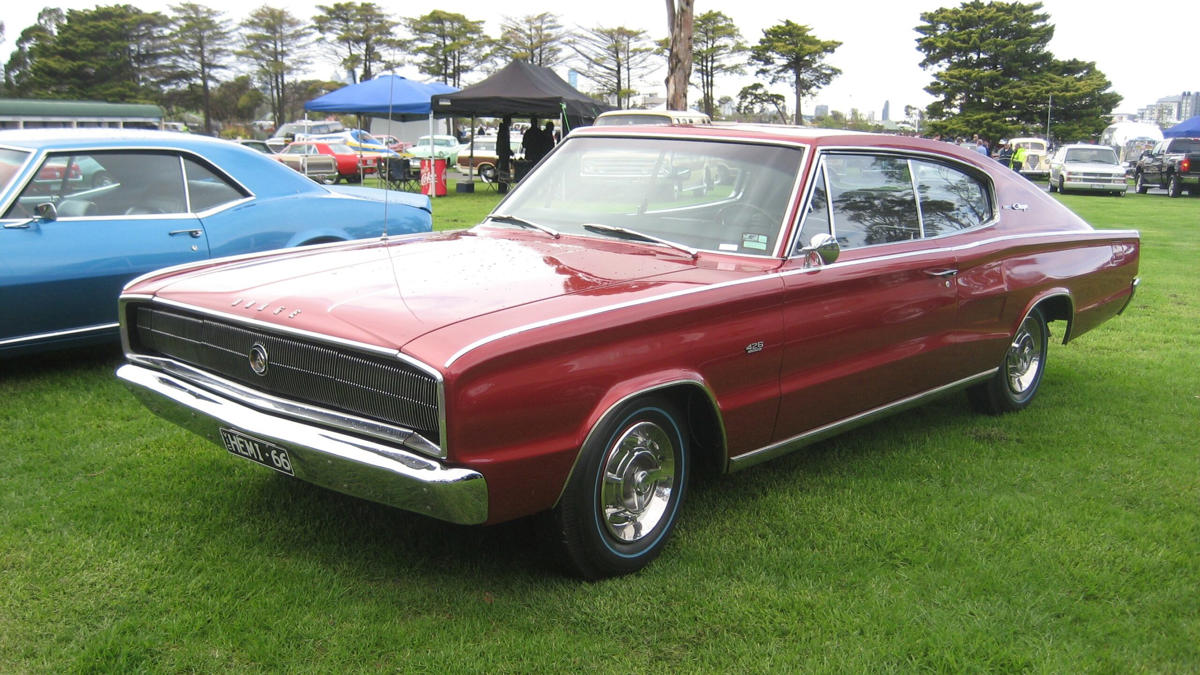
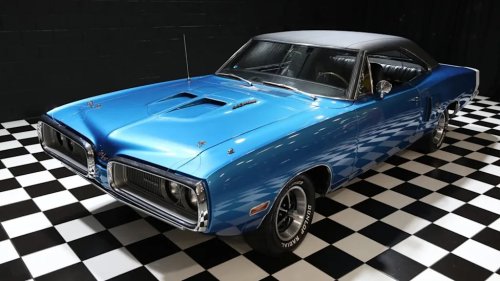
This 1966 Hemi Coronet could run times that made competitors nervousThe 1966 Hemi Coronet arrived just as Detroit’s horsepower war was shifting from rumor to reality, and it did not ask politely for attention. With a 426 cubic inch V8 carrying a Factory rating of 425 horsepower and 490 lb-ft of torque, this mid-size Dodge could post quarter-mile times that left rivals scrambling for answers. On paper, it looked like a family sedan, but on the strip, it delivered the kind of numbers that made competitors nervous. That contrast between ordinary sheetmetal and extraordinary speed is what turned the Hemi Coronet into a legend. The car’s mix of the “Elephant Engine,” short gears, and no-frills hardware gave buyers a street-legal weapon that could humiliate more glamorous machinery while still wearing hubcaps and bench seats. How the 426 HEMI turned a Coronet into a threat At the center of the story is the 426 HEMI, a big-block V8 whose hemispherical combustion chambers and massive heads earned it the “Elephant Engine” nickname. In street trim, it was Factory-rated at 425 horsepower and 490 lb-ft of torque, figures that came straight from Chrysler’s own documentation and are repeated in period road test data. The displacement figure of 426 cubic inches became a calling card, and the torque output was just as important as the peak horsepower when it came to launching a heavy B-body off the line. The same 426 figure appears again in descriptions of the Coronet 500, where the HEMI is again described as an “Elephant Engine” with a Factory rating of 425 horsepower and 49 and change in torque, a shorthand that underlines how much twist the engine produced even before tuners started experimenting with headers and timing curves. Enthusiasts looking at the Coronet 500 HEMI convertible see those numbers repeated in period sales literature and modern writeups, which describe the 426 HEMI as the defining feature of the car. In contemporary commentary, owners and historians often point out that the official 425-horsepower rating was conservative. One detailed feature on a survivor-grade Coronet again lists the engine at 425 horsepower, with the author noting that many insiders believed the real output was higher. That skepticism mirrors comments in enthusiast media and on-camera discussions, including a segment where a 1966 Dodge Coronet is described as officially rated at 425 horsepower, although seasoned observers suspected the figure was understated, a point reinforced in a widely viewed video focused on the model. From NASCAR to the neighborhood: why Chrysler built the Street Hemi The 1966 model year marked the first appearance of the Street Hemi in regular production cars. Chrysler developed the Street Hemi to meet NASCAR homologation rules, which required a certain number of engines to be sold in road-going vehicles before they could run in stock car competition. That link between showroom and speedway is spelled out clearly in coverage that notes how the year 1966 was the first for the Street Hemi engine, and that Chrysler created the Street Hemi to homologate the engine for NASCAR, a detail highlighted in an in-depth technical feature. Earlier development work had focused on race-only Hemis, but homologation rules for 1966 motivated the creation of the 426ci Street Hemi as a production engine. Reports on a restored Coronet Deluxe Hemi explain that Homologation requirements pushed Chrysler to adapt its competition hardware for everyday use, which is why the Street Hemi arrived with exhaust manifolds instead of open headers and a slightly tamer cam profile. That background is laid out in detail in a feature on a Coronet Deluxe that spent most of its life on the dragstrip, where Homologation rules are described as the trigger for the Street Hemi program. The result was a car that carried genuine racing DNA into suburbia. The Street Hemi shared its basic architecture with competition engines, and coverage of the 1966 lineup emphasizes that precious little could keep up once a buyer ticked the right boxes. The Coronet’s relatively light B-body shell, combined with the Street Hemi’s airflow and compression, turned the car into a factory-built bracket racer. Quarter-mile times that changed the conversation Factory performance numbers for the 1966 Hemi Coronet varied depending on gearing, body style, and test conditions, but they consistently landed in territory that made rivals uneasy. A valuation profile for the Coronet 440 notes that the Hemi delivered 0 to 60 miles per hour in 6.1 seconds and a quarter-mile run in 14.5 seconds in stock form, and that these cars left the factory with a heavy-duty transmission and unique driveline parts to cope with the power. Those figures come directly from period testing summarized in a detailed Coronet 440 profile. Owners quickly learned how to beat those numbers. One long-running feature on an unrestored 1966 Dodge Hemi Coronet reports that careful tuning could produce low 14-second ETs, and that with 3.54 or shorter gears, the times dropped into the mid-13s, with trap speeds well into triple digits. The same 3.54 ratio appears again in coverage of the Coronet 500, where writers explain that with 3.54 or 4.10 g rear gears, a HEMI Coronet 500 could run mid-13s in the quarter-mile straight from the factory. Those mid-13-second times were not marketing fantasies. A separate performance overview of the 426 HEMI notes that with 425 horsepower and a guaranteed mid-13-second quarter-mile for any car equipped with it, there was no answer from GM or Ford, a point made in a feature on what might be the rarest four-door Hemi on the planet. That piece explains that with 425 horsepower and mid-13-second capability, Mopar ruled the streets because neither Chevrolet nor Ford had a direct answer in 1966. Why the Hemi Coronet was a true sleeper Part of what made the 1966 Hemi Coronet so intimidating was how little it advertised its intent. Many cars were ordered as basic Coronet 440 or Coronet 500 models with minimal trim, bench seats, and steel wheels. A well-documented car that spent most of its life on the dragstrip is described as a Coronet Deluxe Hemi, which underlines how the Hemi option could be paired with an otherwise modest specification. The goal was simple: spend money on the Street Hemi and driveline, not on chrome. Contemporary buyers could choose between relatively tame 3.54 gears or aggressive 4.10 g ratios, and those choices had a direct impact on quarter-mile performance. Reports on unrestored survivors explain that cars with 3.54 gears were already capable of mid-13s, while those with shorter gears could dip even lower once owners experimented with slicks and tuning. The same gearing details appear in commentary on the Coronet 500 HEMI, which notes that a Coronet 500 with a HEMI and 3.54 or 4.10 g gears could run mid-13s straight from the factory, reinforcing the idea that this was one of the ultimate sleepers of the muscle-car era. Even high-profile enthusiasts have emphasized how stripped these cars could be. In a video segment centered on a 1966 Dodge Coronet, the host points out that the car was basic, lacking air conditioning, power steering, and power brakes, and that although it was officially listed at 425 horsepower, many people believed the real figure was higher. That combination of bare-bones equipment and big power is highlighted in the on-camera walkaround, which treats the car as a time capsule from the heyday of factory drag specials. The White Elephant and the dragstrip legacy The Hemi Coronet’s reputation was not built solely on brochures and magazine tests. It was forged at the dragstrip, where specific cars became legends in their own right. One of the most famous is The White Elephant, a 1966 Dodge Hemi Coronet 440 that later became a World Series of Drag Racing Class Champion. Coverage of this car notes that it is one of 288 Hemi 4 SPEED Coronets produced for the 1966 model year, and that the hardtop version known as The White Elephant is one of 162 examples built with a 426ci Hemi V8. Those details are laid out in a detailed auction listing that refers to the car as a 1 of 288 and highlights the 162 production figure. Another detailed feature on the same car explains that in 1967, this Hemi Coronet gained its nickname, The White Elephant, after it took part in the World Series of Drag Racing at the Cordova Drag track. That account describes how the car, already known for its 426 Hemi and four-speed combination, cemented its status by winning its class at the World Series of Drag Racing, and that, except for some safety upgrades, it has remained remarkably original. The story of The White Elephant is recounted with period photos and technical details in a feature that traces its journey from Cordova Dra to modern auctions, where it is promoted as a World Series of icons. The White Elephant’s success helped define what a Hemi Coronet could do when prepared for serious competition. It also reinforced the idea that even among Hemi cars, some builds were particularly rare. Auction and enthusiast coverage repeatedly reference the figure of 288 Hemi 4-Speed Coronets produced, and explain that within that group, the White Elephant stands out as a World Series of Drag Racing Class Champion that still carries its original 426 Hemi and four-speed hardware. Rarity, body styles, and the 500 Hemi Convertible Not every Hemi Coronet lived its life at the dragstrip. Some were ordered as surprisingly luxurious machines, including convertibles and higher-trim 500 models. One standout example is the 1966 Dodge Coronet 500 Hemi Convertible, approximately 21, which is often cited as one of the rarest combinations of body style and engine. Coverage of this car describes the Coronet as a midsize model that helped bridge the gap between family car and muscle machine, and emphasizes that the 426 HEMI, often referred to as the Elephant Engine due to its massive size and power, was factory-rated at 425 horsepower and 49 and change in torque. Those details appear in a feature that highlights the Coronet 500 HEMI 21 production total and its role in Mopar history. Another reference to the 500 name appears in a separate citation trail that points to a 500 Hemi Convertible Approximately example, again underlining how few of these cars were built. That same trail includes a playful link that associates the Dodge Coronet and Hemi Convertible Approximately 500, with modern pop culture, a reminder that these cars have permeated far beyond traditional car-collector circles, as seen in a discovered GIF tied to the model. More from Fast Lane Only Unboxing the WWII Jeep in a Crate 15 rare Chevys collectors are quietly buying 10 underrated V8s still worth hunting down Police notice this before you even roll window down