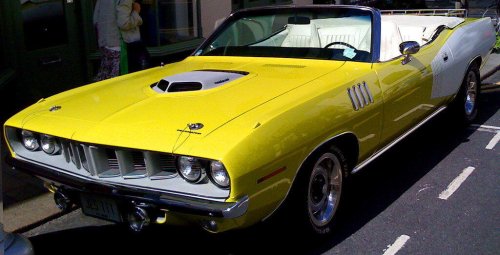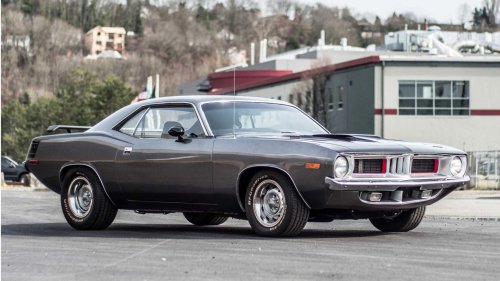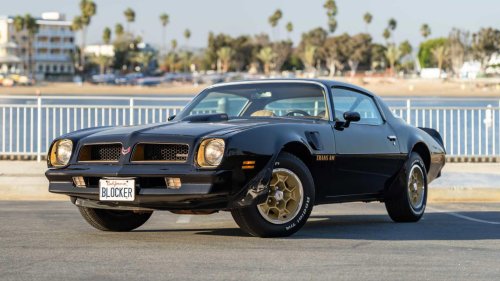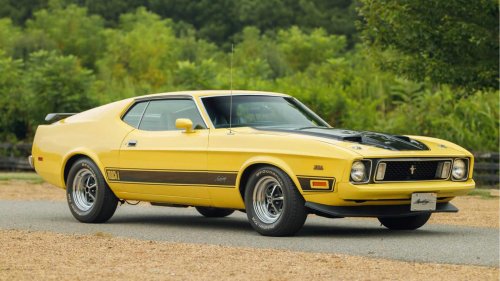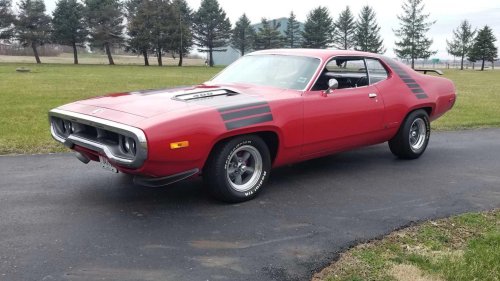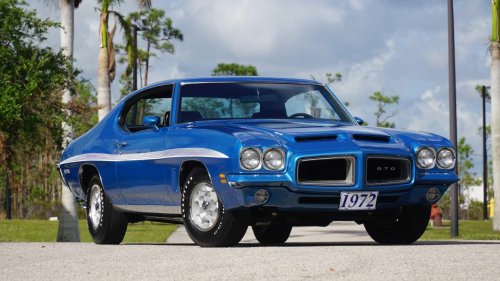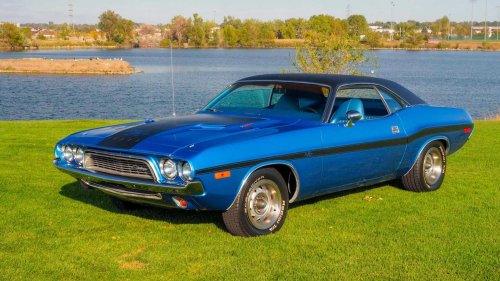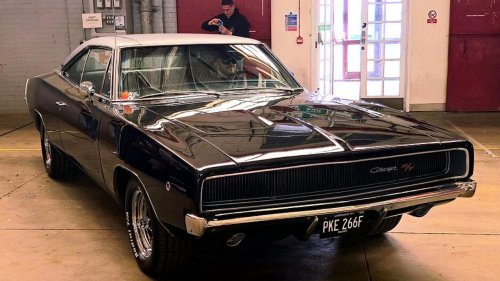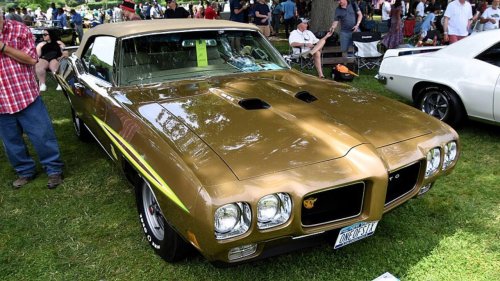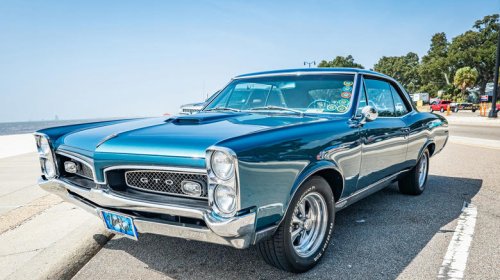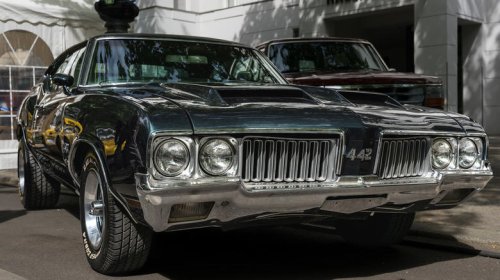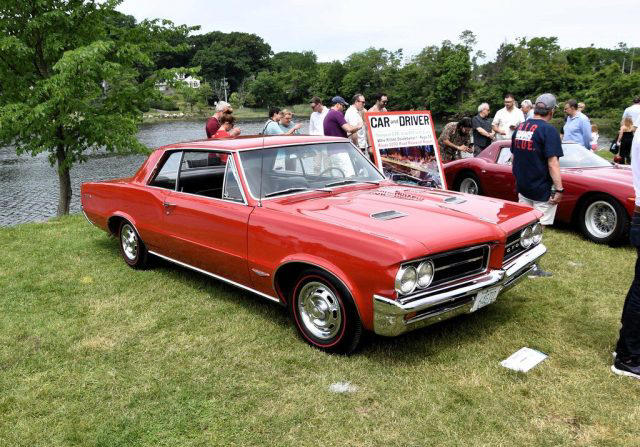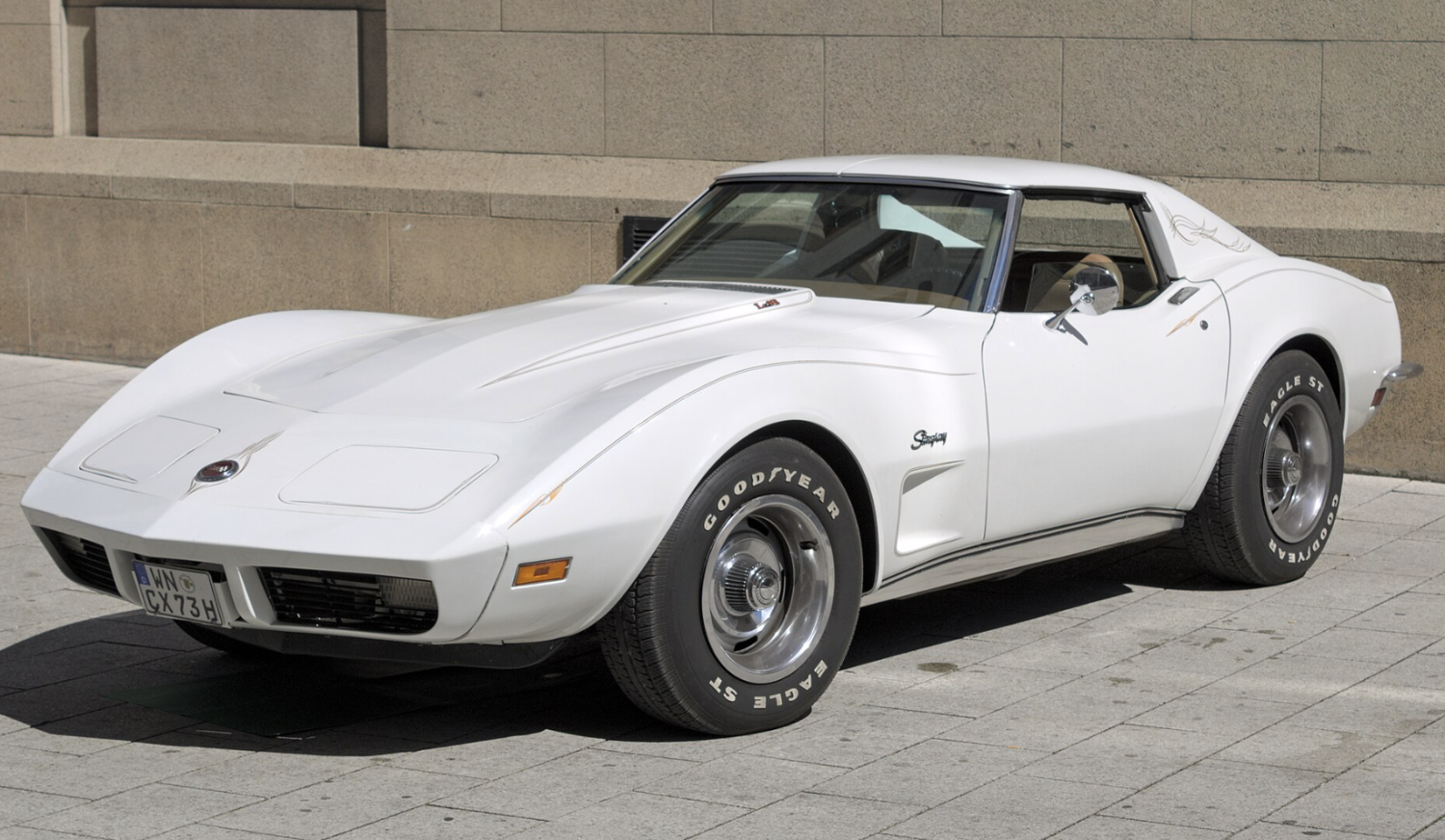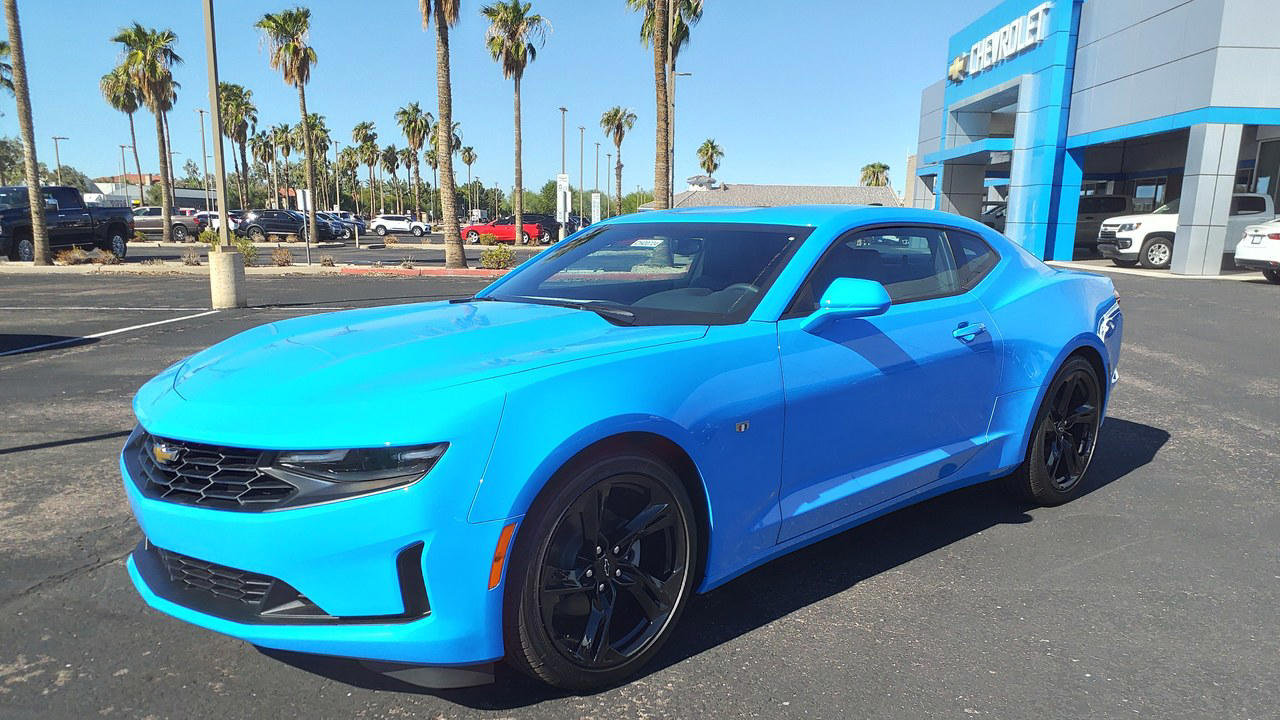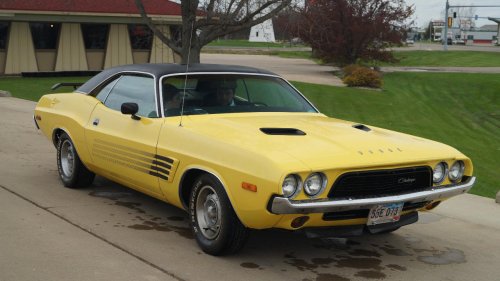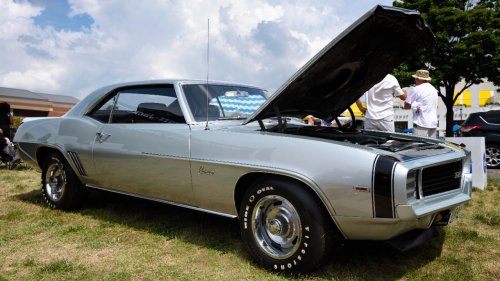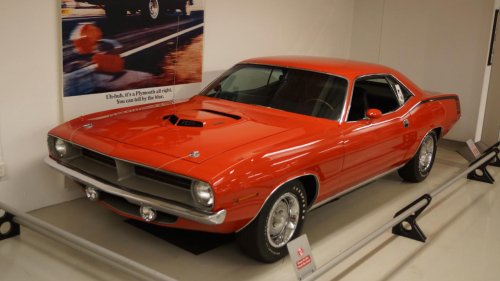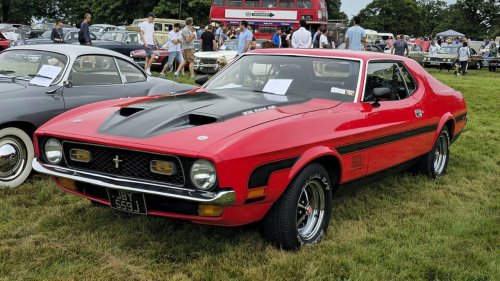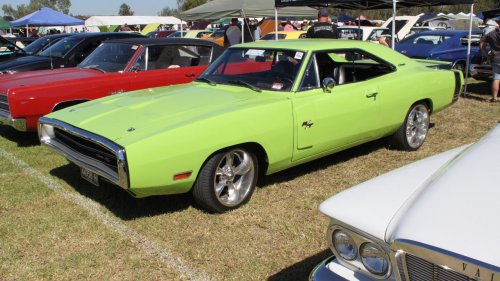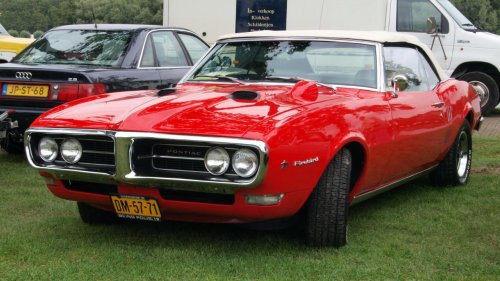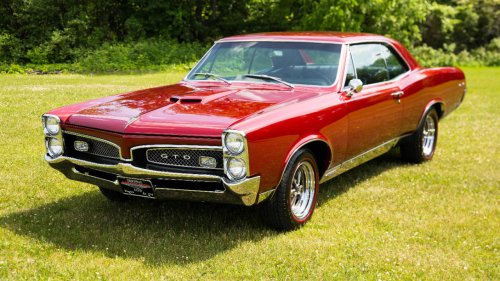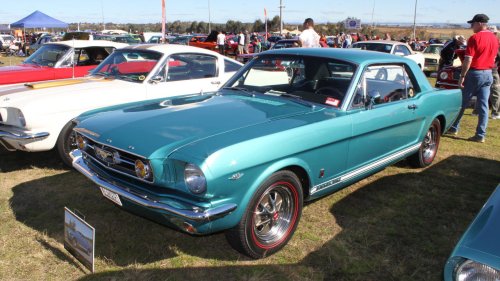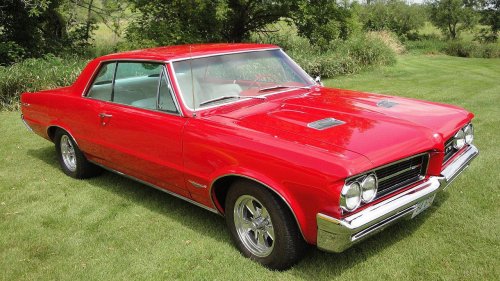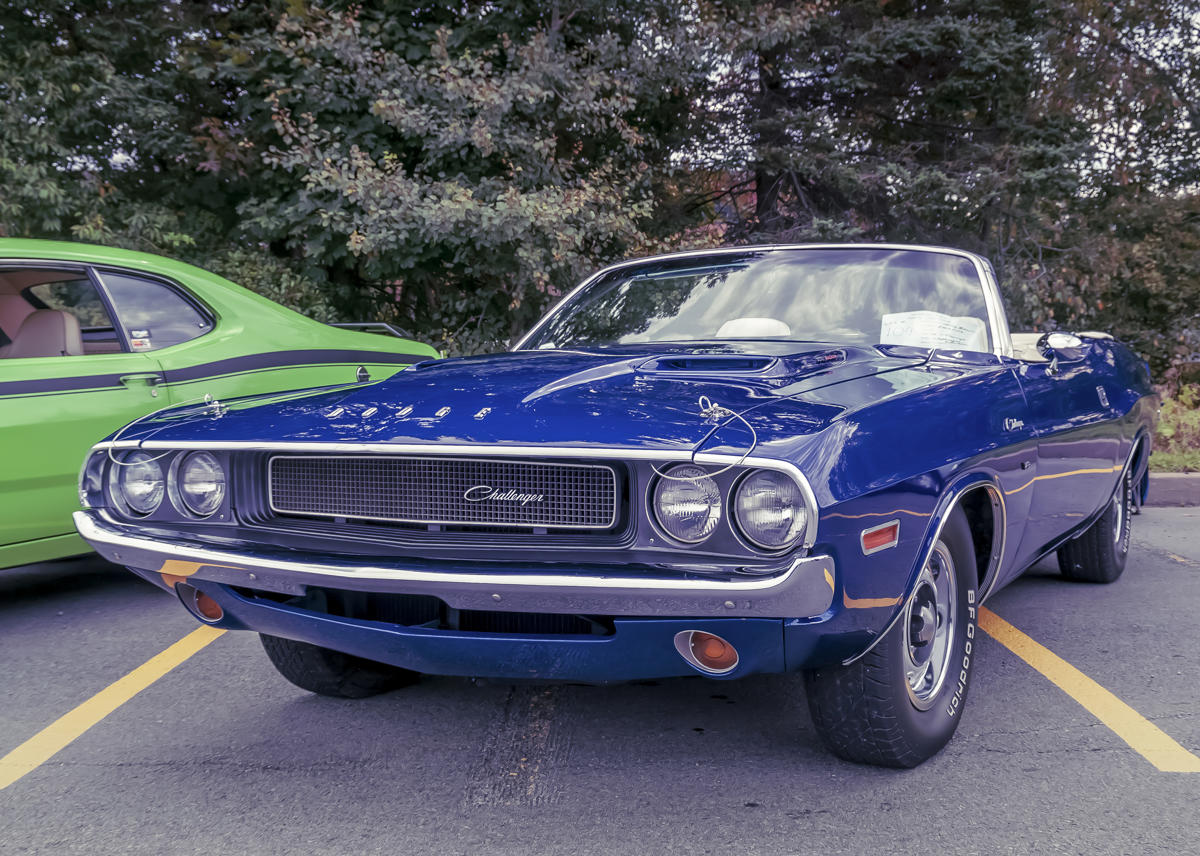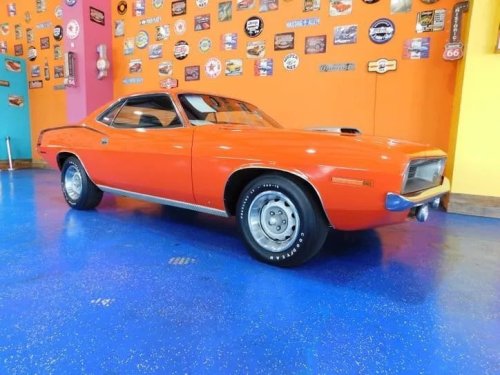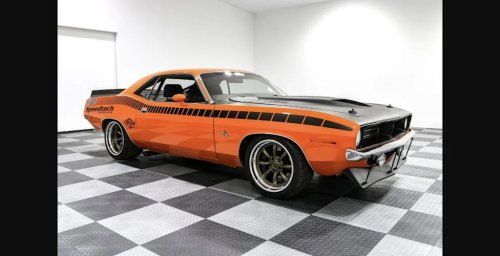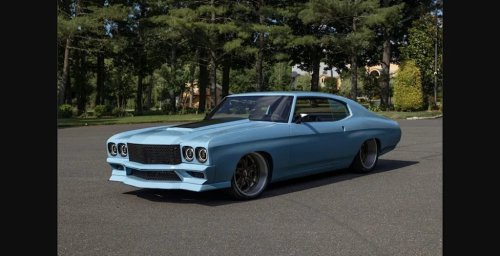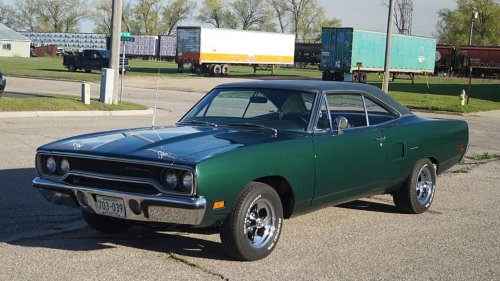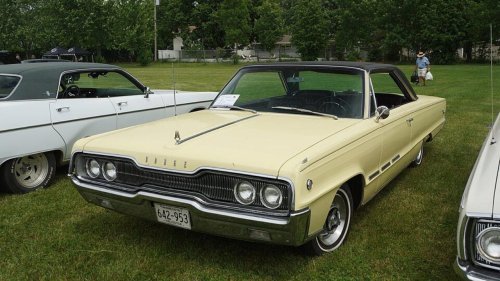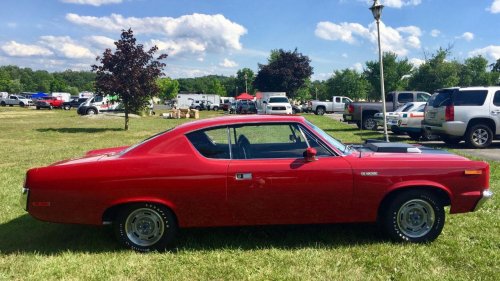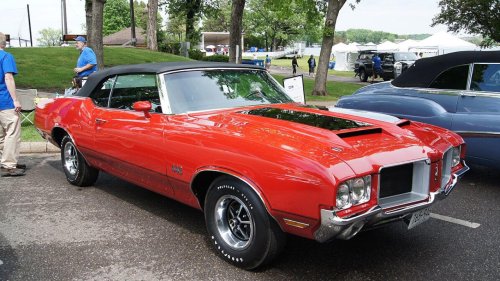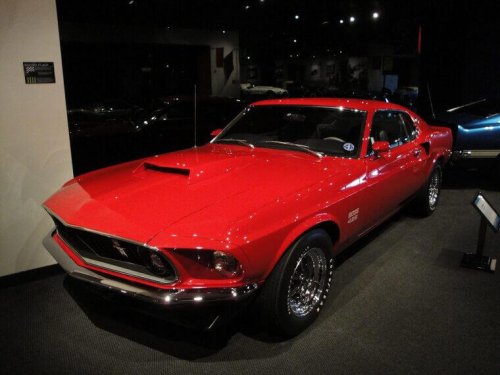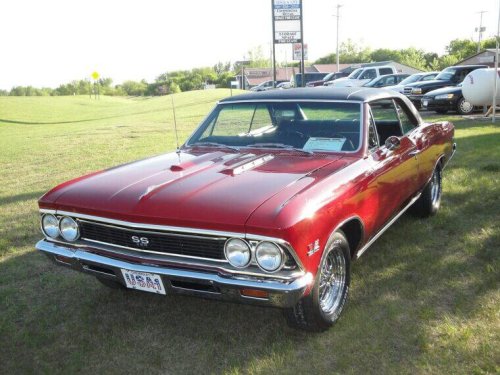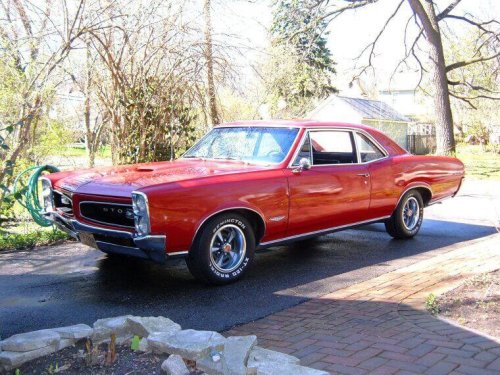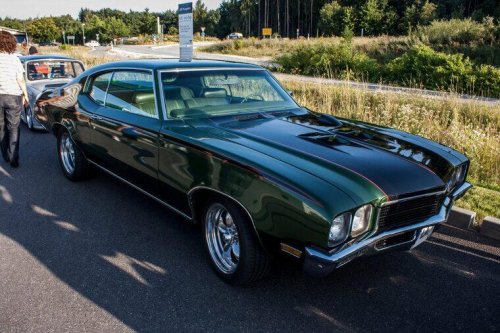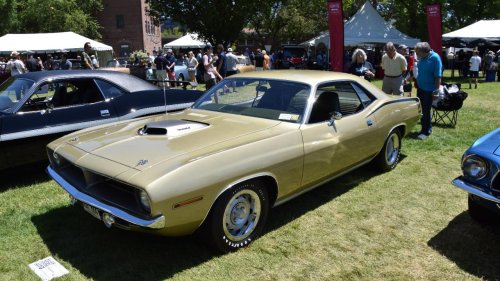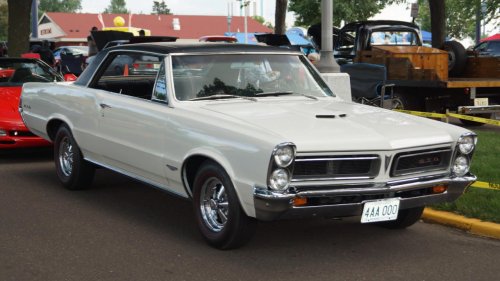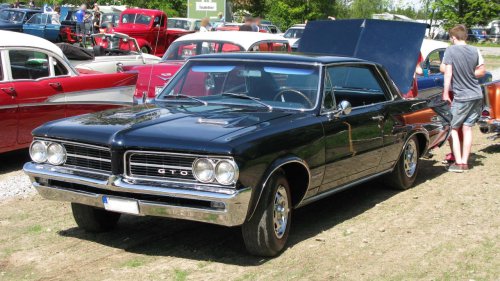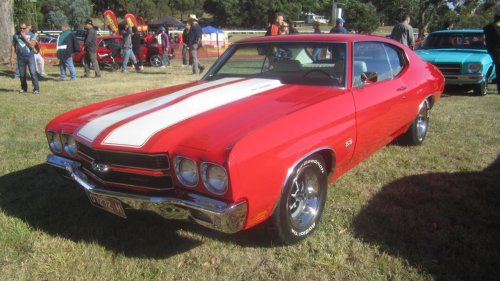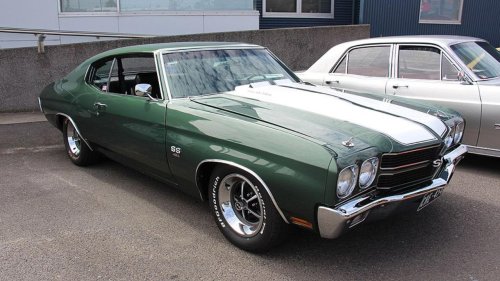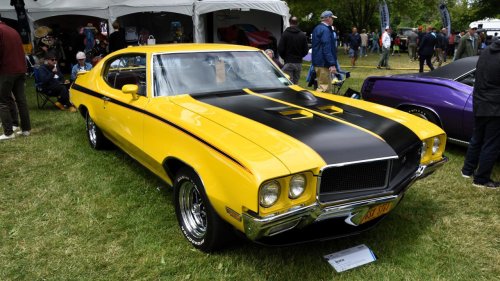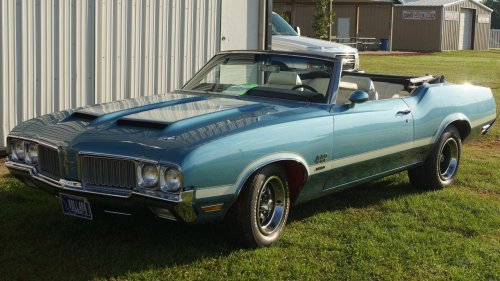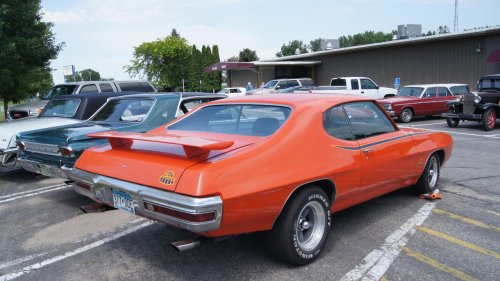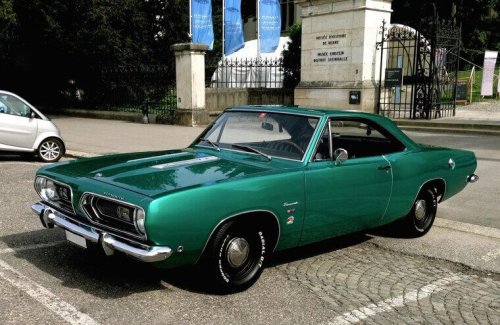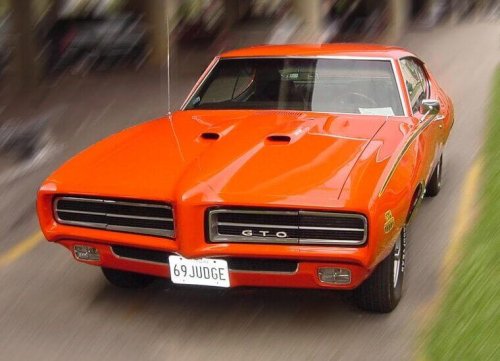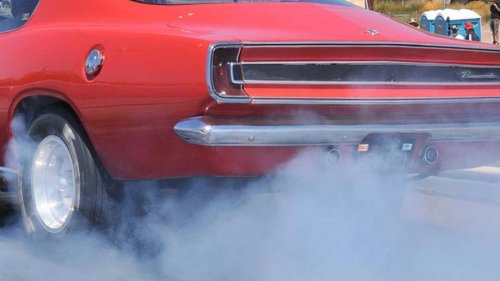
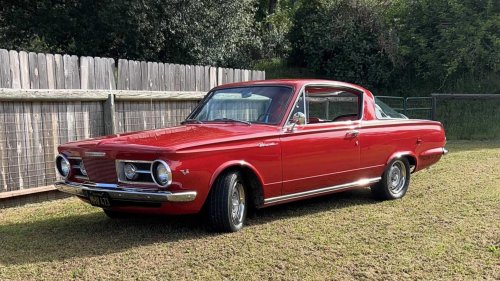
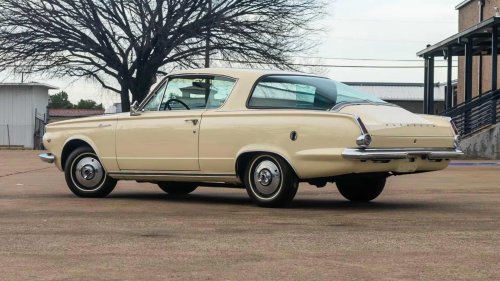
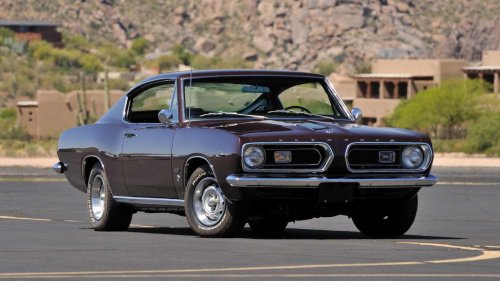
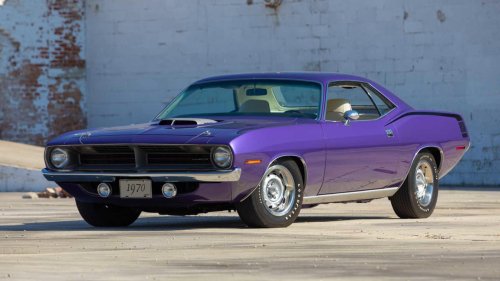
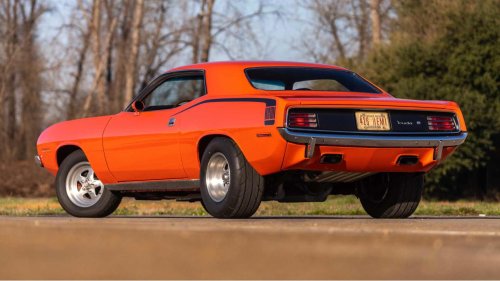
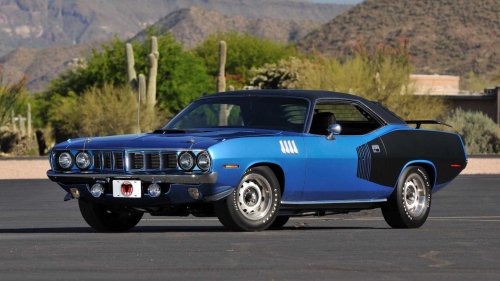
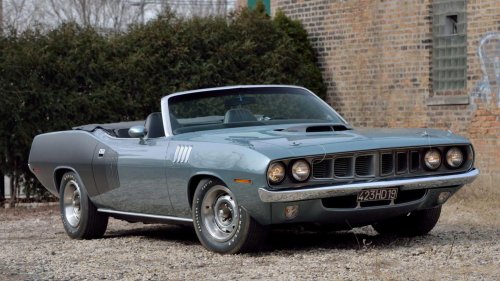
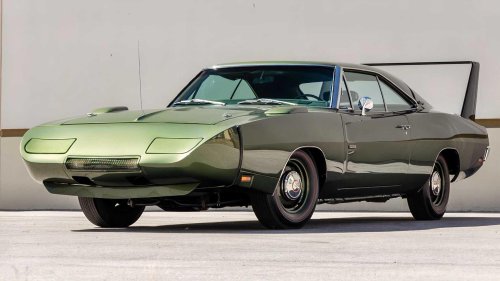



















When Pontiac dropped the GTO in 1964, the Golden Age of American Muscle officially began, with all other automakers scrambling to replicate its success. The GTO tapped a lucrative market of young buyers who wanted badass-looking rides with crazy power that they could actually afford. It seems weird to us now that nobody ever stumbled upon this winning formula before John DeLorean put a Tri-Power 389ci V-8 into a Pontiac Tempest and gave it a fast-sounding name, but everything has to start somewhere and somebody has to have the courage and vision to pull the trigger on it.Another thing that came out of DeLorean's genius was both a horsepower and design war that had Detroit battling each other in high-stakes game of one-upsmanship. The first muscle cars were existing models with high-performance packages, but starting in 1967 with the Chevrolet Camaro, cars were designed specifically to fill this new market. The engines also got increasingly powerful, to the point that automakers were underrating them to help buyers get their rides insured. The hot styles and powerful engine wars were an absolute blast that was ultimately won in 1970 when an unlikely Plymouth made everything else look like weak sauce by comparison. The Street Landscape Of The Golden Age Dodge There was a time when the Frankensteined rides of hot rod culture ruled the streets, but in the early 1960s, Detroit started cranking out factory drag cars. This undoubtedly influenced the creation of the muscle car, which gave people something that could blow doors off straight from the dealership. Early on in the classic era, most cars ran in the low-15s or high-14s, but the 426 Street Hemi was made available to all Dodge and Plymouth intermediate models in 1966 and suddenly, you either had a 13-second car or you were driving your mom's station wagon. GM imposed a silly big engine ban on its divisions, but Pontiac managed to get serious performance out of the 400ci Ram Air IV and in 1970, when the ban was mercifully lifted, big-blocks took over and everyone was blasting ETs in the 13s. The bar was set, and Plymouth was determined to clear it by a mile. The Plymouth Barracuda’s Bizarre Origin Story Mecum The worst-kept secret in Detroit was that Lee Iacocca, then vice president of Ford, was developing a fun, affordable sporty compact that we now know as the Mustang. Most other automakers didn't think it was going to be a winner, but Plymouth definitely saw the potential and rushed to beat Ford to market with the Barracuda. Unfortunately, Chrysler had wasted a ton of money developing the silly Turbine Car, so there wasn't a ton of design dollars to capitalize on this new segment.Instead of anything remotely cool, Plymouth designed a fastback version of the Valiant that looked like something dreary from behind the Iron Curtain, with a freakishly bulbous giant back window. Execs originally wanted to call it the "Panda," but thankfully it got dubbed the "Barracuda." While it may have been a hideous eyesore, it had a cool name and that would come into play later, when the car got a whole lot less lame. America’s First Pony Car Mecum A pony car is a sport compact with a long hood, short decklid, and bucket seats, with the name originating with the Ford Mustang, but it wasn't the first. Because Plymouth spent no time developing the Barracuda, they were able to get it to market mid-model year in 1964, a full 16 days before the 'Stang hit dealerships, making it technically the first pony car. Of course, the Mustang was a gorgeously designed set of wheels that went on to become arguably the most iconic American car, while the first-gen Barracuda is something most enthusiasts want to forget, so it's not a big win to be first. Ford moved 418,812 Mustangs in its first year, while Plymouth only found 23,443 suckers who wanted a Barracuda, so that's the actual victory of the first pony car war. Second-Gen ‘Cuda Rights the Ship Mecum In 1967, the second-gen Barracuda was completely redesigned with fastback and notchback coupes, as well as convertibles that looked dynamite, and not just by comparison. Had Plymouth put out the second-gen Barracuda in 1964, we might be talking about it as the most iconic car of all time. Also for the second-gen, Plymouth heaped on the performance with big-block 383 and 440 engine options, plus a lights-out Hemi-powered factory drag car in '68. With the power and style it should have had all along, the Barracuda was finally a cool ride, but amazingly, it had yet to reach its full potential as the ultimate Golden Age ass-kicker. 1970 Hemi ‘Cuda Takes The Streets By Storm Mecum When the third-gen Barracuda started showing up on dealer lots in late 1969, it was a shock because nobody had ever seen a car that beautiful with so much anger and aggression. It had a bold stance and wicked lines that not only made it hard to take your eyes off, but also compelled you to get behind the wheel of one. Its E-Body companion, the Dodge Challenger, was similarly awesome, but, with completely different sheet metal, lacked the attitude and allure of the Barracuda.In 1970, the top tier model was called simply the 'Cuda, and came only with the most powerful big-blocks Chrysler had to offer. The best of the best was the Hemi 'Cuda with a 455-horsepower, 490 pound-feet of torque 426ci Hemi V-8, which made it the most ferocious regular production car of the entire Golden Age. As if to signify its evil street persona, 652 Hemi 'Cuda Hardtops were produced in 1970. While that's the Biblical number of the beast, the number of this beast that really mattered was its 13.1-second quarter-mile time. Hemi ‘Cuda Crushes Chevelle’s Soul Mecum The aforementioned GM big engine ban limited its divisions' intermediate rides to 400 cubic inches of displacement or less, which hampered them in the Horsepower Wars of the classic era. GM mercifully lifted this silly ban in 1970, and Chevy celebrated by making the 450-horsepower 454 LS6 V-8 an option on the Chevelle SS. With this newfound big-block power, the Chevelle SS was a solid 13.4-second car, which meant that it could finally hang with the likes of a Charger Hemi R/T or Road Runner 6BBL. Before the champagne corks even popped, however, the party was already over because the 1970 Hemi 'Cuda could dust a Chevelle SS 454 LS6 by three tenths of a second, which is an eternity in a drag race. Even Mopar Isn’t Safe From the Hemi ‘Cuda’s Wrath MecumSince the introduction of the 426 Street Hemi in 1966, all Dodge or Plymouth cars equipped with it were 13-second street brawlers. When Chrysler busted out the 440 Six-Pack in 1969, Mopar muscle cars enjoyed Hemi-like performance at a reduced price, and again, anything with it under the hood ran in the 13s. The Charger, Super Bee, GTX, and Road Runner ruled the streets for most of the classic era with ETs between 13.7 and 13.3 seconds, which meant they never got smoked in a red light challenge. Then, the Hemi 'Cuda came along and suddenly these Mopar Kings of the Street were losing doors and eating an unhealthy diet of dust. Hemi ‘Cuda Rules The Auction Block As Well Mecum A 1970 Plymouth Hemi 'Cuda coupe has a Hagerty Good condition (#3) value of $175,000 and the rarer '71 is worth $443,000. Those values already outpace almost anything produced in the Golden Age, but the super-elusive drop-tops are the most expensive classic muscle cars of all time. At Mecum Seattle 2014, a Bright Blue '71 Hemi Cuda convertible sold for a record $3.5 million, making it the highest price paid for a muscle car, but that isn't the limit of this amazing car's value. In 2021, a Windsor Gray Hemi 'Cuda was bid up to $4.8 million but didn't hit the reserve and failed to sell. If someone was willing to pay almost $5 million for a car, that's how much it is worth, and that blows away all other classic muscle car values. Runner-Up Muscle Car Values Mecum The rare '69 Dodge Charger Hemi Daytonas sell in the multi-millions, including one exquisite example that topped $3.3 million, and while impressive, still doesn't beat the Hemi 'Cuda, and in fact a '71 convertible just matched that sale at Mecum Kissimmee 2026. There have been some Shelby Mustang prototypes that have gone for big bucks, though less than a Hemi 'Cuda, but the highest a regular production Ford has sold for is in the $600k range for a Boss 429. Outside of COPO Camaros which can sell in the seven-digits, there are no million-dollar GM muscle cars except a 1970 Pontiac GTO Judge Ram Air IV convertible that dropped the gavel at $1.1 million. The Hemi 'Cuda was blowing the competition away on the streets back in the day and is now vaporizing them on the auction block.Sources: Plymouth, Hagerty, Mecum