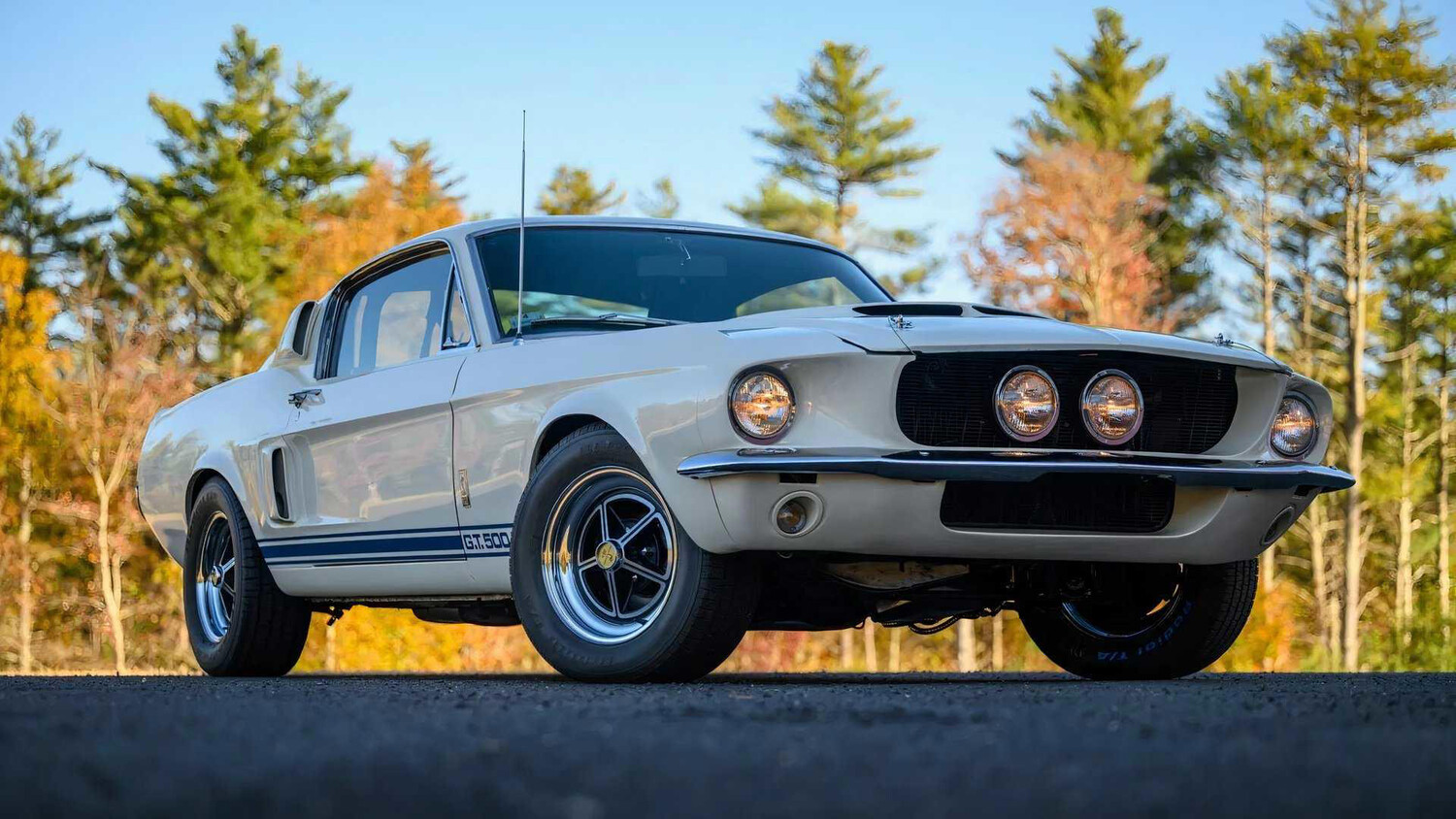
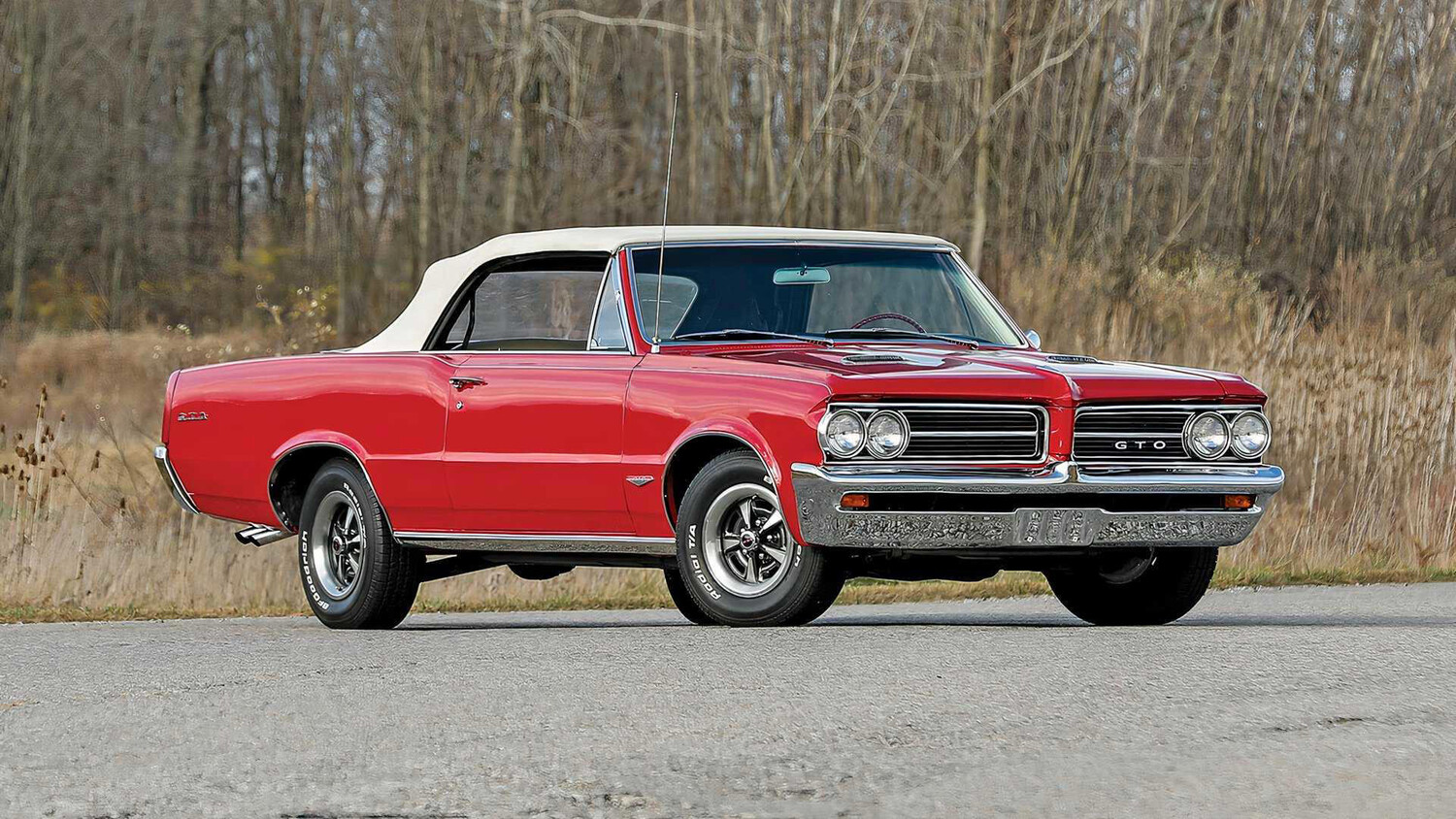
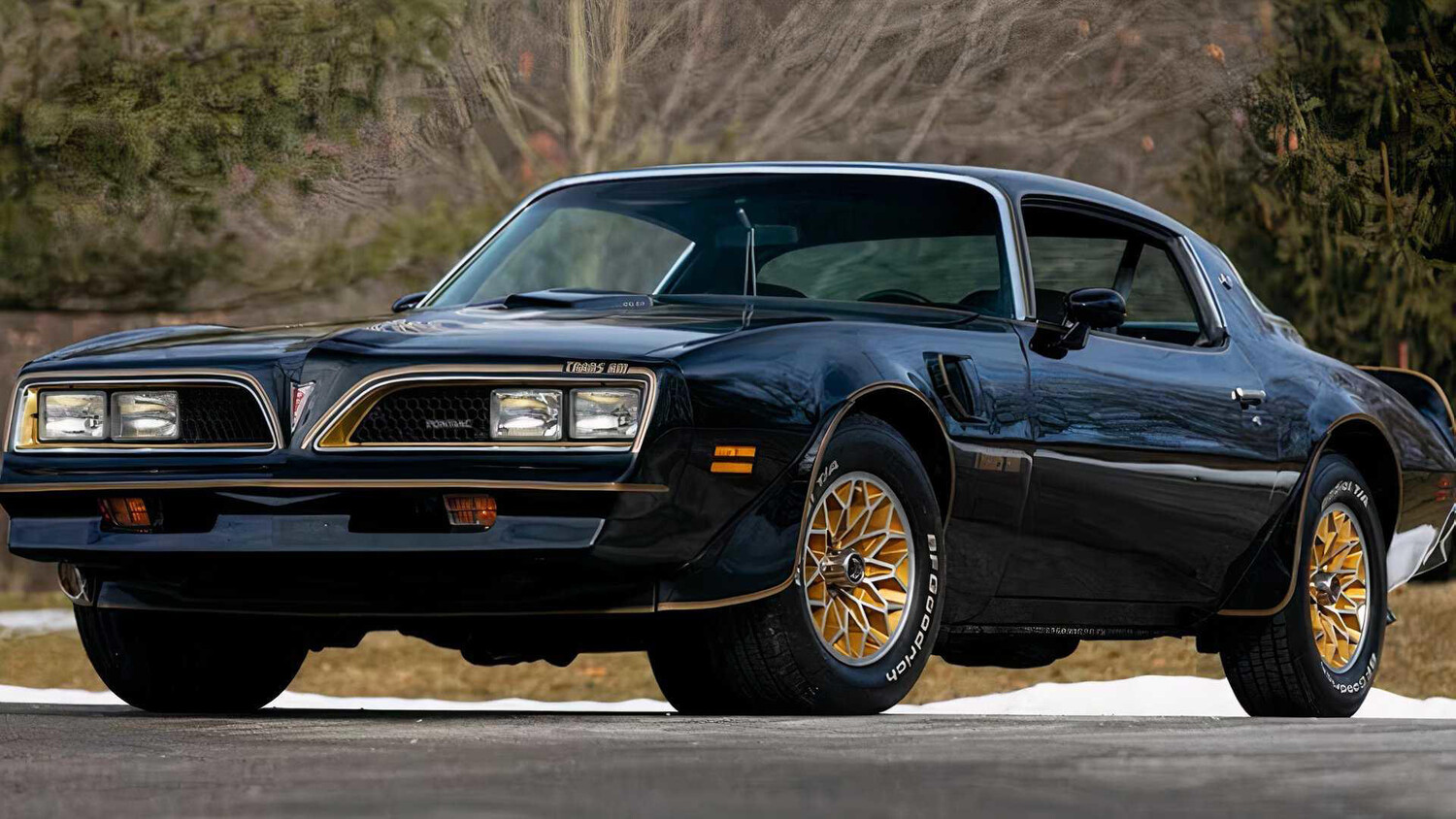
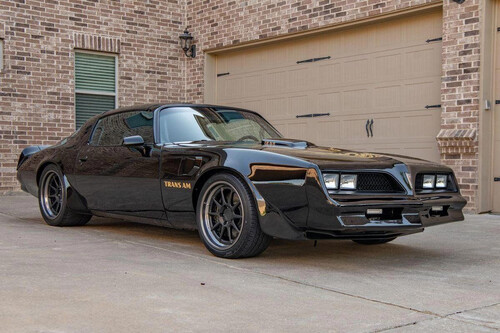
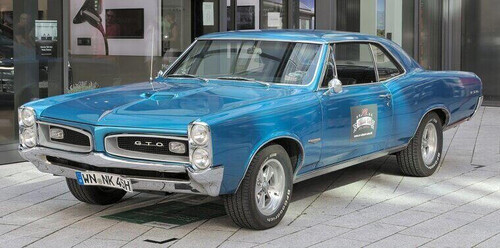
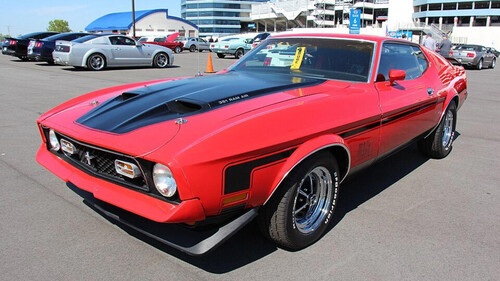
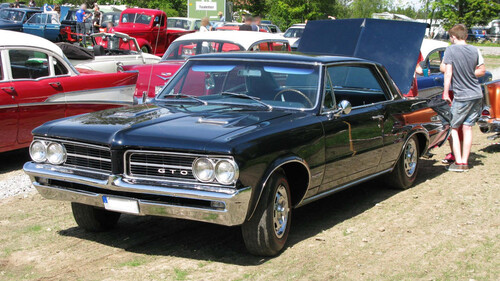
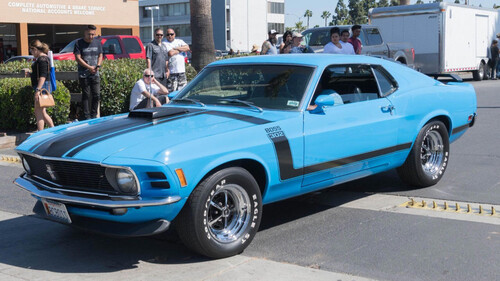
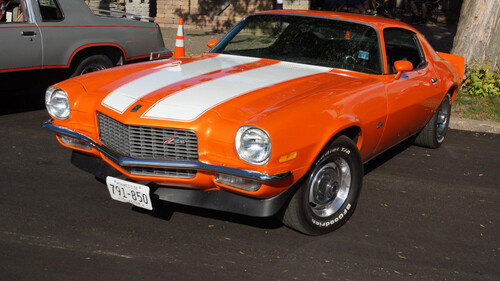
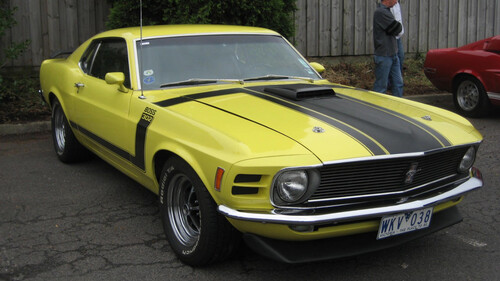
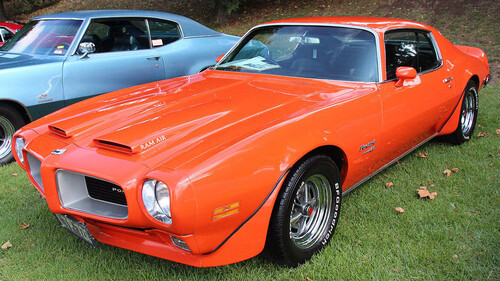
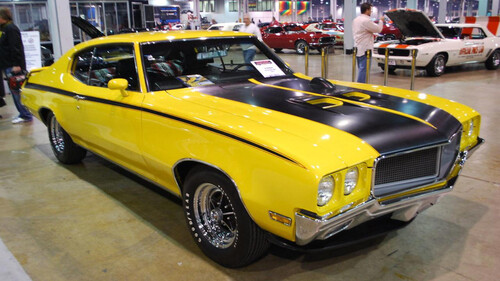
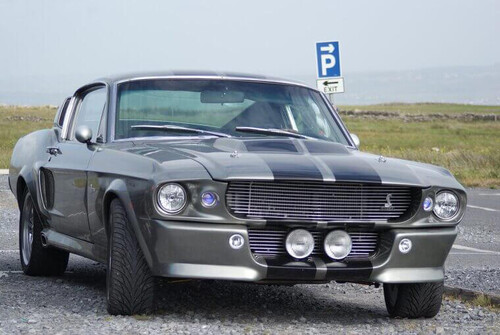
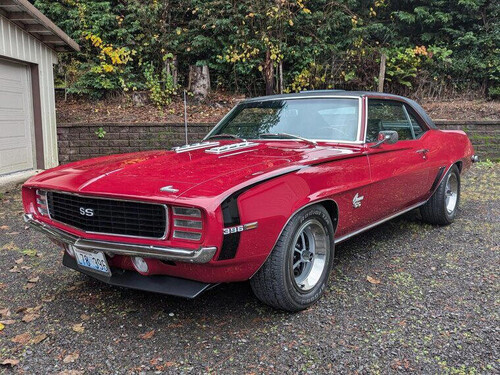
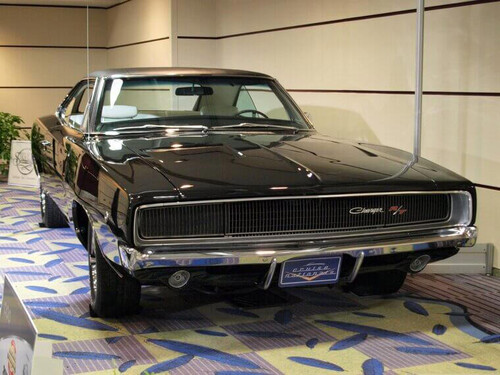
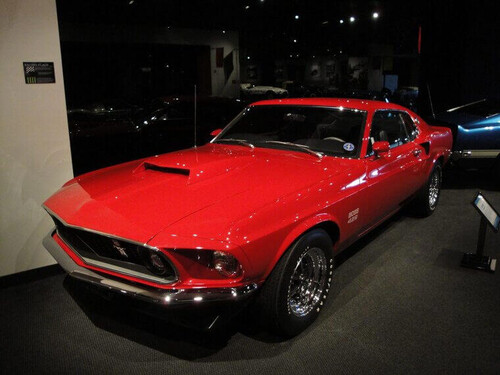
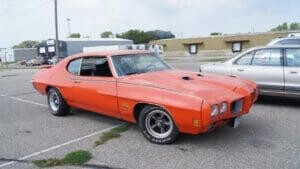
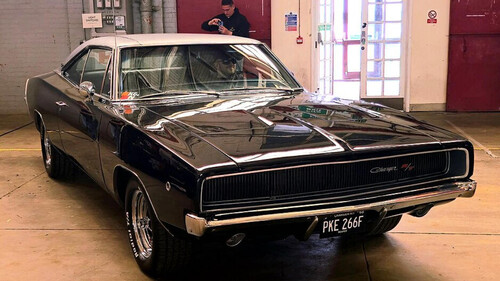
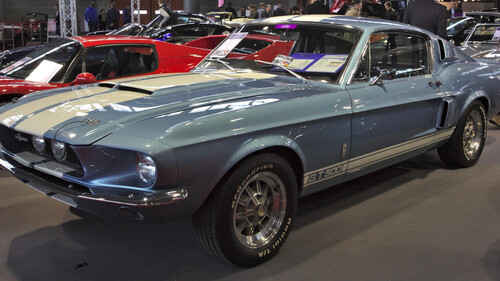
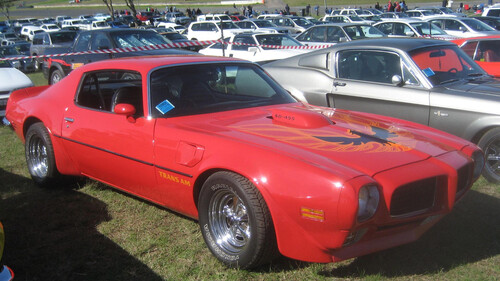
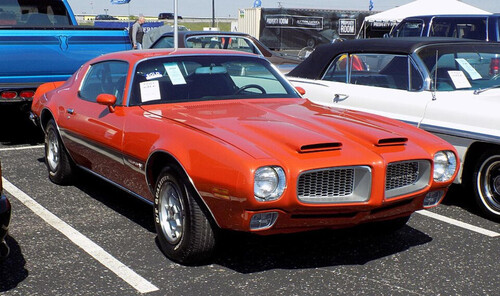
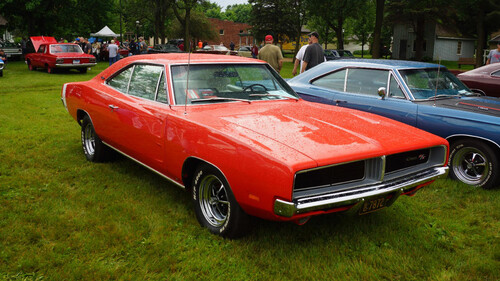
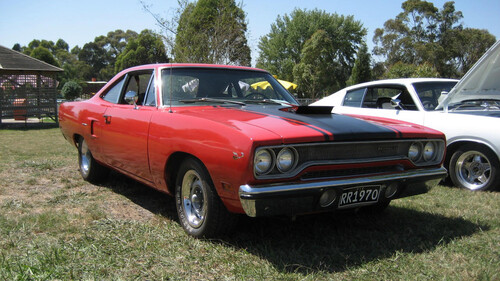
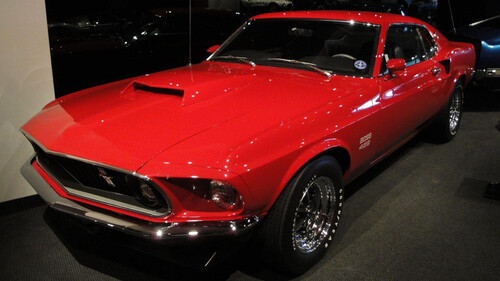
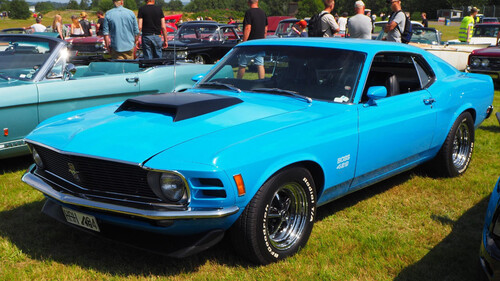
Every great movement in car culture starts with rebellion. The muscle car boom wasn’t planned by corporate strategists; it was driven by engineers, racers, and even a few stubborn dealers who refused to play by the book. Throughout the 1960s, 1970s, and into the 1980s, there were moments when the rules of Detroit were clear: certain engines were off limits, horsepower caps existed, and emissions laws had begun to choke performance. Through all that, a handful of machines slipped through the cracks and changed the definition of muscle power forever.These muscle cars were built for no other reason than to prove a point: that passion and ingenuity could beat bureaucracy. Some defied their parent companies, some rewrote what “street-legal” meant, and others created entirely new categories of performance. They were loud, raw, and unafraid to upset the status quo. Each one became a legend the instant it hit the road. 1967 Shelby GT500 Turned The Mustang Into A Fire-Breathing Powerhouse Bring A TrailerThe 1967 Shelby GT500 was Carroll Shelby’s most ambitious Mustang yet. It swapped the smaller GT350 engine for a 428-cubic-inch Police Interceptor V8 with twin four-barrel carburetors, heavy-duty suspension, and race-spec brakes. The result was a car that delivered both brute torque and surprising refinement.Ford’s gamble paid off immediately. The GT500 shattered the idea that the Ford Mustang was a light, playful coupe and proved it could stand toe-to-toe with the most serious muscle machines of its time. It became the foundation for every performance-tuned Mustang that came after, defining what factory-built power looked like for decades. 1964 Pontiac GTO Kickstarted The Muscle Car Era Sports Car MarketThe Pontiac GTO became the spark that lit Detroit’s horsepower wars. Pontiac engineers quietly took the modest LeMans platform, dropped in a 389-cubic-inch V8, and created a car that changed everything. At a time when big engines were reserved for luxury models, the GTO democratized performance.It was fast, affordable, and stylish, which was just the right mix to capture a generation of young drivers. The car’s success forced every other manufacturer to follow suit, spawning the entire muscle car movement. Without the GTO’s rebellious attitude, the golden age of high-octane American performance might never have happened. 1969 COPO Camaro 427 Beat GM’s Engine Ban With A Secret Factory Program via Bring A TrailerGeneral Motors’ internal rules forbade putting engines larger than 400 cubic inches into smaller cars. Chevrolet engineers found a way around that restriction through the Central Office Production Order (COPO) system, a loophole normally used for fleet vehicles. By exploiting that paperwork trick, they managed to install the 427-cubic-inch L72 engine into the lightweight Camaro body.The COPO 427 was brutally fast, officially rated at 425 horsepower and capable of 13-second quarter-mile runs right off the showroom floor. It became the ultimate example of factory-sanctioned rebellion: a corporate rule broken in plain sight that produced one of the most fearsome Camaros ever built. 1966 Dodge Coronet One Of The First Production Cars With The 426 Hemi Bring A TrailerThe 1966 Dodge Coronet 500 deserves its place in history for bringing the 426-cubic-inch Hemi engine to the street. Originally designed for racing, the Hemi’s hemispherical combustion chambers and sky-high compression made it one of the most powerful engines of its era. Installing it in a midsize family car was a statement-and-a-half for the time.The Coronet looked like an ordinary sedan but behaved like a drag racer. Its immense torque and top-end pull gave Dodge’s lineup a new level of performance credibility. More importantly, it proved that race technology could exist in a road-legal car, paving the way for legends like the Charger and Super Bee. 1969 Ford Mustang Boss 429 Stuffed A NASCAR V8 Under A Factory Hood Mecum AuctionsThe Boss 429 was built for one purpose: to get Ford’s new racing engine approved for NASCAR. To meet homologation rules, Ford had to sell 500 street cars with the same engine, leading to one of the most extreme Mustangs ever created.The 429-cubic-inch V8 barely fit under the hood, so Ford re-engineered the front end through Kar Kraft just to make room. The result was a hand-built powerhouse rated at 375 horsepower but capable of much more. Forget practicality, the Boss 429 was about proving Ford’s racing dominance and giving buyers a true piece of raw power. 1970 Buick GSX Stage 1 Delivered More Power Than Buick Would Admit via Bring a TrailerBuick wasn’t supposed to build muscle cars, yet the GSX Stage 1 made the brand impossible to ignore. Under the hood sat a 455-cubic-inch V8 that officially made 360 horsepower, a number most agree was intentionally low. With a monstrous 510 lb-ft of torque, it could embarrass cars designed purely for drag racing. The numbers back this up, as the GSX Stage 1 could clear a 1/4 mile in a ridiculously quick 13.38 seconds according to period tests.The GSX’s combination of brute strength and composure made it one of the most refined performance cars of its day. It looked sophisticated but packed enough power to humble almost anything on the street. Buick’s quiet understatement made it even more legendary, turning the GSX Stage 1 into one of Detroit’s most potent sleepers. 1970 Chevrolet Chevelle SS 454 LS6 Set The Benchmark For Big-Block Performance MecumThe Chevelle SS 454 LS6 arrived just as regulations threatened to end the horsepower wars. Chevrolet’s response was to double down with its largest, most powerful engine ever fitted to a production car. The LS6 big-block delivered 450 horsepower and 500 pound-feet of torque, numbers that made it the undisputed horsepower king not just in 1970 but throughout the entire muscle car era.With a 0-60 time around six seconds and a quarter-mile in the mid-thirteens, the LS6 was as close as anyone could get to a factory drag car. It represented peak muscle car excess: massive engine, minimal compromise, and unapologetic power. Decades later, the LS6 badge still stands as the yardstick for all big-block Chevys. 1969 Chevrolet Yenko Nova S/C 427 Took A Compact Chevy And Turned It Into A Big-Block Monster MecumDon Yenko was never satisfied with factory limits, and the 1969 Yenko Nova S/C 427 proved it. He took Chevrolet’s small, unassuming Nova and dropped in a 425-horsepower 427-cubic-inch engine meant for larger cars. The result was a lightweight rocket capable of terrifying acceleration and effortless burnouts in any gear.Only 37 were ever built, partly because it was so extreme. The power-to-weight ratio was outrageous, and even seasoned drivers found it difficult to tame. But that’s what made it legendary; it was raw, loud, and unapologetically excessive, embodying the fearless attitude that defined the muscle car era. 1977 Pontiac Firebird Trans Am Made The Muscle Car A Pop-Culture Icon MecumWhen the muscle car scene was fading, the 1977 Pontiac Trans Am brought it back into the spotlight, and thi time through pop culture. Its starring role in Smokey and the Bandit turned it into a national obsession. The black and gold paint, T-tops, and screaming-chicken decal became symbols of freedom and rebellion.Underneath the showmanship was real performance. The Pontiac 400 V8 still packed solid torque, and the car’s handling was surprisingly balanced for the era. The Trans Am did a lot of good for America at the time. The numbers were there, but its spirit, image, and identity loomed large. It made attitude cool again, and few cars have ever done it better. 1987 Buick GNX Proved Turbocharged Muscle Could Beat The V8s via Bring A TrailerThe final years of the muscle car era found an unlikely hero in Buick. The 1987 GNX took the already-formidable Grand National and turned it into a tech powerhouse. Its turbocharged 3.8-liter V6, tuned with help from McLaren Performance Technologies, delivered far more power than its 276-horsepower rating suggested.With a 0-60 time under five seconds, the GNX could outrun most V8 sports cars of its day. It proved that muscle didn’t have to rely on displacement anymore; innovation could achieve the same, if not better results. Dark, understated, and brilliantly quick, the GNX closed the classic muscle chapter with a new set of rules entirely its own.All in, the cars on this list were all born out of defiance. Together, they represent the most fearless moments in automotive history. Each one reminded the world that some rule-bending here and there, and a little rebellion, aren't as bad as they're made out to be. And we're eternally grateful for that ethos.Sources: Hagerty, Hotrod.