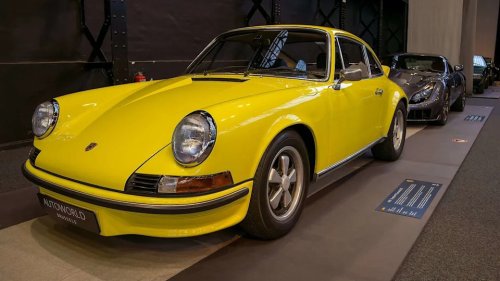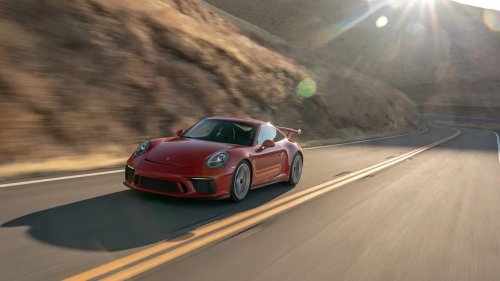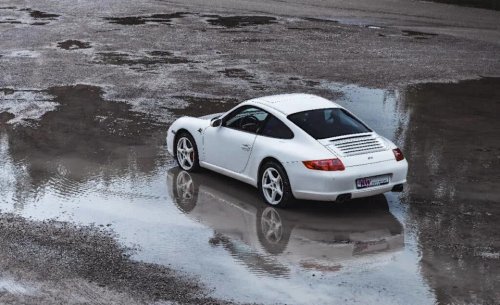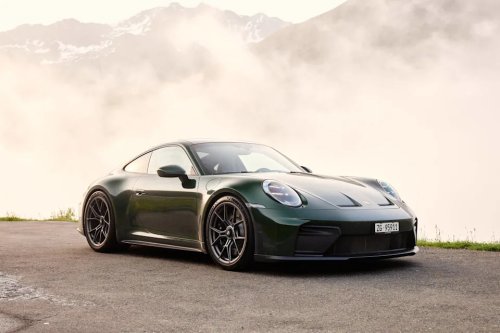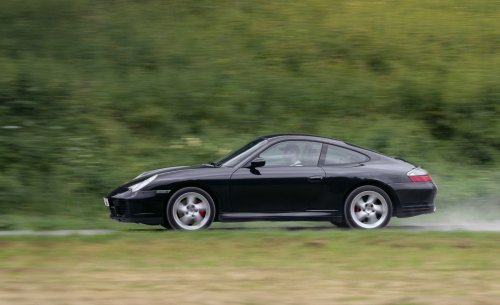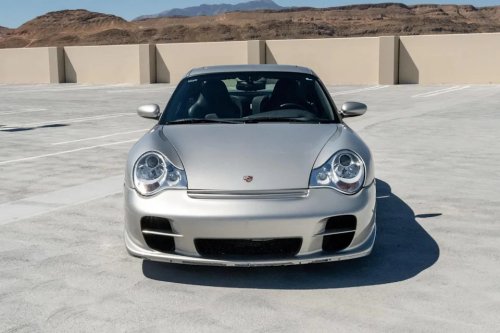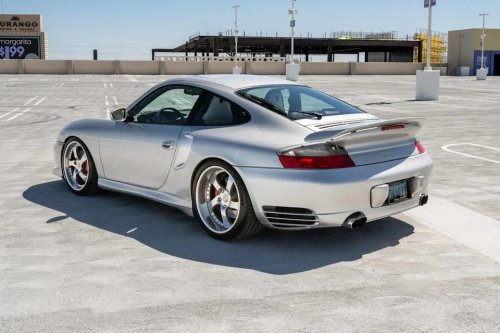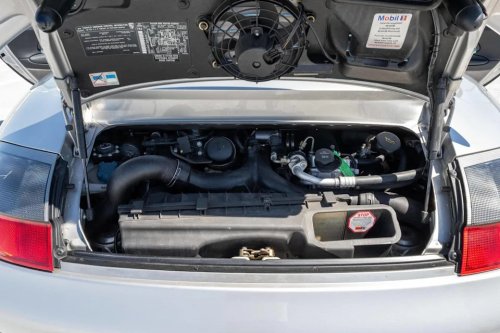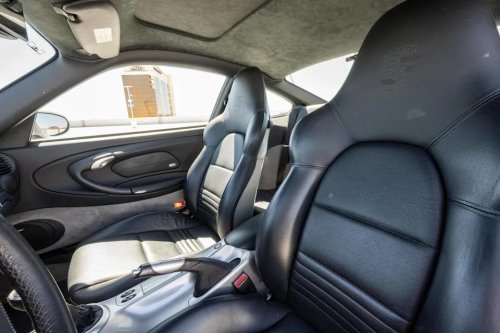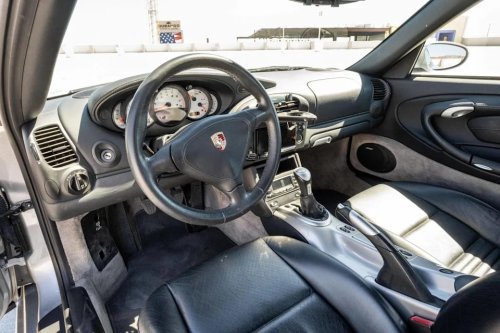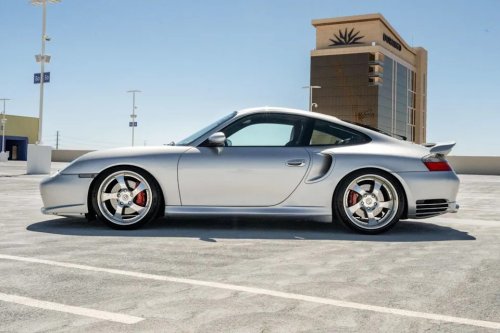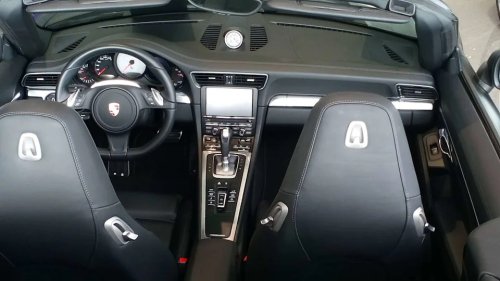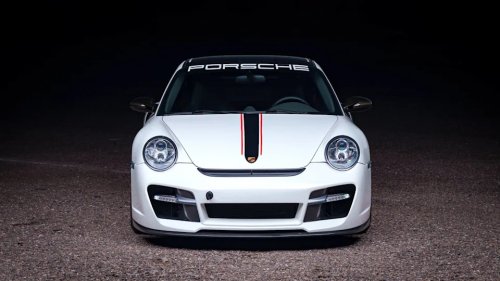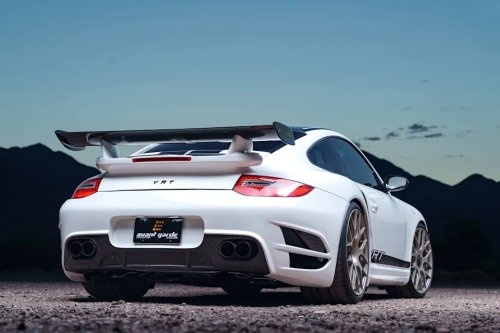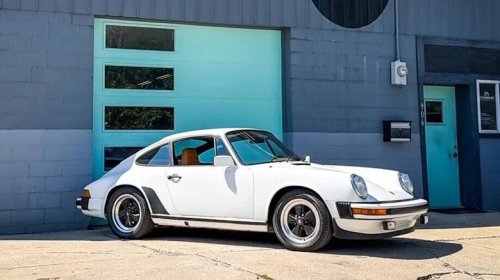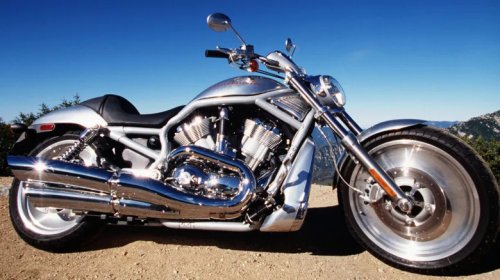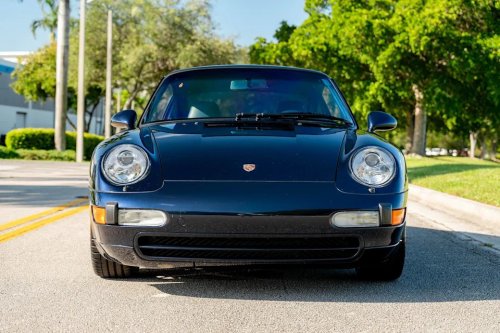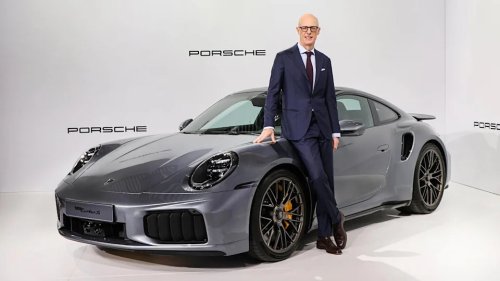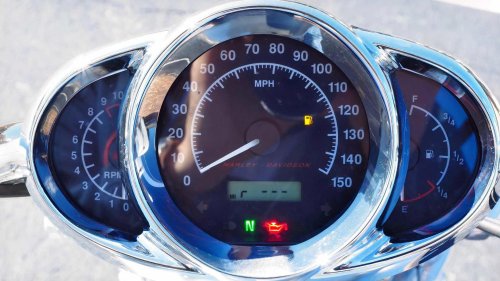
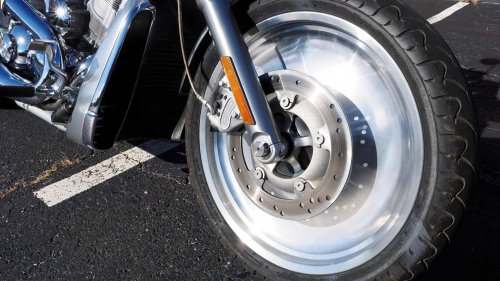
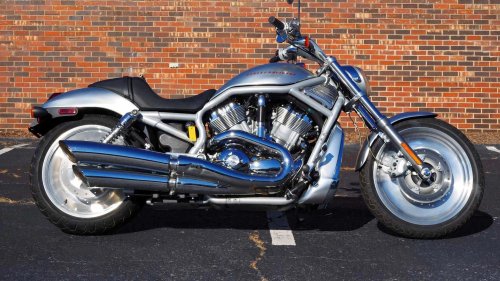
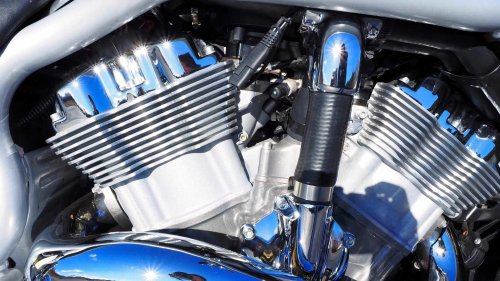
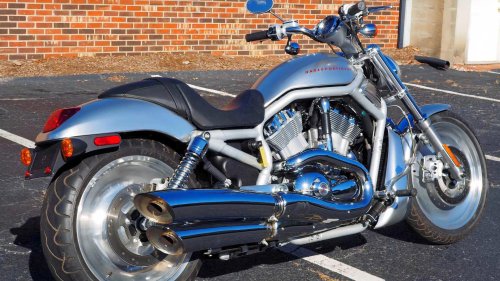
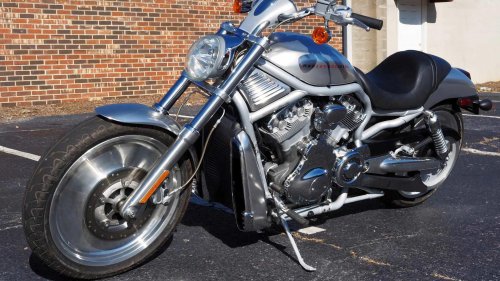
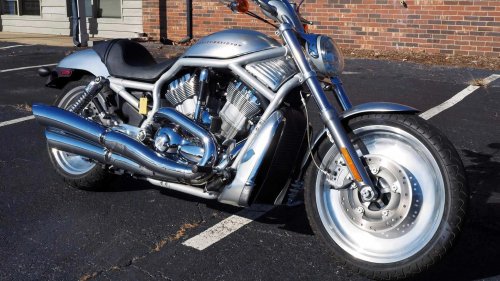
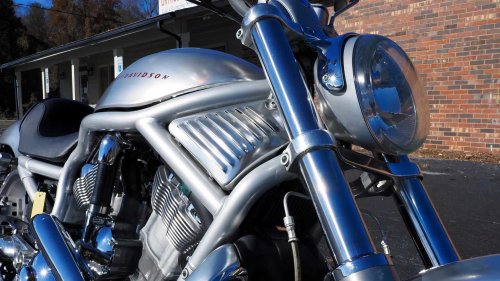
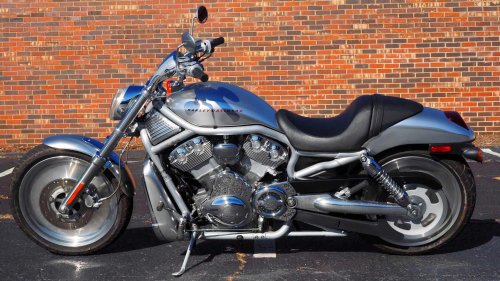
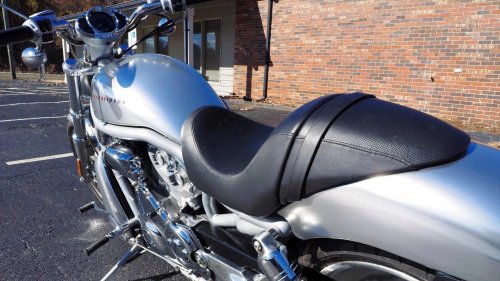

















It started as a Harley-Davidson that didn’t sound, think, or pull like the ones parked beside it. Somewhere between Milwaukee tradition and Stuttgart engineering, this thing turned into a very different kind of muscle bike. The biggest surprise, however, was that it had the numbers to bother a Porsche.That’s what makes this one such a strange little footnote in Harley-Davidson history. The brand built its reputation on air-cooled rumble, laid-back torque, and a very specific kind of attitude. Then along came a machine that traded some of that old-school formula for liquid cooling, revs, and enough straight-line urgency to make a Porsche 911 look over its shoulder. For Harley fans, it was weird. For speed junkies, it was kind of glorious. The Harley That Refused To Behave Like A Harley Bring a TrailerA little context: this thing showed up with a liquid-cooled 60-degree V-twin where Harley buyers were used to air-cooled 45-degree twins. That was enough to make traditionalists squint at it like someone had shown up to a steakhouse and ordered sushi. Harley had built its identity around a certain sound and feel, and this bike arrived sounding tighter, smoother, and far more interested in revs than what was considered the norm.It also made real power for a cruiser in the early 2000s. The not-so-humble stats, 115 horsepower and 74 lb-ft of torque from an 1,130cc V-twin, with peak power arriving at 8,250 rpm and a redline brushing 9,000 rpm. Those numbers still sound unusual in a Harley context because, frankly, they were. Most cruisers of the era were all about low-rpm shove and not much interest in hanging on toward the top end. This one had midrange muscle, sure, but it also wanted to keep pulling. Oddball Charm Bring a TrailerThat gave the bike its oddball charm. It looked long, low, and intimidating, like it should’ve been happiest idling outside a diner while everyone admired the chrome. Instead, it had the heart of something far more impatient. Twist the throttle and it lunged. That disconnect between what it looked like and what it actually did is a huge part of why people still remember it, even if Harley itself eventually moved on. The Harley-Davidson VRSCA V-Rod Could Outrun A Porsche 911 Bring A TrailerIf you hadn't guessed already, the bike was the Harley-Davidson VRSCA V-Rod, and the Porsche on the wrong side of the bench-racing story was the 2005 Porsche 911 Carrera S from the 997.1 generation. On paper, that sounds ridiculous. One is a low-slung German sports car with rear-engine pedigree and enough grip to make a mountain road feel like a private toy. The other is a muscle cruiser from Harley-Davidson, a company not closely associated with stopwatch flexing.But straight-line numbers don’t care about brand stereotypes. The V-Rod could rip through the quarter-mile in about 11.7 seconds. The 2005 911 Carrera S needed 12.6 seconds to cover the same distance. In the real world, that means the Harley got the jump and stayed ahead long enough to turn the comparison into a very real talking point. If you ever wanted a machine that could make a Porsche owner say, “Hold on, that can’t be right,” this was it.Of course, context matters. The V-Rod’s win only works in one very specific conversation, and that conversation happens in a straight line. The 911 still hit 60 mph in 4.1 seconds, ran on to a 179-mph top speed, and carved corners with the kind of balance and grip the Harley couldn’t hope to match. Put both on a winding road and the Porsche would disappear up ahead while the Harley worked through its next lean-angle negotiation with the pavement. Still, that drag-strip bragging right is delicious, because nobody expects a Harley cruiser to be the quicker quarter-mile machine. Porsche Helped Build The Heart Of The V-Rod Bring a TrailerThe reason the V-Rod could pull off that party trick sat between the frame rails. Harley called it the Revolution engine, and it was no ordinary V-twin. The 1,130cc unit used double overhead cams, four valves per cylinder, and liquid cooling. That recipe sounded far removed from Harley tradition, but the bigger headline was the engineering link behind it. Porsche helped co-develop the engine, and that relationship changed the whole personality of the bike.Harley had already been working with Porsche Engineering on a racing bike engine, then adapted that effort for street use. That background explains why the V-Rod felt so different from the company’s regular lineup. It was built to make power cleanly, rev hard, and deliver a more modern performance character than Harley buyers were used to seeing from Milwaukee. Weird-Yet-Cool Detour Bring a TrailerThat modern streak came through everywhere in the way the engine delivered itself. It was still a V-twin, so there was torque in the midrange and enough shove to satisfy anyone who likes their acceleration served with a little violence. But it also had a top-end rush that felt almost mischievous, as though the bike knew it was doing something slightly inappropriate for the badge on the tank. On a Harley, a glowing red tach needle sweeping toward 9,000 rpm felt borderline rebellious.And that’s the bit people keep circling back to when they talk about the V-Rod today. Whatever else you think about the styling, ergonomics, or identity crisis, the engine was the star. It’s the reason the bike existed, the reason it felt special, and the reason this whole Porsche comparison feels valid. Without that motor, the V-Rod would’ve been an interesting styling exercise. With it, it became one of the strangest and coolest performance detours Harley ever took. Fast In A Straight Line, Compromised Everywhere Else Bring a TrailerAs a pure straight-line weapon, the V-Rod absolutely had the goods. Depending on version, top speed was reckoned at between 136 and 140 mph, which is plenty serious for a machine wearing cruiser proportions. The long wheelbase and low stance made sense when the goal was hard launches and stable high-speed runs. It looked planted because it was planted. Point it straight, crack the throttle, and the bike delivered exactly the kind of muscle-bike shove Harley had been chasing.The trouble started when the road stopped being straight. Most V-Rod variants had a maximum lean angle of around 32 degrees, and that should tell you almost everything you need to know. The bike could corner, but it didn’t enjoy being rushed into it. Push too hard and hard parts met pavement earlier than you’d like, which tended to encourage a quick reassessment of your life choices. Put simply, it was a dragster in a leather jacket. Tricky, Flawed, And Awkward Bring a TrailerThe chassis layout added to that deviation. The V-Rod’s long geometry favored stability over agility, and the fat rear tire helped it hook up when you wanted big forward thrust. Great for launches, less charming when you wanted a bike to turn in cleanly and change direction with enthusiasm. Later versions grew that rear tire to 240 mm, which looked fantastic and probably sold a few posters, but didn’t exactly improve steering response. The V-Rod had presence, but finesse was not the first word that came to mind.That imbalance never made the bike boring, though. If anything, it made it more memorable. The V-Rod was tricky, flawed, and sometimes awkward, yet those rough edges became part of the appeal. It demanded that riders work around its limitations to enjoy its strengths. When everything lined up and the engine was on song, it felt brilliant. When the road got tight and technical, it reminded you that beauty and competence do not always arrive holding hands. Too Different For Harley Buyers, Too Harley For Everyone Else Bring a TrailerThis is where the V-Rod story gets a little sad. Harley built a bike that was too modern for a chunk of its own audience and still not sporty enough to win over the riders already shopping outside the brand. Traditional Harley buyers looked at the liquid cooling, the sound, the engine layout, and the whole Porsche-assisted mission statement and decided it wasn’t a “real” Harley. That’s a hard hill to climb when brand identity matters as much as spec sheets.At the same time, riders coming from sport bikes and naked bikes had their own reasons to stay away. The V-Rod had speed, drama, and one heck of an engine, but it was still heavy, long, and compromised when the road got twisty. If you wanted outright handling, there were lighter, sharper machines everywhere. If you wanted a classic Harley experience, this one felt like the company had wandered into a laboratory and come back with a very expensive science project. Aimed At The Wrong Crowd Bring a TrailerThat left the V-Rod in a weird middle ground, admired more than embraced. Its engine drew near-universal praise, depreciation stayed relatively low, and used buyers have continued to see it as a distinctive slice of Harley history rather than a forgotten bargain-bin oddity. Plenty of motorcycles disappear because they were bad ideas. The V-Rod faded because it was a good idea aimed at the wrong crowd. It was too fast, too different, and too self-aware for the people who wanted tradition, yet still too Harley for the riders who wanted precision first. The Weirdest Harley Was Also One Of Its Most Interesting Bring a TrailerThe V-Rod never became the future of Harley-Davidson, but it absolutely proved the company could build something far outside its comfort zone. It showed that Harley could do liquid cooling, overhead cams, high-rpm power, and genuine performance without completely losing the visual drama people expected from the badge.So yes, the forgotten Harley that could outrun a Porsche 911 was real, and yes, the sentence still sounds a little absurd. That’s part of the fun. The VRSCA V-Rod was never going to please everybody. But for one brief stretch of Harley history, Milwaukee built a bike with Stuttgart fingerprints and drag-strip credibility, and the result was one of the coolest weirdos the brand ever put on the road.Sources: MotorcycleSpecs, Car and Driver