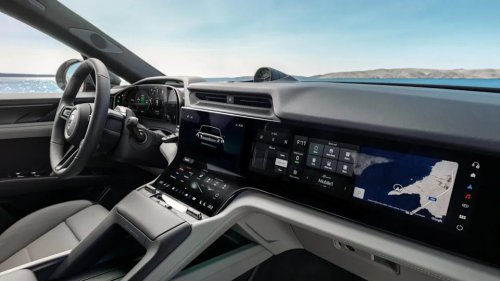
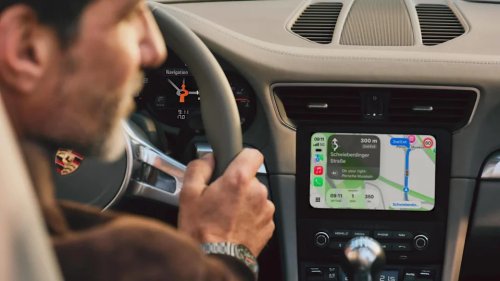
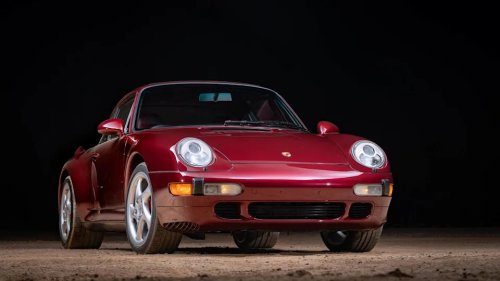
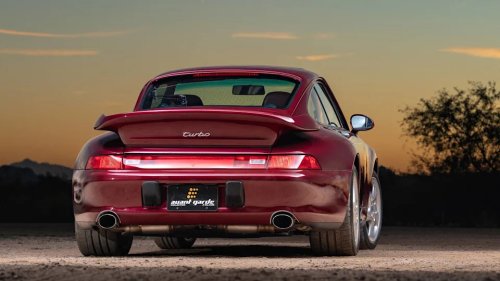
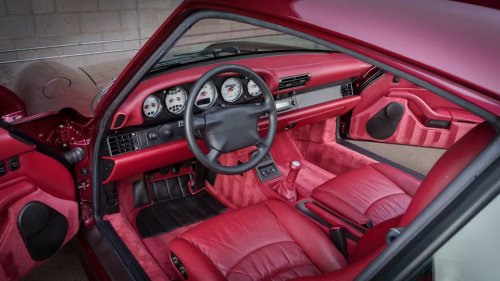
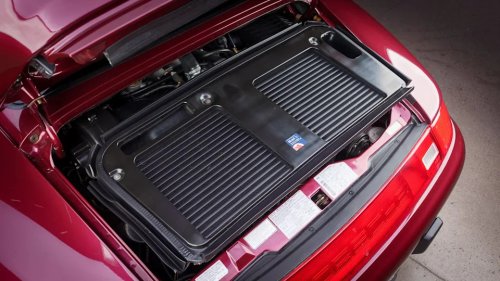
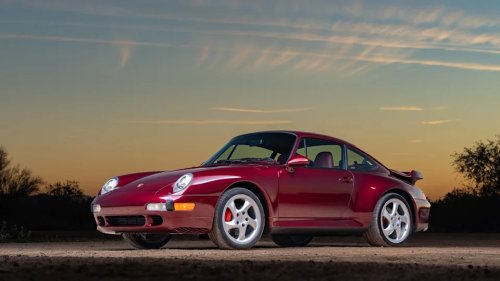
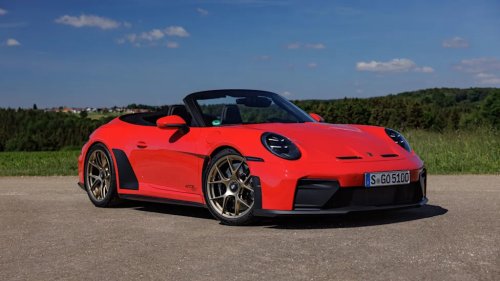
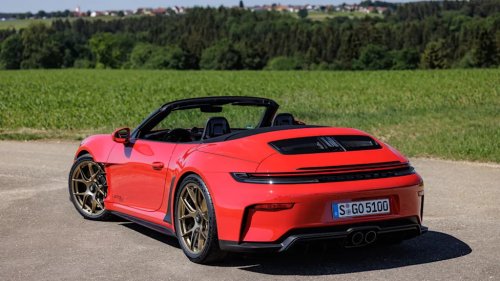
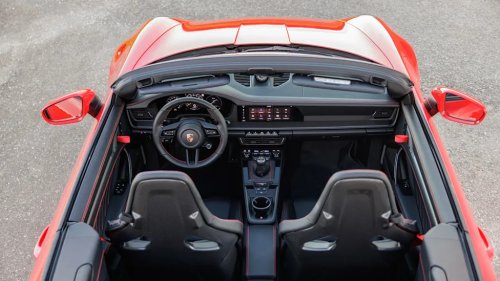
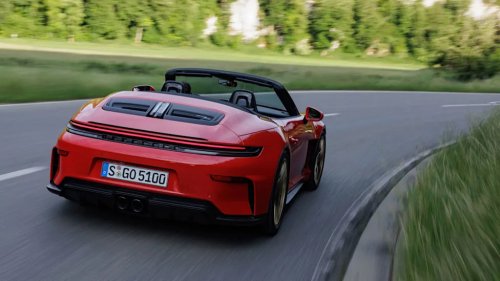
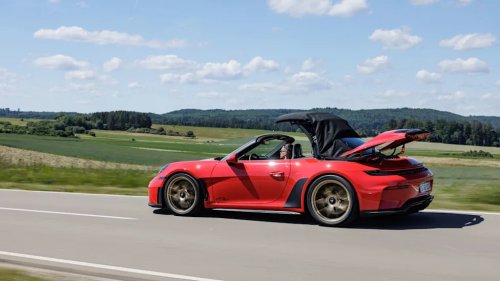
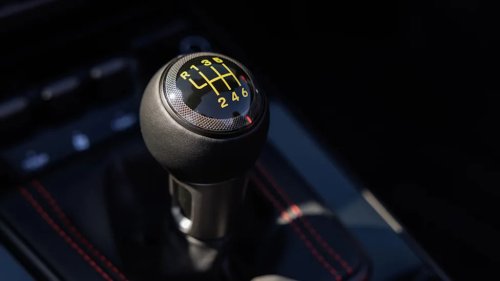
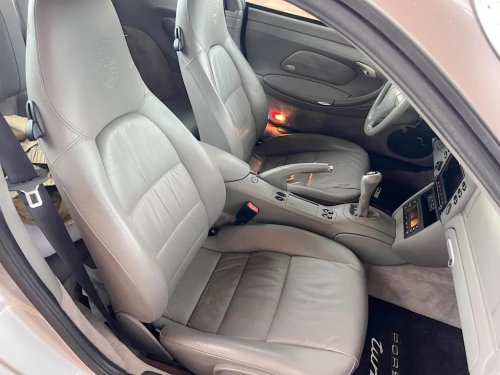
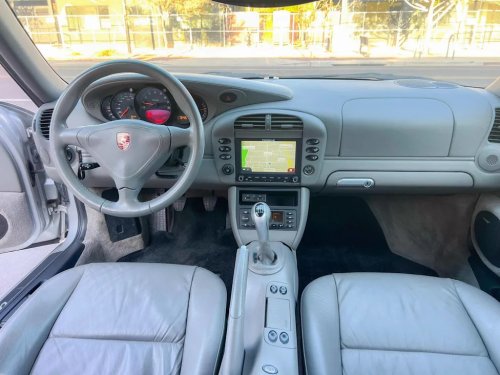
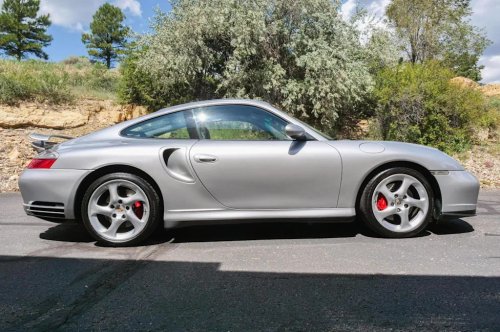
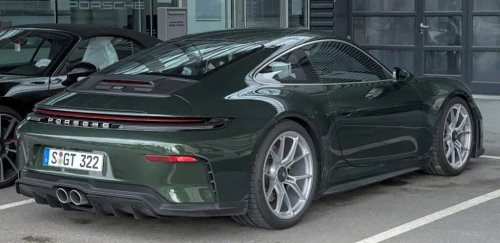
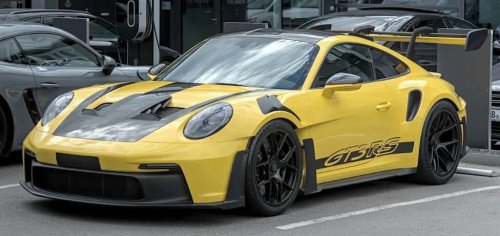
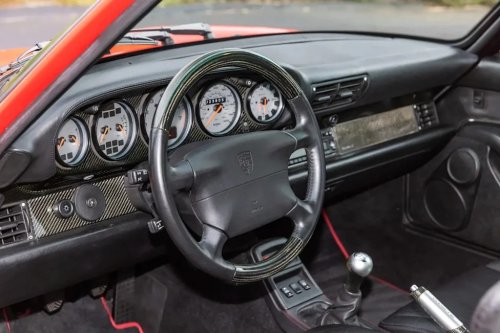
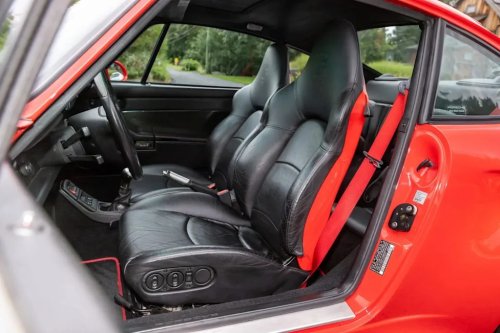
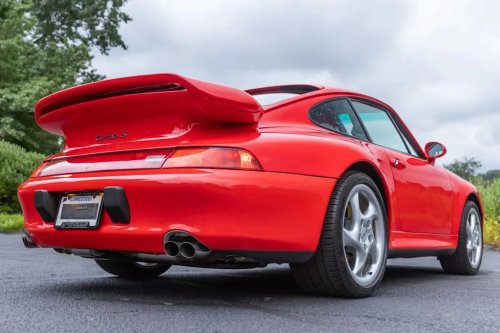
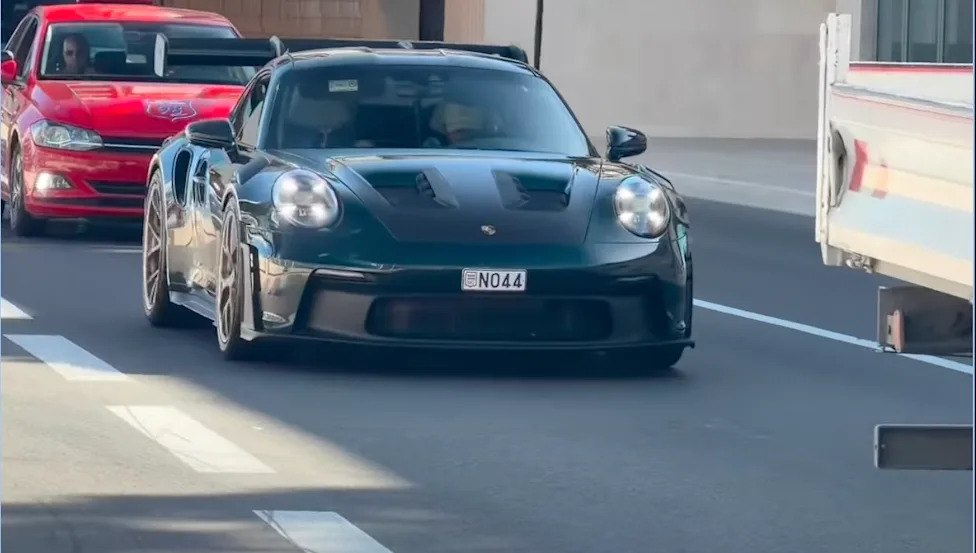
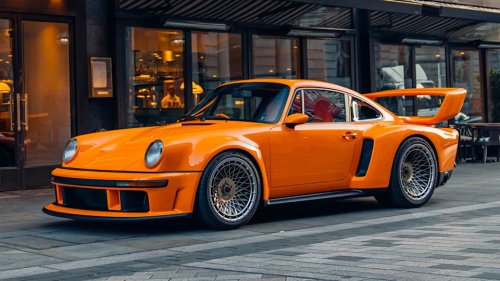
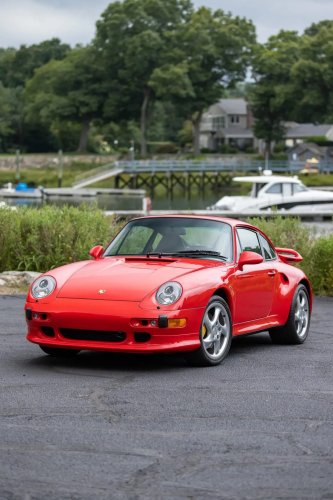
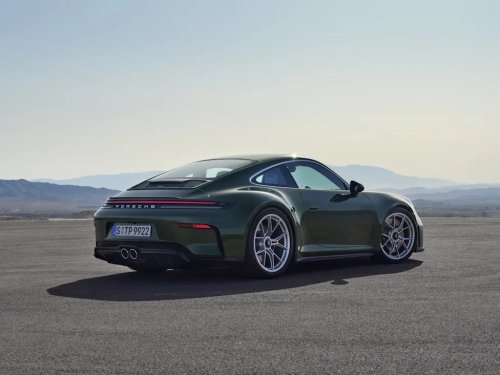
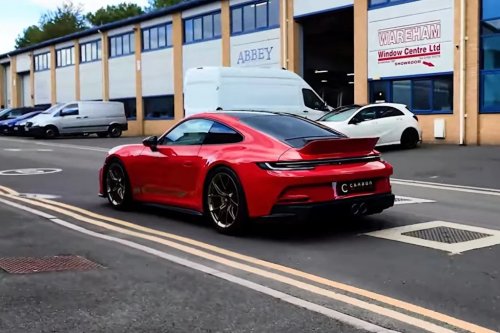
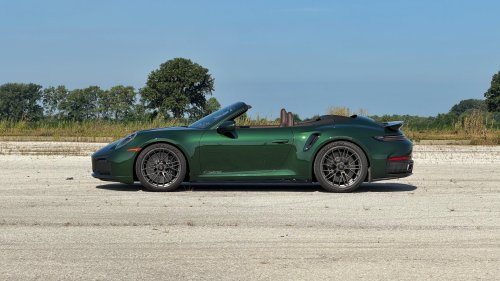
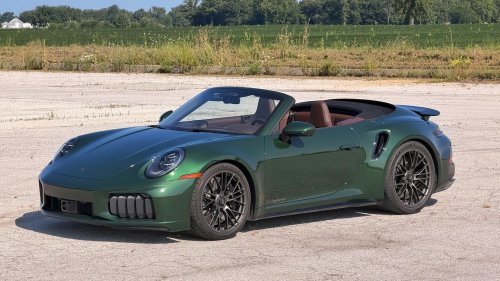
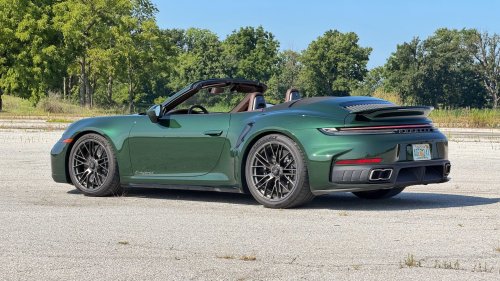
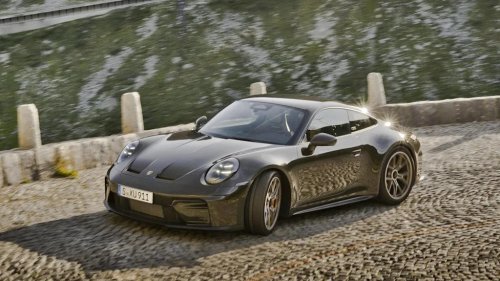
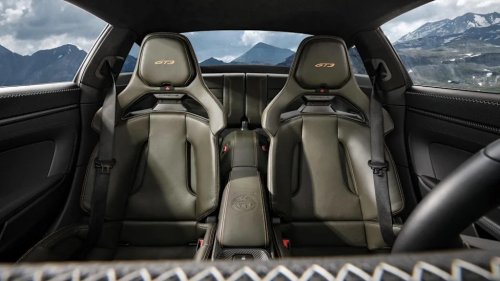
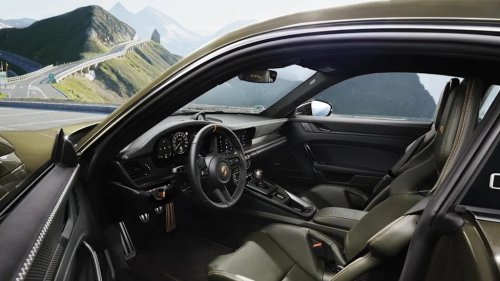
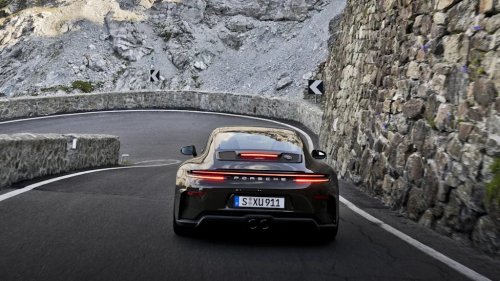
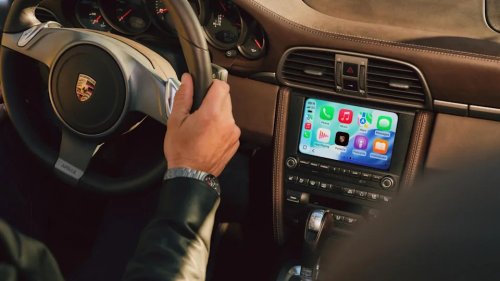
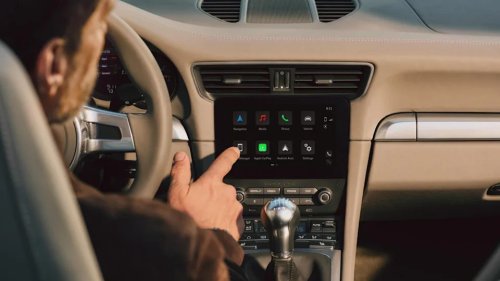
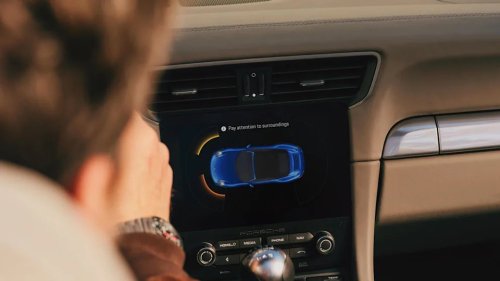
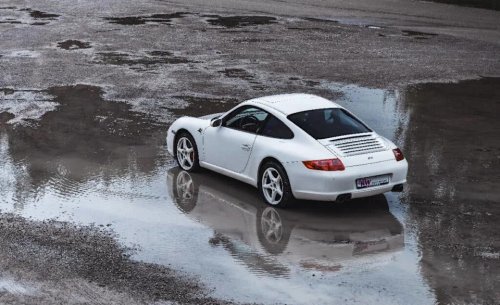
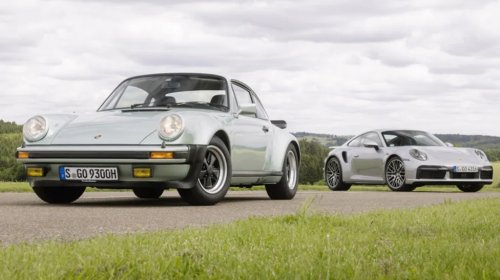
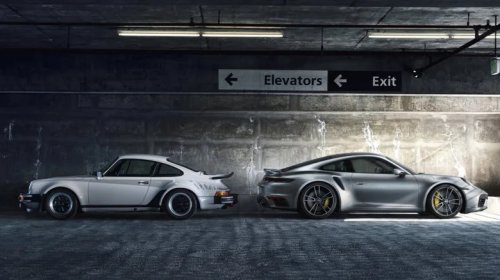
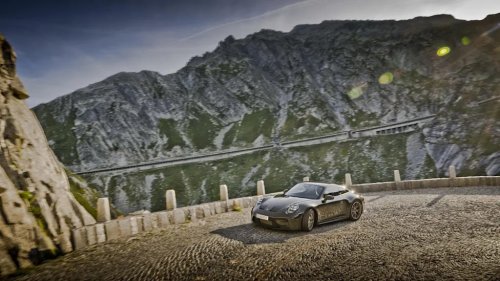
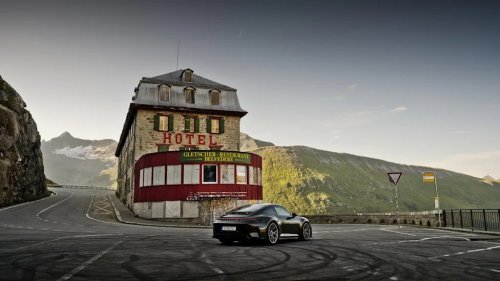
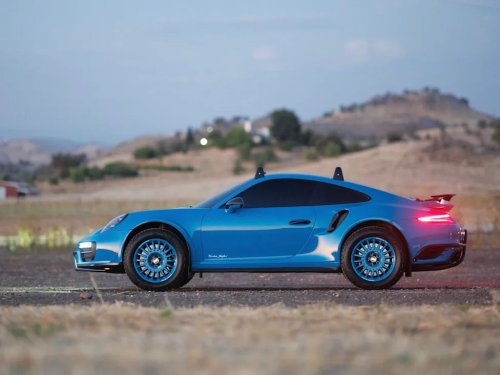
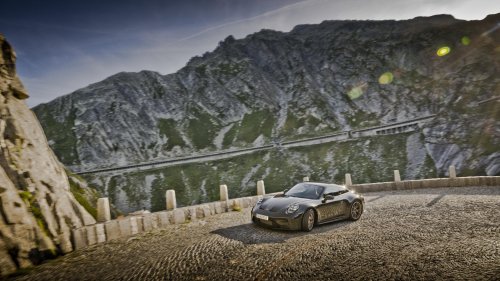
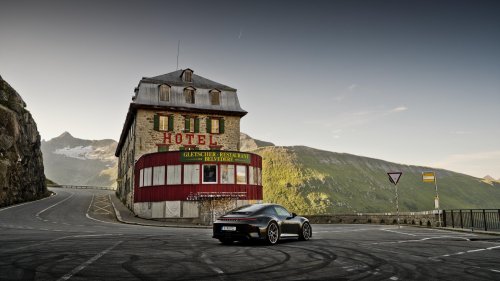
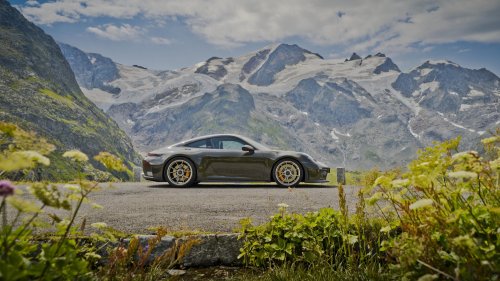
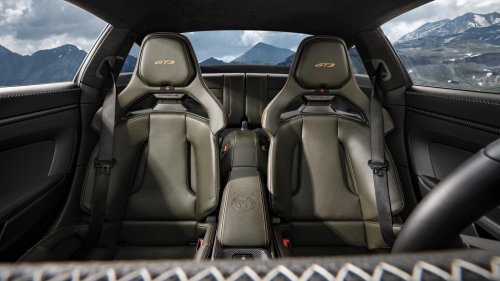
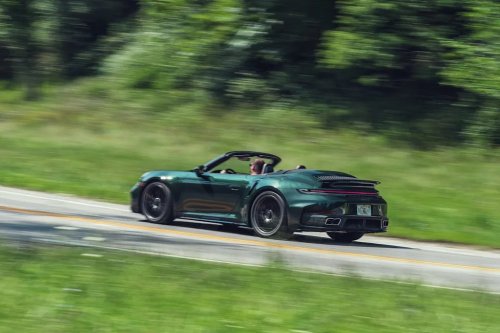
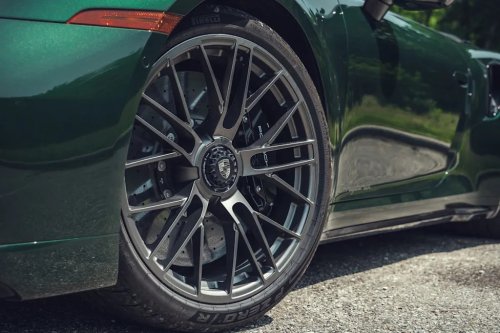
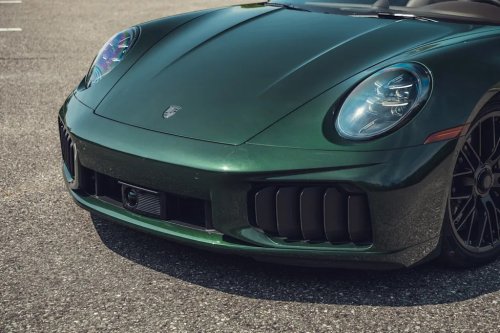
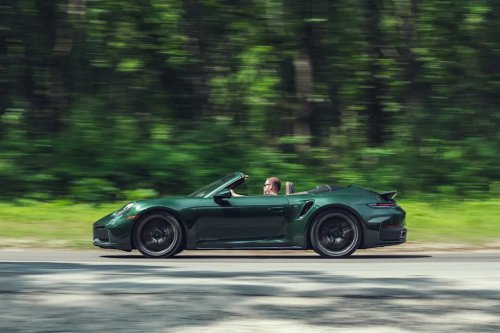
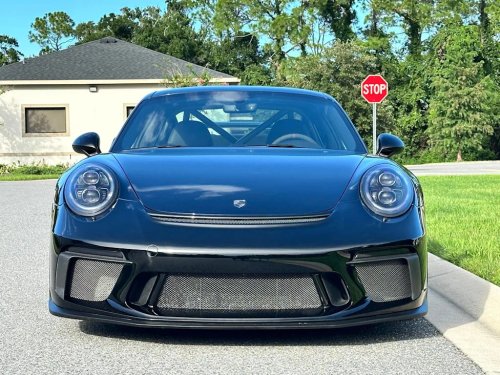
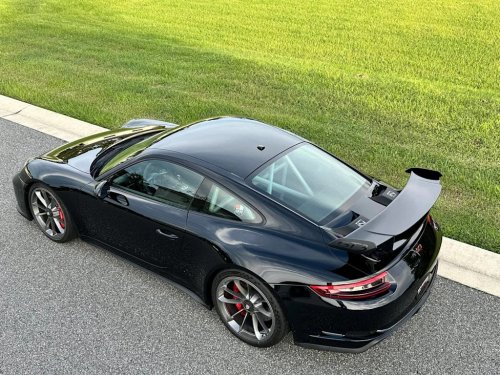
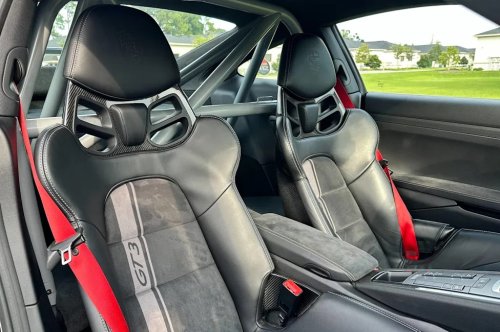
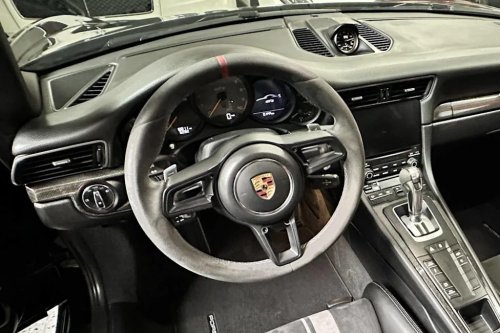
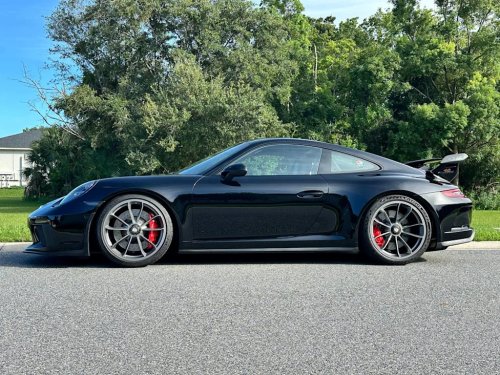
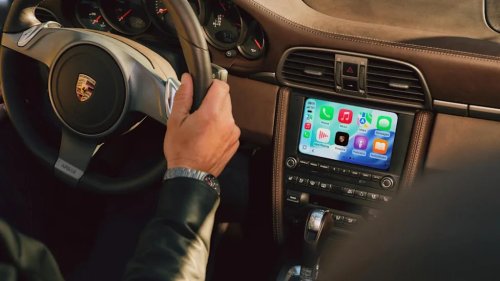
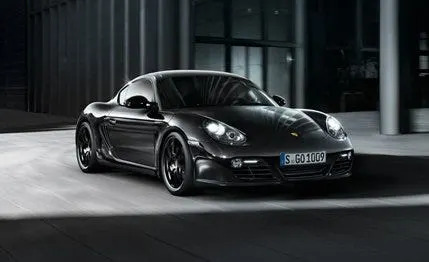
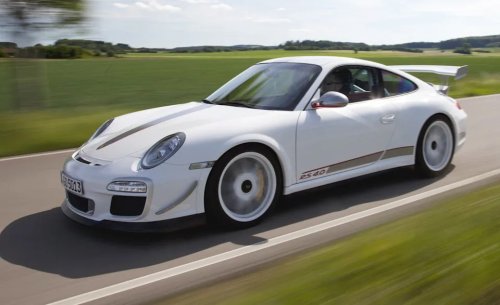
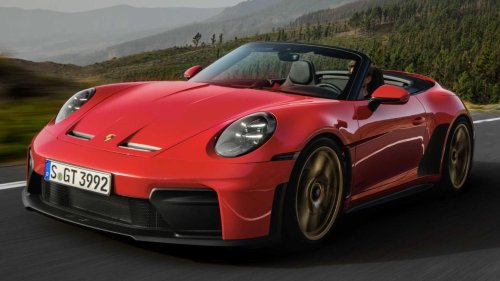
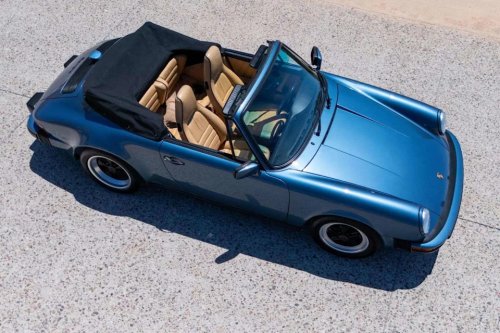
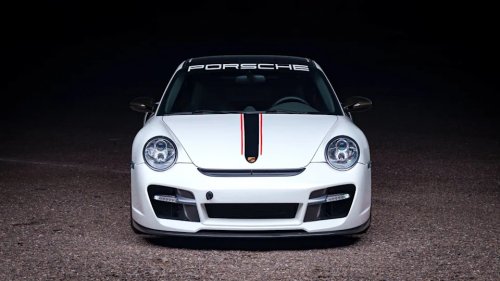
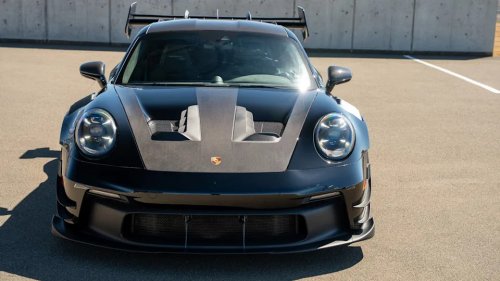
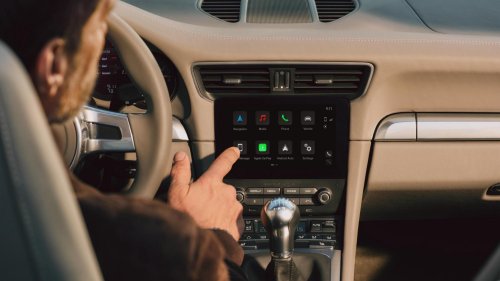
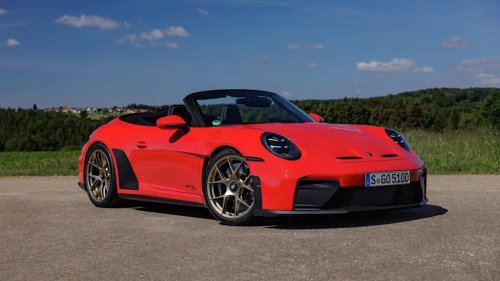
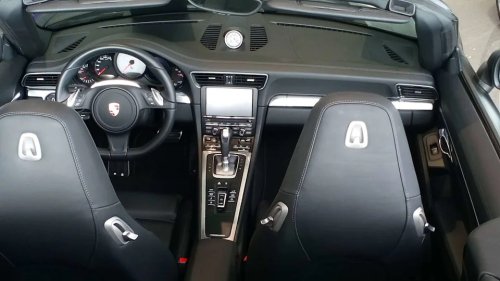
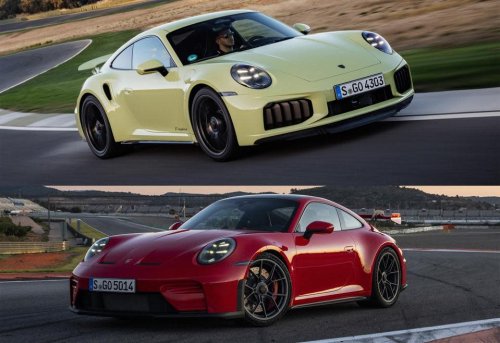
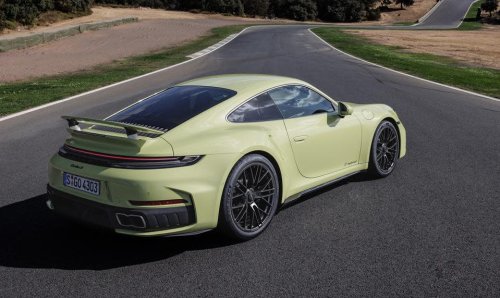
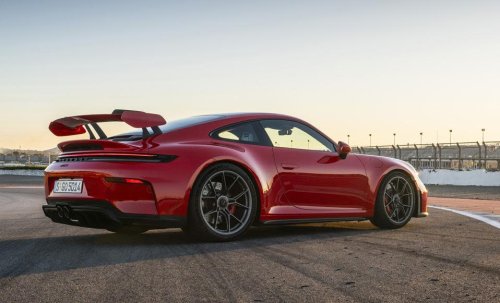
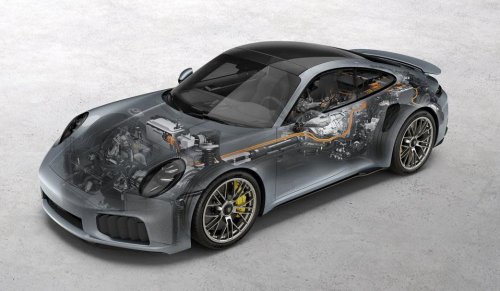
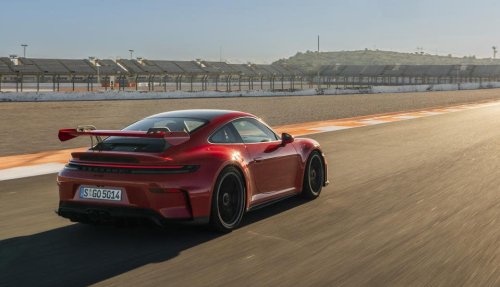
The 2026 Porsche 911 Turbo S (top) and 2026 Porsche 911 GT3 (bottom)©2026 PorschePorsche is the only automaker that can sell two variants of the same rear-engine vehicle with two wildly different flavors of speed, driving dynamics, and character. The 2026 Porsche 911 Turbo S T-hybrid is the ultimate high-performance grand tourer, blending supercar speeds with premium luxury appointments. The 2026 Porsche 911 GT3 is a street-legal race car, engineered for low mass and surgical driving precision. Which is better? It’s not that easy… but I recently spent quite a bit of time in both, and I’ve made my decision.Overview: 2026 Porsche 911 Turbo SThe 2026 911 Turbo S Coupe in Cartagena Yellow Metallic©2026 PorscheLet’s start with the Turbo S, as the celebrated “Turbo” model has been in Porsche’s lineup since 1975. The first 911 Turbo model was a purpose-built road car with strong racing DNA (it included components and ideas derived from the racing 917 and Carrera RSR). Engineered as a halo car for blasting down the German Autobahn at 150 mph, it was fitted with a powerful turbocharged flat-6 and upgraded gearbox and brakes. Visibly, it boasted flared bodywork and a distinctive large rear spoiler.Today’s 911 Turbo S remains a halo car, but its mission has been slightly altered. Under its read decklid is an innovative hybrid powertrain combining a twin-turbocharged 3.6-liter flat-6 with a pair of eTurbos (turbochargers that use electricity for initial spooling, nearly eliminating turbo lag) and a strong permanent-magnet synchronous motor integrated into the transmission housing. Total system power is 701 horsepower and 590 lb-ft of torque—it’s the most powerful production 911 Porsche has ever sold. Tested by Car and Driver magazine, the coupe blasted from 0-60 mph in 2.0 seconds and ran the quarter mile in 9.7 seconds @ 142 mph (according to Porsche, the top speed is about 200 mph).Overview: 2026 Porsche 911 GT3The 2026 Porsche 911 GT3 in Guards Red©2026 PorscheThe GT3 debuted in 1999 as a road-legal race car. While it shared bodywork with the standard Carrera models, it featured much more aggressive aerodynamic aids (including an adjustable rear wing), firm suspension, stronger brakes, and grippy tires. It highlighted a naturally aspirated flat-6 engine with a stratospheric redline. The cabin was mission-focused, with low-mounted race-bucket seats and few creature comforts—air conditioning and audio systems were optional for the first few years.AdvertisementAdvertisementToday’s 911 GT3 is an unblemished descendant of its predecessor with race-tested componentry tuned for performance. Unlike all other models in Porsche’s lineup (except for those using a similar engine), the GT3’s engine is not turbocharged, nor is it hybrid. The GT3 features a naturally aspirated 4.0-liter flat-6 rated at 502 horsepower and 331 lb-ft of torque. In Motor Trend testing, the PDK variant sprinted from 0-60 in 3.2 seconds. MotorWeek recorded a quarter-mile run in 11.0 seconds @ 127 mph (according to Porsche, the top speed is about 198 mph).Comfort: Turbo S vs GT3While the chassis and basic cabin layout are shared between the GT3 and Turbo S models, the appointments couldn’t be more different.The 2026 GT3’s cabin is configured for optimal driving precision and low center of gravity. It feels intense. Mechanical. Firm bucket seats sit low relative to the dashboard—further restricting outward vision, which is already challenged by a rear wing bisecting the view out the rearview mirror. The primary touch points—lightweight carbon fiber and grippy Alcantara—are monochromatic. There is minimal sound insulation, meaning the engine sound and tire noise are loud. Vibrations are felt clearly in the cabin. The experience is calibrated around precision, not plushness. While the GT3 can be driven on the street, its core personality is unapologetically performance-first. The GT3 feels at home on the track or while pulling neck-straining G-forces in the canyons, but its rawness can feel merciless in bumper-to-bumper traffic or on a long drive over broken, rough roads.A cut-away reveals the innovative hybrid all-wheel drive powertrain of the 2026 Porsche 911 Turbo S©2026 PorscheThe 2026 Turbo S is polished and poised, with a cabin configured like a business jet—clean and uncluttered, with all touchpoints featuring premium trims, high-grade leather, or Alcantara. The aura feels relaxed, but self-confident. The seats are highly adjustable, heated, and ventilated, affording a near-perfect view out of the cabin. The cabin is well insulated, but the growl of the engine (and some tire noise) still permeates—a subtle reminder of the Turbo’s potential energy. Unlike the GT3, where Porsche Active Suspension Management (PASM) is tuned for handling, the Turbo S delivers a more comfortable ride with an active electro-hydraulic roll stabilization system (ehPDCC) optimizing chassis control. The Turbo S devours miles of road, regardless of surface, with effortless ease.Driving Dynamics: Turbo S vs GT3The Turbo S and GT3 are powered by fundamentally different engines, which completely alter the driving experience.AdvertisementAdvertisementWith a redline of 9,000 rpm, the naturally aspirated flat-6 in the GT3 prefers revs to stay in the power band—it lacks the low-end torque of a forced-induction engine. The GT3 builds speed like a race engine, pulling stronger and harder as it spins faster. It rewards revs, timing, and commitment. The chassis is rigid, and handling is sharp and precise. Turn-in is instantaneous—driver inputs are immediately reflected in the directional change. There is no sloppiness, just track-ready precision. The GT3 feels light as it dances through the corners, and the grip from the front end—thanks to the unique double-wishbone suspension—is outstanding. Braking (always a Porsche strength) is sure-footed, requiring only a tap on the firm pedal to bleed speed with utmost stability. Visceral and exciting—the driver is fully engaged with the GT3 driving experience.The Turbo S delivers gobs of torque off the line—it is one of the quickest and most throttle-responsive cars I have ever tested (eTurbos for the win). While departing a stoplight at partial throttle is gentle and smooth, a full throttle launch is dizzying. Passing power, regardless of the speed, is phenomenal, with zero turbo lag. All-wheel drive ensures maximum grip, limiting wheelspin and giving it confidence-inspiring all-weather capability. The Turbo S feels significantly heavier than a GT3; there is more mass underfoot, but handling is still outstanding. The steering is quick, and braking is strong, but both feel slightly more isolated (no less connected, just less textured). The Turbo S suspension may be dialed up or down, depending on the mission. Regardless of the surface, it absorbs the sharpest impacts, delivering a more deliberate—albeit isolated—ride. The Turbo S is composed and graceful—an athlete and a gentleman.The 2026 Porsche 911 GT3 in Guards Red at home on a racing circuit©2026 PorscheAdvertisementAdvertisementWhich is Better: Turbo S vs GT3The 911 GT3 fully lives up to its reputation, delivering performance that far exceeds the abilities of most drivers. It is a true road-legal race car, raw and brutal, steeped in Porsche’s motorsport heritage and constantly reminding its occupants what it was built to do.The Turbo S is quicker and faster, and much more comfortable—making spirited driving feel almost suspiciously simple. The Turbo S flatters, while the GT3 educates. The Turbo S lets almost anyone exploit a large percentage of its capability on the street, while the GT3 asks for more skill but delivers more texture, more sound, and more satisfaction when the road opens.For track use, the GT3 is the obvious choice. But for all other times, I’m grabbing the keys to the new Turbo S. It is the faster long-distance car, the better wet-weather car, the easier car in traffic, and the one more likely to be used frequently rather than reserved for ideal conditions. And, on public roads, it can show a GT3 its tail lights.This article was originally published on Forbes.com


















 +60 others