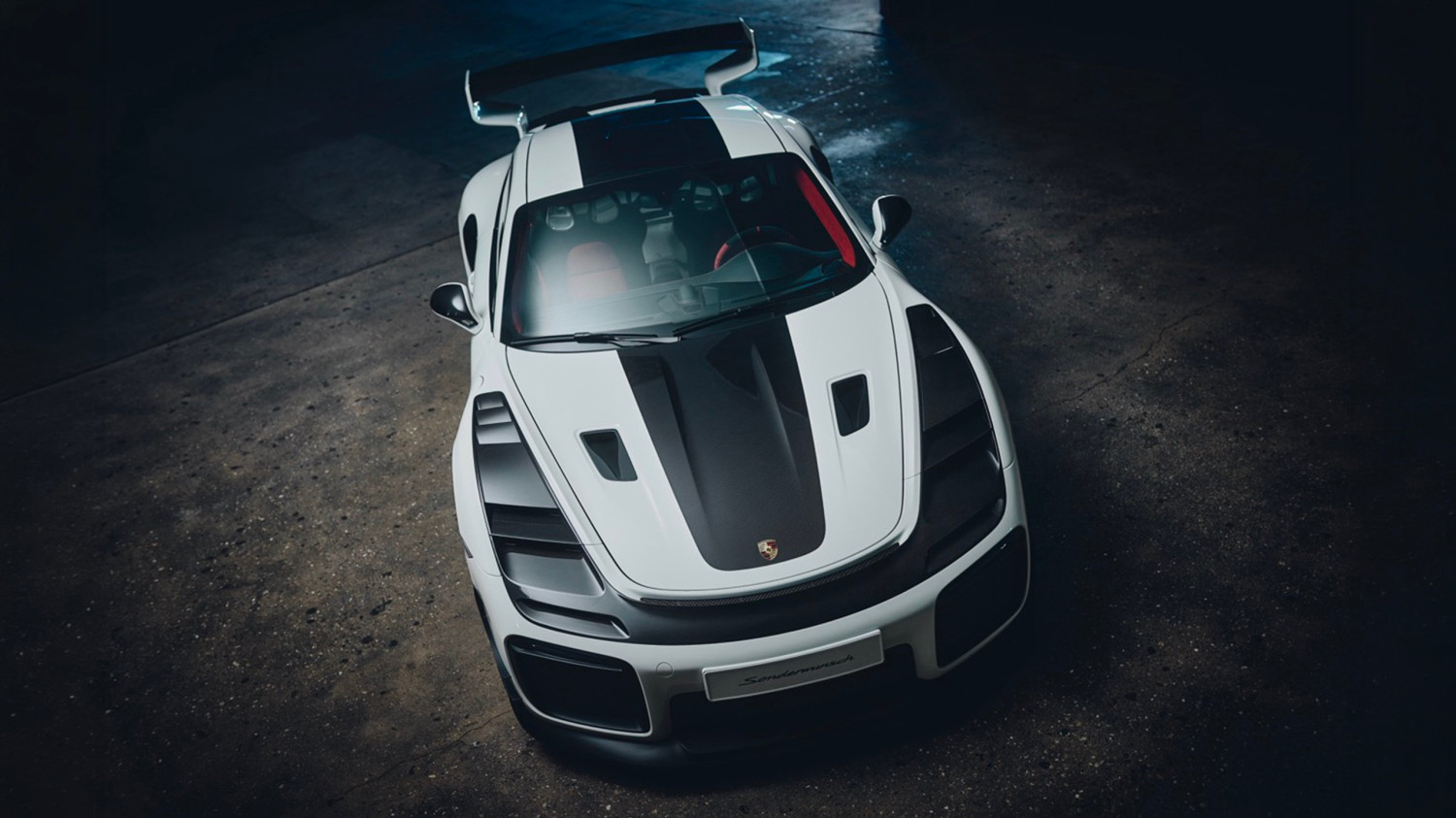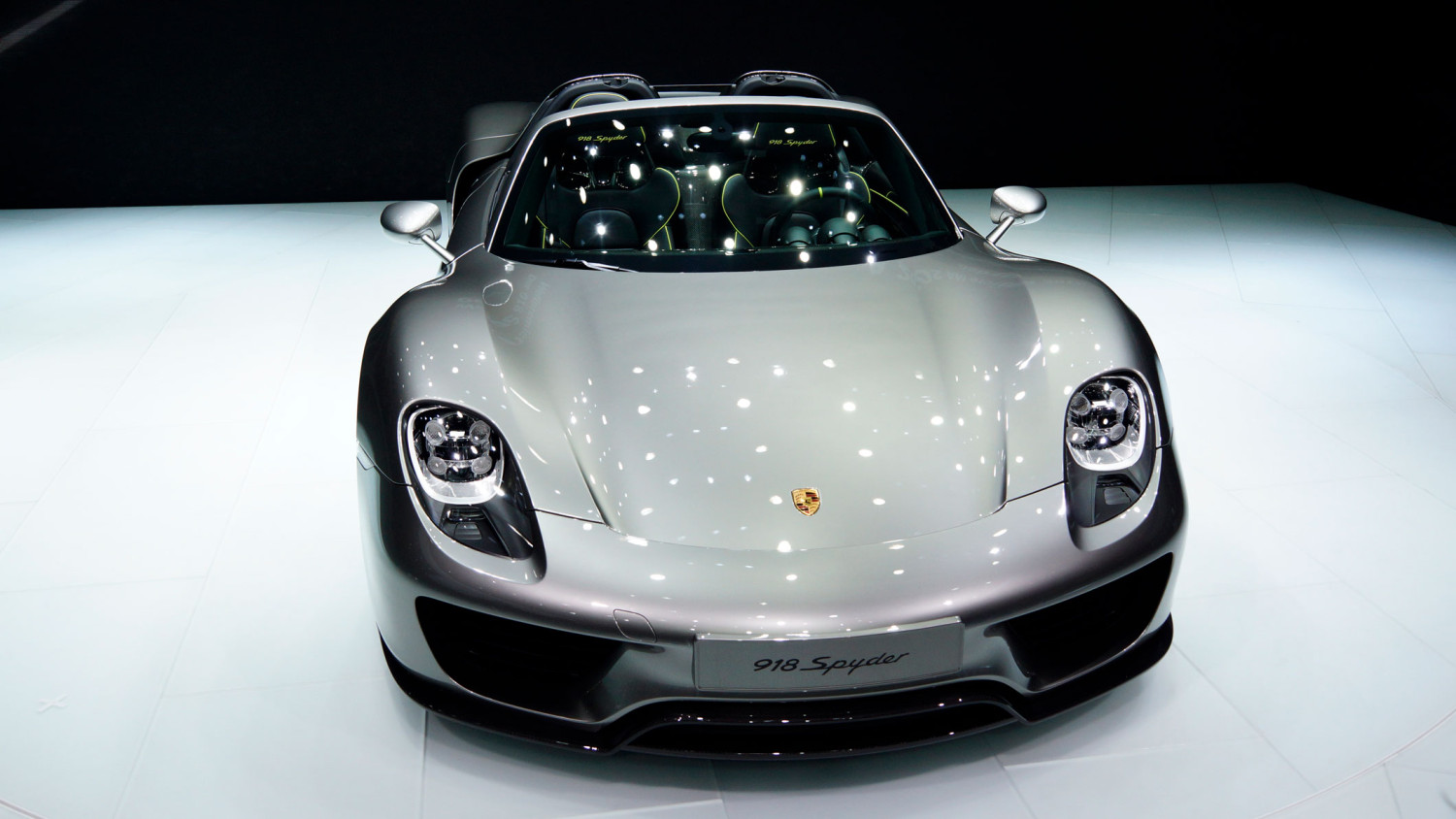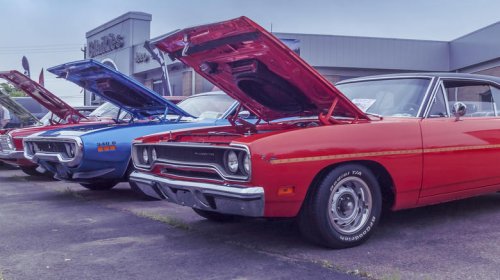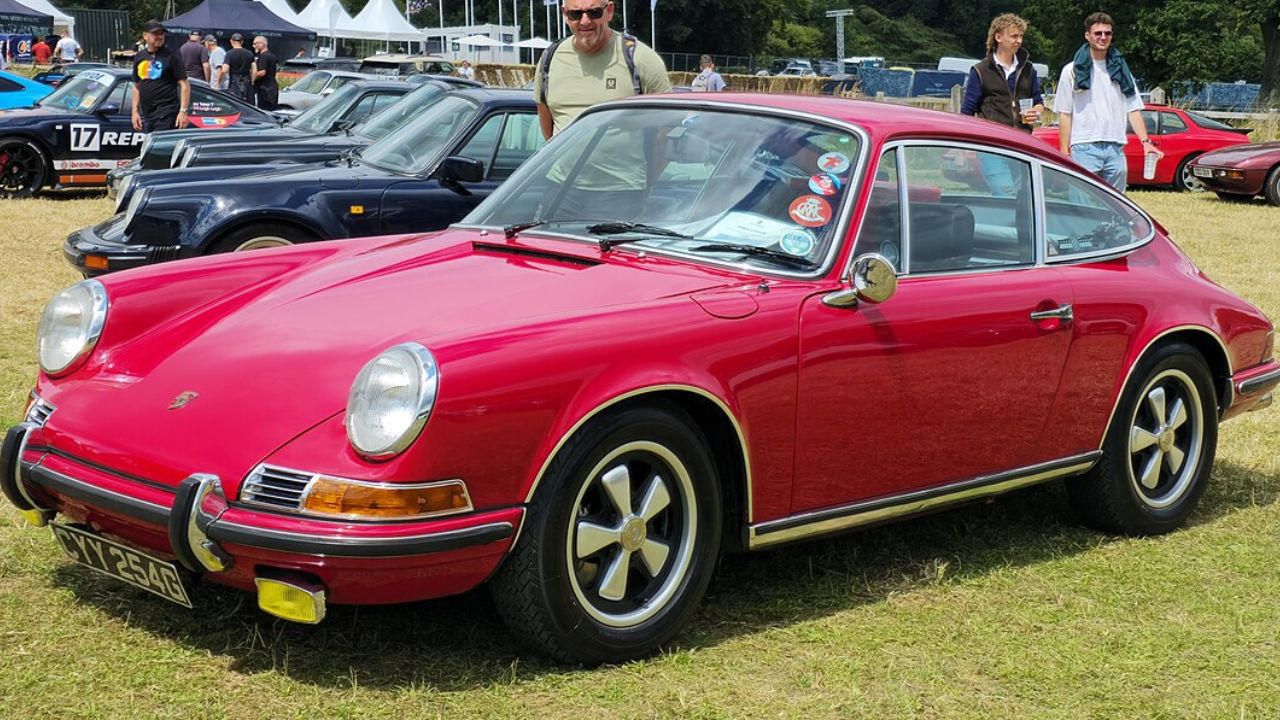



















The 1969 Porsche 911S offered driving precision most muscle cars couldn’t matchThe 1969 Porsche 911S stands as a hallmark of automotive engineering, offering a driving experience characterized by precision and agility that set it apart from the American muscle cars of its era. As the desire for performance and handling evolved, the 911S emerged as a symbol of innovation in sports car design. Historical Context of 1960s Automotive Industry The 1960s marked a pivotal era in the American automotive landscape, defined largely by the rise of muscle cars. With iconic models like the Ford Mustang and Chevrolet Camaro hitting the market, American manufacturers focused on delivering brute power and straight-line speed. These vehicles were designed for a generation that craved excitement and performance, often featuring large V8 engines that produced impressive horsepower figures. The allure of muscle cars was primarily in their ability to dominate drag strips and resonate with the burgeoning youth culture. Conversely, the European automotive scene was evolving in a different direction, emphasizing engineering excellence, agility, and driving dynamics. Among the vanguard of this movement was Porsche, a brand that had already begun to reshape the perception of sports cars with the introduction of the Porsche 911 in 1966. This model not only set the stage for the legendary 911 lineage but also laid the groundwork for the 1969 911S, which would further refine the concept of a sports car with an emphasis on precision and handling. Design and Engineering of the 1969 Porsche 911S The 1969 Porsche 911S distinguished itself through its lightweight construction and aerodynamic design, which were critical factors in its performance capabilities. Weighing in at just over 2,200 pounds, the 911S utilized a combination of steel and aluminum components to achieve an optimal power-to-weight ratio. This focus on minimizing weight was a stark contrast to the heavier muscle cars, which, while powerful, often compromised handling for sheer output. Innovations in the suspension and chassis of the 911S further enhanced its cornering abilities. The model featured a sophisticated independent suspension system, providing a level of grip and stability that muscle cars struggled to match. The 911S’s suspension setup allowed for precise steering feedback and agile handling, making it a joy to drive on winding roads and racetracks alike. This engineering philosophy set the 911S apart, focusing on a balanced driving experience rather than just raw power, which defined many contemporary American muscle cars. Performance Specifications At the heart of the 1969 911S was a 2.0-liter flat-six engine, producing 170 horsepower and 130 lb-ft of torque. This engine was not only powerful for its size but also exceptionally responsive, allowing the car to accelerate from 0 to 60 mph in just over 6.5 seconds. The performance figures of the 911S were impressive, especially when compared to popular muscle cars of the time, such as the Chevrolet Camaro SS or the Ford Mustang GT, which boasted larger engines but often lacked the same level of finesse in acceleration and handling. The top speed of the 911S was around 140 mph, showcasing its capabilities beyond mere acceleration. The braking systems in the 911S were advanced for their time, featuring ventilated disc brakes that provided consistent performance and reduced fade, a common issue in heavier muscle cars. The combination of a lightweight chassis, exceptional braking, and agile handling resulted in a driving experience that emphasized precision over power, a hallmark of Porsche engineering. Driving Experience: Precision vs. Power Driving the 1969 Porsche 911S is an experience that transcends mere transportation; it’s an engagement of the senses. The tactile feedback from the steering wheel and the responsive throttle create a connection between the driver and the vehicle that is hard to replicate. The 911S offers a level of engagement that encourages spirited driving, rewarding the driver with precise handling and an exhilarating sense of control. In contrast, typical muscle cars, while thrilling in their own right, often emphasize straight-line performance. They deliver power with a roar but can feel less connected when navigating tight corners. Many enthusiasts and automotive journalists have remarked on this distinction, noting that the 911S fosters an emotional connection that goes beyond speed. The ability to tackle corners with confidence and precision is a defining characteristic that has made the 911S a favorite among driving purists. Cultural Impact and Popularity The 1969 Porsche 911S left an indelible mark on popular culture, appearing in numerous films and media, solidifying its status as an icon of automotive excellence. Its sleek lines and engaging performance have made it a favorite among filmmakers and automotive enthusiasts alike, often featured in scenes that highlight its agility and style. Movies like *Le Mans* starring Steve McQueen showcased the 911S in thrilling racing sequences, further enhancing its allure. Enthusiasts and collectors often share testimonials about the 911S’s lasting legacy. Many view it as a benchmark for sports cars, with a dedicated community that celebrates its engineering and performance. Events such as the annual Porsche Parade attract thousands of enthusiasts, reflecting the car’s enduring popularity and the passion of its owners. The camaraderie among Porsche fans is palpable, creating a vibrant culture that continues to thrive today, showcasing the brand’s influence on the sports car market. Comparative Analysis with Muscle Cars When comparing the 1969 Porsche 911S with notable muscle cars such as the Ford Mustang and Chevrolet Camaro, the differences in philosophy become evident. While muscle cars were designed for raw power and straight-line speed, the 911S was engineered for a balanced driving experience. The 911S’s lightweight construction, coupled with its sophisticated suspension system, allowed it to navigate corners with remarkable agility, a feature that muscle cars often struggled to match. This distinction in driving dynamics has made the Porsche 911S a preferred choice among sports car enthusiasts who value precision and handling. The raw power of American muscle cars can be exhilarating, but many drivers ultimately seek the connection and engagement found in vehicles like the 911S. As driving precision became a defining factor for sports car aficionados, the 911S set a standard that many have aspired to emulate. Maintenance and Ownership Experience Owning a 1969 Porsche 911S is not without its challenges, particularly when it comes to maintenance. While these cars are renowned for their engineering, they do require attention to detail and regular care to ensure longevity. Common issues faced by owners include the need for engine rebuilds, suspension maintenance, and electrical system updates. However, the robust community surrounding Porsche provides ample resources and support for enthusiasts looking to maintain their vehicles. The ownership experience itself can be incredibly rewarding. Many owners find a sense of camaraderie among fellow Porsche enthusiasts, often sharing tips and experiences at local car shows or online forums. The investment potential of classic Porsches has also been favorable, with well-maintained models appreciating significantly over time compared to many muscle cars, making them not only a joy to drive but also a wise investment for collectors. Legacy and Evolution of the Porsche 911 The influence of the 1969 911S on subsequent generations of the Porsche 911 cannot be overstated. Each iteration of the 911 has built upon the foundation laid by the 1969 model, continuing to emphasize precision and handling. Modern Porsches incorporate advanced technology while maintaining the driving dynamics that have become synonymous with the brand. Reflecting on the Porsche brand’s sustained reputation for engineering excellence, it’s clear that the legacy of the 911S lives on. As the automotive landscape evolves, the principles of design and performance established by the 1969 911S continue to resonate, inspiring both manufacturers and enthusiasts alike to pursue the ultimate driving experience. More from Fast Lane OnlyUnboxing the WWII Jeep in a Crate15 rare Chevys collectors are quietly buying10 underrated V8s still worth hunting downPolice notice this before you even roll window down